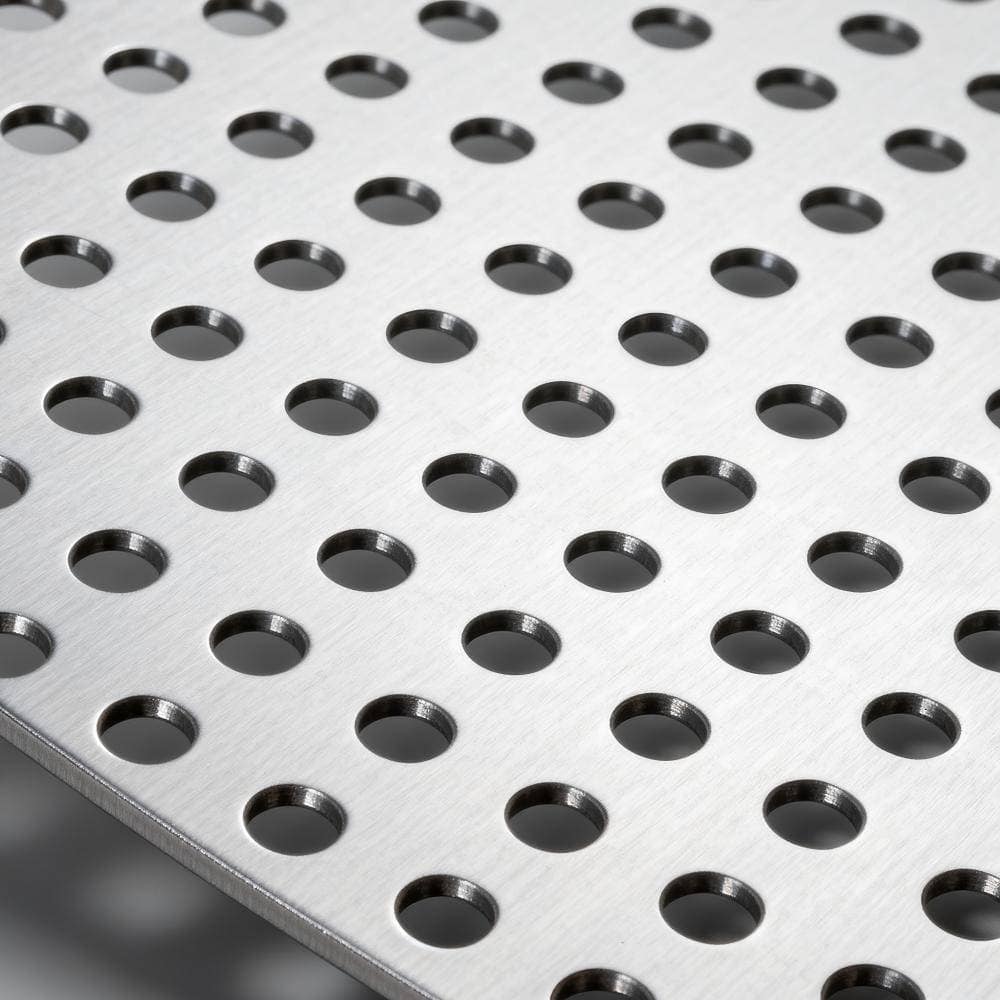
Wire mesh is a critical—but often overlooked—component in industrial systems, from filtration and screening to reinforcement and safety guarding. Selecting the wrong type can lead to downtime, contamination, or premature failure. Here’s a concise guide to making the right choice.
1. Clarify the Primary Function
Start by defining the mesh’s role:
- Filtration: Requires precise, consistent openings and cleanability
- Screening: Needs abrasion resistance and structural durability
- Reinforcement or shielding: Demands strength, conductivity, or corrosion resistance
2. Select the Right Material
Match the material to your operating environment:
- Stainless Steel 304: General-purpose corrosion resistance (food, pharma)
- Stainless Steel 316: Better for chlorides, acids, or marine settings
- Carbon Steel: Strong and economical—best when galvanized or painted
- Nickel Alloys / Titanium: For extreme heat or highly corrosive chemicals
✅ Always verify chemical compatibility before finalizing.
3. Choose the Appropriate Weave or Type
|
Type
|
Best For
|
|---|---|
|
Plain Weave
|
Fine, stable filtration (e.g., lab sieves)
|
|
Twill Weave
|
Heavy-duty, flexible applications
|
|
Dutch Weave
|
High-efficiency sub-micron filtration
|
|
Crimped Mesh
|
Mining, aggregate—high open area + impact resistance
|
|
Perforated/Expanded Metal
|
Structural uses (guards, facades, walkways)
|
4. Get the Specs Right
Key parameters:
- Mesh count (openings per inch)
- Wire diameter (affects strength and open area)
- Aperture size (determines particle retention)
📏 For critical uses, specify to ASTM E11 or ISO 3310 standards.
5. Consider Real-World Conditions
Factor in:
- Temperature extremes
- Pressure or vibration
- Cleaning frequency (electropolished finishes help)
- Regulatory needs (FDA, NSF, ATEX, etc.)
Final Tip: Test Before You Commit
Request samples and validate performance under actual operating conditions. A small test can prevent major operational issues.
Bottom Line: The best wire mesh isn’t the cheapest—it’s the one engineered for your specific process. Partner with a knowledgeable supplier to ensure reliability, safety, and long-term value.