How to Choose a Finish for Outdoor Applications
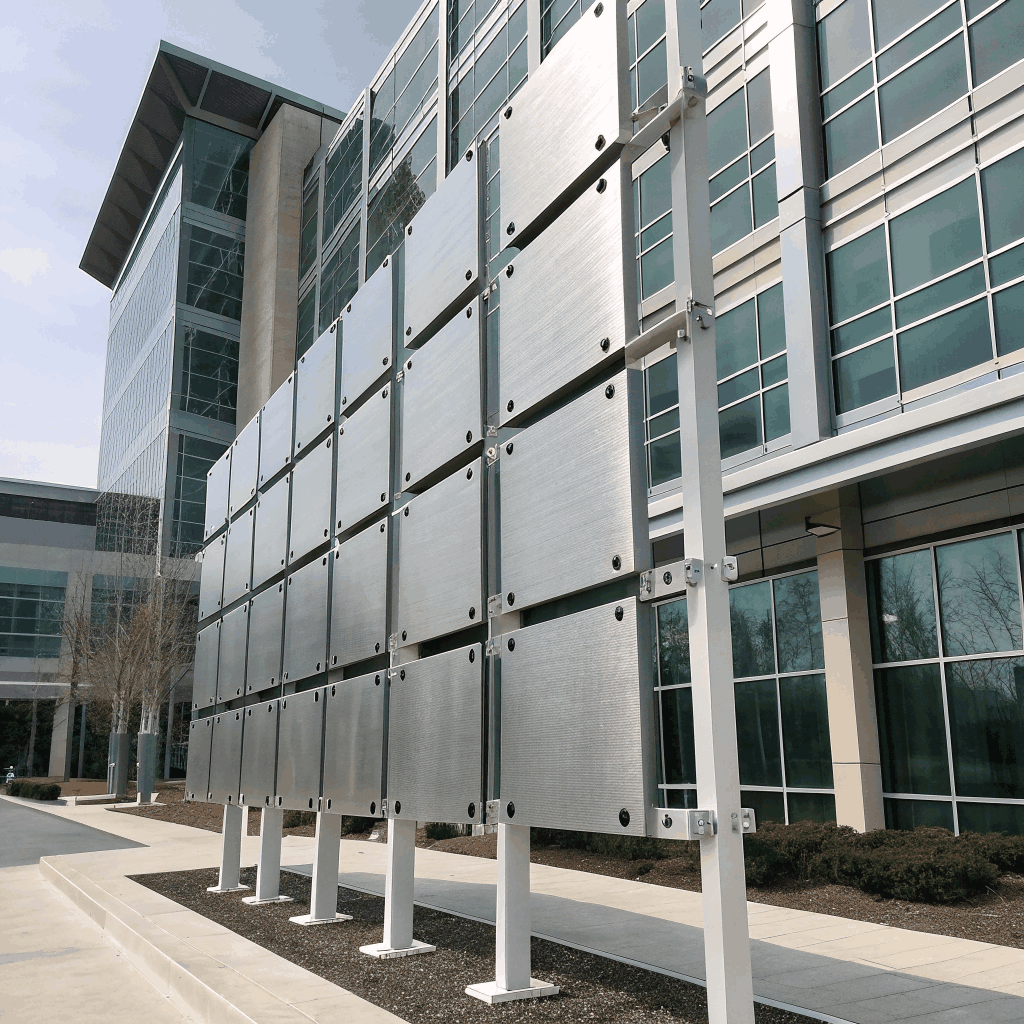
Understanding the Environment
Outdoor metal components face rain, UV radiation, temperature swings, and pollutants. The first step is to assess the exposure level:
- Coastal or marine – high salt content, aggressive corrosion.
- Industrial zones – chemicals, abrasive particles.
- Sun‑intensive sites – UV can degrade some coatings.
- Heavy traffic or load‑bearing areas – mechanical wear is a factor.
Compare the Main Finishes
Galvanizing
- Process: Hot‑dip coating with a zinc layer.
- Pros: Excellent sacrificial corrosion protection, long lifespan (20‑50 years).
- Cons: Limited color options, surface can be uneven on complex shapes.
Powder Coating
- Process: Electrostatic application of a polymer powder, cured under heat.
- Pros: Wide color palette, high durability, resistant to chipping and fading.
- Cons: Not as corrosion‑resistant as zinc unless combined with a primer; may require touch‑up in harsh environments.
Stainless Steel
- Grades: 304 for general use, 316 for marine exposure.
- Pros: Intrinsic corrosion resistance, no coating needed, maintains a clean aesthetic.
- Cons: Higher material cost, can be prone to staining if not properly maintained.
Mill‑Finish Aluminum
- Process: Raw, untreated surface straight from the mill.
- Pros: Lightweight, naturally forms a protective oxide layer, good for low‑budget projects.
- Cons: Requires additional coating (e.g., anodizing or powder) for severe exposure; surface is prone to scratching.
Decision Checklist
- Exposure severity – Choose galvanizing or stainless steel for aggressive environments.
- Aesthetic requirements – Powder coating offers the most design flexibility.
- Budget constraints – Mill‑finish aluminum is cost‑effective but may need a secondary finish.
- Maintenance plan – Stainless steel needs minimal upkeep; powder coating may need periodic cleaning.
Final Recommendation
For most outdoor construction applications, a galvanized base with a powder‑coated top layer delivers the best balance of corrosion protection, visual appeal, and cost efficiency. In marine or highly corrosive settings, 316 stainless steel remains the premium choice, while mill‑finish aluminum works well for light‑load, low‑budget projects when paired with a protective coating.
Select the finish that aligns with your site conditions, design goals, and lifecycle budget to ensure lasting performance.