How to Install Stair Treads
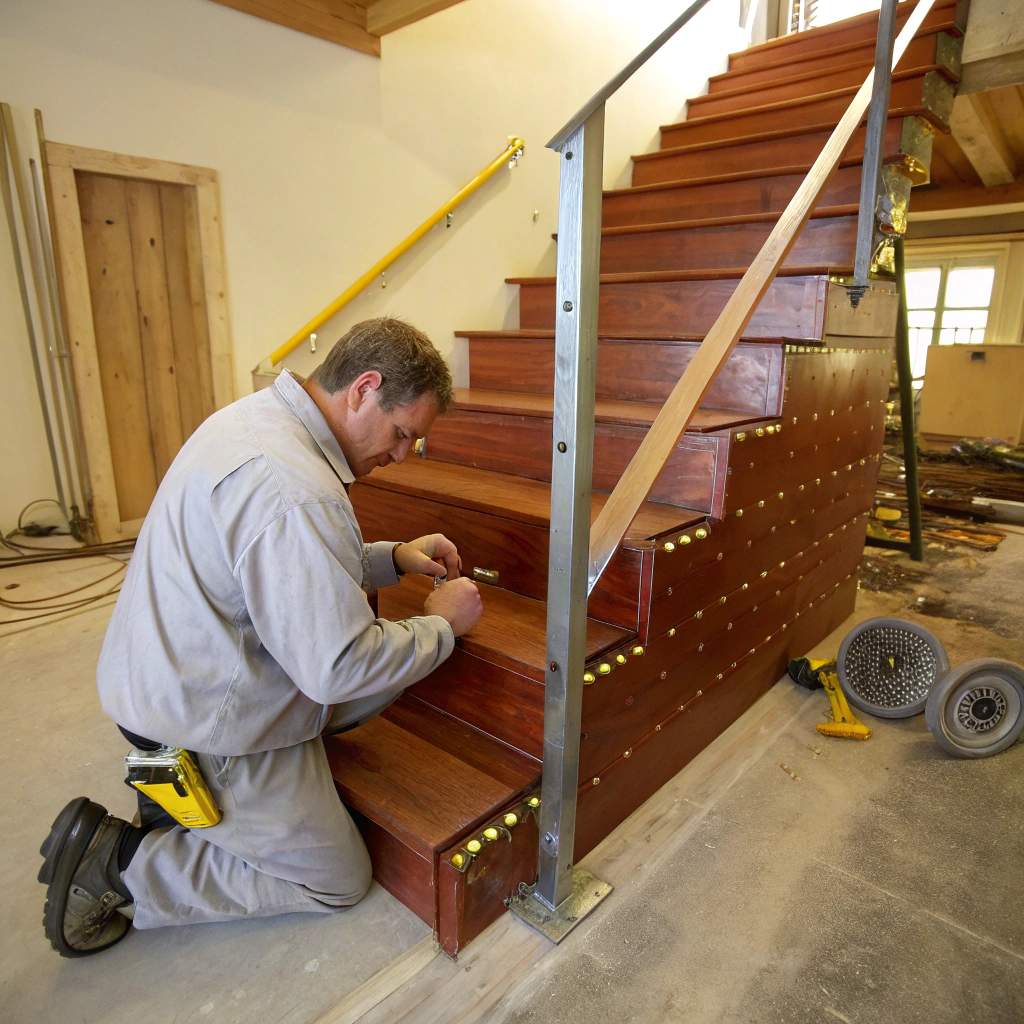
Preparing the Site and Materials
Before you begin, verify that the stair stringers are level and free of debris. Gather all required components:
- Bar‑grating stair treads (cut to the exact width of the stair)
- Heavy‑duty brackets (U‑shaped or L‑shaped, depending on the tread profile)
- Self‑drilling stainless‑steel screws or bolts with lock nuts
- Non‑slip coating or rubber pads (optional for extra traction)
- Safety gear – gloves, goggles, and a hard hat
Check the manufacturer's specifications for load rating and bracket spacing; typical industrial stairs use brackets spaced every 12‑18 in.
Marking Bracket Locations
- Place the first tread on the lower step and align it flush with the stringer edge.
- Using a pencil, mark the center of each bracket hole on the tread and the corresponding spot on the stringer.
- Transfer these marks to the next step, ensuring a consistent vertical line so the treads remain level across the flight.
Mounting the Brackets
- Drill pilot holes through the marked points on the stringer.
- Insert the bracket, positioning the screw holes over the pilot holes.
- Secure with self‑drilling screws, tightening until the bracket sits flush without warping the tread.
Repeat this process for each bracket on the tread, typically three per tread (one near each edge and one centered).
Installing the Tread
- Lift the tread onto the mounted brackets.
- Align the pre‑marked holes on the tread with the bracket slots.
- Insert the screws through the tread and tighten them into the bracket’s threaded inserts.
- Verify that the tread is level; adjust by loosening the screws slightly, repositioning, and retightening.
Final Checks and Best Practices
- Alignment: Run a straightedge across the installed treads; any gaps indicate mis‑alignment.
- Load Testing: Apply a temporary load (e.g., a 200 lb weight) to confirm stability before full use.
- Corrosion Protection: Apply a protective coating to exposed fasteners in humid or chemical‑exposed environments.
- Documentation: Record bracket spacing, screw torque values, and any deviations for future maintenance.
Following these steps ensures a secure, code‑compliant stair‑tread installation that will withstand heavy industrial traffic for years to come.