How to Read a Perforated Metal Specification
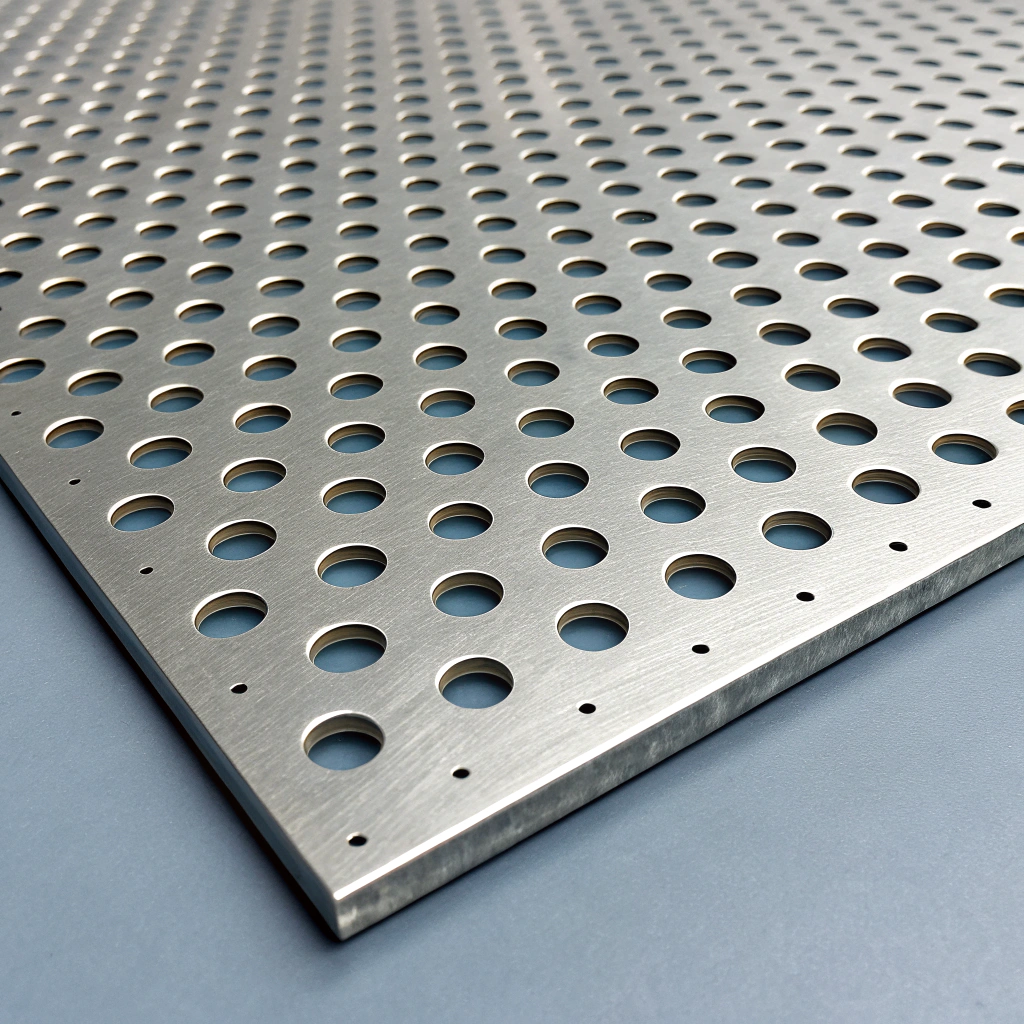
Understanding the Specification Layout
A perforated metal spec sheet is organized into distinct sections. Recognizing each block helps you locate the data you need quickly:
- Header – Part number, drawing revision, and supplier contact.
- Material – Base alloy, temper, and any surface treatment (e.g., galvanised, powder‑coat).
- Dimensions – Overall width, length, thickness, and edge finish.
- Hole Pattern – Pitch, shape, diameter, and arrangement (linear, staggered, custom).
- Tolerances – Allowed variation for each dimension and for hole geometry.
Decoding Hole Pitch and Shape
Hole pitch is the center‑to‑center distance between adjacent holes. It determines airflow, light transmission, and structural strength.
- Uniform pitch – Indicates a regular grid; easier to calculate open area.
- Variable pitch – Used for graded filtration or aesthetic effects; check the drawing notes for each zone.
Hole shape (round, square, slotted, custom) directly impacts load distribution. Round holes provide the highest tensile strength, while slotted holes increase flexibility but reduce shear capacity.
Material and Temper Details
The material line lists the alloy (e.g., AISI 304 stainless, ASTM A36 carbon steel) and the temper condition (H14, T6, etc.). This informs you about:
- Corrosion resistance level.
- Expected yield strength.
- Compatibility with downstream processes such as welding or coating.
Interpreting Tolerances
Tolerances are expressed as ± values next to each dimension. Typical ranges:
- Thickness: ±0.2 mm for sheet metal, tighter for aerospace‑grade parts.
- Hole diameter: ±0.1 mm for precision filtration, ±0.3 mm for structural grating.
If a tolerance exceeds your project’s allowable deviation, request a custom tolerance quote.
Practical Checklist for Procurement
- Verify that the material grade matches project specifications.
- Confirm hole pitch aligns with required flow or light transmission rates.
- Ensure all tolerances fall within acceptable limits for your assembly tolerances.
- Cross‑check edge finish (beveled, rolled) with installation requirements.
By systematically reviewing each line of the spec sheet, you can confidently select the right perforated metal, avoid costly revisions, and keep your project on schedule.