Understanding SWD and LWD in Expanded Metal
What Is SWD vs. LWD?
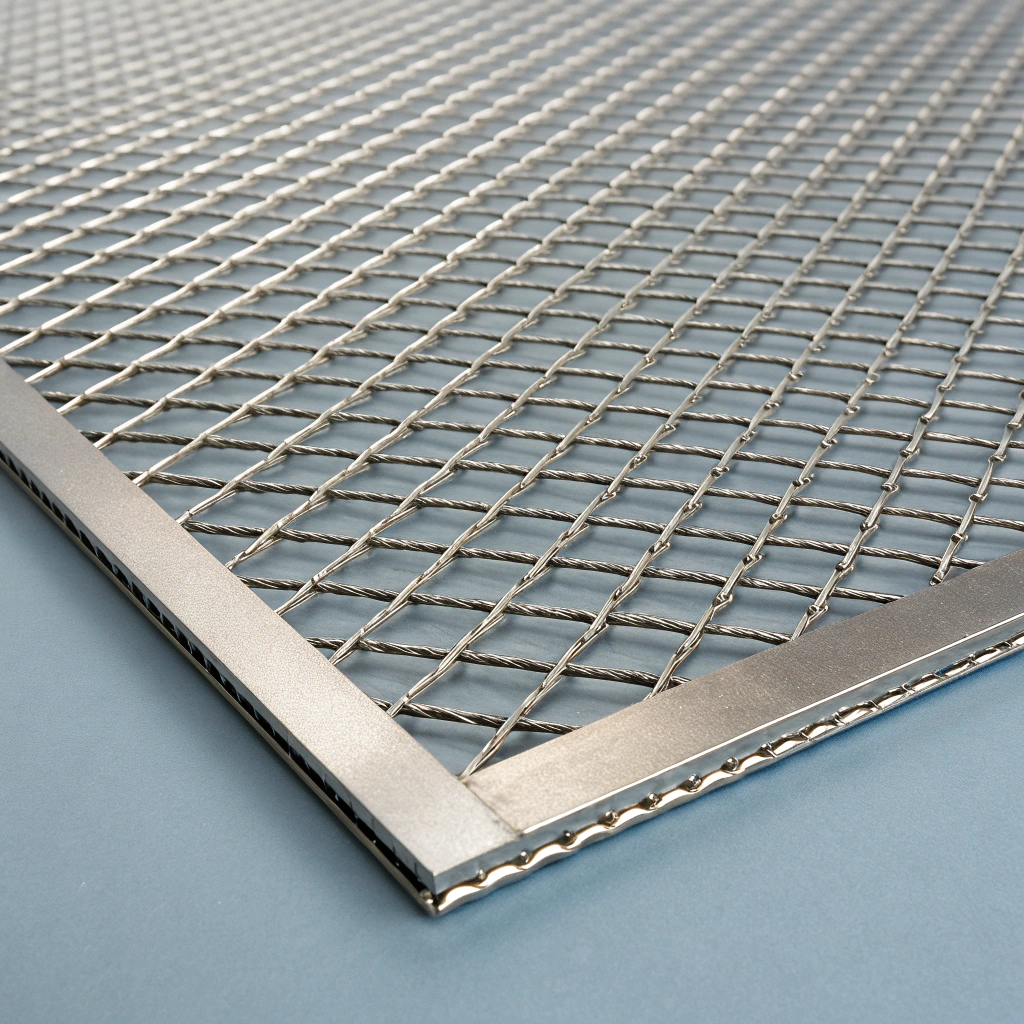
Short Way of Design (SWD) and Long Way of Design (LWD) are two fundamental geometry options when specifying expanded metal. Both are created from the same sheet, but the pattern of the cuts and the resulting strut length differ, which directly influences performance.
Geometry and Strength
- SWD – The cut follows the short diagonal of the mesh cell. This produces a tighter, more compact pattern with shorter struts.
- Higher tensile strength because the load is distributed over more material.
-
Stiffer panel that resists deflection under heavy loads.
-
LWD – The cut follows the long diagonal, creating longer struts and a more open appearance.
- Lower weight per square foot, useful when reducing dead load is critical.
- Greater flexibility, allowing the panel to absorb impact without cracking.
Aesthetic Considerations
- SWD offers a denser, more uniform look that works well in architectural façades where visual continuity is desired.
- LWD provides a more airy, modern aesthetic, often chosen for interior partitions, decorative screens, or filtration panels where airflow is a priority.
Ideal Applications
| Design | Typical Uses | Key Benefits |
|---|---|---|
| SWD | Structural flooring, heavy‑duty walkways, industrial grating | Maximum load capacity, reduced vibration |
| LWD | Architectural cladding, ventilation screens, light‑weight roofing | Lower weight, enhanced visual texture, improved airflow |
Choosing the Right Option
When selecting between SWD and LWD, consider three core factors:
- Load Requirements – Heavy loads favor SWD.
- Weight Constraints – Projects with strict weight limits benefit from LWD.
- Design Intent – Match the visual language of the building; dense patterns for robustness, open patterns for lightness.
By aligning the geometry with performance and aesthetic goals, engineers and architects can leverage expanded metal to deliver both function and form.