- + 86 18033666533
- sales@mutualmetal.com
Menu
Explore the key processes used in industrial metal manufacturing at MutualMetal. From wire drawing and weaving to advanced surface treatments, each step is engineered for quality and performance.
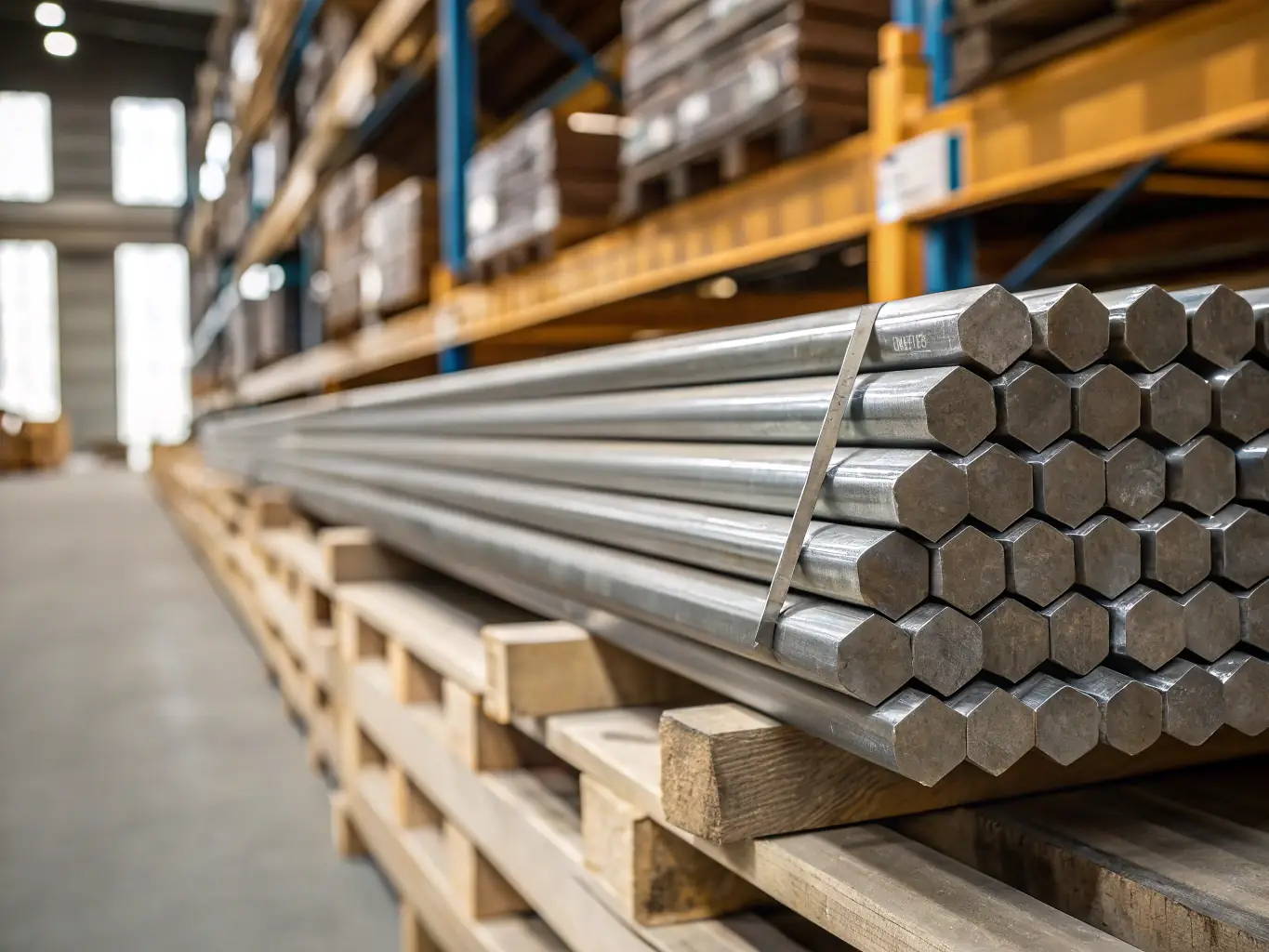
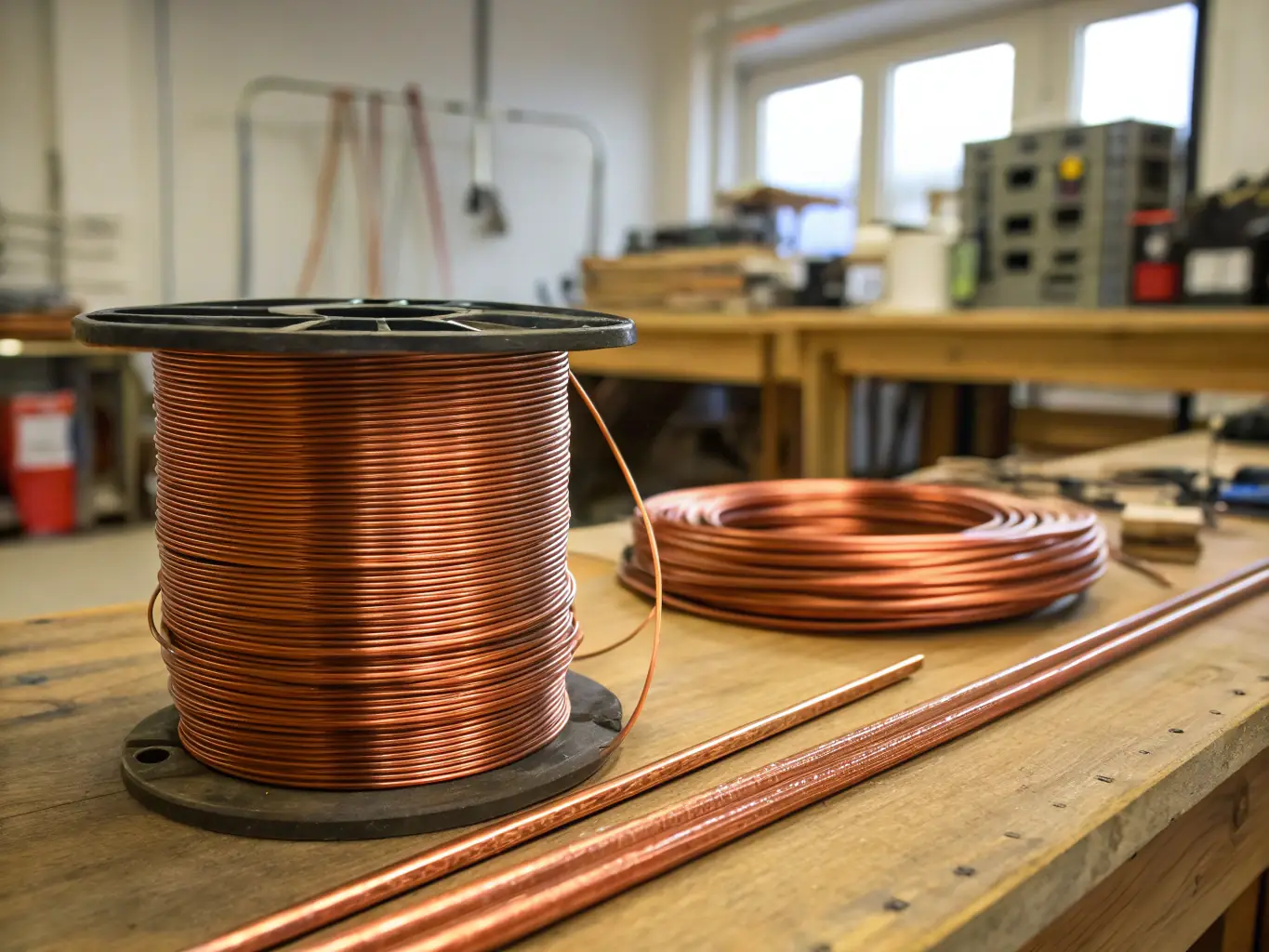
Wire drawing reduces metal rods to precise diameters by pulling them through dies. This process ensures consistent strength and flexibility for mesh and wire products.
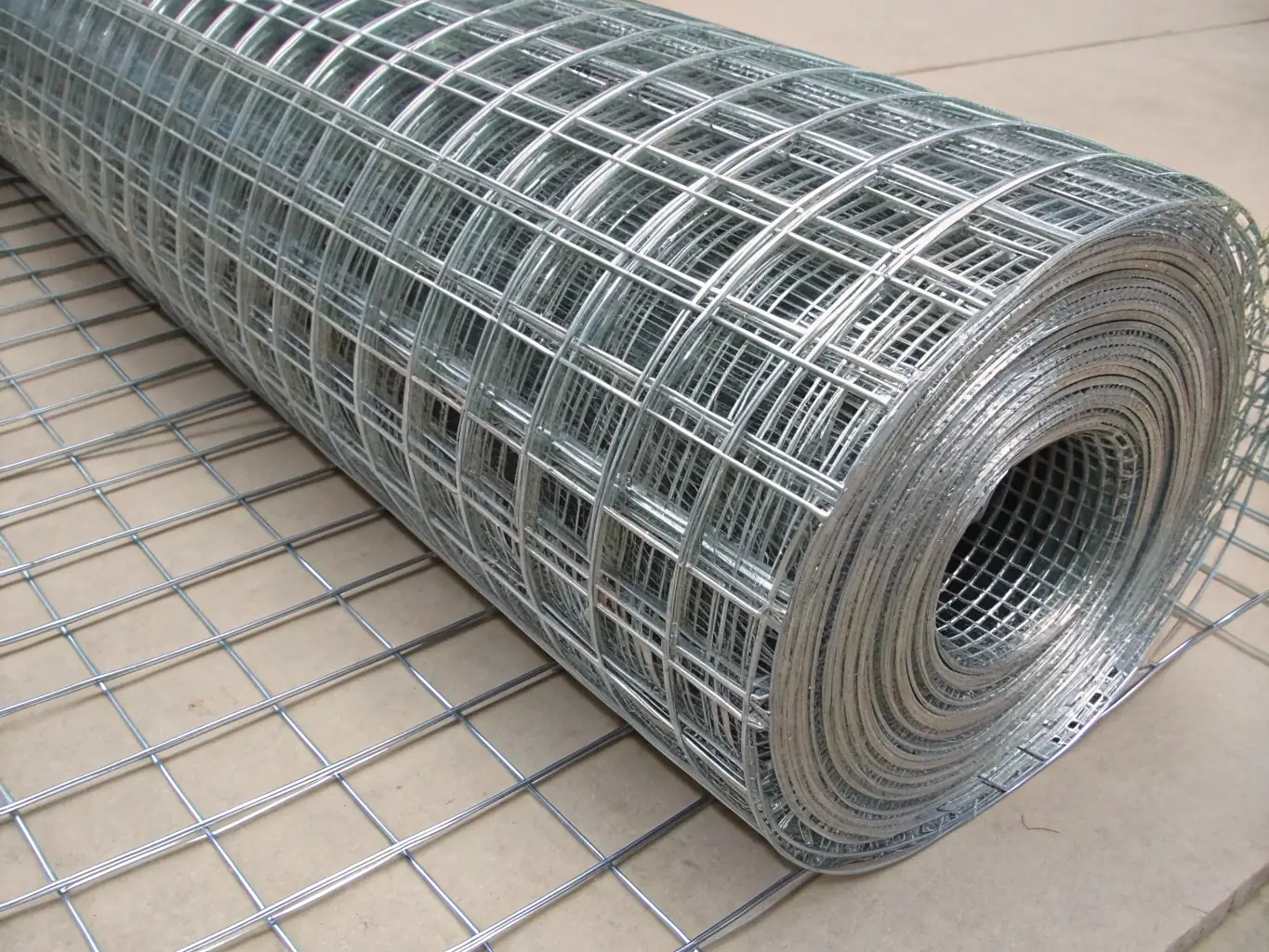
Weaving interlaces wires to form mesh patterns. Used for filtration, fencing, and architectural applications, it delivers uniform openings and robust structure.
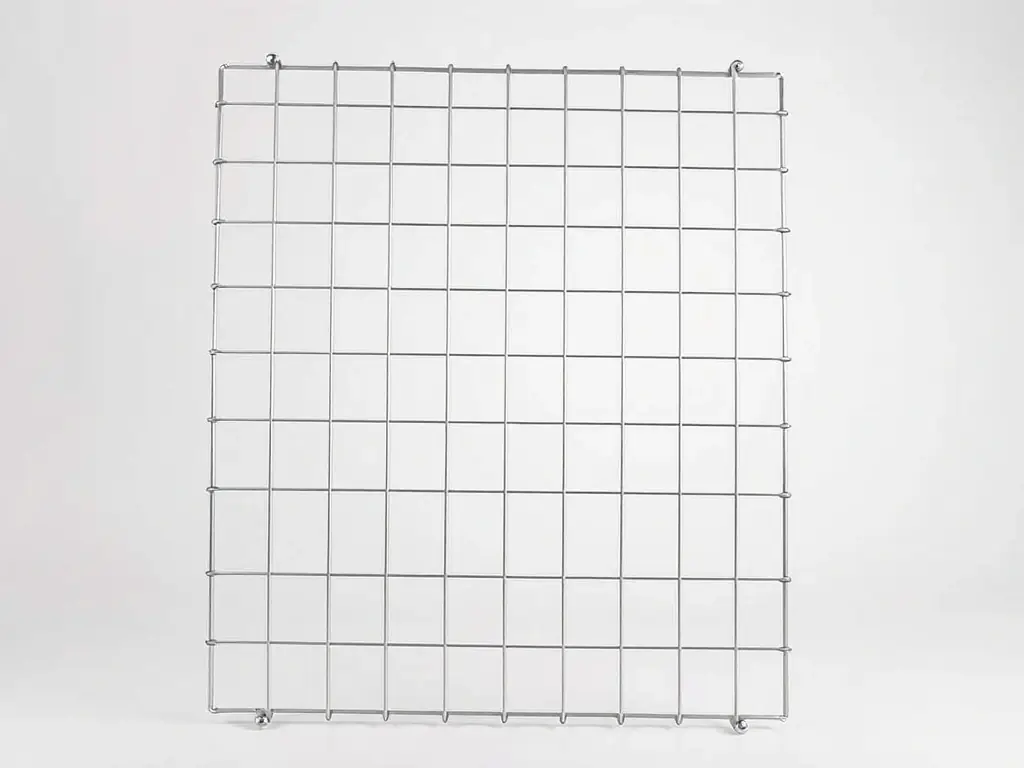
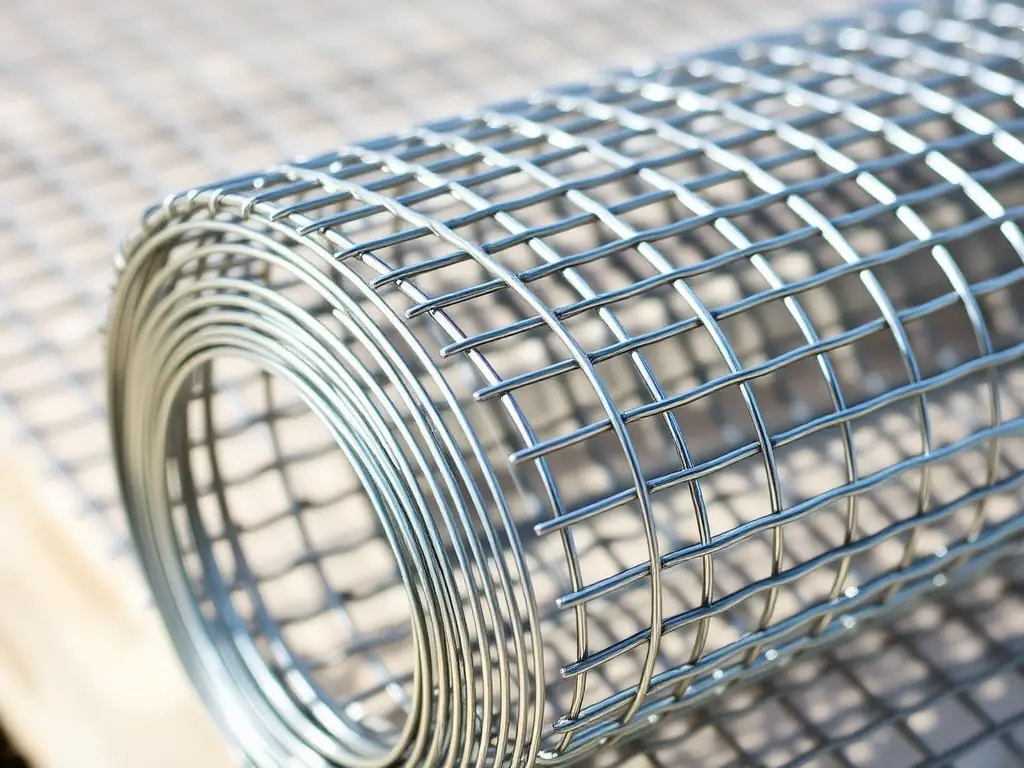
Welding joins metal wires or sheets using heat and pressure. Essential for creating strong, durable mesh panels and grating products.
Crimping shapes wire by forming ridges or bends, improving mesh stability and rigidity. Common in heavy-duty fencing and industrial screens.
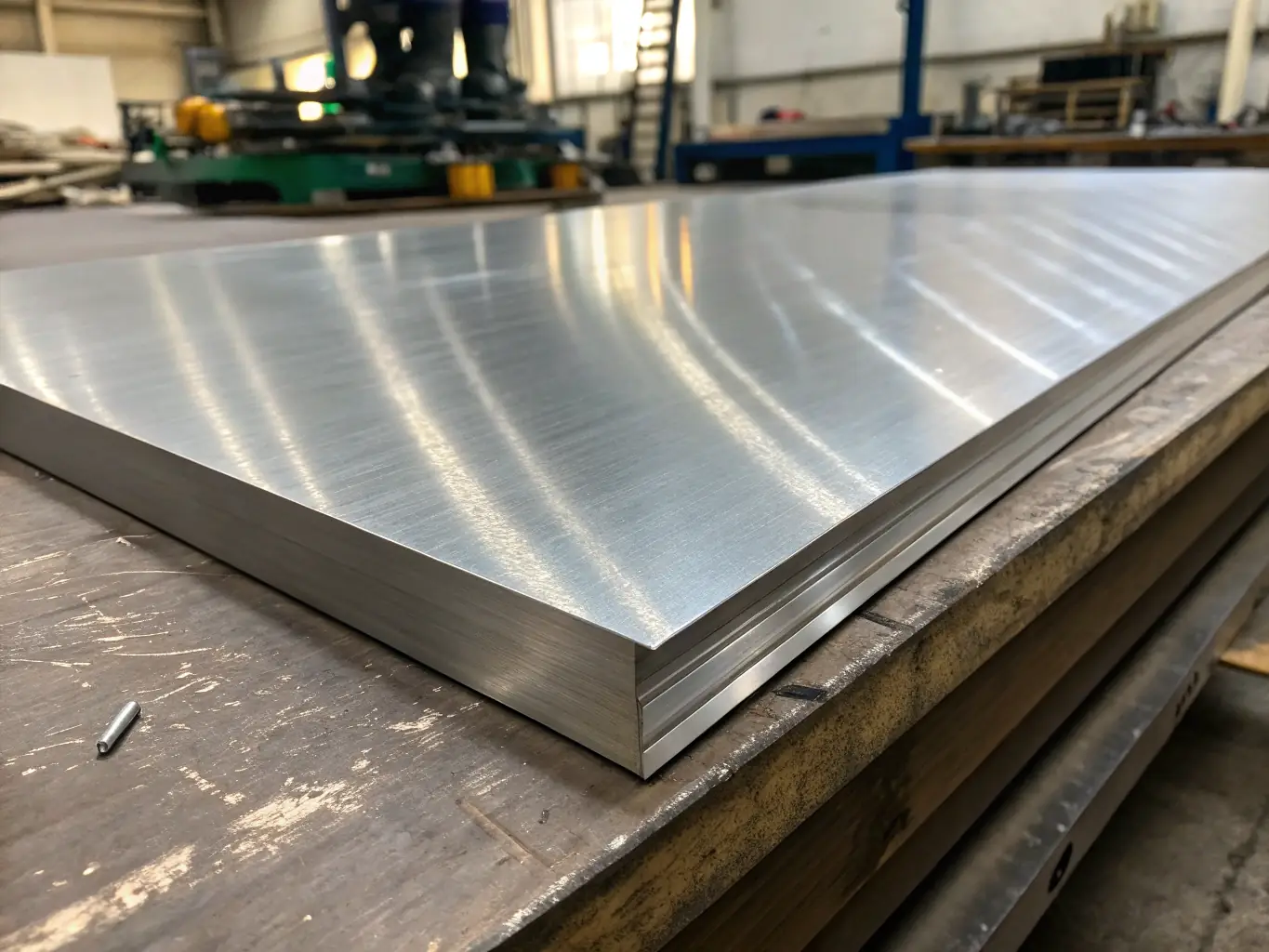
Perforating punches holes in metal sheets, creating patterns for filtration, ventilation, and decorative panels. Precision ensures optimal performance.
Expanding stretches metal sheets to form diamond-shaped openings. This process increases strength and reduces weight, ideal for walkways and security screens.
Galvanizing and coating protect metal from corrosion. Hot-dip galvanizing, PVC, and powder coatings ensure long-lasting durability in harsh environments.
© 2026 Mutual Metal. All rights reserved.