What Is Wire Mesh?
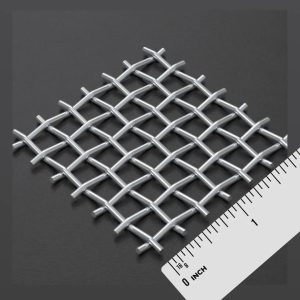
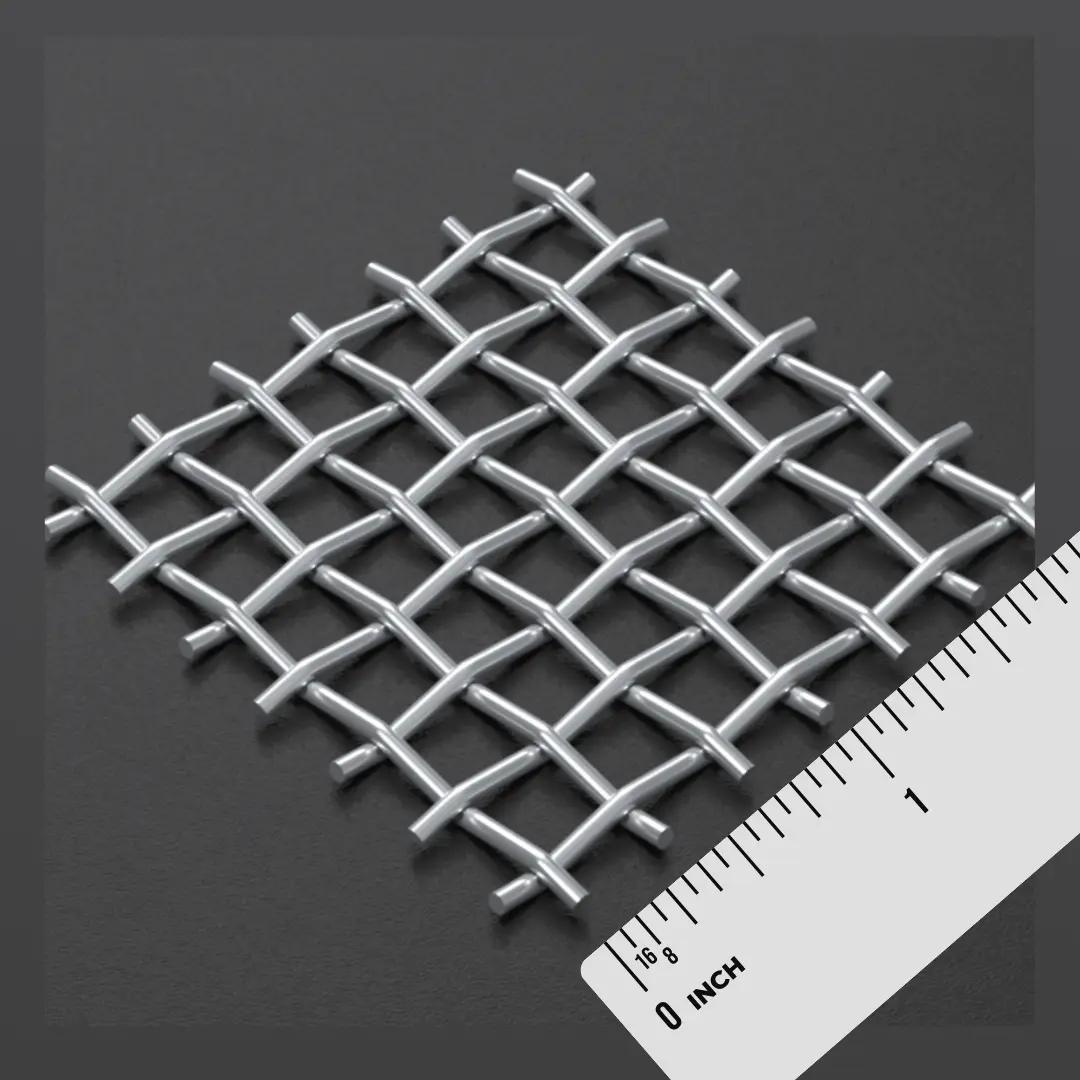
Wire mesh is a versatile industrial material manufactured by weaving or welding metal wires into a uniform pattern. It is widely used in filtration, screening, protection, reinforcement, architectural design, and industrial processing.
The performance of wire mesh depends on several factors, including material type, mesh opening, wire diameter, and manufacturing method.
Step 1: Select the Right Material
The material determines corrosion resistance, strength, durability, and cost.
Stainless Steel Wire Mesh
Suitable for:
- Filtration
- Food processing
- Chemical industries
- Marine environments
Advantages:
- Excellent corrosion resistance
- Long service life
- High temperature resistance
Galvanized Steel Wire Mesh
Suitable for:
- Agriculture
- Construction
- General industrial use
Advantages:
- Cost-effective
- Good corrosion protection
- Durable outdoor performance
PVC Coated Wire Mesh
Suitable for:
- Fencing
- Landscaping
- Agricultural applications
Advantages:
- Additional corrosion protection
- Attractive appearance
- Extended service life
H2 Step 2: Determine the Required Mesh Size
Mesh size refers to the number of openings per linear inch.
Smaller openings:
- Better filtration
- Higher precision
- Reduced airflow
Larger openings:
- Greater visibility
- Improved ventilation
- Lower weight
Example applications:
| Application | Recommended Mesh |
|---|---|
| Fine Filtration | 80–400 Mesh |
| Insect Screening | 16–20 Mesh |
| Security Guarding | 2–10 Mesh |
| Agricultural Fencing | Large Openings |
H2 Step 3: Consider Wire Diameter
Wire diameter affects:
- Strength
- Rigidity
- Load capacity
- Service life
Thicker wires provide:
- Higher strength
- Better impact resistance
Thinner wires provide:
- Greater open area
- Improved flow characteristics
Step 4: Match the Manufacturing Method
H3 Woven Wire Mesh
Produced by interweaving wires.
Best for:
- Filtration
- Screening
- Precision industrial applications
H3 Welded Wire Mesh
Produced by welding wires at intersections.
Best for:
- Construction
- Security fencing
- Industrial enclosures
H2 Step 5: Evaluate Environmental Conditions
Consider:
Indoor Applications
Often suitable for galvanized steel.
Outdoor Applications
Require enhanced corrosion protection.
Marine Environments
Usually require stainless steel grades such as 316.
High Temperature Environments
Require heat-resistant stainless steel materials.
H2 Common Wire Mesh Applications
Filtration
Precise particle separation and screening.
Architecture
Decorative panels and facades.
Agriculture
Animal enclosures and crop protection.
Industrial Processing
Screening, separation, and protection systems.
Security
Perimeter fencing and machine guarding.
H2 How to Choose the Best Wire Mesh
Before selecting wire mesh, evaluate:
✔ Material
✔ Mesh opening
✔ Wire diameter
✔ Manufacturing method
✔ Environmental conditions
✔ Industry requirements
Selecting the correct combination ensures optimal performance and long-term value.