Learn the key factors—span, bearing bar depth, spacing, and load type—used to calculate bar grating load capacity per NAAMM MBG‑531, with a disclaimer to consult a licensed structural engineer.
Read More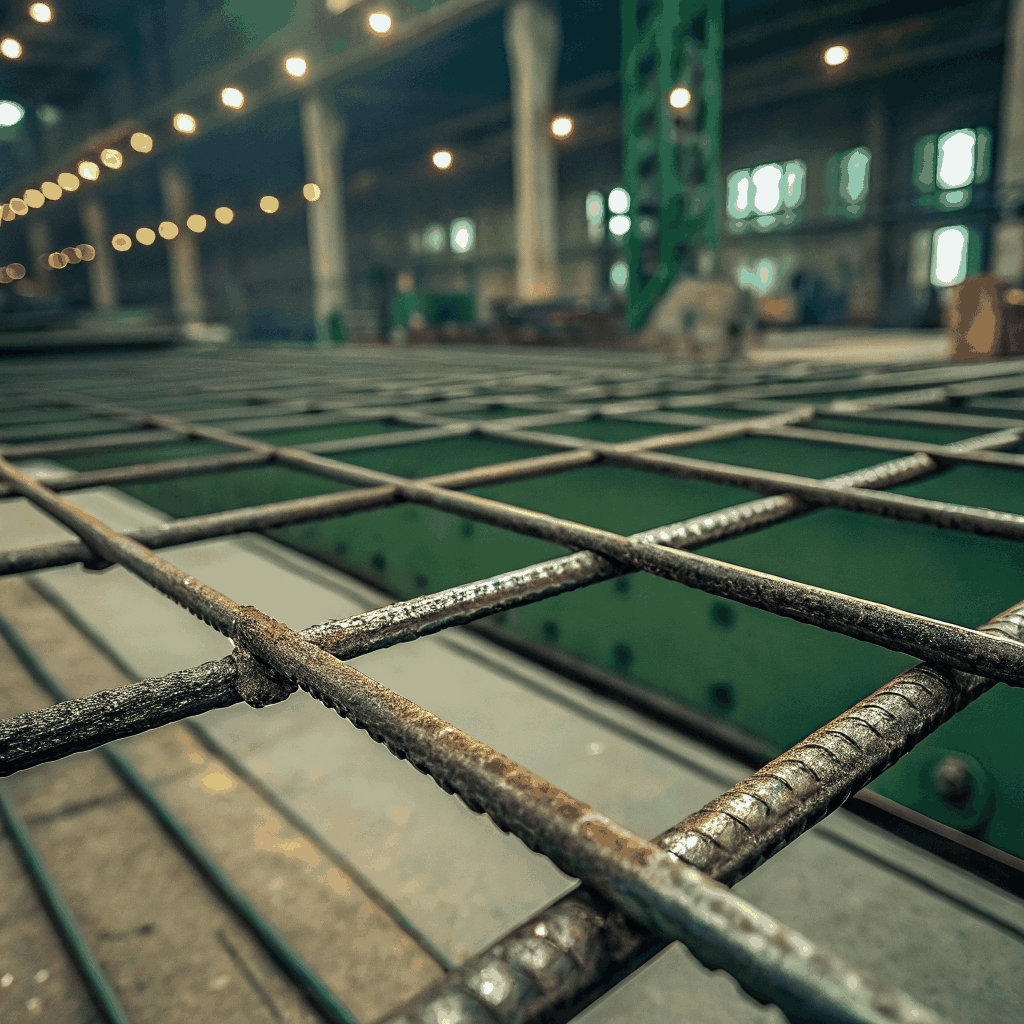
Learn the key factors—span, bearing bar depth, spacing, and load type—used to calculate bar grating load capacity per NAAMM MBG‑531, with a disclaimer to consult a licensed structural engineer.
Read More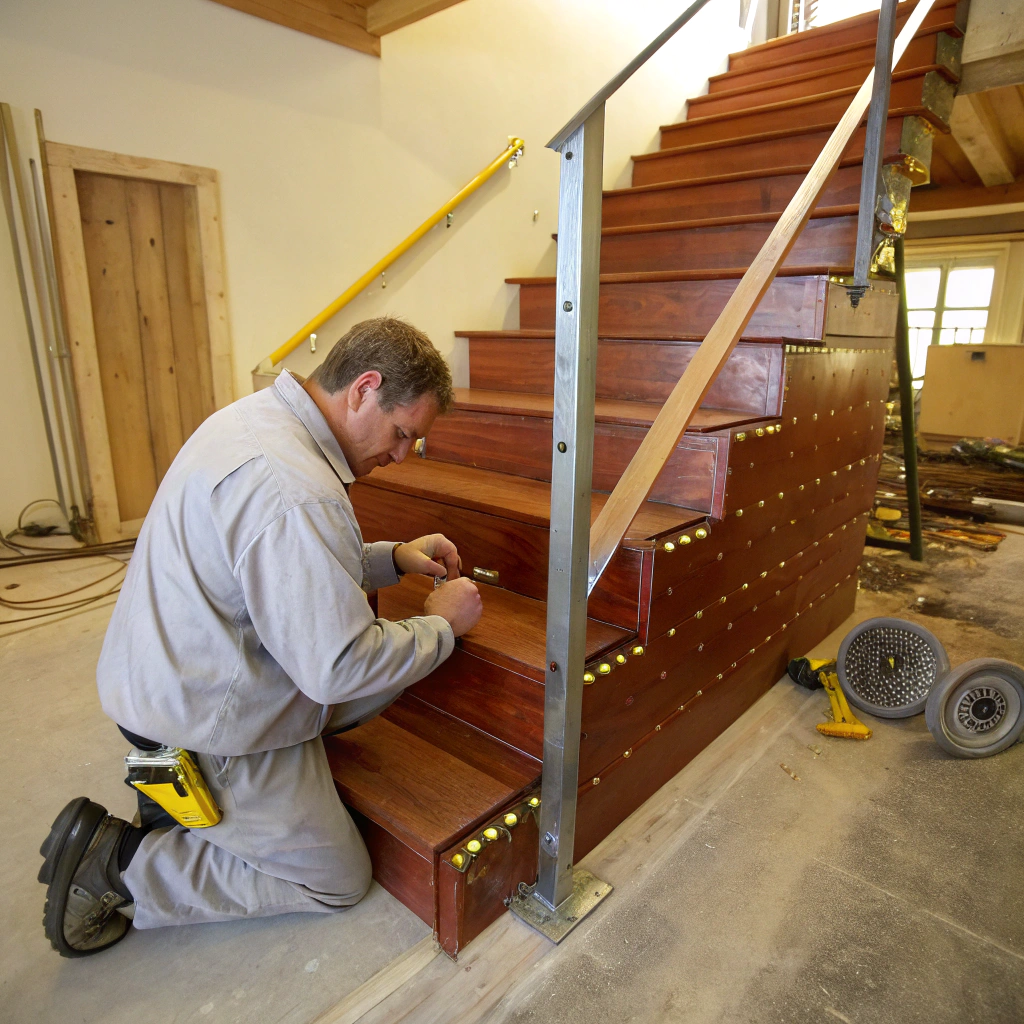
Step‑by‑step guidance for installing bar‑grating stair treads, covering bracket mounting, alignment, and best‑practice tips for installers and facility managers.
Read More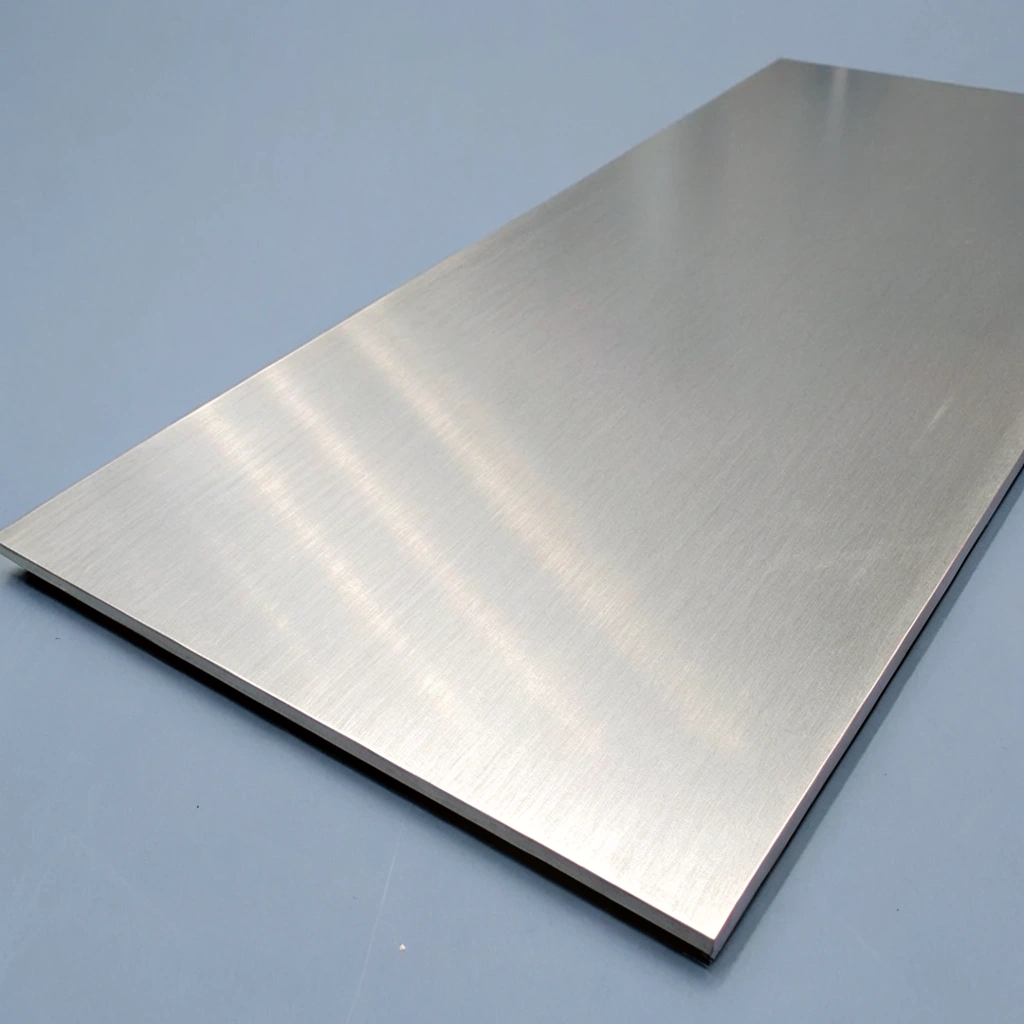
Learn how ASTM A36, A240, and B209 guide the specification, quality, and compliance of perforated metal products for engineering and procurement professionals.
Read More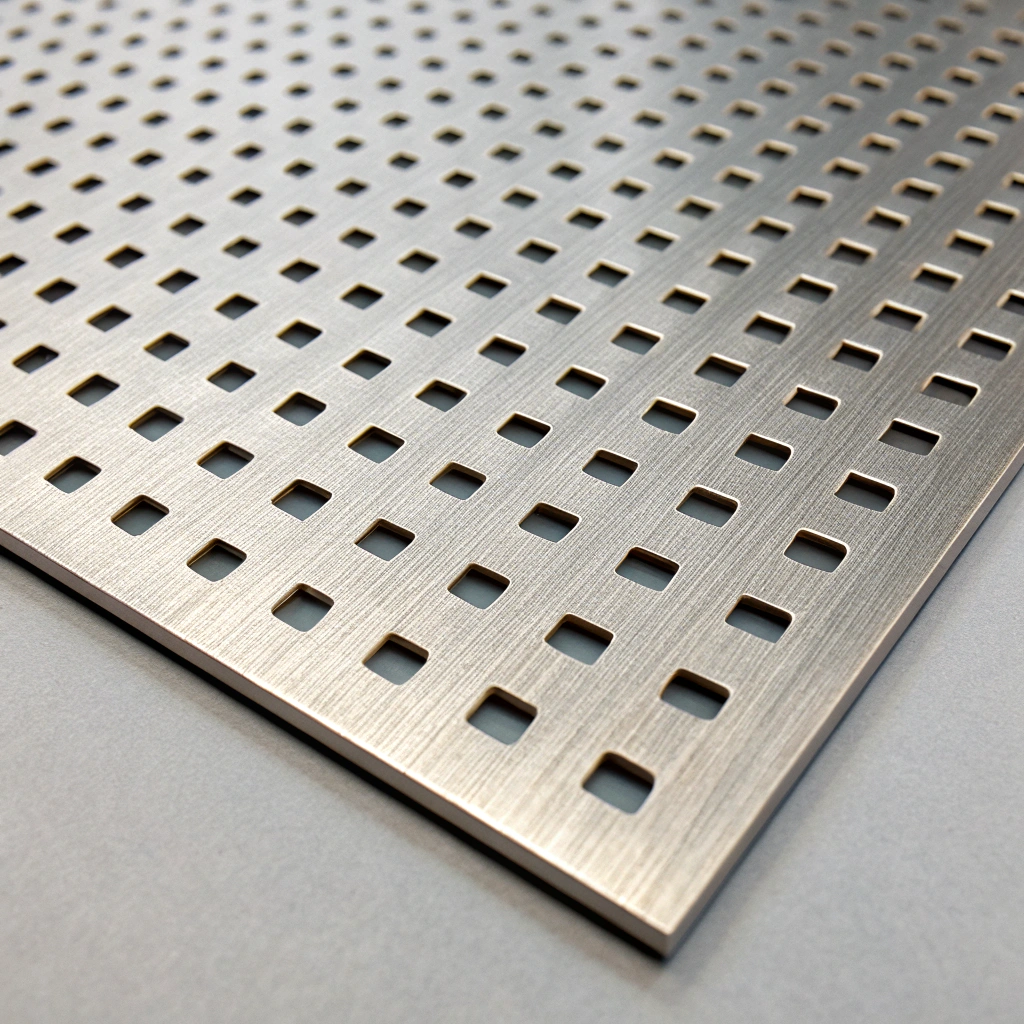
Understanding how open area percentage influences airflow, light transmission, visibility, and structural strength helps engineers specify the optimal perforated or expanded metal for each application.
Read More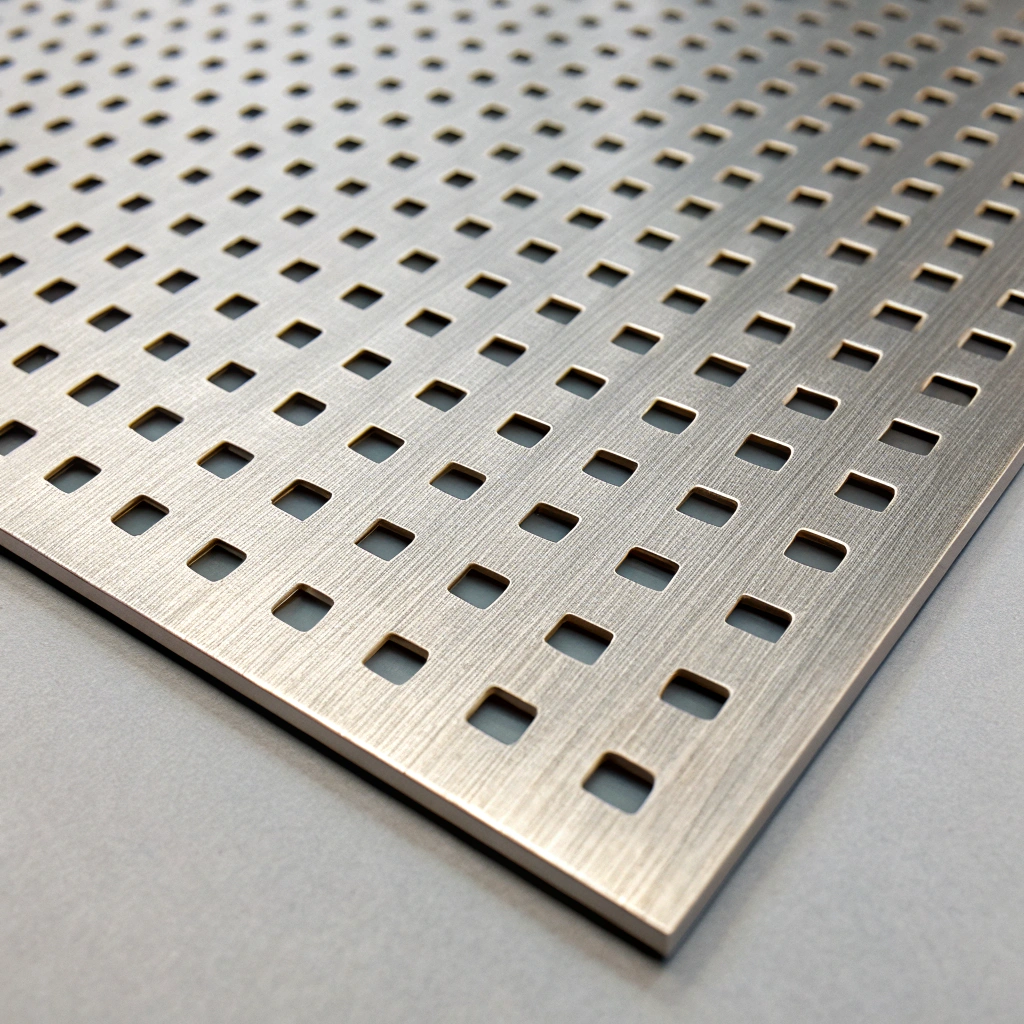
Learn step‑by‑step how engineers and procurement professionals reference ASTM standards such as A36, A240, and B209 when drafting perforated metal specifications or RFQs.
Read More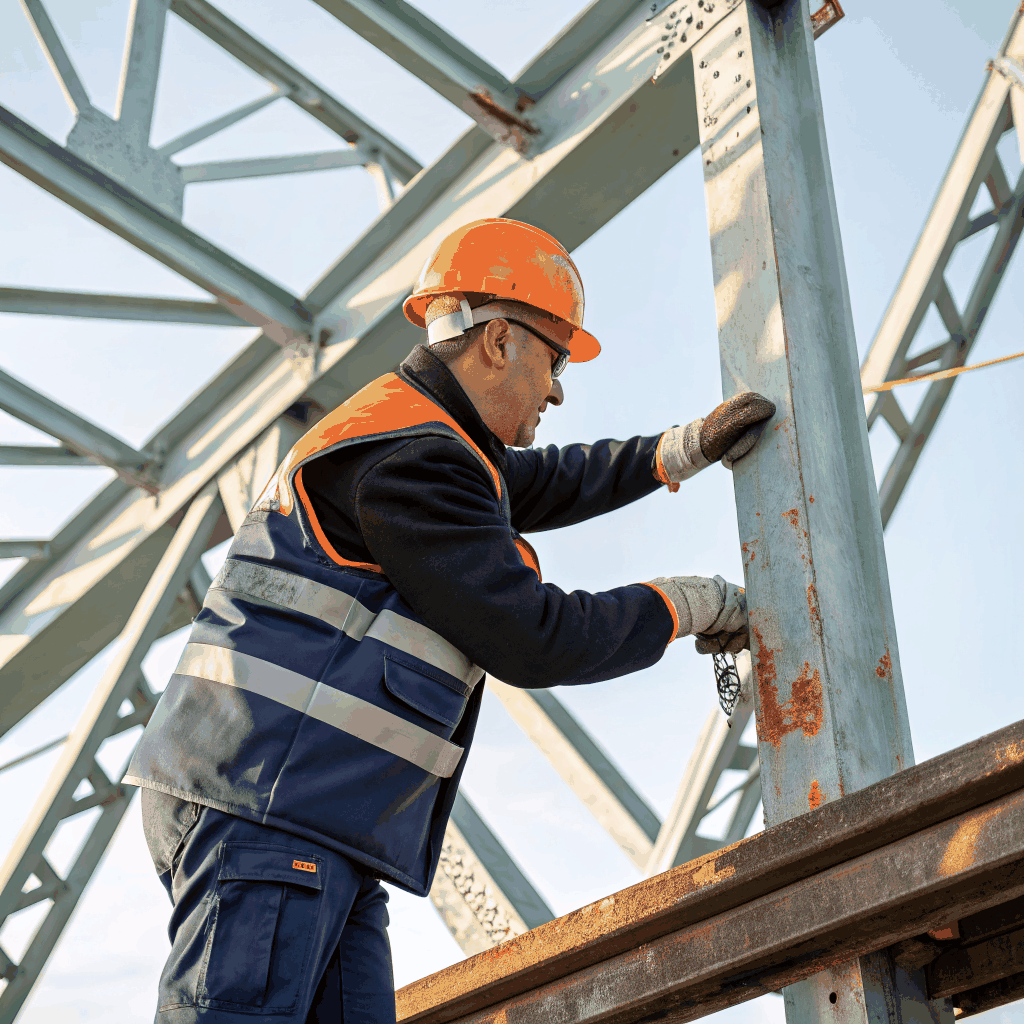
Practical, step‑by‑step guidance for facility managers on cleaning, inspecting, and touching up hot‑dip galvanized perforated metal, expanded metal, and bar grating to extend service life.
Read More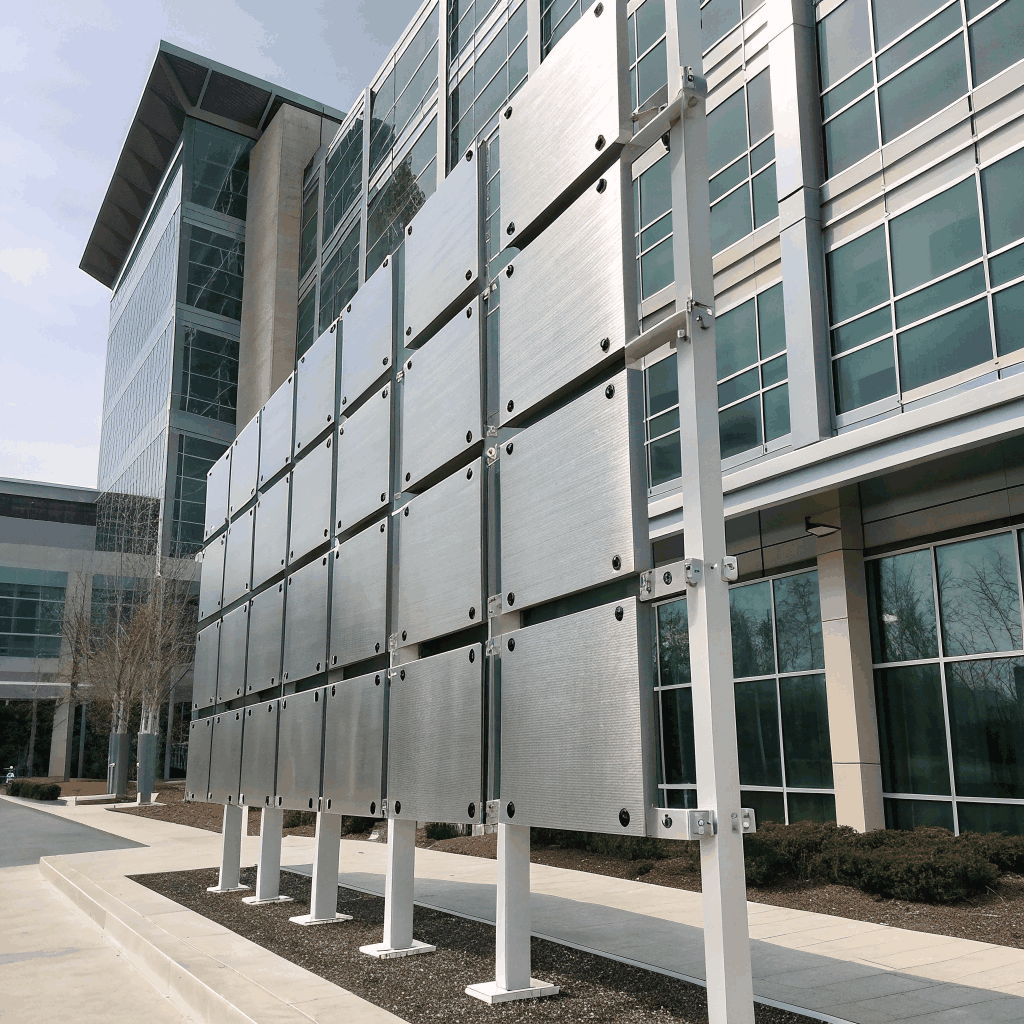
Choosing the right finish for outdoor metal components is critical to durability, corrosion resistance, and maintenance; this guide explains how to evaluate galvanizing, powder coating, stainless steel, and mill‑finish aluminum for exposed environments.
Read More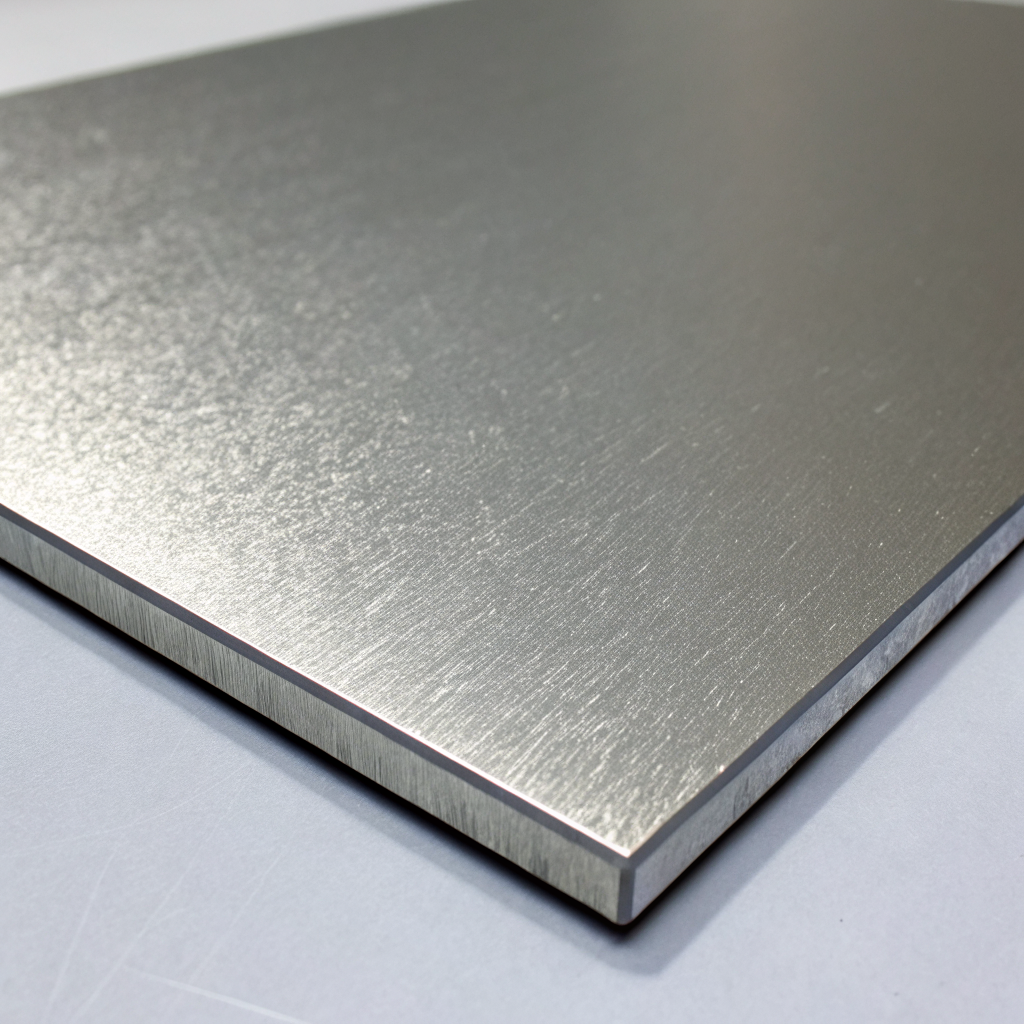
Compare hot‑dip galvanizing and powder coating on steel in terms of durability, appearance, cost, and ideal applications to help specifiers choose the right finish.
Read More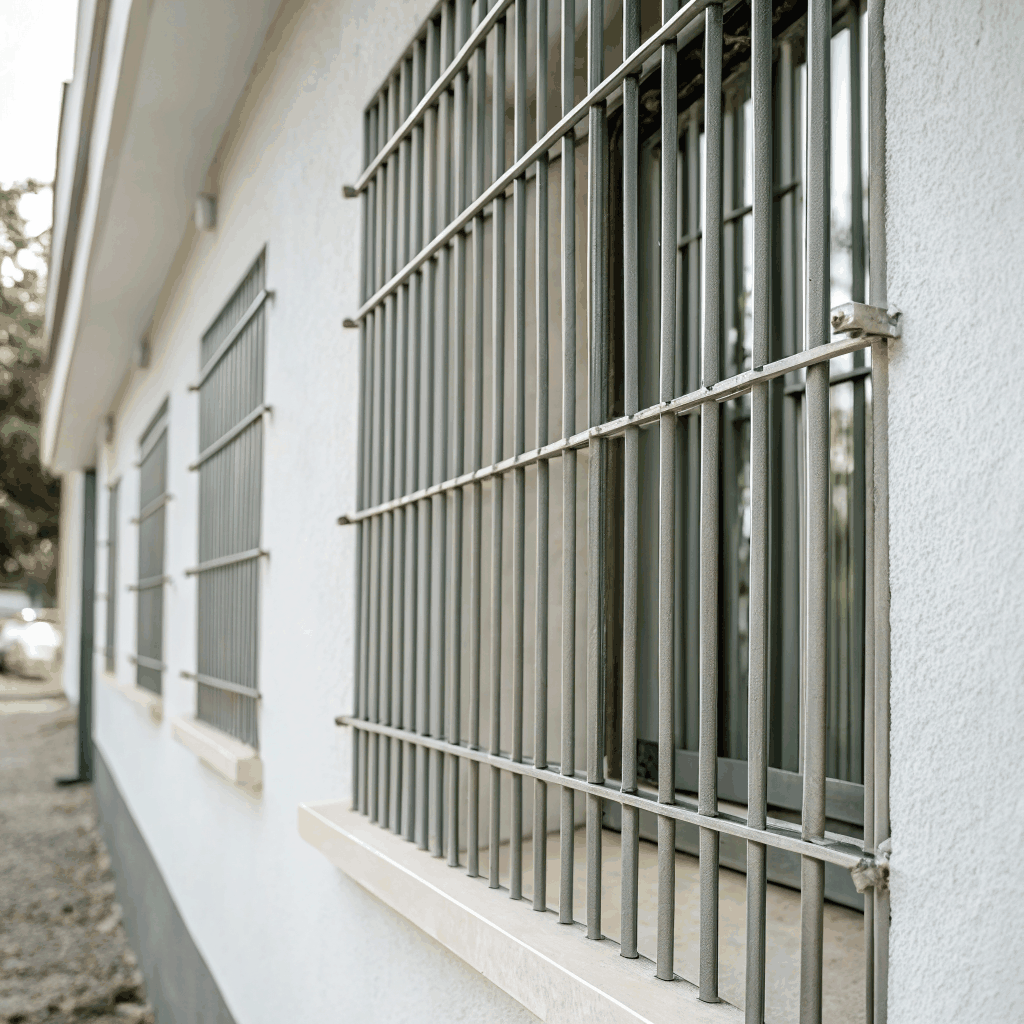
Guidance on selecting bearing bar size, spacing, and surface finish (serrated recommended) for pedestrian walkways, with a disclaimer to verify load ratings with a structural engineer.
Read More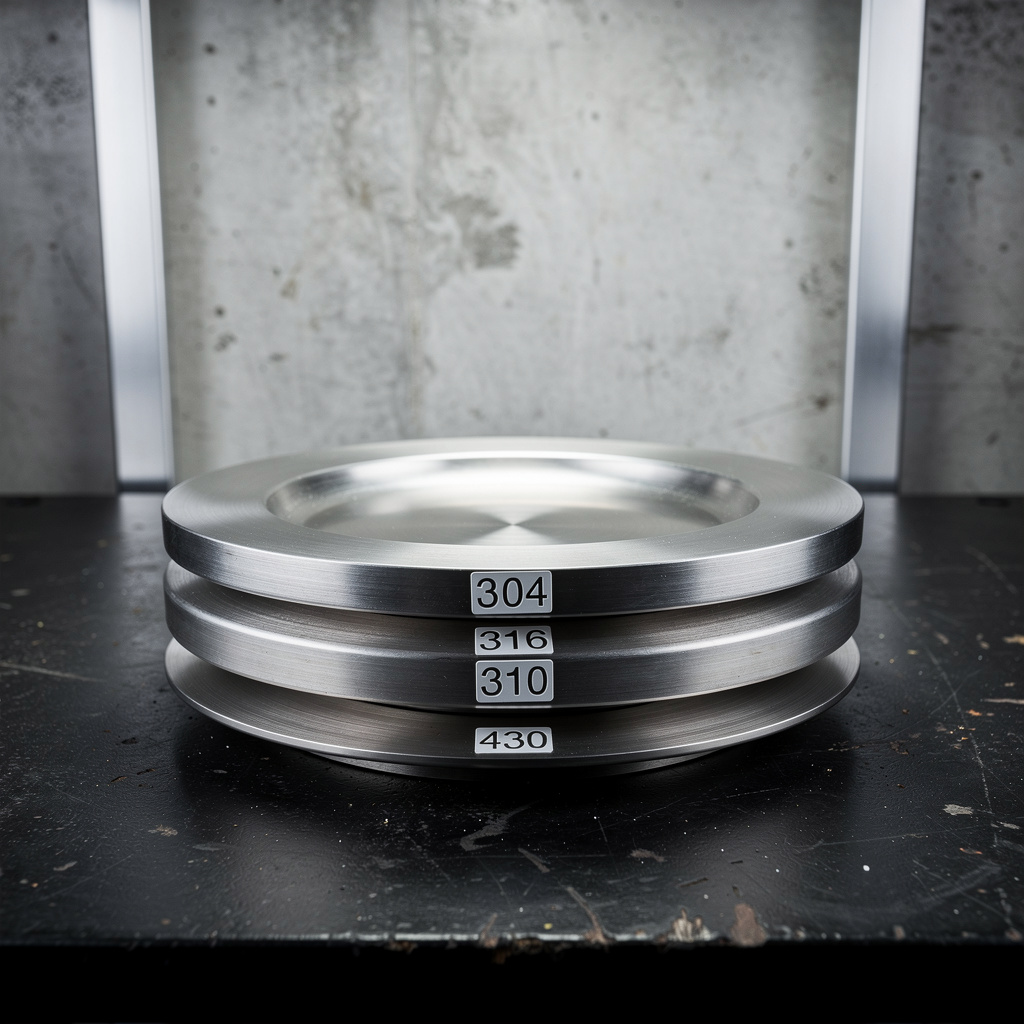
Explore the key differences between 304 and 316 stainless steel for perforated metal, focusing on corrosion resistance, cost, and ideal applications to help engineers and buyers choose the right grade.
Read More