Introduction
Warehouses and logistics centers play a critical role in modern supply chains. From inventory storage and order fulfillment to transportation coordination and distribution operations, these facilities often contain valuable goods, equipment, and infrastructure that require effective perimeter protection.
As warehouse footprints continue to expand and distribution networks become increasingly complex, facility managers are placing greater emphasis on perimeter security. A properly selected fence not only helps deter unauthorized access but also supports operational efficiency, access control, asset protection, and regulatory compliance.
However, not all fencing systems are suitable for warehouse environments. Factors such as site size, traffic flow, visibility requirements, security risks, maintenance expectations, and environmental conditions should all influence the selection process.
This guide explores the key considerations for choosing the right fence for warehouses and logistics centers and compares the most commonly specified fencing solutions.
Understanding Security Challenges in Warehouse Facilities
Warehouses and logistics centers face several security challenges that differ from those of office buildings or retail properties.
Common concerns include:
- Theft of inventory and equipment
- Unauthorized vehicle access
- Trespassing after operating hours
- Cargo theft during loading and unloading
- Vandalism and property damage
- Protection of critical infrastructure
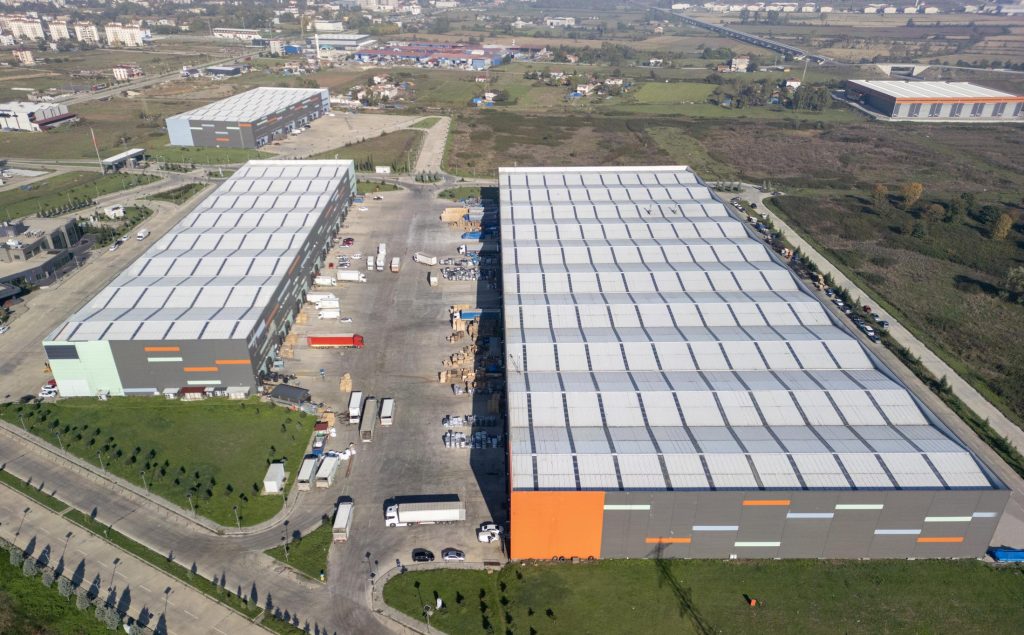
Unlike many commercial properties, logistics facilities typically operate across large areas with multiple access points, making perimeter security a fundamental part of site management.
Warehouse Security Requirements
| Security Requirement | Importance |
|---|---|
| Perimeter Protection | Prevent unauthorized entry |
| Visibility | Maintain clear sight lines for monitoring |
| Vehicle Access Control | Secure entry and exit points |
| Durability | Withstand daily operational conditions |
| Low Maintenance | Reduce lifecycle costs |
| Scalability | Support future facility expansion |
| Integration with Security Systems | Cameras, sensors, and access control |
Key Factors When Selecting a Warehouse Fence
Security Level
The first step is assessing the level of protection required.
Questions to consider include:
- What type of inventory is stored?
- Is the facility operating 24/7?
- Are high-value products present?
- Are there previous incidents of theft or intrusion?
Facilities storing consumer goods may require standard security fencing, while pharmaceutical, electronics, or bonded warehouses may require higher-security solutions.
Visibility Requirements
Security personnel and surveillance systems rely on visibility.
An ideal warehouse fence should:
- Allow unobstructed camera views
- Support perimeter patrols
- Reduce hidden areas
- Enable quick identification of intrusions
Open mesh fencing systems generally perform better than solid barriers in warehouse environments.
Vehicle Traffic Flow
Warehouse operations depend on the movement of trucks, trailers, forklifts, and service vehicles.
Fence design should accommodate:
- Main entrances
- Employee access points
- Emergency access routes
- Truck staging areas
- Loading dock operations
The fencing system should work together with gates and access control systems rather than becoming an operational obstacle.
Long-Term Maintenance
Large logistics facilities often have extensive perimeter lengths.
Even small maintenance costs can accumulate significantly over time.
Factors affecting maintenance include:
- Corrosion resistance
- Coating quality
- Environmental exposure
- Mechanical damage risks
Galvanized and coated fencing systems generally offer the best lifecycle value.
Common Fence Types for Warehouses and Logistics Centers
Chain Link Fence
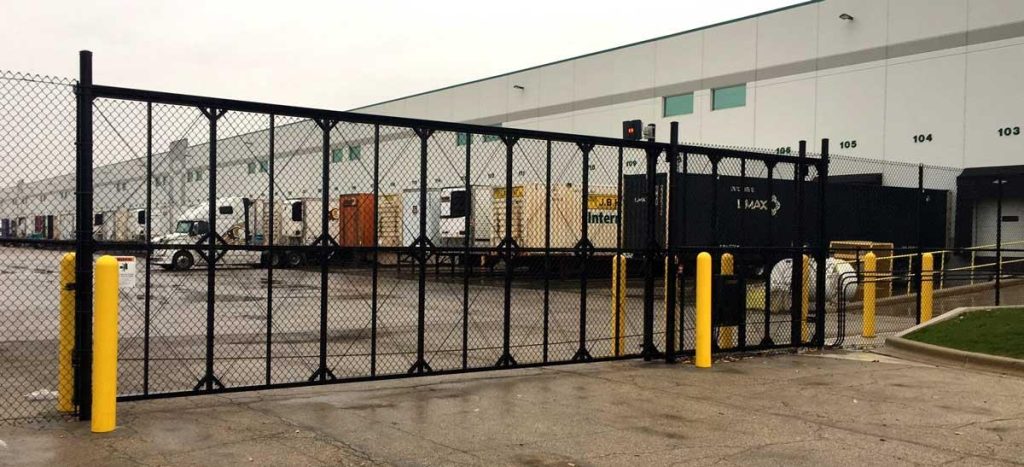
Chain link fencing remains one of the most widely used perimeter solutions for warehouses.
Advantages
- Cost-effective
- Fast installation
- Excellent visibility
- Easy expansion and repair
- Suitable for large perimeters
Limitations
- Lower anti-climb performance
- Less rigid structure
- Industrial appearance
Chain link fencing is often suitable for:
- Standard warehouses
- Distribution yards
- Storage facilities
- Freight terminals
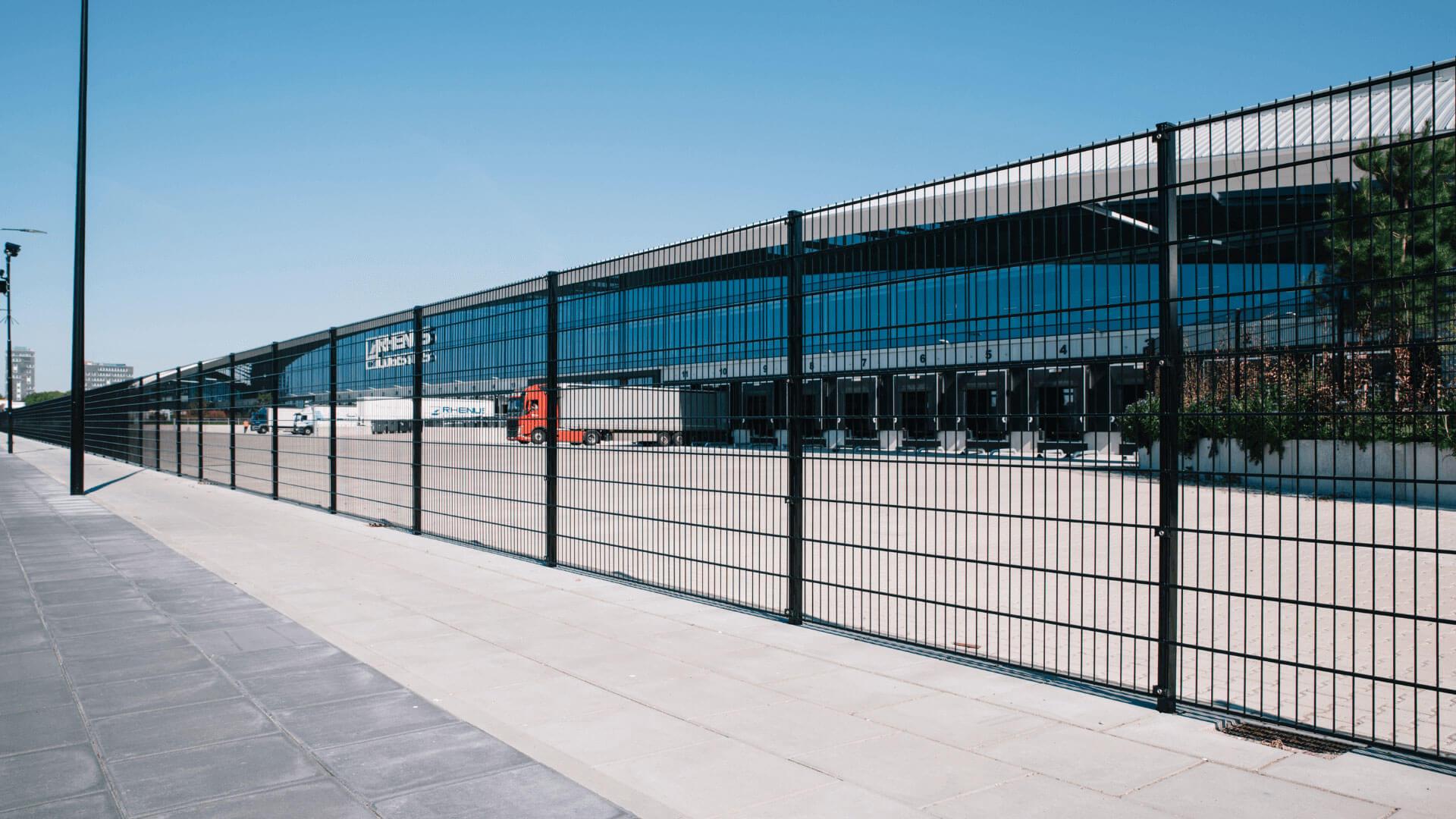
Welded Wire Fence
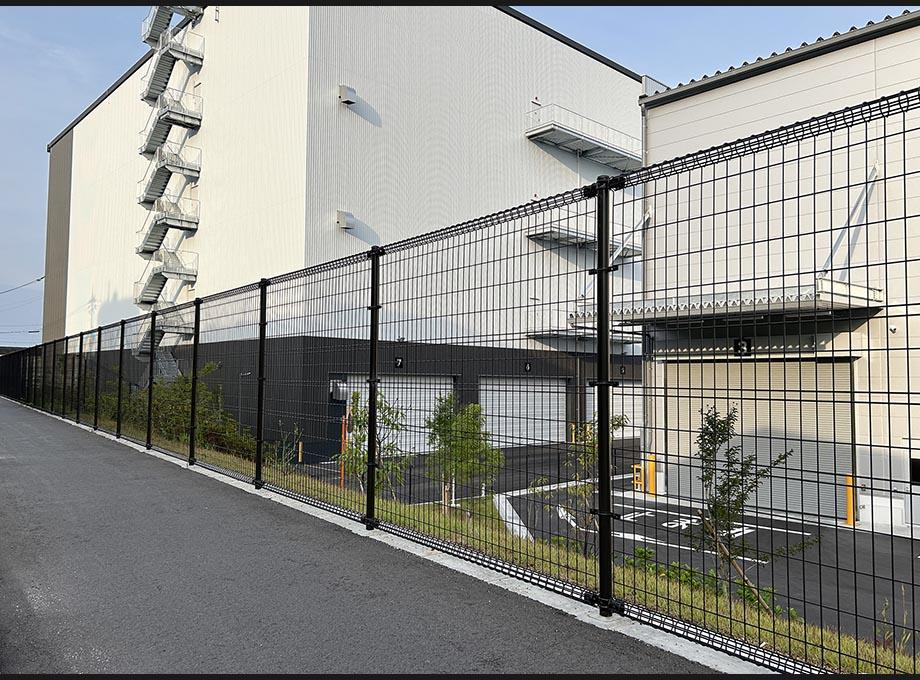
Welded wire fence provides a stronger and more visually appealing alternative.
Advantages
- Rigid panel construction
- Enhanced security
- Professional appearance
- Better anti-climb performance
- Long service life
Limitations
- Higher initial investment
- More complex panel replacement
Welded wire fencing is commonly used for:
- Modern logistics parks
- Regional distribution centers
- Corporate warehouse campuses
- High-traffic industrial facilities
358 High-Security Fence
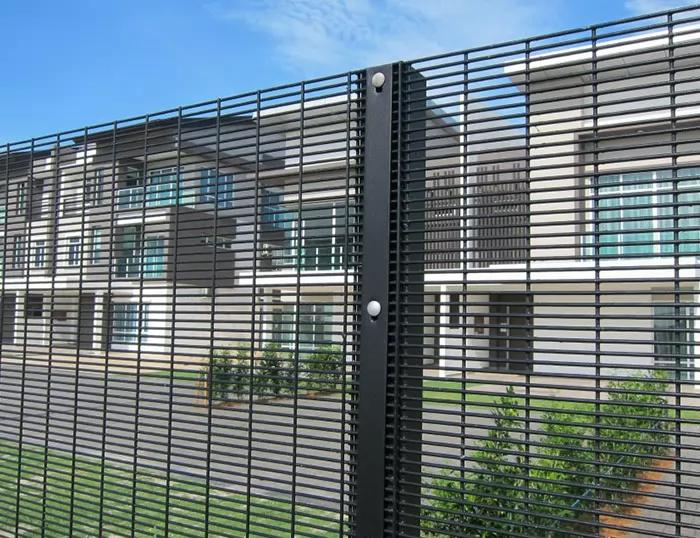
For facilities requiring advanced protection, 358 security fencing is often the preferred solution.
Advantages
- Anti-climb design
- Anti-cut performance
- High visibility
- Excellent compatibility with surveillance systems
Typical Applications
- High-value inventory storage
- Pharmaceutical warehouses
- Data centers
- Customs-controlled facilities
- Critical infrastructure
Fence Type Comparison Table
| Feature | Chain Link Fence | Welded Wire Fence | 358 Security Fence |
|---|---|---|---|
| Initial Cost | Low | Medium | High |
| Visibility | Excellent | Excellent | Excellent |
| Durability | Good | Excellent | Excellent |
| Anti-Climb Performance | Moderate | Good | Excellent |
| Appearance | Functional | Professional | Professional |
| Maintenance | Low | Low | Low |
| Security Level | Standard | Enhanced | High Security |
Recommended Specifications for Logistics Facilities
| Facility Type | Fence Height | Recommended Fence |
|---|---|---|
| Small Warehouse | 1.8 m | Chain Link Fence |
| Distribution Center | 2.0–2.4 m | Welded Wire Fence |
| Logistics Park | 2.4 m | Heavy-Duty Welded Wire Fence |
| Freight Terminal | 2.4–3.0 m | Welded Wire or 358 Fence |
| Pharmaceutical Warehouse | 3.0 m | 358 Security Fence |
| Customs-Controlled Facility | 3.0–4.0 m | 358 Security Fence |
Selecting the Right Fence Coating
Environmental conditions have a significant impact on fence longevity.
Hot-Dip Galvanized
Suitable for:
- Inland industrial facilities
- Dry climates
- General warehouse applications
Powder Coated
Suitable for:
- Corporate logistics parks
- Commercial developments
- Facilities requiring improved aesthetics
PVC Coated
Suitable for:
- Coastal regions
- High-humidity environments
- Aggressive industrial atmospheres
Facility Type Selection Guide
| Facility Type | Recommended Solution |
|---|---|
| Local Warehouse | Chain Link Fence |
| E-Commerce Fulfillment Center | Welded Wire Fence |
| Regional Distribution Hub | Heavy-Duty Welded Wire Fence |
| Cold Storage Facility | Welded Wire Fence |
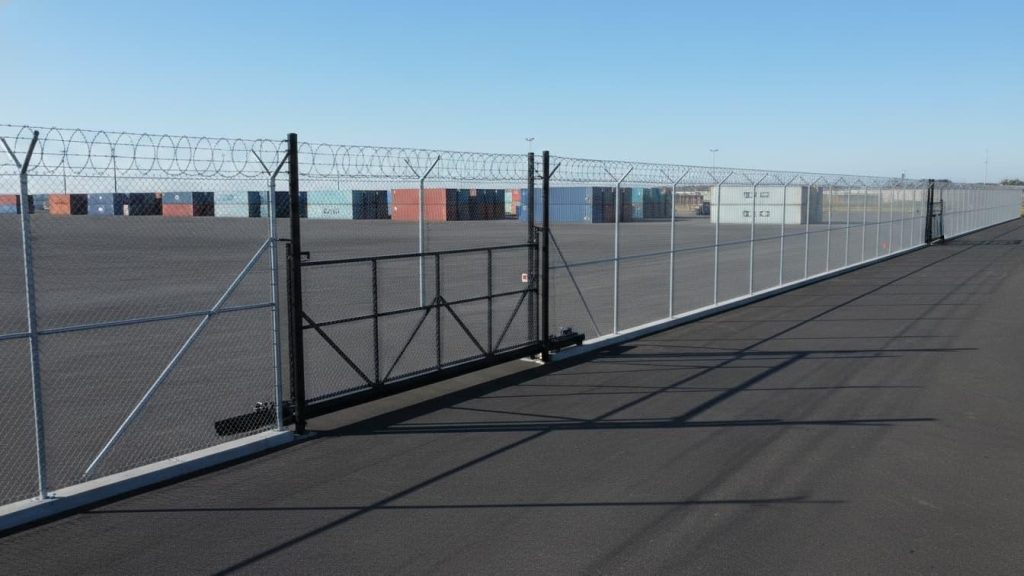
| Port Logistics Center | Galvanized Chain Link Fence |
| High-Value Goods Warehouse | 358 Security Fence |
| Customs Bonded Warehouse | 358 Security Fence |
Common Specification Mistakes
Choosing Based Only on Initial Cost
The lowest-cost fence may not provide adequate protection over the long term.
Underestimating Future Expansion
Warehouse facilities frequently expand as operations grow.
Selecting modular fencing systems can simplify future modifications.
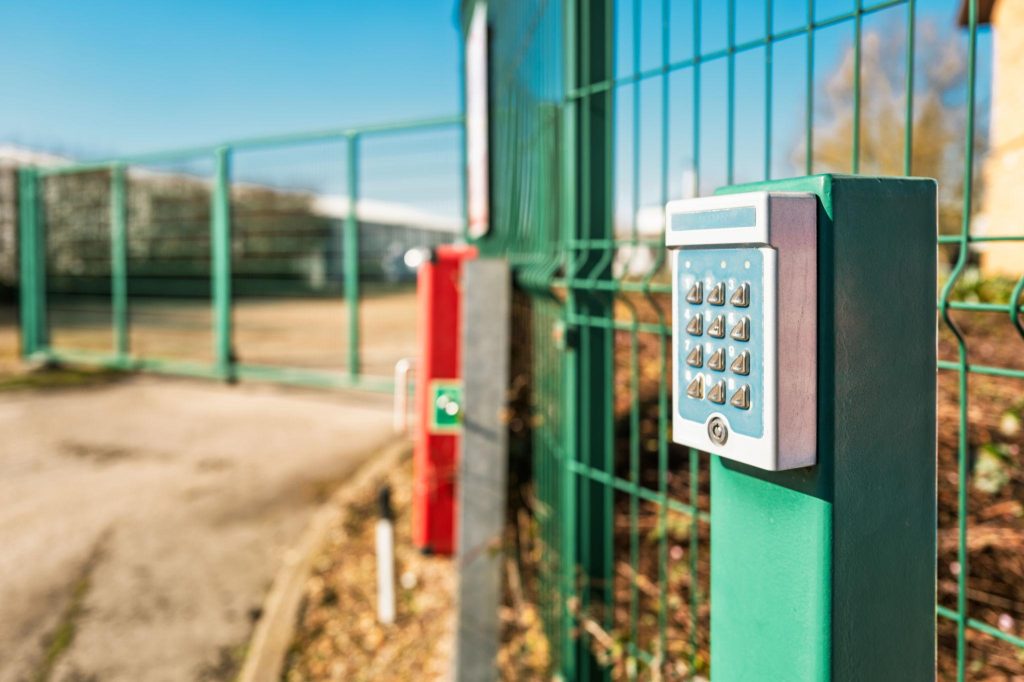
Ignoring Gate Design
Even the best perimeter fence becomes ineffective if gates create security vulnerabilities.
Gate systems should be designed as part of the overall perimeter security plan.
Selecting the Wrong Coating
Environmental conditions should always influence material and coating selection.
Conclusion
Choosing the right fence for a warehouse or logistics center requires balancing security, operational efficiency, durability, and long-term cost considerations.
For standard warehouse applications, chain link fencing remains a practical and economical solution. For facilities seeking improved appearance and enhanced security, welded wire fencing offers an excellent balance of performance and value. Where maximum perimeter protection is required, 358 high-security fencing provides industry-leading anti-climb and anti-intrusion capabilities.
By aligning fence specifications with facility requirements and future growth plans, warehouse operators can establish a secure perimeter that supports both safety and operational success.