Introduction
Concrete is one of the most widely used construction materials in the world, valued for its compressive strength, durability, and versatility. However, concrete has a natural weakness: it performs poorly under tensile stress and is susceptible to cracking caused by shrinkage, temperature changes, and applied loads.
To address these challenges, engineers incorporate reinforcement systems that improve structural performance and distribute stresses throughout the concrete element.
Among the available reinforcement methods, welded wire mesh has become a widely specified solution for slabs, pavements, foundations, walls, and infrastructure projects. Its consistent wire spacing, ease of installation, and reliable reinforcement characteristics make it an efficient alternative to traditional reinforcing bars in many applications.
This article examines how welded wire mesh is used in modern construction and highlights key considerations when selecting reinforcement mesh for concrete projects.
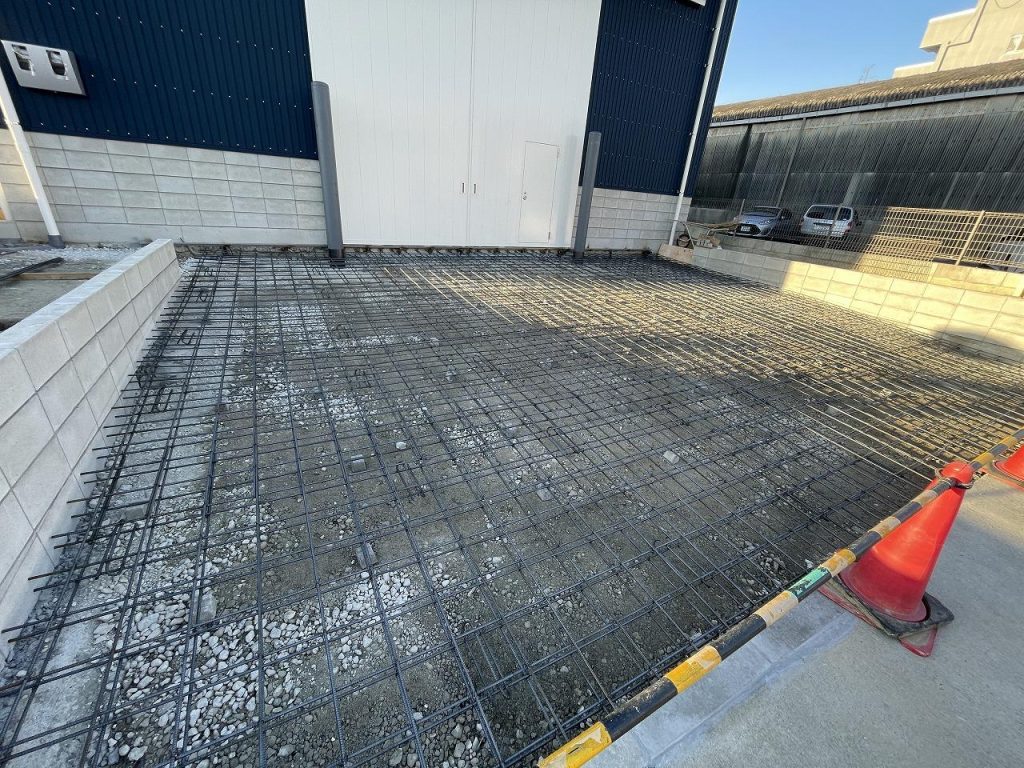
What Is Concrete Reinforcement Mesh?
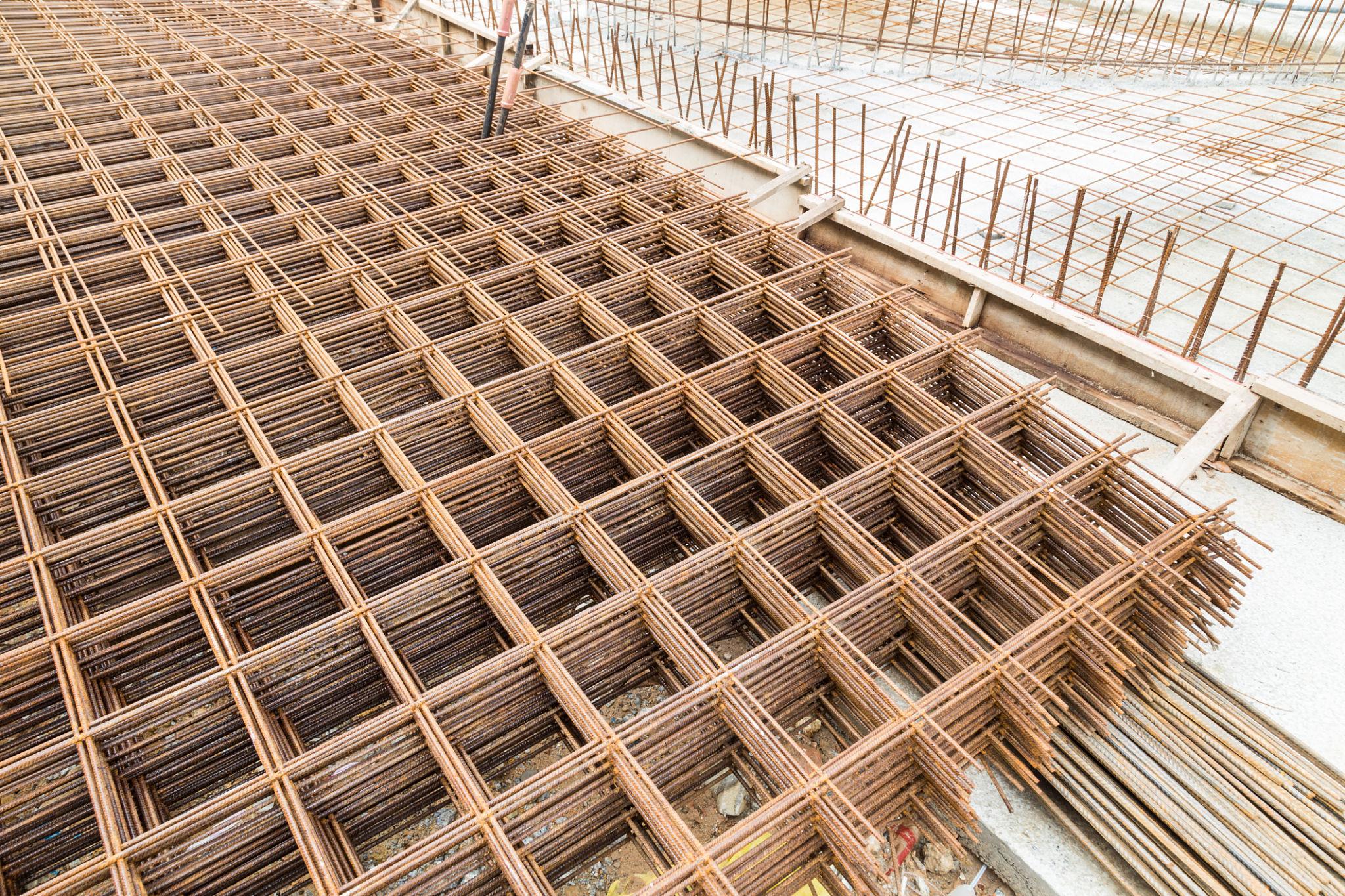
Concrete reinforcement mesh, often referred to as welded wire mesh or welded wire reinforcement (WWR), is manufactured by electrically welding steel wires together at precise intersections.
The resulting grid provides uniform reinforcement throughout the concrete section.
Typical characteristics include:
- Consistent wire spacing
- Uniform load distribution
- Fast installation
- Improved crack control
- Reduced labor requirements
Why Welded Wire Mesh Is Used in Concrete Construction
Crack Control
Concrete naturally shrinks during curing.
Reinforcement mesh helps:
- Control shrinkage cracking
- Limit crack width
- Improve durability
- Extend service life
Improved Load Distribution
Mesh reinforcement distributes loads more evenly throughout the concrete element.
Benefits include:
- Enhanced structural performance
- Better stress distribution
- Reduced localized failures
Faster Installation
Compared with individual reinforcing bars, welded wire mesh allows faster placement.
Contractors benefit from:
- Reduced labor costs
- Improved productivity
- Faster project completion
Consistent Reinforcement Coverage
Factory-welded mesh provides:
- Accurate spacing
- Uniform reinforcement
- Predictable performance
This improves quality control during construction.
Common Applications in Construction
Concrete Floor Slabs
One of the most common uses of welded wire mesh is reinforcing floor slabs.
Typical projects include:
- Warehouses
- Manufacturing facilities
- Commercial buildings
- Distribution centers
Benefits include:
- Crack control
- Improved durability
- Better load distribution
Pavements and Roadways
Concrete pavements experience:
- Vehicle loads
- Temperature fluctuations
- Settlement stresses
Welded wire mesh helps maintain structural integrity and minimize cracking.
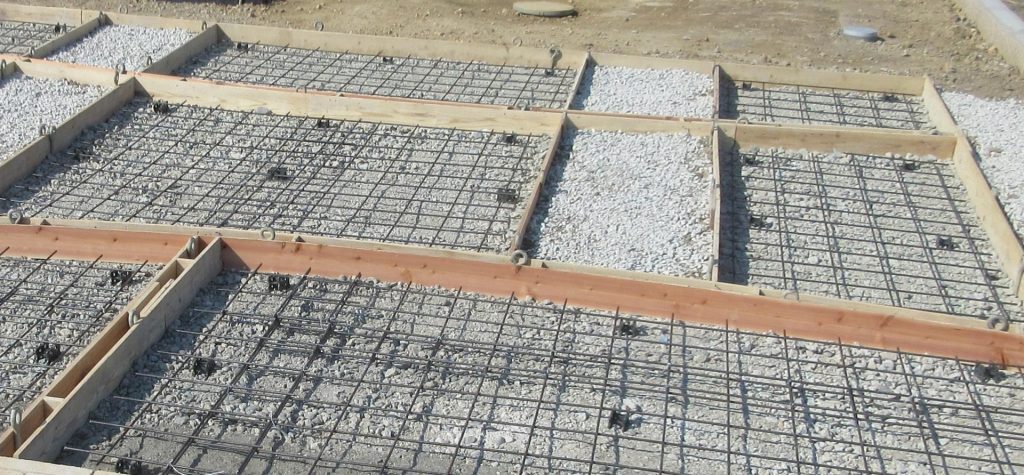
Foundations
Mesh reinforcement is often specified for:
- Building foundations
- Residential slabs
- Industrial foundations
- Equipment pads
Its use improves structural stability and crack resistance.
Walls and Precast Elements
Reinforcement mesh is commonly incorporated into:
- Concrete walls
- Retaining walls
- Precast panels
- Modular construction systems
Infrastructure Applications
Bridge Decks
Transportation infrastructure often uses welded wire mesh reinforcement for:
- Bridge decks
- Approach slabs
- Structural overlays
Airport Pavements
Airport facilities require durable concrete surfaces capable of supporting repeated heavy loads.
Mesh reinforcement contributes to long-term performance.
Water Infrastructure
Applications include:
- Water treatment facilities
- Drainage channels
- Utility structures
where crack control and durability are essential.
Application Benefits Table
| Application | Primary Benefits |
|---|---|
| Floor Slabs | Crack control, durability |
| Pavements | Load distribution |
| Foundations | Structural stability |
| Walls | Reinforcement continuity |
| Bridge Decks | Durability, crack control |
| Utility Structures | Long service life |
Common Mesh Specifications
| Parameter | Typical Range |
|---|---|
| Wire Diameter | 4–12 mm |
| Mesh Opening | 100×100 mm to 300×300 mm |
| Sheet Width | 2.0–2.4 m |
| Sheet Length | 4.0–6.0 m |
| Material | Low Carbon Steel |
Recommended Specifications Table
| Application | Typical Mesh Size | Wire Diameter |
|---|---|---|
| Residential Slab | 200 × 200 mm | 5–6 mm |
| Commercial Slab | 150 × 150 mm | 6–8 mm |
| Warehouse Floor | 150 × 150 mm | 8–10 mm |
| Pavement | 150 × 150 mm | 8–12 mm |
| Foundation | 150 × 150 mm | 8–12 mm |
Welded Wire Mesh vs Rebar
| Feature | Welded Wire Mesh | Rebar |
|---|---|---|
| Installation Speed | Excellent | Moderate |
| Labor Cost | Lower | Higher |
| Crack Control | Excellent | Good |
| Flexibility | Moderate | Excellent |
| Large Area Coverage | Excellent | Moderate |
In many slab and pavement applications, welded wire mesh offers significant productivity advantages over individually placed reinforcing bars.
Specification Considerations
Structural Requirements
Mesh selection should always be based on engineering calculations and project design requirements.
Concrete Cover
Proper placement within the concrete section is critical for achieving intended performance.
Corrosion Protection
For aggressive environments, galvanized or epoxy-coated reinforcement may be specified.
Handling and Storage
Reinforcement mesh should be stored properly to prevent contamination and damage before installation.
Common Specification Mistakes
Using Incorrect Mesh Size
Mesh opening and wire diameter should match project loading requirements.
Improper Placement
Mesh positioned too close to the ground may not provide effective reinforcement.
Neglecting Concrete Cover
Insufficient cover can lead to corrosion and reduced service life.
Overlooking Project Specifications
Local building codes and engineering requirements should always take precedence.
Facility Type Selection Guide
| Project Type | Recommended Mesh |
|---|---|
| Residential Slab | Light-Duty Welded Wire Mesh |
| Commercial Building | Standard Reinforcement Mesh |
| Warehouse Floor | Heavy-Duty Welded Mesh |
| Pavement | Heavy-Duty Welded Mesh |
| Foundation | Structural Reinforcement Mesh |
| Infrastructure Project | Engineered Reinforcement Mesh |
Conclusion
Welded wire mesh has become an essential reinforcement solution in modern concrete construction. Its ability to control cracking, distribute loads, improve installation efficiency, and enhance structural performance makes it a preferred option for slabs, pavements, foundations, and infrastructure projects.
When properly specified and installed, reinforcement mesh contributes to safer, more durable, and more cost-effective concrete structures.