Introduction
Material selection is one of the most important decisions in any industrial, construction, or infrastructure project. The choice between galvanized steel and stainless steel affects not only the initial purchase cost but also long-term durability, maintenance requirements, and lifecycle performance.
Both materials are widely used in wire mesh, fencing systems, perforated metal, expanded metal, and fabricated components. However, they perform differently depending on the environment and application.
This guide compares galvanized steel and stainless steel across key technical criteria to help engineers, contractors, distributors, and procurement professionals make informed decisions.
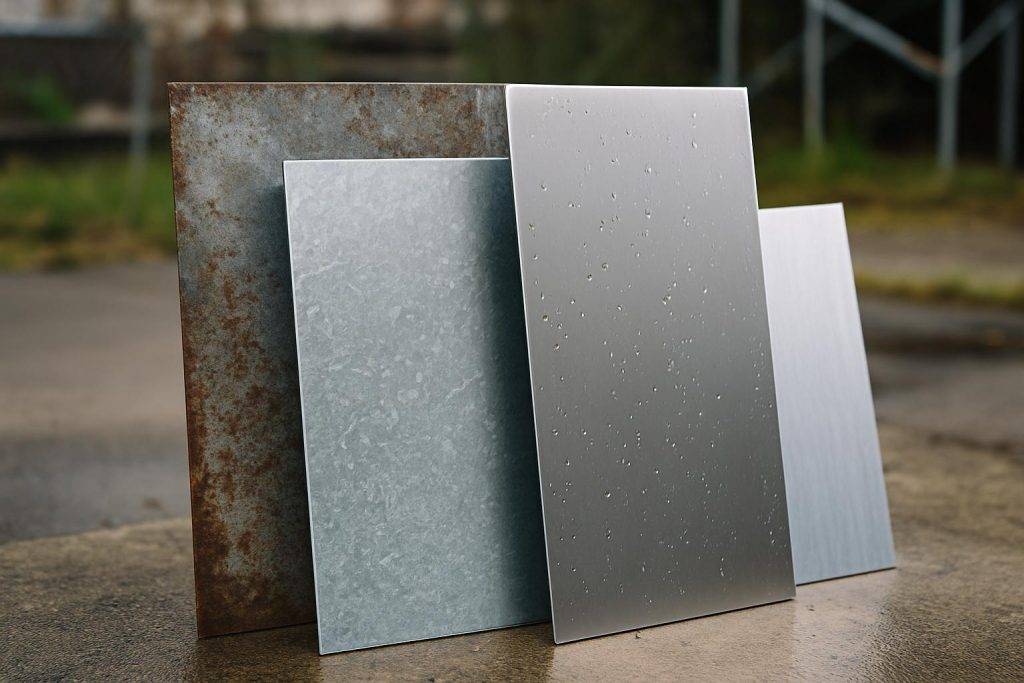
What Is Galvanized Steel?
Galvanized steel is carbon steel protected by a zinc coating. The zinc layer acts as a sacrificial barrier, helping to prevent corrosion when the steel is exposed to moisture and weather.
The most common galvanizing methods are:
- Hot-dip galvanizing
- Electro-galvanizing
Galvanized steel is widely used for:
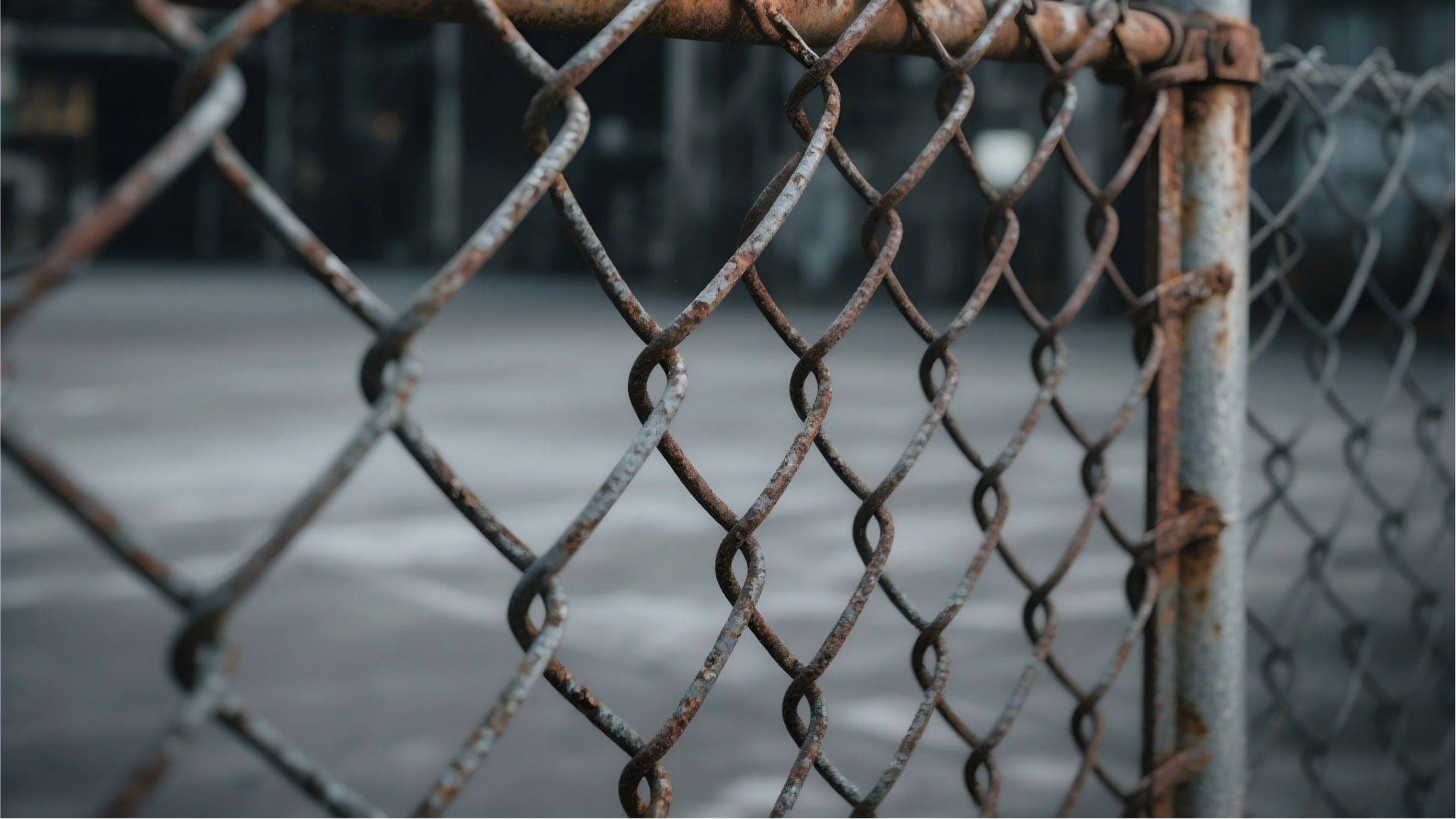
- Chain link fences
- Welded wire mesh
- Agricultural fencing
- Structural components
- Cable trays
- Outdoor infrastructure
What Is Stainless Steel?
Stainless steel is an alloy containing chromium, which forms a passive oxide layer on the surface. This layer continuously protects the material from corrosion without requiring an additional coating.
Common grades include:
- 304 Stainless Steel
- 316 Stainless Steel
- 430 Stainless Steel
Typical applications include:
- Food processing
- Chemical plants
- Marine environments
- Pharmaceutical facilities
- Architectural facades
- High-end industrial equipment
Performance Comparison
| Property | Galvanized Steel | Stainless Steel |
|---|---|---|
| Initial Cost | Lower | Higher |
| Corrosion Resistance | Good | Excellent |
| Maintenance | Low | Very Low |
| Mechanical Strength | High | High |
| Marine Environment | Limited | Excellent |
| Appearance | Industrial | Premium |
| Service Life | Long | Very Long |
Corrosion Resistance
Galvanized steel performs well in most outdoor environments, especially where exposure to moisture is moderate.
For coastal regions, chemical plants, or environments with high chloride concentrations, stainless steel—particularly Grade 316—is generally the preferred choice due to its superior corrosion resistance.
Cost vs Lifecycle Value
Although galvanized steel has a lower initial purchase price, stainless steel may provide better long-term value in aggressive environments by reducing maintenance, repairs, and replacement costs.
When evaluating materials, consider the total lifecycle cost rather than the initial material cost alone.
Typical Applications
| Application | Recommended Material |
|---|---|
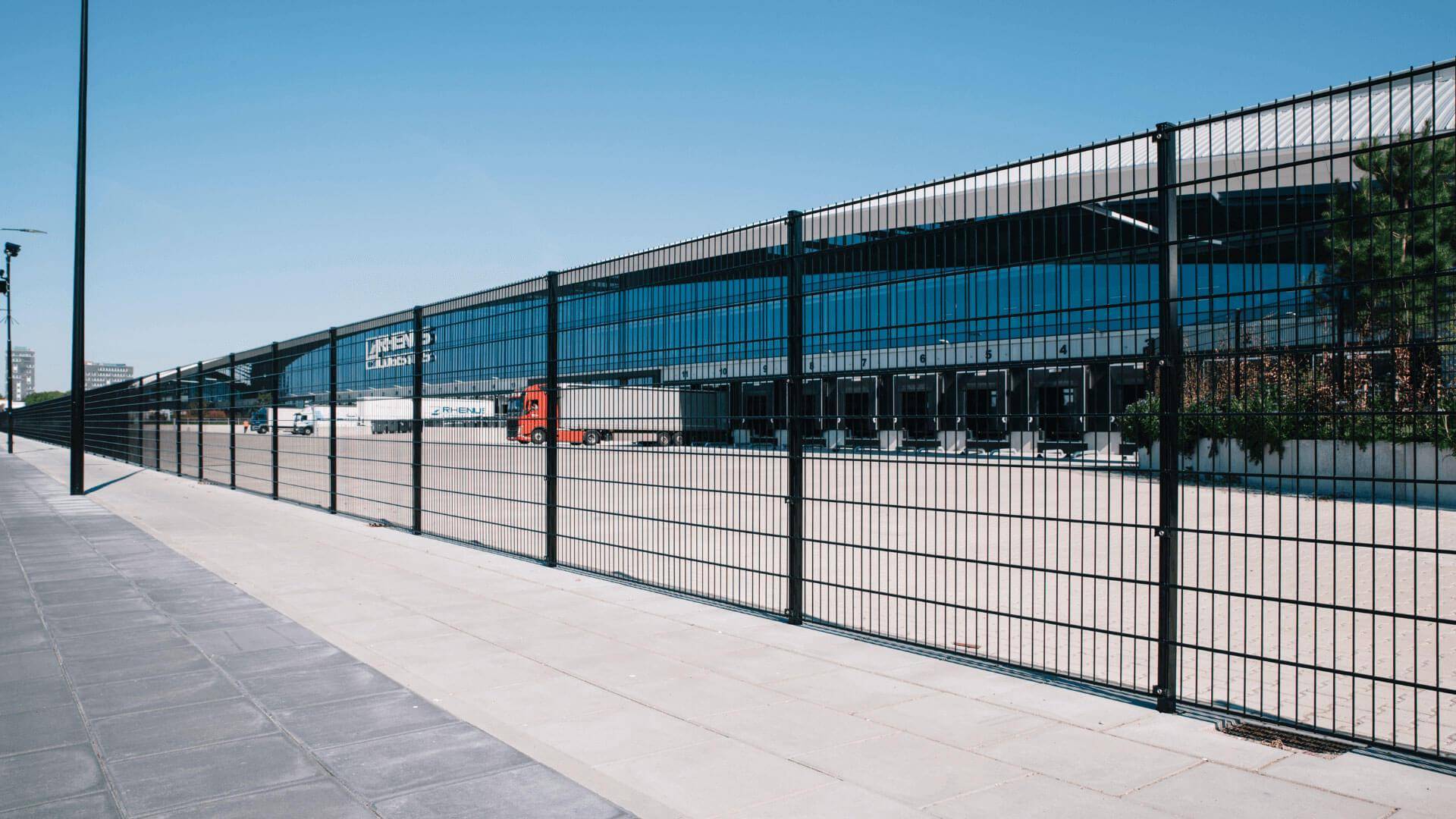
| Warehouse fencing | Galvanized Steel |
| Logistics centers | Galvanized Steel |
| Agricultural fencing | Galvanized Steel |
| Coastal infrastructure | Stainless Steel 316 |
| Food processing | Stainless Steel 304 |
| Chemical facilities | Stainless Steel 316 |
| Architectural facades | Stainless Steel or Aluminum |
Selection Checklist
Before selecting a material, consider:
- Installation environment
- Expected service life
- Maintenance accessibility
- Budget
- Aesthetic requirements
- Industry standards
- Corrosion exposure
Common Selection Mistakes
- Choosing based solely on initial cost
- Ignoring environmental conditions
- Using galvanized steel in highly corrosive marine environments
- Specifying stainless steel where galvanized steel would meet project requirements
- Overlooking maintenance costs
Conclusion
Both galvanized steel and stainless steel are reliable materials for industrial applications, but the best choice depends on the operating environment, performance requirements, and lifecycle expectations. Selecting the appropriate material at the design stage helps improve durability, reduce maintenance, and optimize long-term project value.
FAQ
Is stainless steel always better than galvanized steel?
Not necessarily. Stainless steel offers superior corrosion resistance, but galvanized steel is often more cost-effective for many industrial and outdoor applications.
Which material is better for coastal environments?
Stainless Steel 316 is generally recommended for marine and coastal environments because of its enhanced resistance to chloride corrosion.
Does galvanized steel require maintenance?
It typically requires minimal maintenance, but periodic inspection is recommended in harsh environments.
Can galvanized steel and stainless steel be used together?
Yes, but designers should consider the potential for galvanic corrosion when different metals are in direct contact.