Introduction
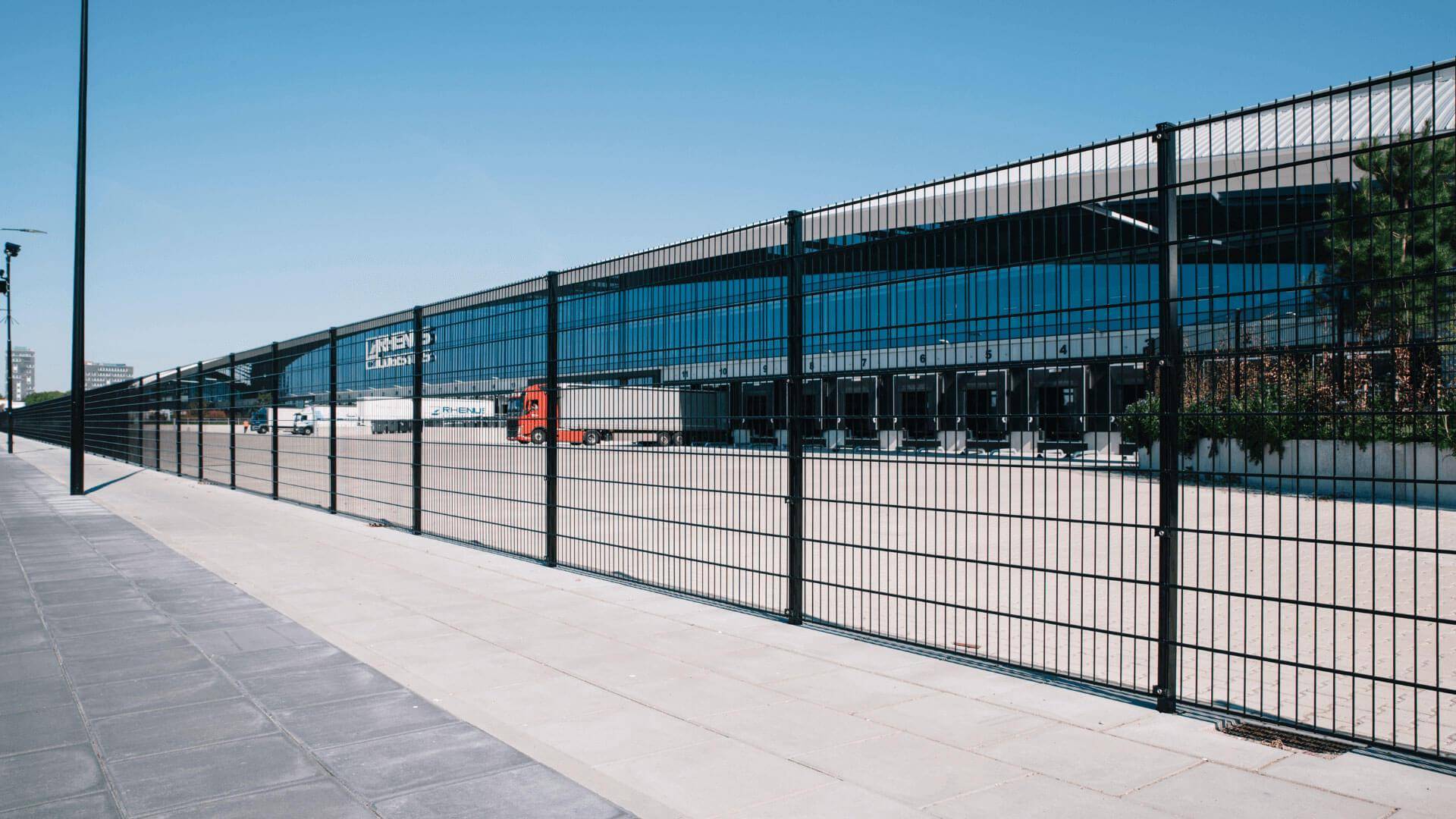
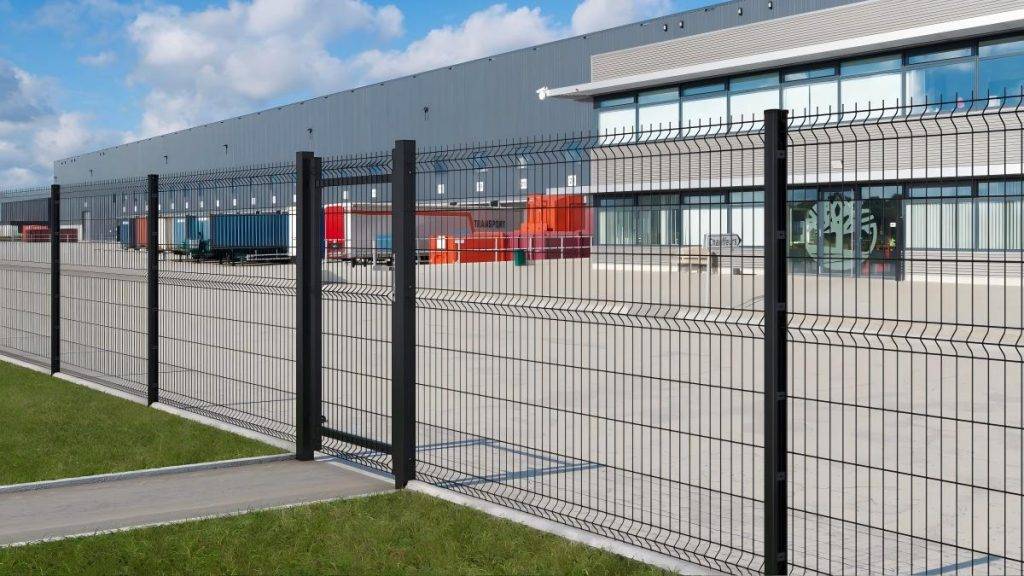
Welded wire fence systems are widely used for securing industrial sites, logistics centers, commercial properties, public infrastructure, and institutional facilities. Compared with traditional chain link fencing, welded wire fence panels provide greater rigidity, a cleaner appearance, and enhanced security.
Selecting the appropriate fence system requires more than choosing a panel height. Mesh opening, wire diameter, panel dimensions, V-bending, post systems, and surface coatings all influence performance, installation efficiency, and long-term durability.
This guide explains the most common welded wire fence panel specifications and provides practical recommendations for selecting the right system.
Understanding Welded Wire Fence Panel Specifications
A complete fence specification generally includes:
- Panel width
- Panel height
- Mesh opening
- Wire diameter
- Number of V-bends
- Surface treatment
- Post dimensions
- Fixing accessories
These elements work together to determine the fence’s strength, appearance, and service life.
Standard Panel Dimensions
| Panel Width | Typical Height |
|---|---|
| 2.0 m | 1.2–2.4 m |
| 2.5 m | 1.2–2.4 m |
| 3.0 m | 1.5–2.4 m |
The 2.5 m × 2.0 m panel is one of the most commonly specified sizes for industrial and commercial projects.
Common Mesh Openings
| Mesh Opening | Typical Application |
|---|---|
| 50 × 100 mm | High-security fencing |
| 50 × 150 mm | Commercial fencing |
| 50 × 200 mm | Industrial fencing |
Smaller mesh openings improve climbing resistance and overall security.
Standard Wire Diameters
| Wire Diameter | Application |
|---|---|
| 4.0 mm | Commercial |
| 5.0 mm | Industrial |
| 6.0 mm | High-security |
Many industrial fence panels use 5.0 mm horizontal and vertical wires for an effective balance of rigidity and cost.
Panel Types
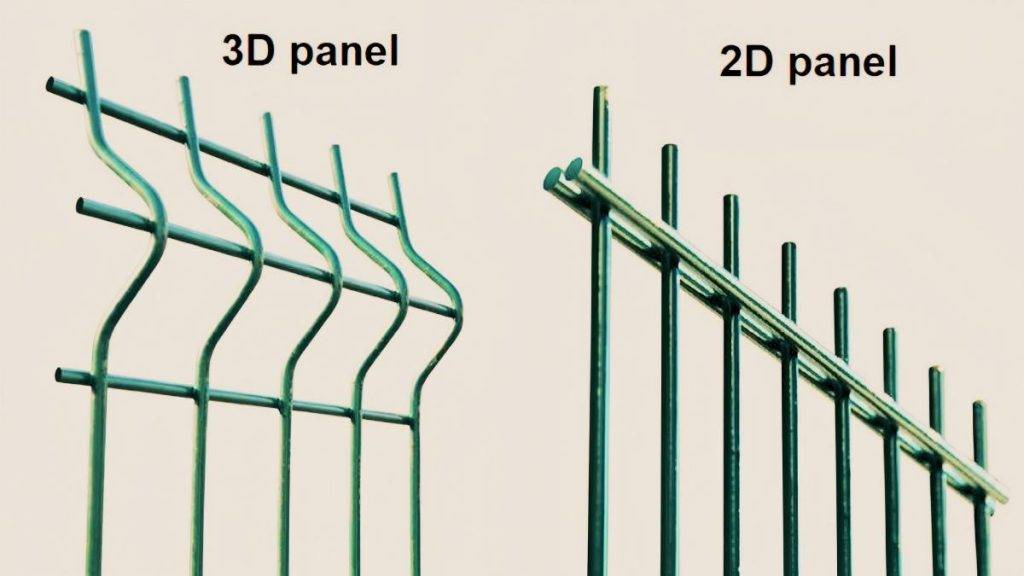
Flat Welded Fence Panels
Suitable for:
- Commercial buildings
- Residential developments
- Schools
- Public facilities
3D V-Bend Fence Panels
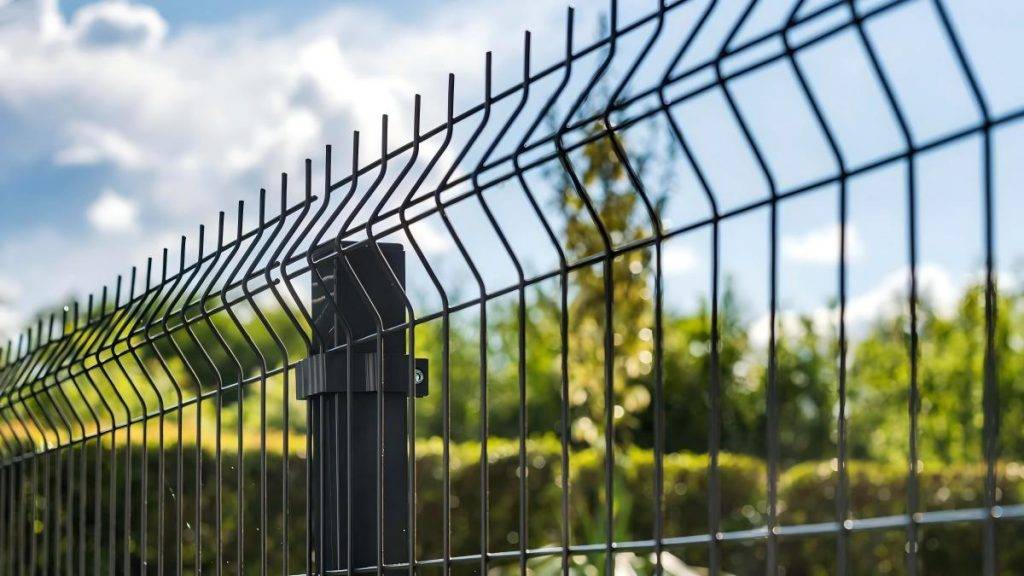
V-bending increases panel rigidity without increasing wire diameter.
Typical applications include:
- Warehouses
- Factories
- Logistics centers
- Industrial parks
Surface Finishes
| Finish | Typical Use |
|---|---|
| Hot-Dip Galvanized | Heavy industrial environments |
| Galvanized + Powder Coated | Commercial and industrial |
| PVC Coated | Coastal and corrosive environments |
Fence Post Systems
Common post options include:
- Square posts
- Peach posts
- Round posts
- Rectangular posts
The choice depends on project requirements, appearance, and installation method.
Recommended Specifications by Facility
| Facility Type | Mesh | Wire | Height |
|---|---|---|---|
| Warehouse | 50 × 200 mm | 5.0 mm | 2.0–2.4 m |
| Factory | 50 × 200 mm | 5.0 mm | 2.4 m |
| Logistics Center | 50 × 200 mm | 5.0 mm | 2.4–3.0 m |
| School | 50 × 150 mm | 4.0 mm | 1.8–2.0 m |
| Utility Site | 50 × 100 mm | 5.0–6.0 mm | 2.4–3.0 m |
Common Specification Mistakes
- Choosing panel height without evaluating security requirements
- Ignoring post strength and fixing systems
- Selecting larger mesh openings where anti-climb performance is needed
- Specifying powder coating without considering corrosion exposure
- Overlooking transportation and installation constraints for oversized panels
Conclusion
Welded wire fence panels provide a robust, attractive, and low-maintenance fencing solution for a wide range of industrial and commercial applications. Understanding panel dimensions, mesh opening, wire diameter, V-bending, and post systems helps buyers specify fencing that delivers reliable security and long-term value.
FAQ
What is the standard width of a welded wire fence panel?
A width of 2.5 m is the industry standard for many commercial and industrial fencing systems.
Why do welded fence panels have V-bends?
V-bends increase rigidity and structural strength without requiring thicker wires.
Which mesh opening is best for industrial security?
A 50 × 200 mm mesh is widely used, while 50 × 100 mm offers greater anti-climb performance.
What coating is recommended for outdoor applications?
Galvanized plus polyester powder coating provides excellent corrosion resistance and an attractive finish.