Introduction
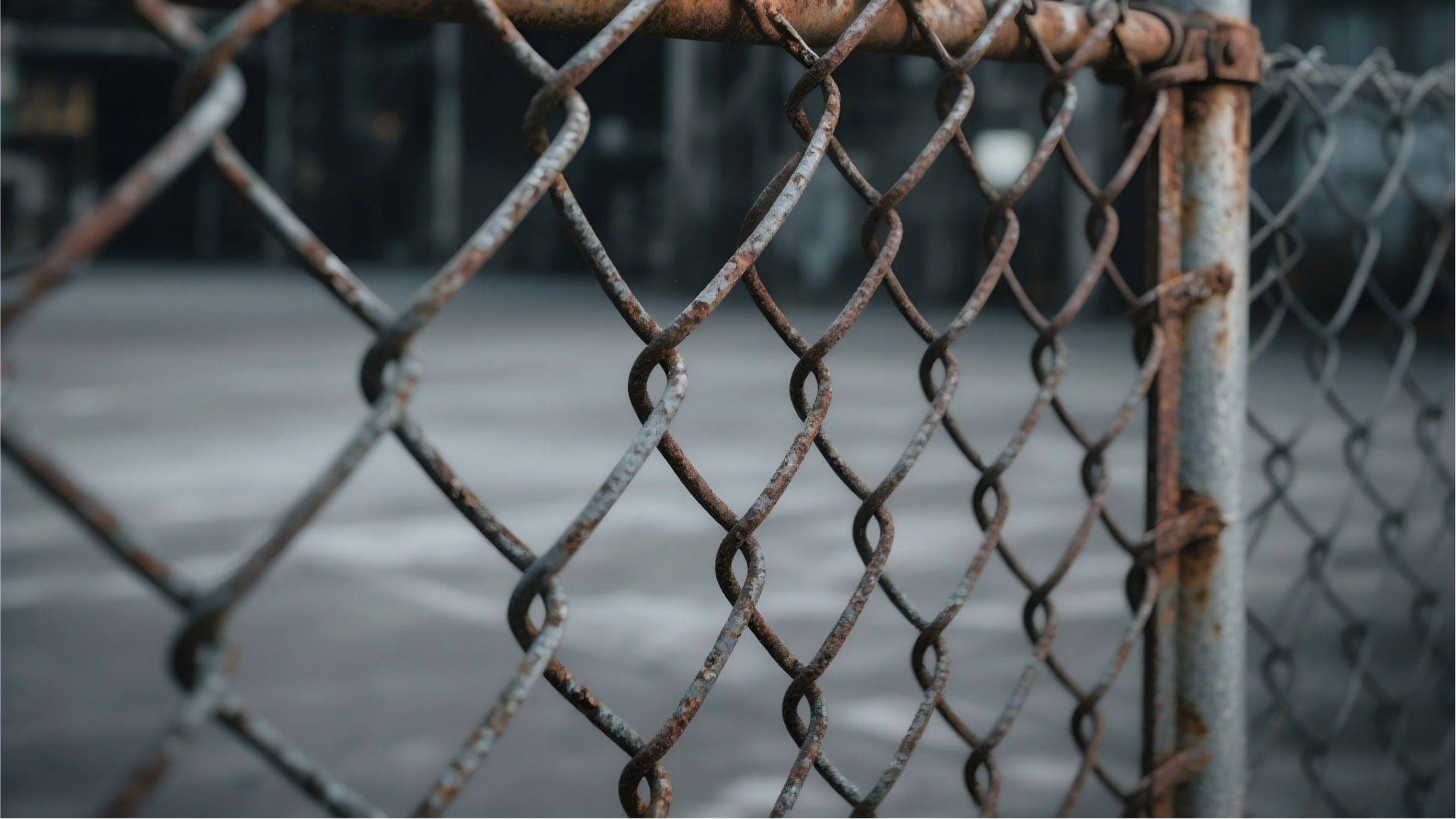
Galvanizing is one of the most effective methods of protecting steel against corrosion. By applying a layer of zinc to the steel surface, galvanizing significantly extends the service life of wire mesh, fencing systems, fabricated metal products, and structural components.
The two most common galvanizing methods are hot-dip galvanizing and electro-galvanizing. While both use zinc as a protective coating, they differ in manufacturing process, coating thickness, durability, appearance, and cost.
Understanding these differences helps engineers, contractors, and buyers select the appropriate galvanized product for specific service environments.
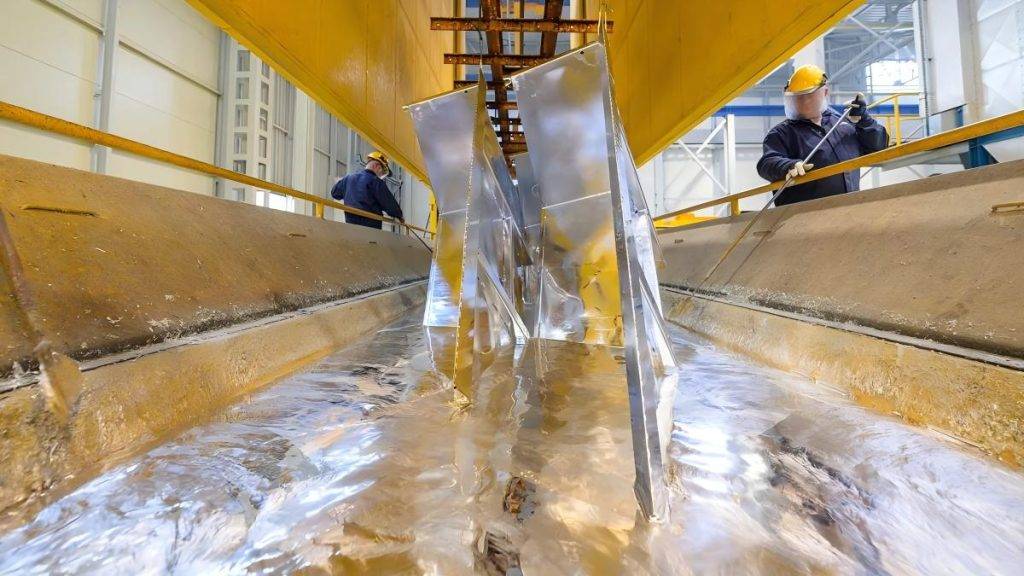
How Hot-Dip Galvanizing Works
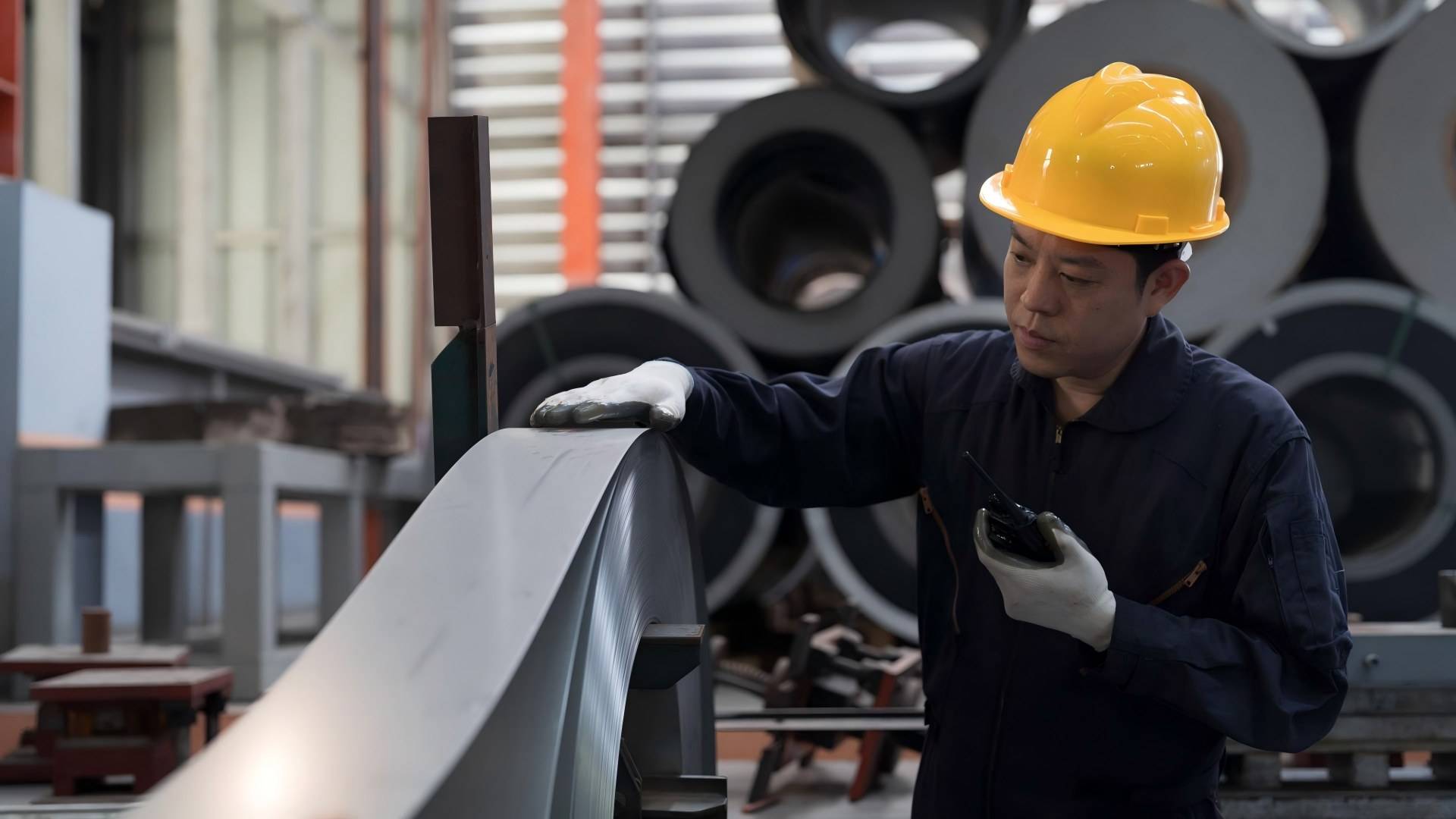
Hot-dip galvanizing involves immersing cleaned steel components into a bath of molten zinc at approximately 450°C (840°F).
During this process, the zinc reacts metallurgically with the steel to form a series of zinc-iron alloy layers topped by a pure zinc outer layer.
Key characteristics
- Thick zinc coating
- Strong metallurgical bond
- Excellent corrosion resistance
- Longer service life
- Slightly rougher surface appearance
Hot-dip galvanizing is widely used for:
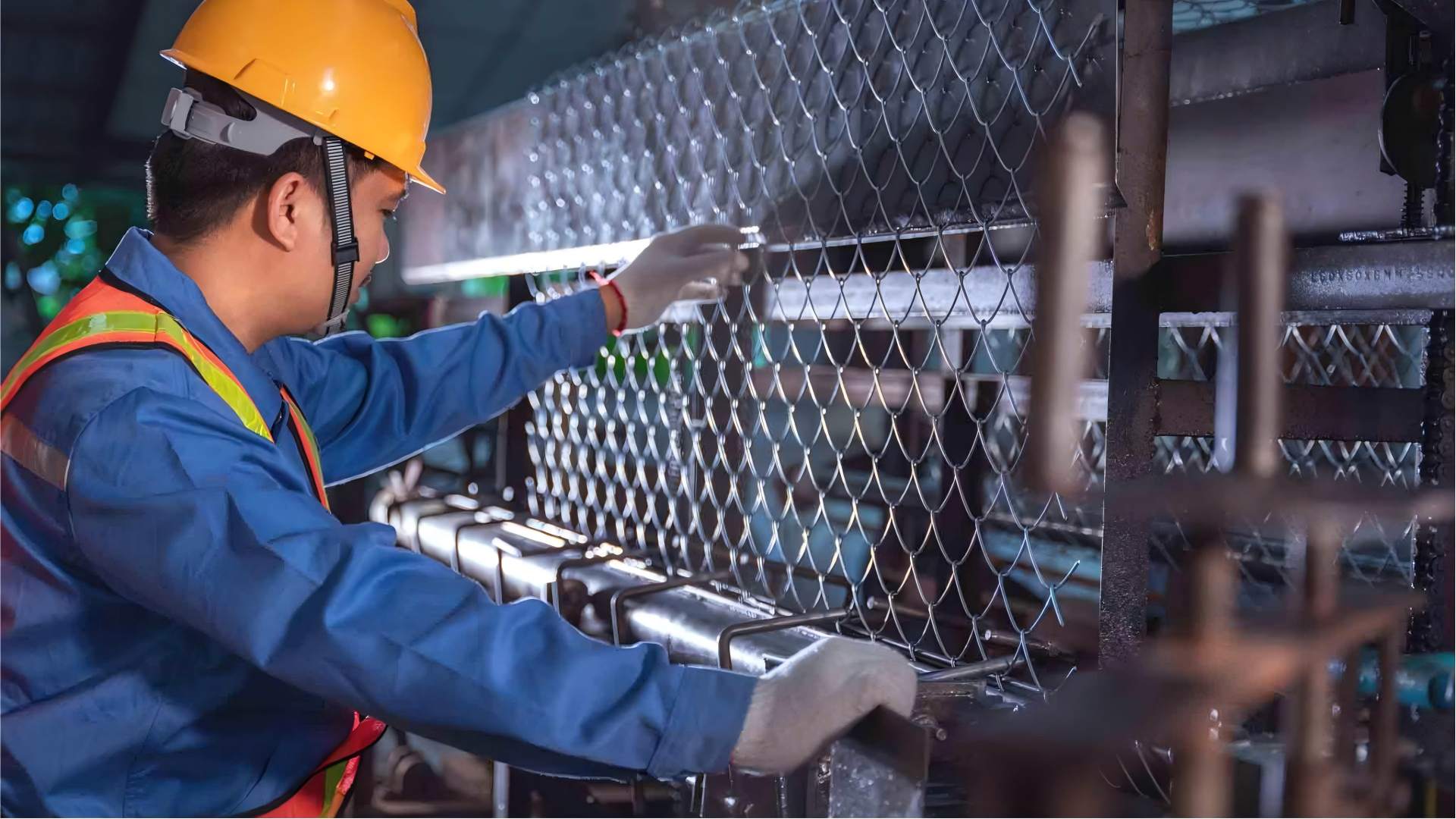
- Chain link fences
- Welded wire mesh
- Structural steel
- Highway barriers
- Utility infrastructure
How Electro-Galvanizing Works
Electro-galvanizing uses an electrolytic process to deposit a thin, uniform zinc coating onto the steel surface.
This process produces a smoother and brighter finish than hot-dip galvanizing but generally provides less corrosion protection due to the thinner coating.
Key characteristics
- Thin zinc coating
- Smooth finish
- Uniform appearance
- Suitable for indoor or lightly corrosive environments
- Lower material consumption
Typical applications include:
- Indoor equipment
- Decorative metal products
- Automotive components
- Light-duty wire products
Performance Comparison
| Property | Hot-Dip Galvanized | Electro-Galvanized |
|---|---|---|
| Zinc Coating Thickness | Thick | Thin |
| Corrosion Resistance | Excellent | Good |
| Outdoor Service Life | Long | Moderate |
| Surface Finish | Matte / Textured | Smooth / Bright |
| Initial Cost | Moderate | Lower |
| Maintenance | Low | Moderate |
Which Process Is Better for Outdoor Applications?
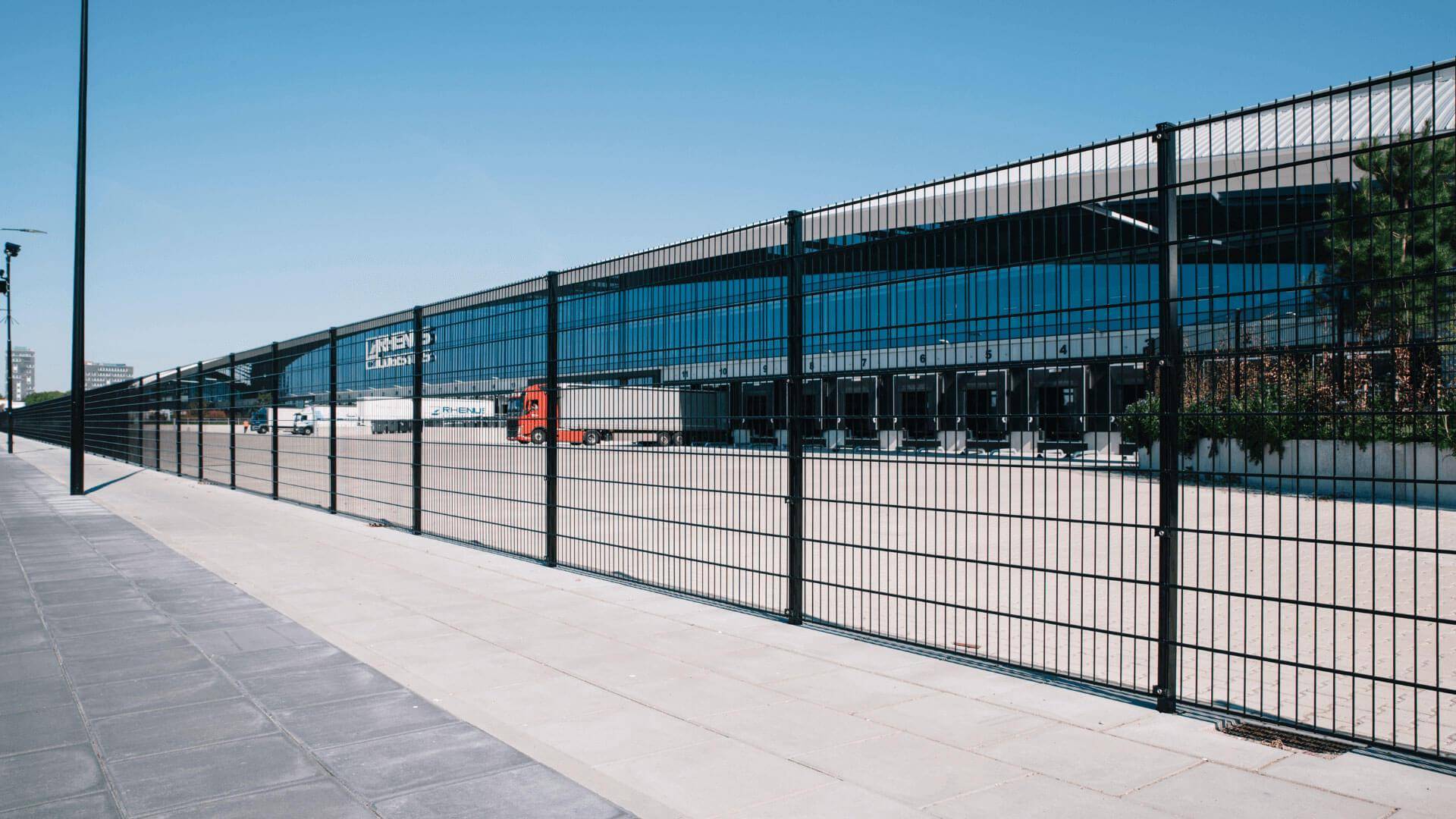
For most outdoor industrial environments—including warehouses, logistics centers, agricultural facilities, and perimeter fencing—hot-dip galvanizing is the preferred choice because of its thicker zinc coating and superior resistance to weather exposure.
Electro-galvanized products are better suited to indoor environments or applications where appearance and dimensional precision are more important than long-term corrosion resistance.
Selecting the Right Galvanized Product
Consider the following factors before specifying a galvanized product:
- Indoor or outdoor installation
- Humidity and rainfall
- Coastal or marine exposure
- Expected service life
- Maintenance accessibility
- Budget requirements
- Applicable industry standards
Typical Applications
| Application | Recommended Process |
|---|---|
| Chain Link Fence | Hot-Dip Galvanized |
| Welded Wire Mesh | Hot-Dip Galvanized |
| Warehouse Fencing | Hot-Dip Galvanized |
| Indoor Shelving | Electro-Galvanized |
| Office Partitions | Electro-Galvanized |
| Decorative Components | Electro-Galvanized |
Common Misconceptions
“Electro-galvanized products are always cheaper.”
While the initial product cost may be lower, shorter service life in outdoor environments can increase total lifecycle costs.
“Both coatings provide the same corrosion resistance.”
The thicker zinc layer produced by hot-dip galvanizing generally offers significantly greater protection.
“Appearance indicates quality.”
A brighter finish does not necessarily mean better corrosion performance. Product selection should be based on application requirements rather than appearance alone.
Conclusion
Both hot-dip galvanizing and electro-galvanizing are effective corrosion protection methods, but they are designed for different service conditions. Hot-dip galvanizing is the preferred solution for most outdoor and industrial applications, while electro-galvanizing offers an attractive finish for indoor and light-duty uses.
Selecting the appropriate galvanizing process helps maximize product performance, reduce maintenance, and improve long-term project value.
FAQ
What is the main difference between hot-dip galvanizing and electro-galvanizing?
Hot-dip galvanizing creates a thicker zinc coating through immersion in molten zinc, while electro-galvanizing applies a thinner coating using an electrolytic process.
Which galvanizing process lasts longer outdoors?
Hot-dip galvanizing generally provides a longer service life because of its thicker protective coating.
Is electro-galvanized steel suitable for fencing?
It may be suitable for indoor or temporary installations, but hot-dip galvanized fencing is typically recommended for long-term outdoor use.
Does a shinier finish mean better corrosion resistance?
No. Surface appearance does not directly indicate the level of corrosion protection.