Introduction
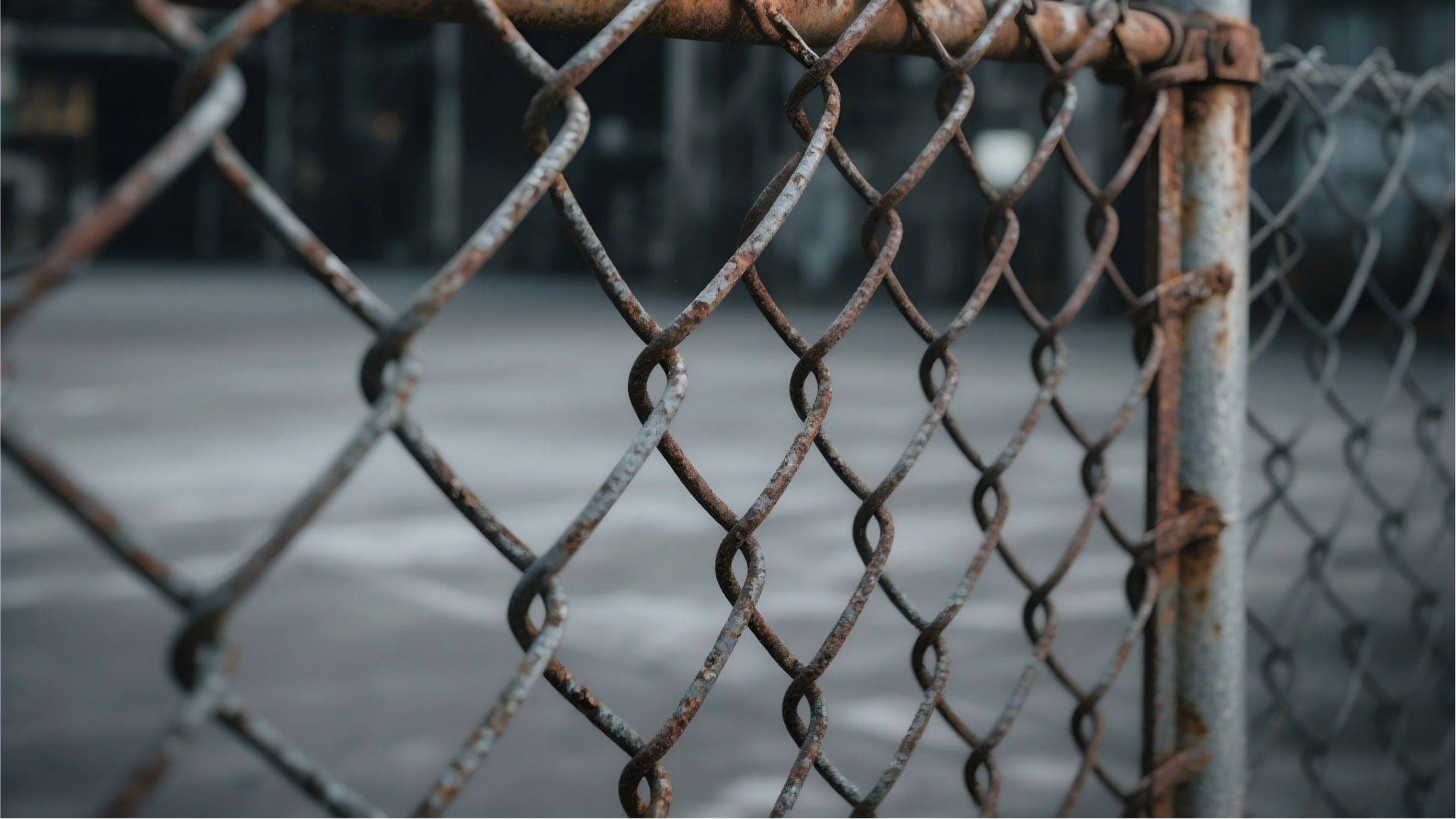
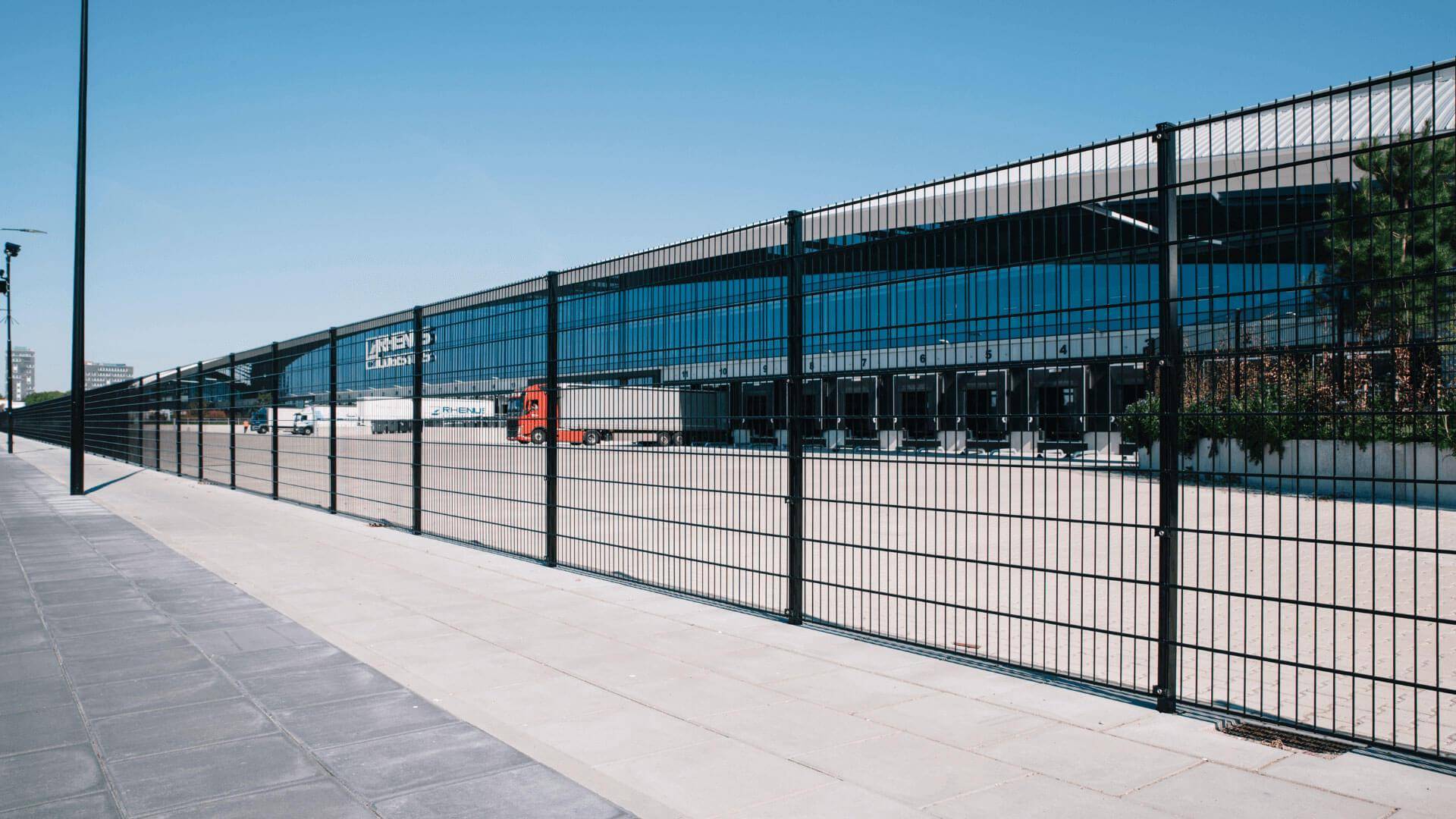
Chain link fencing remains one of the most widely used perimeter security systems for industrial, commercial, municipal, and infrastructure projects. Its combination of durability, visibility, cost efficiency, and ease of installation makes it a preferred solution for warehouses, factories, distribution centers, schools, sports facilities, and public infrastructure.
Selecting the right chain link fence requires more than choosing a fence height. Mesh opening, wire diameter, coating type, framework dimensions, and installation environment all influence long-term performance.
This guide explains the key specifications used in the chain link fencing industry and provides practical recommendations for selecting the appropriate system.
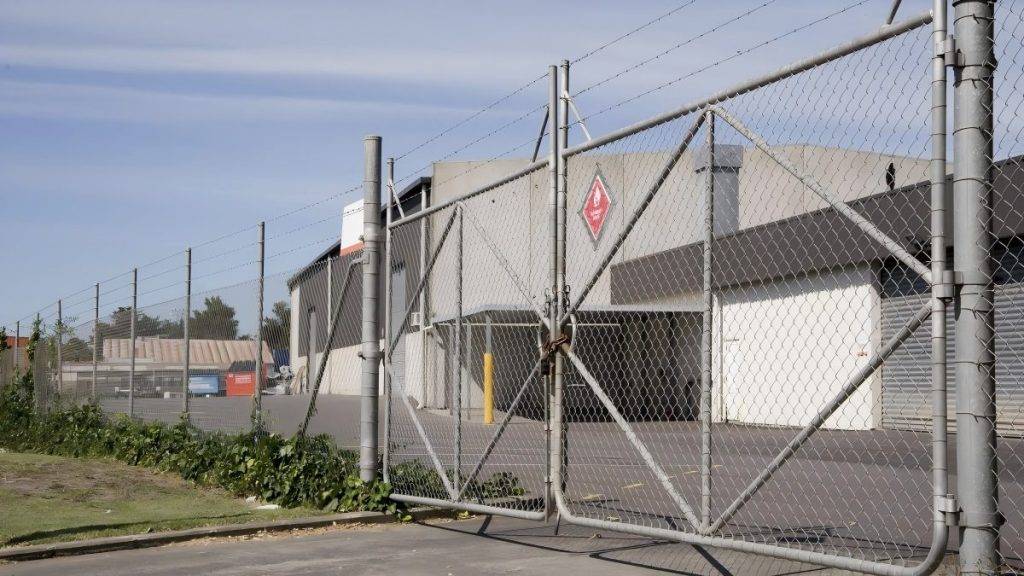
Understanding Chain Link Fence Specifications
A complete chain link fence specification normally includes:
- Mesh opening
- Wire diameter (wire gauge)
- Fence height
- Roll length
- Surface coating
- Top selvage
- Line posts and terminal posts
- Rails and accessories
Each parameter contributes to the fence’s durability, security level, and maintenance requirements.
Standard Mesh Opening Sizes
| Mesh Opening | Typical Application |
|---|---|
| 25 × 25 mm (1″) | High-security enclosures |
| 38 × 38 mm (1-1/2″) | Schools and sports courts |
| 50 × 50 mm (2″) | Industrial & commercial fencing |
| 60 × 60 mm | General perimeter fencing |
| 75 × 75 mm (3″) | Agricultural boundaries |
The 50 × 50 mm (2″) mesh is the most commonly specified size for industrial and commercial projects.
Common Wire Diameters
| Wire Diameter | Typical Use |
|---|---|
| 2.0 mm | Light-duty fencing |
| 2.5 mm | Residential |
| 3.0 mm | Commercial |
| 3.5 mm | Industrial |
| 4.0–5.0 mm | High-security applications |
Increasing wire diameter improves rigidity and impact resistance.
Standard Fence Heights
| Height | Typical Application |
|---|---|
| 1.2 m | Residential |
| 1.5 m | Schools |
| 1.8 m | Commercial |
| 2.0 m | Industrial |
| 2.4 m | Warehouses |
| 3.0 m+ | High-security sites |
Galvanized vs PVC Coated Chain Link Fence
Galvanized Chain Link Fence
Advantages:
- Excellent corrosion resistance
- Lower maintenance
- Long outdoor service life
- Cost-effective
Typical applications:
- Industrial facilities
- Warehouses
- Infrastructure
- Municipal projects
PVC Coated Chain Link Fence
Advantages:
- Additional corrosion protection
- Improved appearance
- Available in multiple colors
- Reduced maintenance
Typical applications:
- Schools
- Parks
- Sports facilities
- Commercial developments
Coating Comparison
| Feature | Galvanized | PVC Coated |
|---|---|---|
| Corrosion Resistance | Excellent | Excellent |
| Appearance | Metallic | Colored |
| UV Resistance | High | High |
| Maintenance | Low | Very Low |
Fence Framework Components
A complete chain link fence system typically includes:
- Line posts
- Terminal posts
- Top rails
- Bottom tension wire
- Tension bars
- Fence ties
- Post caps
Selecting compatible framework components is as important as selecting the fence fabric itself.
Recommended Specifications by Application
| Application | Mesh | Wire | Height |
|---|---|---|---|
| Warehouse | 50 × 50 mm | 3.5 mm | 2.4 m |
| Factory | 50 × 50 mm | 3.5–4.0 mm | 2.4 m |
| School | 38 × 38 mm | 3.0 mm | 1.8 m |
| Sports Facility | 50 × 50 mm | 3.0 mm | 3.0 m |
| Utility Site | 50 × 50 mm | 4.0 mm | 3.0 m |
Common Specification Mistakes
Avoid these common issues:
- Selecting height without considering security requirements
- Choosing mesh opening based solely on price
- Ignoring coating requirements in corrosive environments
- Specifying fence fabric without defining posts and rails
- Overlooking local standards or project specifications
Conclusion
Chain link fencing remains one of the most practical perimeter security solutions for industrial and commercial projects. By understanding mesh size, wire diameter, coating type, and framework specifications, buyers can select a system that balances security, durability, and lifecycle cost.
FAQ
What is the most common chain link fence mesh size?
The 50 × 50 mm (2″) mesh opening is the most widely used for industrial and commercial fencing.
Which coating is better for outdoor use?
Both galvanized and PVC-coated systems provide excellent corrosion resistance. PVC coating also improves aesthetics and provides an additional protective layer.
What wire diameter is recommended for industrial fencing?
Wire diameters between 3.5 mm and 4.0 mm are commonly specified for industrial perimeter security.
Can chain link fences be customized?
Yes. Mesh opening, wire diameter, height, coating, and framework components can all be customized to meet project requirements.