Introduction
Selecting the correct chain link fence specification is a critical decision for industrial, commercial, and security projects. Among all available parameters, mesh size and wire gauge have the greatest influence on fence strength, security performance, visibility, and overall project cost.
Although chain link fence fabric may appear simple, different combinations of mesh opening and wire diameter can create significantly different performance characteristics.
A large mesh opening with a lighter wire may be suitable for general boundary fencing, while a smaller mesh opening combined with a heavier wire provides improved resistance against climbing, cutting, and impact.
For engineers, contractors, distributors, and purchasing managers, understanding how mesh size and wire gauge work together helps ensure the selected fencing system meets both operational requirements and budget expectations.
Understanding Chain Link Mesh Size
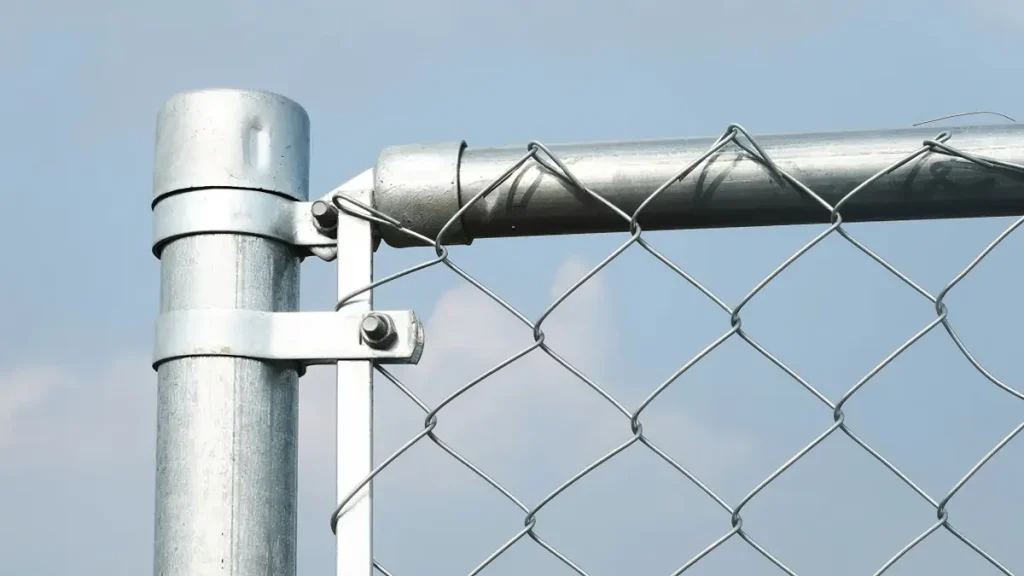
Chain link mesh size refers to the dimension of the diamond-shaped opening formed by the woven wire.
It is typically measured from the inside edge of one wire to the inside edge of the opposite wire, representing the clear opening.
Common mesh sizes include:
| Mesh Opening | Inch Equivalent | Typical Applications |
|---|---|---|
| 25 mm | 1″ | High-security enclosures |
| 38 mm | 1-1/2″ | Commercial security |
| 50 mm | 2″ | General industrial fencing |
| 60 mm | 2-3/8″ | Industrial and commercial fencing |
| 75 mm | 3″ | Agricultural and boundary fencing |
The selection of mesh size directly affects:
- Security level
- Visibility
- Material consumption
- Airflow
- Installation cost
Understanding Wire Gauge
While mesh opening determines the size of the diamond-shaped opening, wire gauge determines the strength and durability of the fence fabric.
In North America, chain link fence fabric is commonly specified by wire gauge, whereas many international projects use the actual wire diameter in millimeters.
A lower gauge number indicates a thicker wire.
| Wire Gauge | Approx. Diameter | Relative Strength | Typical Applications |
|---|---|---|---|
| 11 Gauge | 3.0 mm | Medium | Residential, light commercial |
| 9 Gauge | 3.8 mm | High | Industrial, commercial, schools |
| 8 Gauge | 4.0 mm | Higher | Warehouses, logistics parks |
| 6 Gauge | 5.0 mm | Very High | Critical infrastructure, military facilities |
Thicker wire improves resistance to impact, deformation, and cutting attempts. However, it also increases material weight and project cost. Selecting the appropriate wire gauge should therefore be based on the site’s security requirements rather than choosing the heaviest wire available.
How Mesh Size Affects Fence Performance
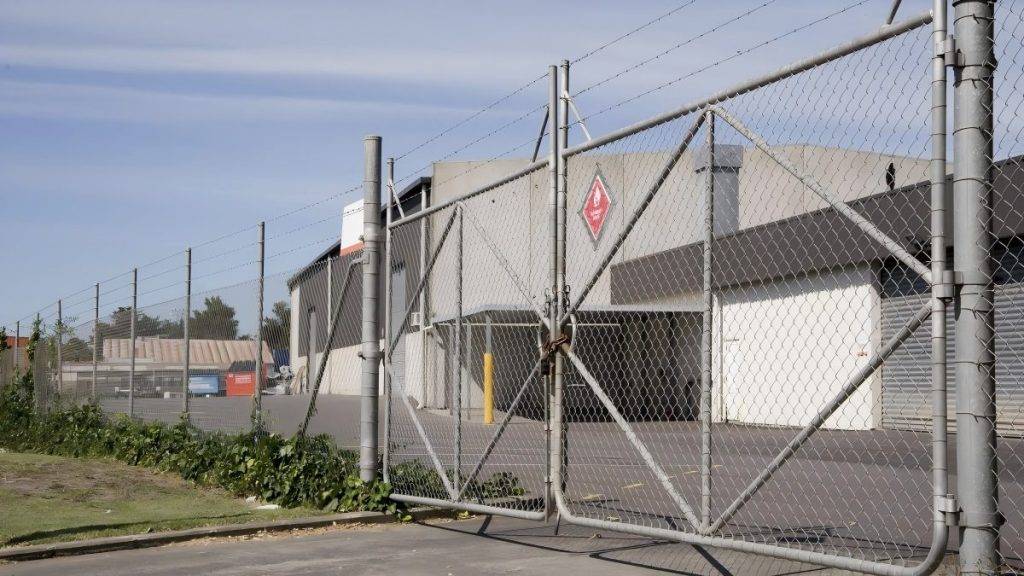
Mesh opening influences much more than appearance. It affects climbing resistance, visibility, airflow, and material usage.
Smaller mesh openings create more intersections within the fabric, making climbing more difficult and improving containment. Larger openings reduce material consumption and improve visibility through the fence.
| Mesh Opening | Visibility | Security | Material Consumption | Typical Use |
|---|---|---|---|---|
| 25 mm (1″) | Moderate | Excellent | High | High-security compounds |
| 38 mm (1-1/2″) | Good | Very Good | Medium-High | Commercial security |
| 50 mm (2″) | Excellent | Good | Medium | Industrial facilities |
| 60 mm (2-3/8″) | Excellent | Good | Lower | Commercial properties |
| 75 mm (3″) | Excellent | Moderate | Low | Agricultural fencing |
For most industrial applications, 50 mm (2″) remains the preferred specification because it offers a practical balance between security, visibility, installation efficiency, and overall cost.
Selecting the Right Combination of Mesh Size and Wire Gauge
Mesh opening and wire diameter should always be considered together. A small mesh with a thin wire may not provide the desired durability, while a thick wire with an oversized mesh may not deliver the required security level.
The following combinations are commonly specified for different applications.
| Application | Recommended Mesh Opening | Recommended Wire Gauge |
|---|---|---|
| Residential Boundary | 50–60 mm | 11 Gauge |
| Commercial Property | 50 mm | 9 Gauge |
| Warehouse & Distribution Center | 50 mm | 9 Gauge |
| Manufacturing Facility | 50 mm | 8–9 Gauge |
| Utility Infrastructure | 38–50 mm | 8 Gauge |
| High-Security Facility | 25–38 mm | 6–8 Gauge |
| Sports Facility | 50 mm | 9–11 Gauge |
| Agricultural Boundary | 60–75 mm | 11 Gauge |
Rather than selecting individual parameters independently, engineers should specify the mesh opening and wire gauge as a matched combination based on the site’s operational and security requirements.
Material and Coating Considerations
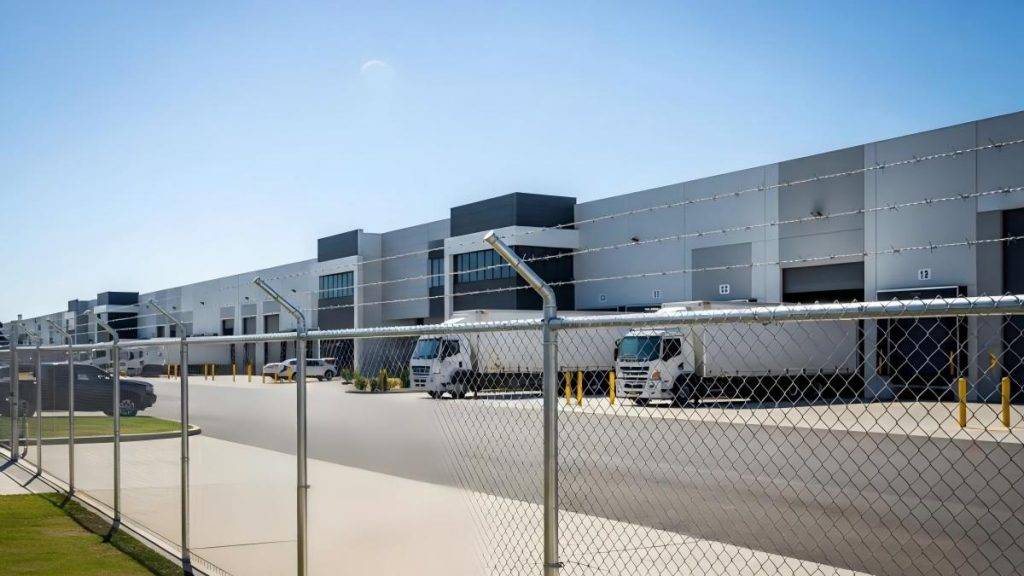
Mesh size and wire gauge define the physical characteristics of the fence, while material and protective coating determine its long-term resistance to environmental conditions.
| Material / Finish | Corrosion Resistance | Recommended Environment |
|---|---|---|
| Hot-Dip Galvanized Steel | Excellent | General outdoor applications |
| PVC-Coated over Galvanized Steel | Excellent | Coastal, humid, and public environments |
| Stainless Steel 304 | Very Good | Food processing, architectural applications |
| Stainless Steel 316 | Outstanding | Marine and chemical environments |
For most industrial projects, hot-dip galvanized steel remains the most economical and widely specified option. Where appearance or enhanced corrosion protection is required, PVC-coated galvanized fabric provides an effective alternative.
Common Specification Mistakes
Incorrect specification can lead to unnecessary costs or inadequate fence performance. Some of the most common mistakes include:
- Selecting mesh size based only on price rather than security requirements.
- Confusing wire gauge with finished wire diameter after PVC coating.
- Specifying oversized mesh openings for high-security locations.
- Using residential specifications for industrial applications.
- Ignoring environmental exposure when selecting protective coatings.
Reviewing the complete specification—including mesh opening, wire diameter, coating, and application requirements—helps ensure the fencing system performs as intended.
Best Practices for Industrial Projects
When specifying chain link fence fabric for industrial or commercial projects, consider the following recommendations:
| Project Type | Recommended Practice |
|---|---|
| Industrial Facilities | Use 50 mm mesh with 9 gauge galvanized wire for a balanced solution. |
| Utility Infrastructure | Consider smaller mesh openings and heavier wire for increased security. |
| Coastal Installations | Specify PVC-coated galvanized or stainless steel fabric to improve corrosion resistance. |
| Public Facilities | Select knuckled selvage to reduce the risk of injury. |
| High-Security Sites | Combine smaller mesh, heavier wire, and controlled access systems for enhanced protection. |
Selecting the correct specification at the design stage reduces future maintenance requirements and helps achieve a longer service life.
Conclusion
Choosing the appropriate chain link mesh size and wire gauge is essential for balancing security, durability, visibility, and project cost. Rather than focusing on a single parameter, engineers and buyers should evaluate the complete specification in relation to the intended application and operating environment.
For most industrial and commercial projects, a 50 mm mesh opening combined with 9 gauge galvanized wire provides an effective and economical solution. More demanding environments may require smaller mesh openings, heavier wire, or enhanced corrosion protection.
By understanding how these specifications work together, project teams can make informed purchasing decisions and specify chain link fence fabric that delivers reliable long-term.
FAQ
What is the most common chain link mesh size?
For industrial and commercial fencing, 50 mm (2″) is the most commonly specified mesh opening because it provides a practical balance of security, visibility, and cost.
Which wire gauge is best for industrial chain link fencing?
9 gauge (approximately 3.8 mm) is widely used for industrial applications. Higher-security facilities may specify 8 gauge or 6 gauge wire for increased strength.
Does a smaller mesh opening provide better security?
Yes. Smaller mesh openings are generally more difficult to climb and provide better containment, making them suitable for higher-security environments.
How do I choose between galvanized and PVC-coated chain link fabric?
Hot-dip galvanized fabric is suitable for most outdoor installations. PVC-coated fabric offers additional corrosion resistance and an improved appearance, making it a good choice for coastal areas and public-facing projects.
Should mesh size and wire gauge be selected separately?
No. These two specifications should be considered together to achieve the appropriate balance of strength, durability, security, and overall project cost.