Wire gauge is one of the basic specifications used when selecting woven wire fence. It describes the size of the wire, while wire diameter provides a direct dimensional measurement.
For fence selection, however, gauge should not be considered by itself. Wire diameter, tensile strength, coating, mesh configuration, and application all affect overall fence performance.
Technical Snapshot
| Item | Why It Matters |
|---|---|
| Wire gauge | Indicates wire size within a specified gauge system |
| Wire diameter | Direct physical measurement of the wire |
| Tensile strength | Indicates resistance to pulling force |
| Coating | Influences corrosion resistance |
| Mesh configuration | Affects containment and structural behavior |
| Wire position | Line wires and stay wires may use different specifications |
Important: Gauge systems are not universal. A gauge number should always be evaluated together with the applicable standard or the actual specified wire diameter.
What Does Wire Gauge Mean?
Wire gauge is a numbering system used to describe wire size.
In general, a smaller gauge number represents a larger wire within a given gauge system. However, gauge systems differ, so the same gauge number should not automatically be assumed to represent the same diameter in every specification.
For this reason, professional fence specifications should state the actual wire diameter whenever precise dimensional requirements are important.
For example, instead of specifying only:
12 gauge wire
a technical specification may state:
Wire diameter: X mm
together with the applicable standard or gauge system.
Wire Gauge vs Wire Diameter
Gauge and diameter describe related characteristics, but they are not interchangeable terms.
Gauge is a designation within a particular wire gauge system.
Diameter is the measured physical dimension of the wire, normally expressed in millimeters or inches.
For international B2B purchasing, diameter is often the clearer specification because it avoids ambiguity between different gauge systems.
This is particularly important when comparing suppliers from different markets.
Does a Larger Wire Mean a Stronger Fence?
Generally, a larger wire diameter provides a greater cross-sectional area and can contribute to higher load capacity. However, wire diameter alone does not determine fence strength.
Other important factors include:
- Tensile strength
- Steel grade
- Manufacturing process
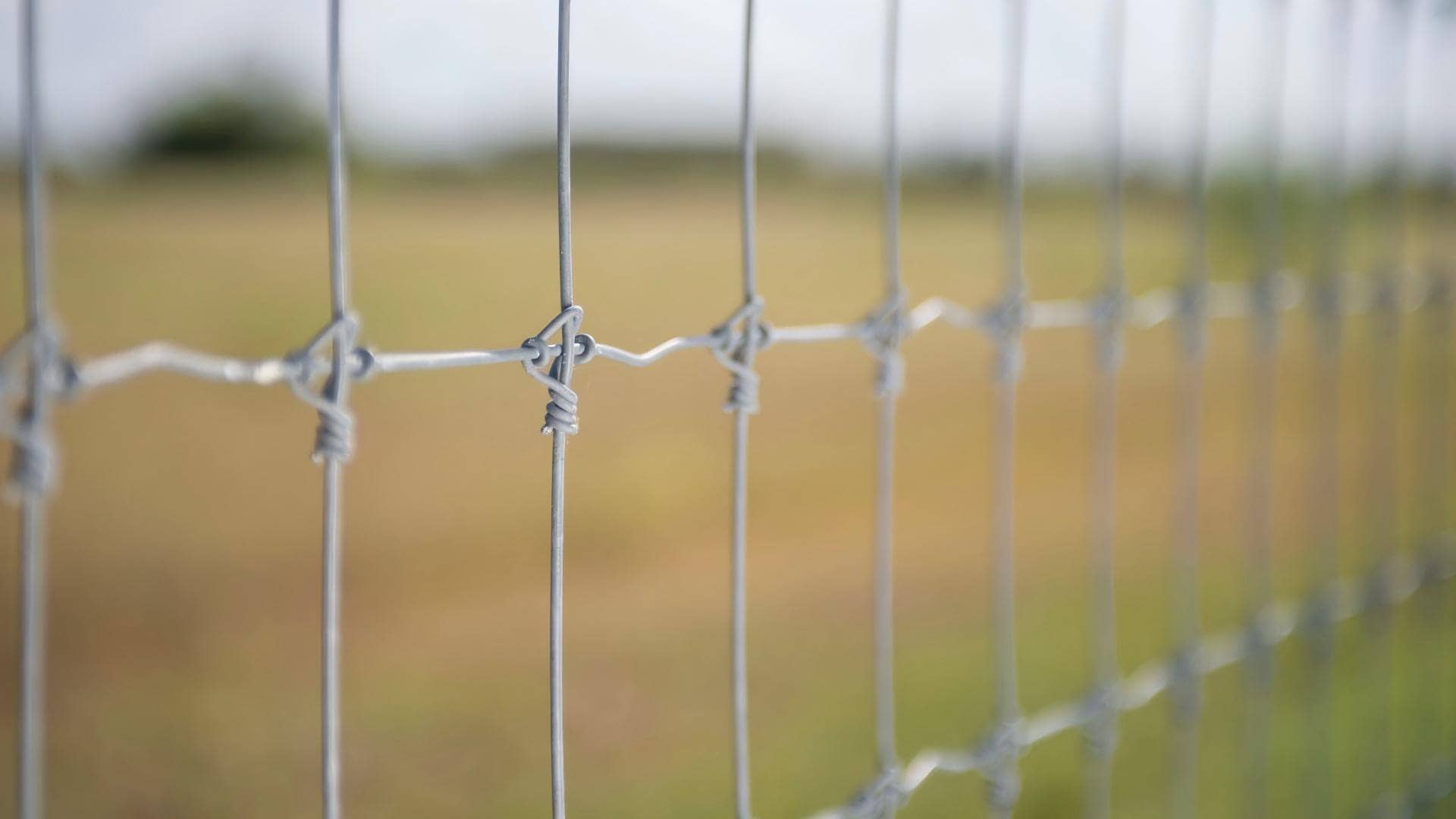
- Knot construction
- Mesh configuration
- Coating
- Fence height
- Post and installation system
A smaller-diameter high-tensile wire may therefore provide different performance characteristics from a larger-diameter conventional wire.
The correct comparison should consider the complete wire specification, not diameter alone.
Line Wires vs Stay Wires
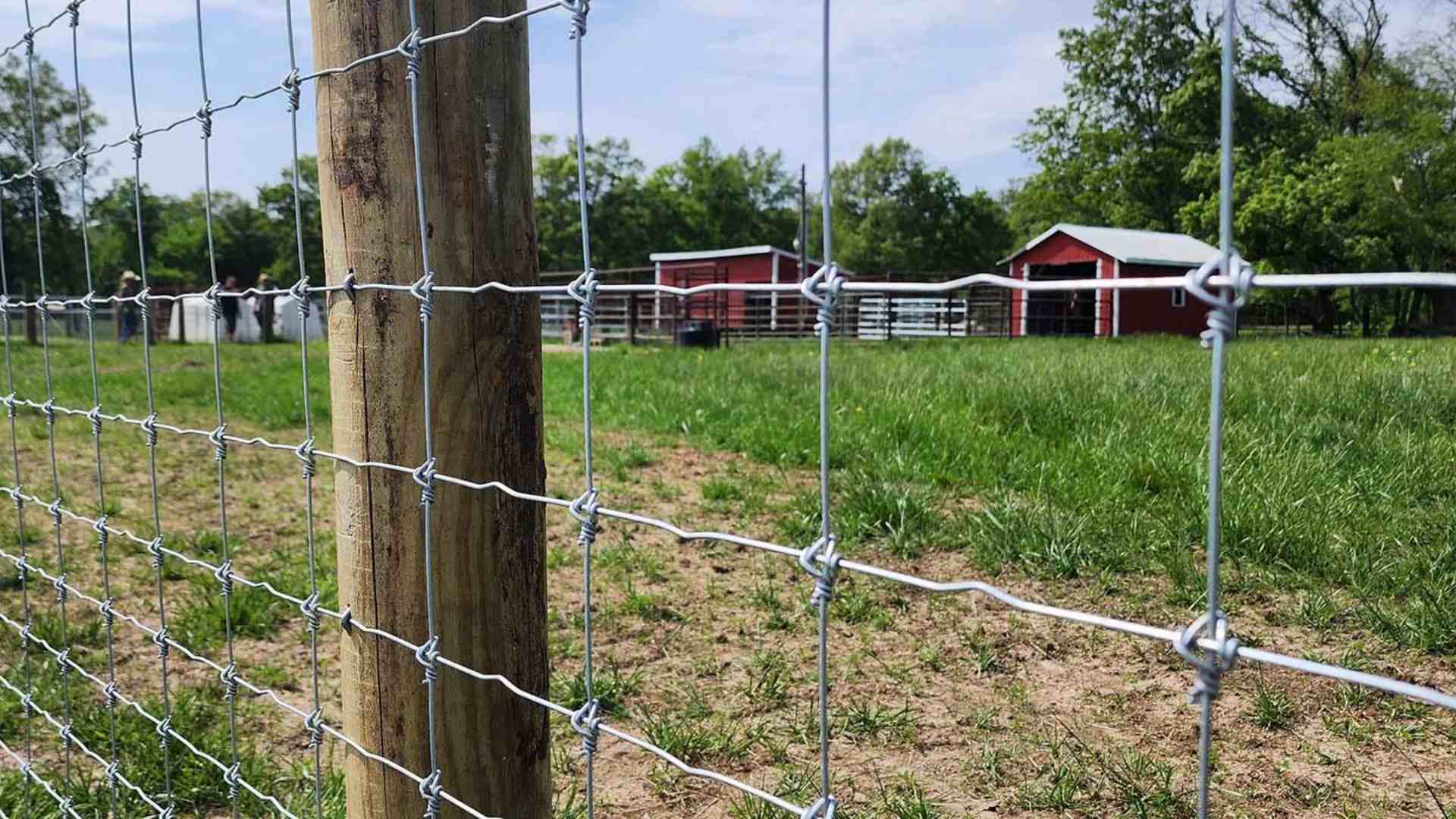
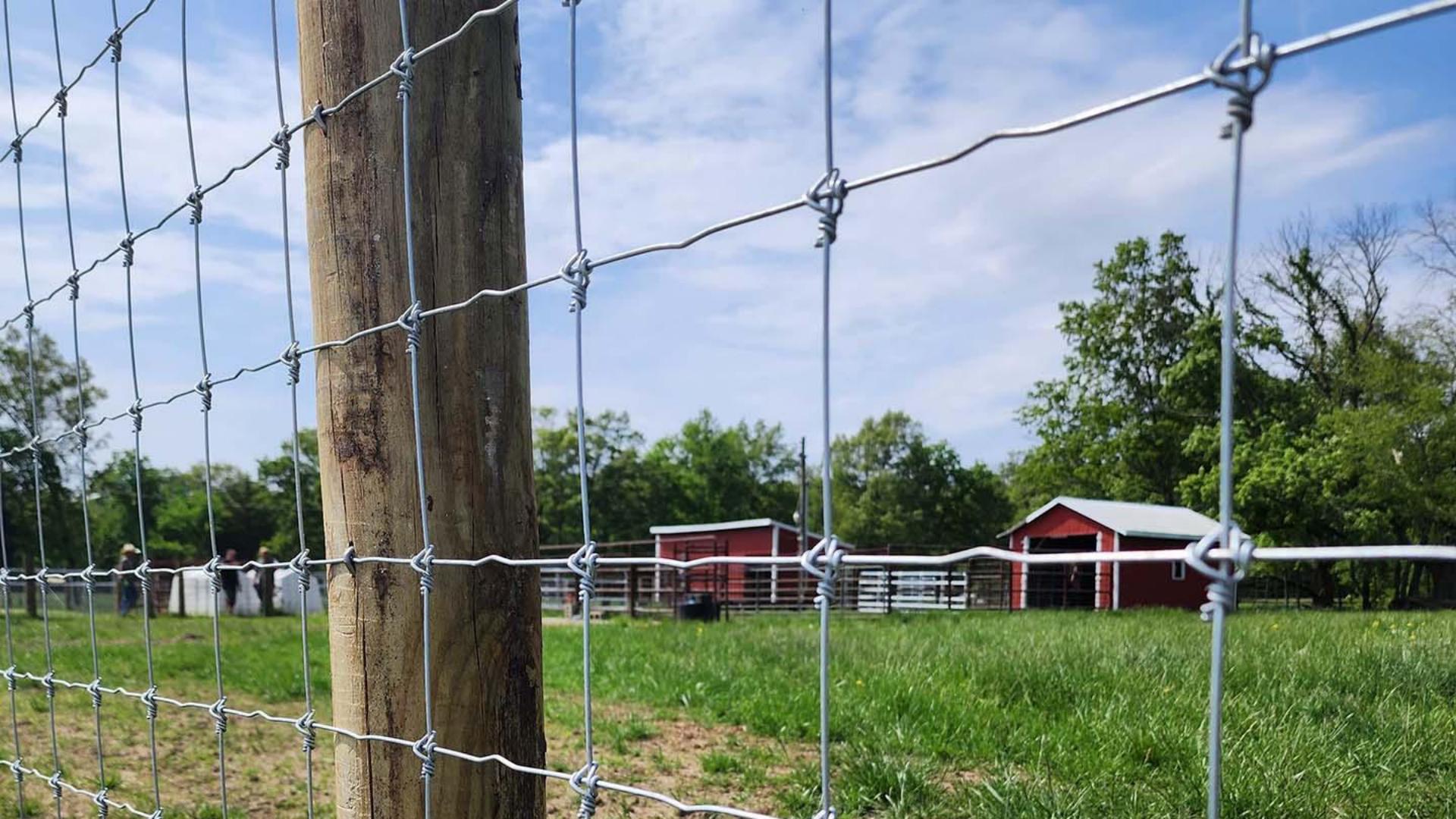
Woven wire fence typically consists of:
- Horizontal line wires
- Vertical stay wires
These wires perform different structural functions and may not always use identical specifications.
Line wires provide the main horizontal structure of the fence, while stay wires maintain the vertical mesh configuration.
Depending on the fence design, line and stay wires may differ in diameter, tensile strength, or coating.
When purchasing woven wire fence, the specification should therefore identify the construction of both wire components rather than treating the entire fence as a single wire size.
Conventional Wire vs High-Tensile Wire
Woven wire fence can be manufactured using conventional-strength or high-tensile wire.
Conventional Wire
Conventional wire generally uses lower tensile strength and relies more heavily on the complete fence structure, including posts and wire configuration.
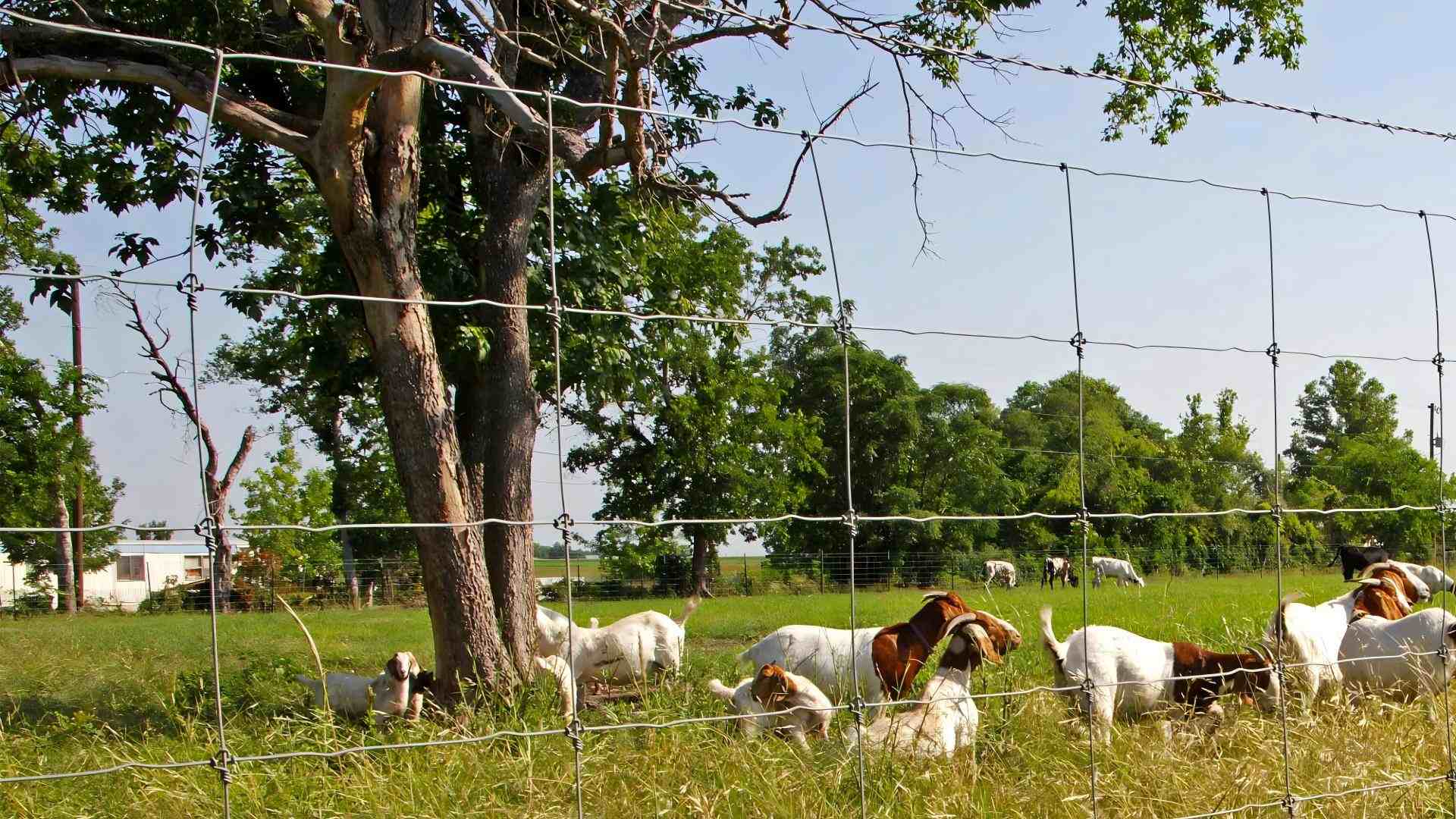
It is commonly used for general agricultural and livestock fencing.
High-Tensile Wire
High-tensile wire provides higher tensile strength and can allow a fence to maintain its structural performance with less wire elongation under load.
High-tensile woven wire fence is commonly used for demanding agricultural, livestock, and wildlife applications.
However, high tensile strength does not automatically make one fence suitable for every application. The complete fence system must be considered.
How to Select Wire Size
When selecting wire size for woven wire fence, consider the following factors.
1. Application
Identify what the fence needs to contain or exclude.
Livestock, wildlife, agriculture, and perimeter applications can have different requirements.
2. Animal Pressure
Larger or more active animals may require a more robust fence specification.
3. Fence Height and Mesh
Wire size should be considered together with fence height and mesh opening.
4. Tensile Strength
Compare tensile strength as well as diameter, particularly when evaluating high-tensile products.
5. Corrosion Environment
Wire coating affects service life and should be selected according to environmental conditions.
6. Applicable Specification
Confirm the gauge system, actual diameter, tensile strength, coating, and tolerances specified for the product.
Common Specification Mistakes
Several mistakes can create problems during purchasing.
Specifying Gauge Only
A gauge number without a defined gauge system may be ambiguous.
Comparing Gauge Numbers Directly
A smaller gauge number generally indicates a larger wire within the same system, but different gauge systems should not be compared without conversion.
Ignoring Tensile Strength
Two wires with similar diameters can have significantly different tensile properties.
Ignoring Coating
Corrosion resistance can have a major effect on long-term fence performance.
Focusing Only on Wire Diameter
Fence performance depends on the complete construction, not a single specification.
Conclusion
Wire gauge is an important woven wire fence specification, but it should not be used alone to determine fence performance.
For accurate purchasing and engineering evaluation, consider wire diameter, tensile strength, coating, knot construction, mesh configuration, and application together.
For international projects, stating the actual wire diameter and applicable specification can help avoid ambiguity when comparing products from different suppliers.
FAQ
What gauge wire is best for woven wire fence?
There is no single gauge suitable for every woven wire fence. The appropriate wire size depends on the fence type, application, mesh configuration, tensile strength, and required performance.
Is a lower gauge wire stronger?
Within the same gauge system, a lower gauge number generally represents a larger wire. However, wire strength also depends on material and tensile properties, so gauge alone should not be used to compare strength.
Is wire diameter more important than gauge?
For technical purchasing, actual wire diameter can provide a clearer dimensional specification. Gauge should also identify the applicable gauge system.
What is high-tensile fence wire?
High-tensile fence wire is manufactured to provide higher tensile strength than conventional fence wire. It is commonly used in agricultural, livestock, and wildlife fencing.
Should line wires and stay wires have the same diameter?
Not necessarily. Their specifications can differ depending on the fence design and intended application.