Introduction
Industrial and commercial buildings require flooring and access systems that provide strength, safety, drainage, and long-term durability. Whether supporting personnel access, equipment maintenance, utility infrastructure, or drainage systems, the materials used must withstand demanding service conditions while meeting safety and operational requirements.
Bar grating has become one of the most widely specified solutions for these applications. Its open-grid structure offers exceptional load-bearing performance while allowing air, light, water, and debris to pass through.
From manufacturing facilities and warehouses to commercial buildings and utility plants, bar grating plays a critical role in modern construction.
This guide explains how bar grating is used in industrial and commercial buildings and provides practical recommendations for selecting the right grating type for specific applications.
What Is Bar Grating?
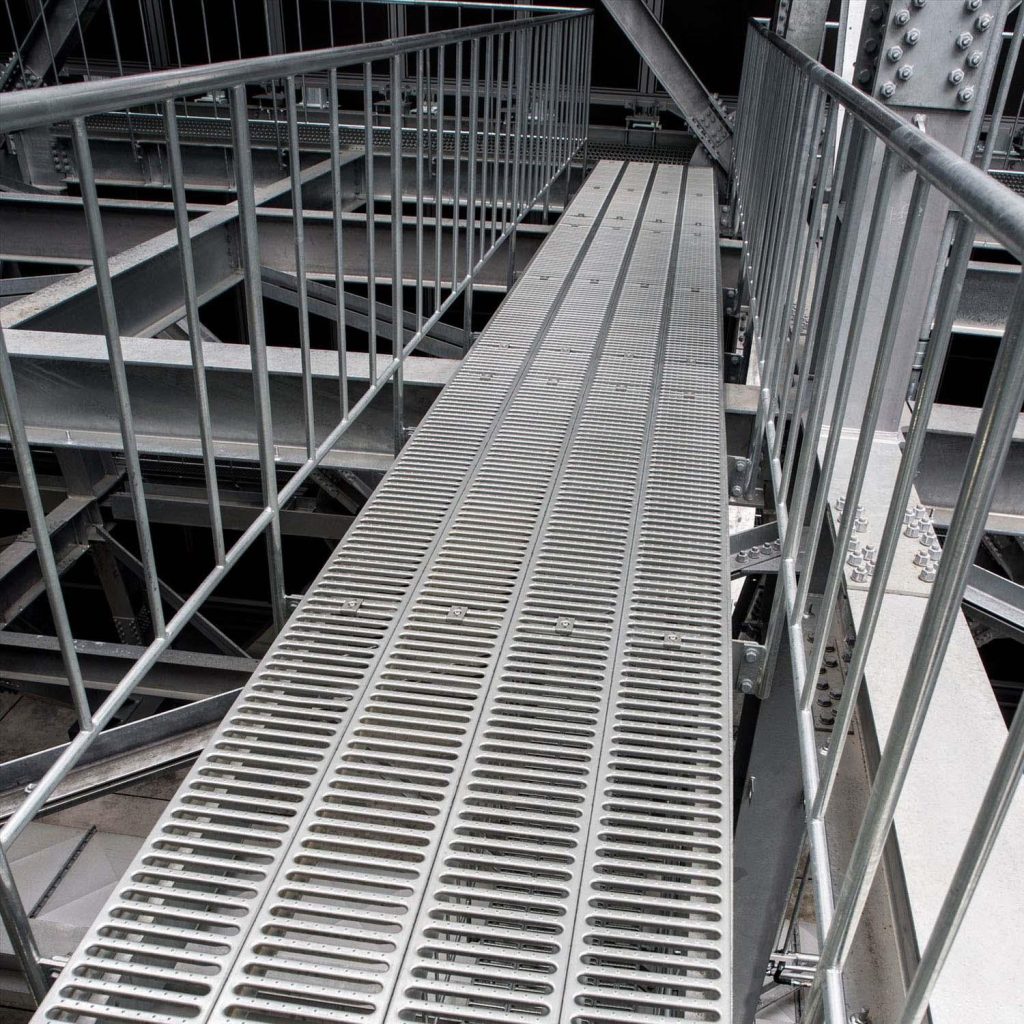
Bar grating consists of parallel bearing bars joined by cross bars to form a rigid load-bearing panel.
Depending on manufacturing methods, grating may be supplied as:
- Welded Steel Bar Grating
- Press-Locked Grating
- Swage-Locked Grating
- Riveted Grating
Common materials include:
- Carbon Steel
- Hot-Dip Galvanized Steel
- Stainless Steel
- Aluminum
Why Bar Grating Is Widely Used in Construction
High Load Capacity
The primary advantage of bar grating is its ability to support heavy loads while minimizing material weight.
Benefits include:
- Structural efficiency
- Reduced dead load
- Long spans
- Reliable performance
Drainage and Ventilation
The open-grid structure allows:
- Water drainage
- Air circulation
- Light transmission
- Debris removal
This reduces slip hazards and minimizes maintenance requirements.
Worker Safety
Bar grating improves safety by:
- Providing slip-resistant walking surfaces
- Preventing standing water accumulation
- Supporting safe access routes
Low Maintenance
Galvanized and stainless steel grating systems provide excellent resistance to corrosion and wear.
This contributes to lower lifecycle costs.
Common Applications in Industrial Buildings
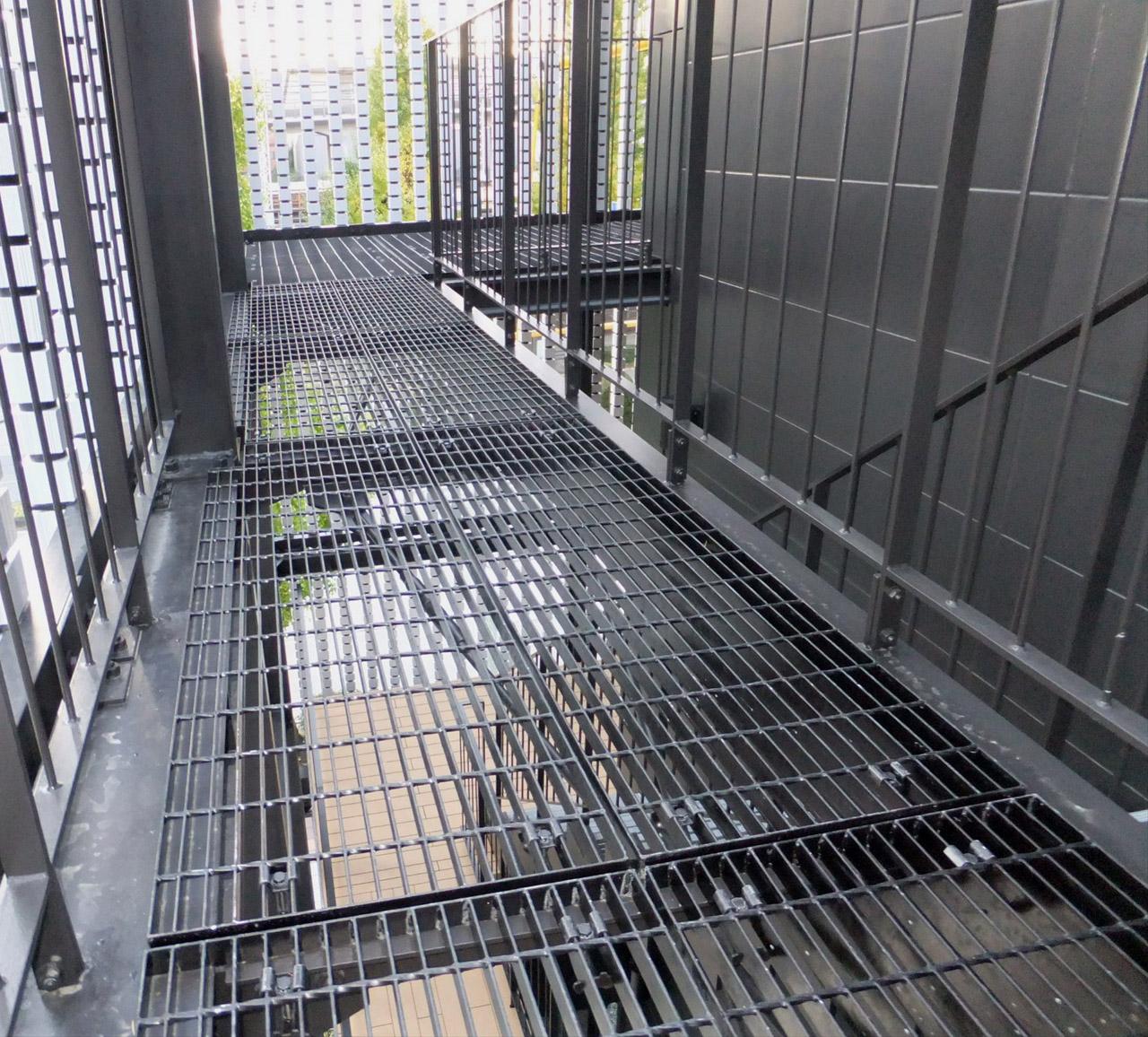
Walkways and Catwalks
Industrial facilities frequently use bar grating for:
- Maintenance walkways
- Elevated catwalks
- Access routes
- Inspection paths
Advantages include:
- High strength
- Slip resistance
- Visibility
- Drainage
Equipment Platforms
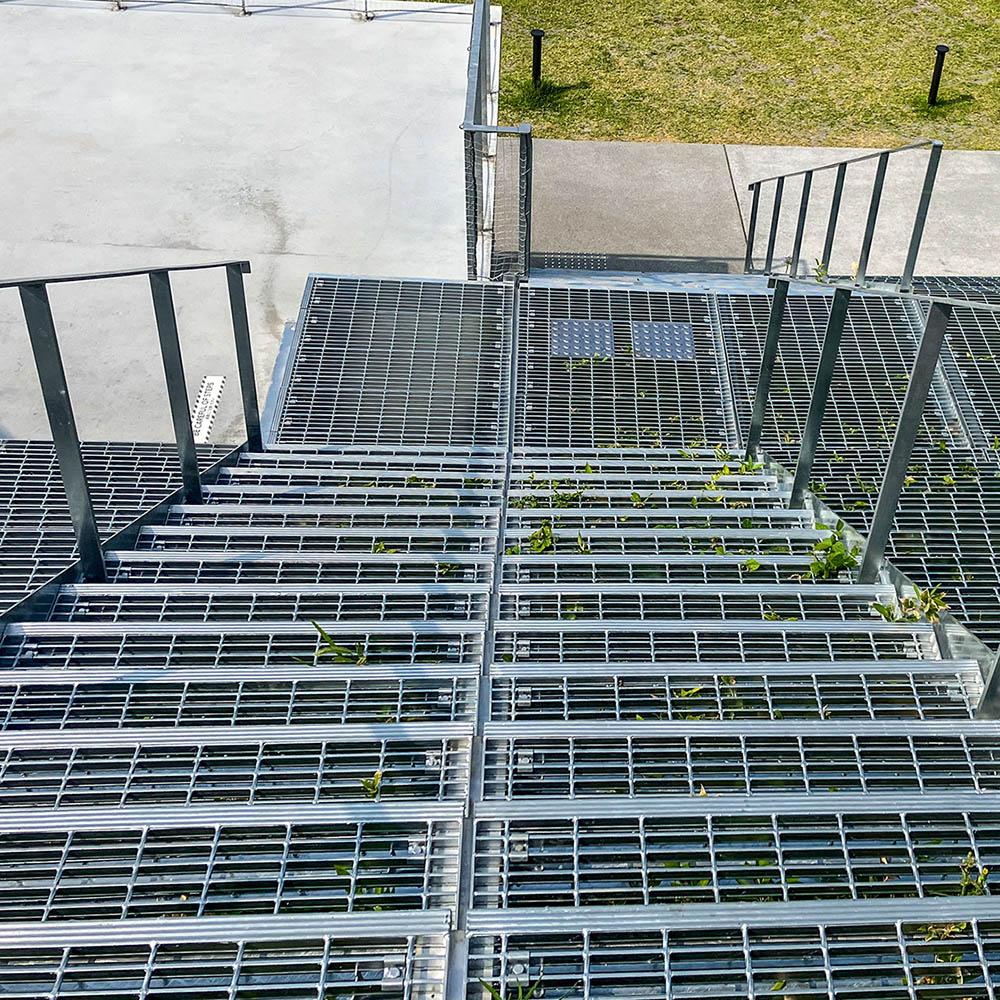
Bar grating is commonly installed around:
- Pumps
- Compressors
- Generators
- Processing equipment
The open design helps maintain safe working conditions while allowing access for inspection and maintenance.
Mezzanines and Access Floors
Industrial buildings often utilize grating for elevated work areas.
Benefits include:
- Reduced structural weight
- Improved ventilation
- Easier utility routing
Common Applications in Commercial Buildings
Drainage Systems
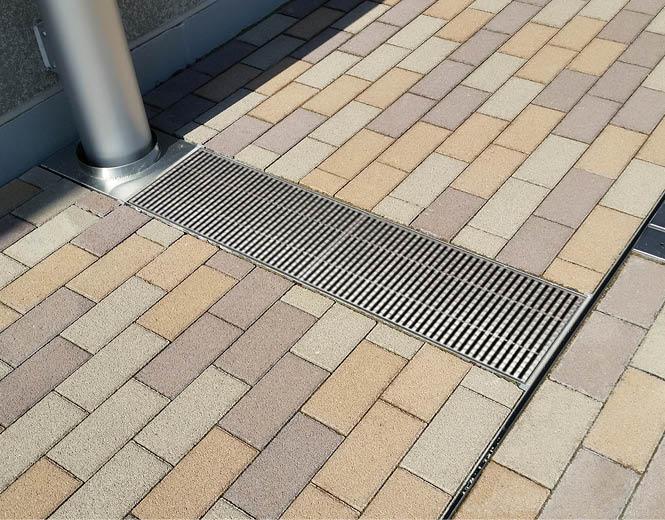
Commercial projects frequently use bar grating to cover:
- Trench drains
- Stormwater channels
- Utility trenches
The open design allows water flow while maintaining pedestrian and vehicle access.
Parking Structures
Bar grating may be used in:
- Drainage systems
- Maintenance platforms
- Equipment access areas
Building Services Areas
Commercial buildings often install grating around:
- HVAC equipment
- Cooling towers
- Mechanical systems
to facilitate maintenance access.
Infrastructure Applications
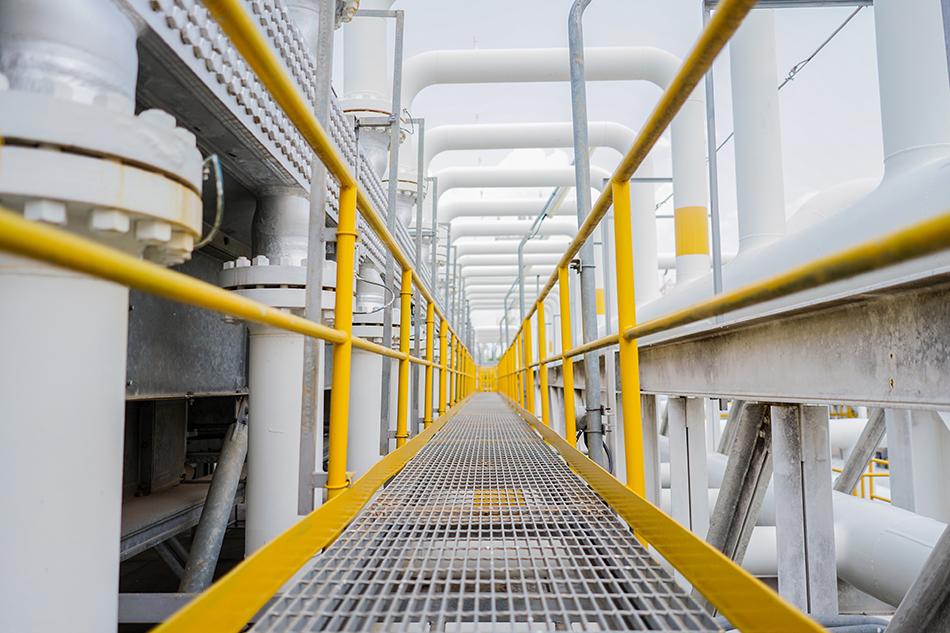
Water Treatment Facilities
Water treatment plants rely heavily on galvanized and stainless steel grating due to continuous exposure to moisture.
Applications include:
- Walkways
- Access platforms
- Equipment zones
Power Generation Facilities
Power plants utilize grating systems for:
- Elevated platforms
- Equipment access
- Safety walkways
Transportation Infrastructure
Grating is commonly used in:
- Airports
- Rail facilities
- Transit stations
- Maintenance depots
Bar Grating Types Comparison Table
| Type | Advantages | Typical Applications |
|---|---|---|
| Welded Steel Grating | Economical, strong | Industrial flooring |
| Press-Locked Grating | Architectural appearance | Commercial buildings |
| Swage-Locked Grating | Aluminum applications | Architectural projects |
| Riveted Grating | Heavy-duty service | Industrial plants |
Material Selection Guide
| Material | Recommended Applications |
|---|---|
| Carbon Steel | Interior industrial environments |
| Galvanized Steel | General outdoor applications |
| Stainless Steel | Corrosive environments |
| Aluminum | Lightweight architectural projects |
Recommended Specifications Table
| Application | Material | Typical Depth |
|---|---|---|
| Walkways | Galvanized Steel | 25–40 mm |
| Platforms | Galvanized Steel | 30–50 mm |
| Drainage Covers | Galvanized Steel | 25–40 mm |
| Water Treatment Plants | Stainless Steel | 30–50 mm |
| Architectural Applications | Aluminum | 20–40 mm |
Bar Grating vs Expanded Metal
| Feature | Bar Grating | Expanded Metal |
|---|---|---|
| Load Capacity | Excellent | Good |
| Drainage | Excellent | Excellent |
| Weight | Moderate | Light |
| Structural Applications | Excellent | Moderate |
| Cost | Higher | Lower |
| Architectural Appearance | Good | Good |
Bar grating is generally preferred for higher load-bearing applications, while expanded metal is often selected for lighter-duty walkways and screening systems.
Specification Considerations
Load Requirements
Load calculations should account for:
- Pedestrian traffic
- Equipment loads
- Vehicle traffic
- Maintenance activities
Span Length
Longer spans may require:
- Deeper bearing bars
- Additional support structures
Corrosion Resistance
Environmental conditions significantly influence material selection.
Projects near coastal or chemical environments often specify:
- Stainless steel
- Hot-dip galvanized steel
Surface Treatment
Common finishes include:
- Mill Finish
- Painted
- Hot-Dip Galvanized
- Powder Coated
Common Specification Mistakes
Selecting Based Only on Cost
Lower-cost grating may not provide adequate load capacity.
Ignoring Corrosion Conditions
Improper material selection can significantly shorten service life.
Underestimating Maintenance Loads
Maintenance personnel and equipment often create higher loads than expected.
Using Architectural Grating for Industrial Service
Decorative products may not meet structural requirements.
Facility Type Selection Guide
| Facility Type | Recommended Solution |
|---|---|
| Warehouse | Welded Steel Grating |
| Manufacturing Plant | Galvanized Steel Grating |
| Water Treatment Facility | Stainless Steel Grating |
| Commercial Building | Press-Locked Grating |
| Airport Facility | Galvanized Steel Grating |
| Utility Plant | Heavy-Duty Welded Grating |
Conclusion
Bar grating remains one of the most reliable and versatile materials for industrial and commercial construction projects. Its combination of strength, drainage, ventilation, and durability makes it suitable for walkways, platforms, drainage systems, and infrastructure applications.
Selecting the appropriate grating type, material, and finish ensures long-term performance while supporting safety and operational efficiency.