Introduction
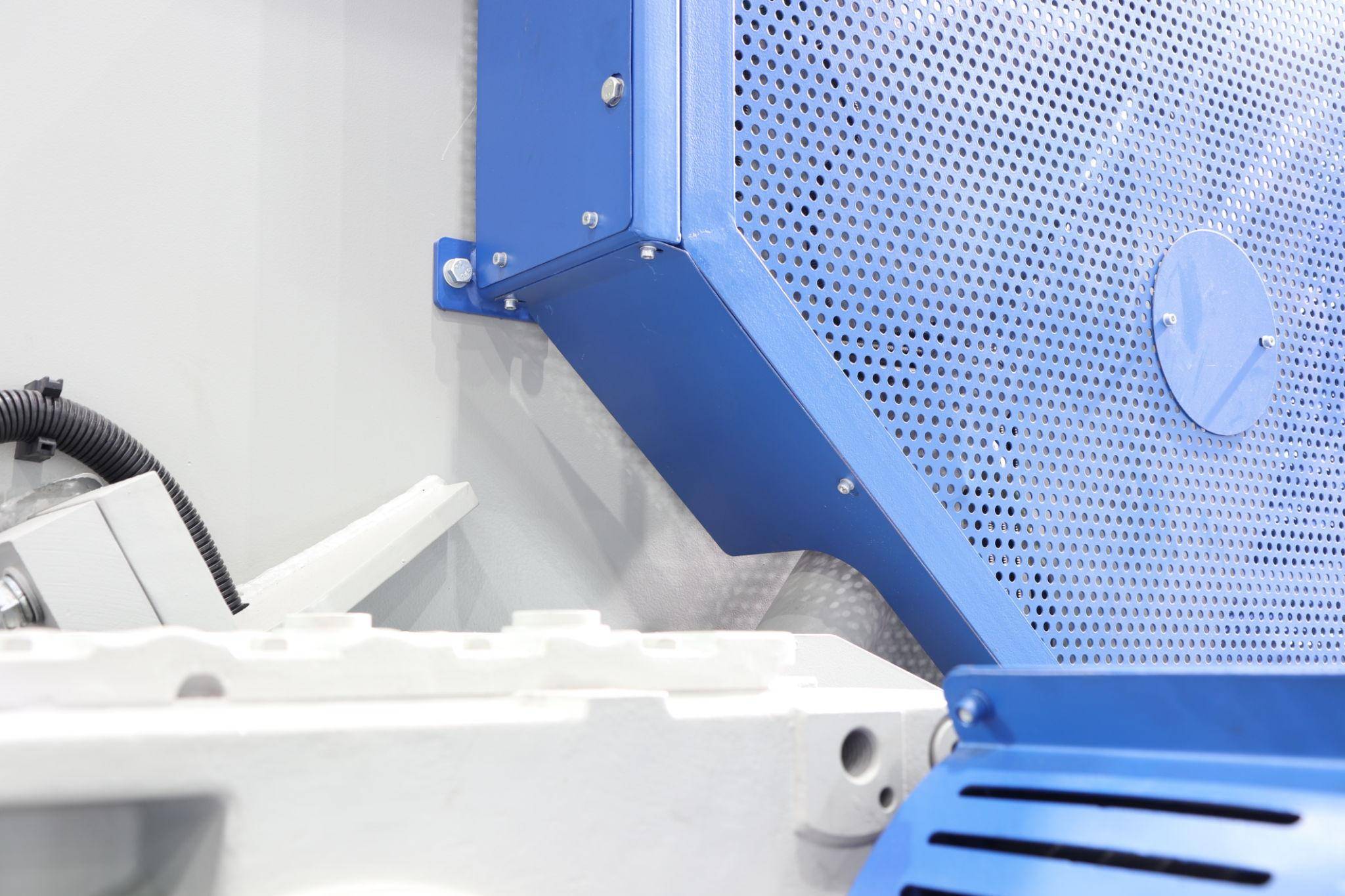
Industrial facilities depend on reliable ventilation systems, equipment protection measures, and safety infrastructure to maintain efficient operations. Manufacturing plants, processing facilities, warehouses, and utility installations often require materials that allow airflow while protecting equipment and personnel.
Perforated metal has become one of the most widely specified solutions for these applications. Its unique combination of strength, visibility, airflow, and design flexibility makes it suitable for a broad range of industrial environments.
From HVAC intake screens and machinery enclosures to acoustic panels and safety barriers, perforated metal helps facilities improve performance while reducing maintenance requirements.
This article explores the most common industrial applications of perforated metal and provides guidance for selecting suitable materials and specifications.
Why Perforated Metal Is Widely Used in Industrial Facilities
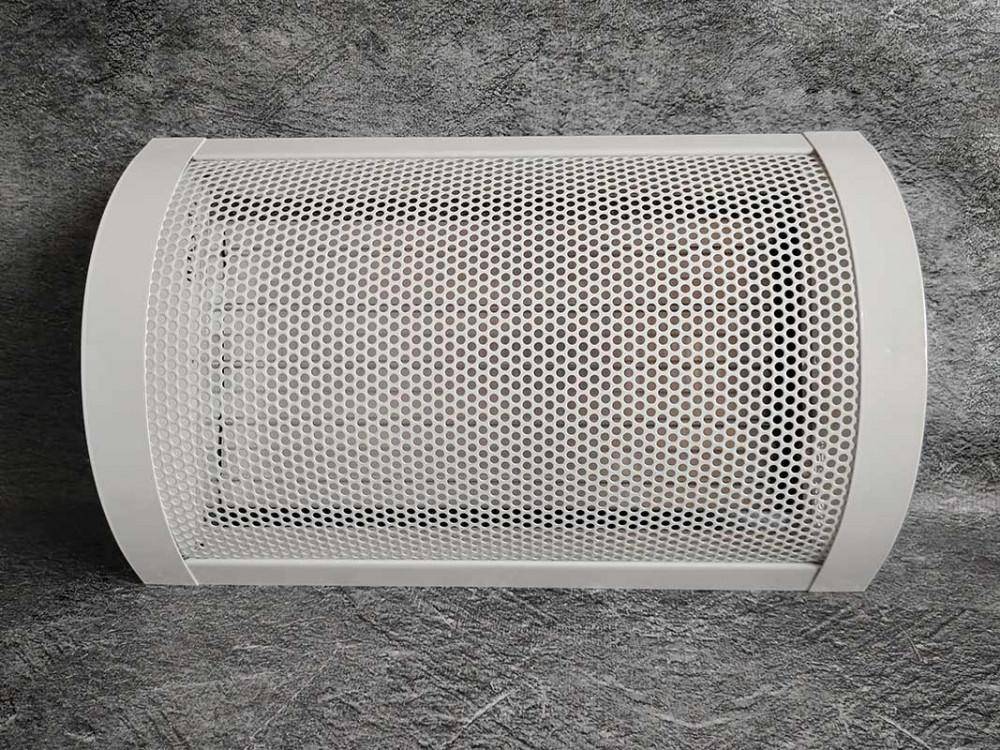
Unlike solid sheet metal, perforated metal provides controlled open area while maintaining structural integrity.
This allows facilities to achieve:
- Air circulation
- Equipment protection
- Visibility
- Noise reduction
- Lightweight construction
The ability to customize hole patterns, open area percentages, and materials further expands its usefulness.
Industrial Ventilation Applications
Proper airflow is critical in industrial environments.
Perforated metal is commonly used in:
- HVAC intake panels
- Exhaust screens
- Mechanical room ventilation
- Air handling equipment enclosures
Benefits
- Excellent airflow
- Protection from debris
- Durable construction
- Low maintenance
Equipment Enclosures and Screens
Industrial facilities frequently use perforated metal to protect:
- Generators
- Compressors
- Pumps
- HVAC equipment
- Electrical systems
The material provides a protective barrier without restricting ventilation.
Machine Protection Systems
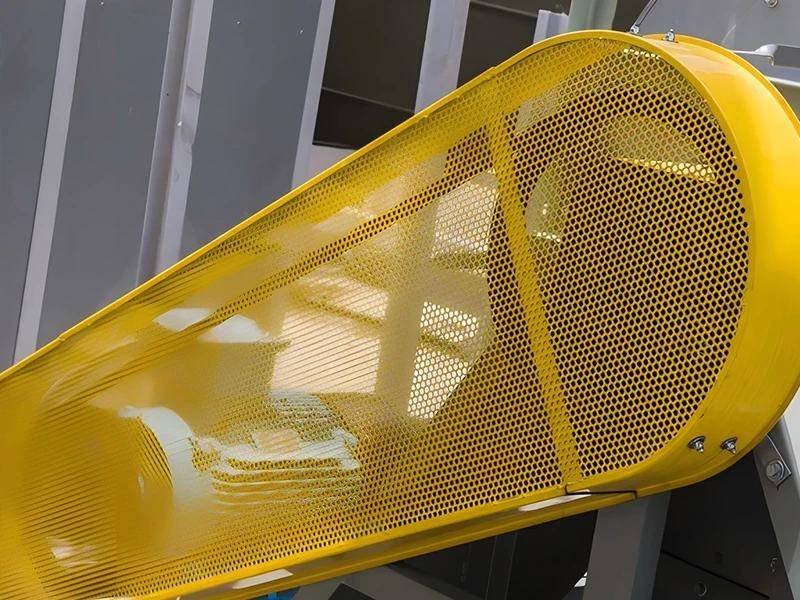
Manufacturing facilities often require guarding systems around:
- Production equipment
- Processing machinery
- Conveyors
- Automated systems
Perforated metal allows operators to visually inspect equipment while maintaining safety separation.
Acoustic and Noise Control Applications
Noise control is a major concern in many industrial environments.
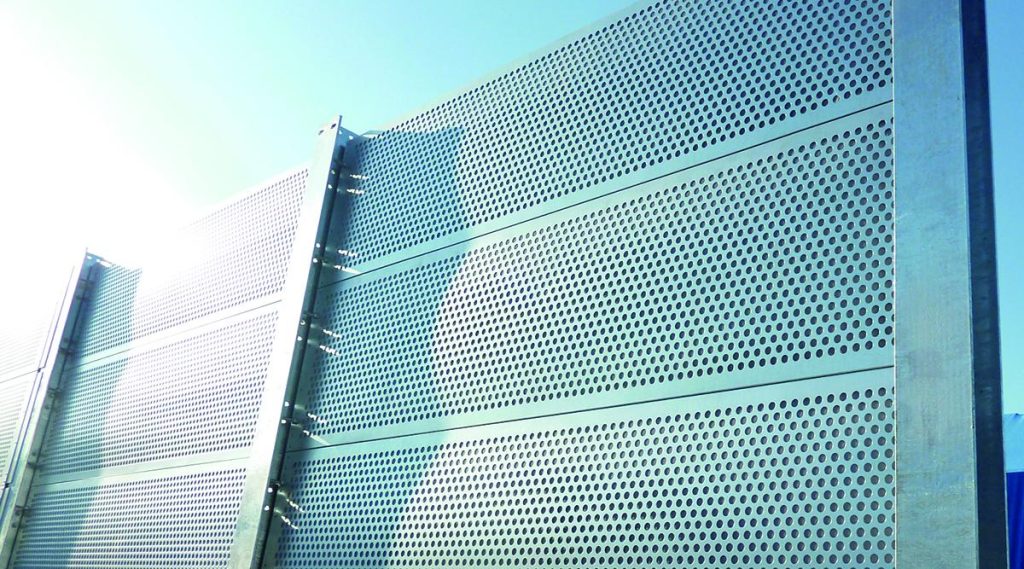
Perforated metal panels are often combined with acoustic insulation to create:
- Sound attenuation panels
- Equipment enclosures
- Noise barriers
- Acoustic ceilings
These systems help reduce workplace noise levels and improve working conditions.
Security and Protective Barriers
Perforated metal is also used for:
- Facility security screens
- Equipment protection barriers
- Restricted access areas
- Utility enclosures
Its visibility allows monitoring while providing physical protection.
Common Industrial Applications Table
| Application | Primary Benefit |
|---|---|
| HVAC Screens | Airflow + protection |
| Equipment Enclosures | Ventilation + security |
| Machine Guards | Safety + visibility |
| Acoustic Panels | Noise reduction |
| Utility Screens | Equipment protection |
| Security Barriers | Controlled access |
Perforated Metal vs Welded Wire Mesh
| Feature | Perforated Metal | Welded Wire Mesh |
|---|---|---|
| Airflow | Excellent | Excellent |
| Visibility | Good | Excellent |
| Security | Excellent | Good |
| Noise Control | Excellent | Limited |
| Appearance | Excellent | Functional |
| Customization | Excellent | Good |
Material Selection Guide
| Environment | Recommended Material |
|---|---|
| Indoor Manufacturing | Carbon Steel |
| General Industrial Use | Galvanized Steel |
| Food Processing | Stainless Steel |
| Chemical Plants | Stainless Steel |
| Outdoor Utility Facilities | Galvanized Steel |
| Coastal Environments | Stainless Steel |
Recommended Specifications Table
| Application | Hole Size | Open Area |
|---|---|---|
| Ventilation Panels | 3–10 mm | 30–50% |
| Equipment Screens | 5–12 mm | 30–45% |
| Machine Guards | 5–8 mm | 25–40% |
| Acoustic Panels | 1–5 mm | 15–30% |
| Security Screens | 3–8 mm | 20–35% |
Design Considerations
Open Area Percentage
Open area directly affects:
- Airflow
- Visibility
- Structural strength
- Noise performance
Balancing these factors is essential.
Material Thickness
Thicker sheets provide greater durability but may reduce airflow and increase weight.
Corrosion Resistance
Environmental exposure should guide material selection and finishing requirements.
Maintenance Accessibility
Equipment enclosures should allow easy inspection and servicing.
Common Specification Mistakes
Choosing Excessive Open Area
Too much open area may reduce structural strength.
Ignoring Environmental Conditions
Corrosion can significantly shorten service life.
Selecting Incorrect Hole Patterns
Hole configuration should match application requirements.
Overlooking Maintenance Requirements
Equipment access should be considered during design.
Facility Type Selection Guide
| Facility Type | Recommended Application |
|---|---|
| Manufacturing Plant | Machine Guards |
| Warehouse | Ventilation Screens |
| Utility Facility | Equipment Enclosures |
| Data Center | HVAC Protection Panels |
| Food Processing Plant | Stainless Steel Screens |
| Chemical Facility | Corrosion-Resistant Panels |
Conclusion
Perforated metal offers an effective solution for industrial ventilation, equipment protection, machine guarding, and noise control. Its ability to balance airflow, visibility, durability, and security makes it one of the most versatile materials used in industrial facilities.
When properly specified, perforated metal systems can improve equipment performance, enhance worker safety, and reduce long-term maintenance requirements.