Introduction
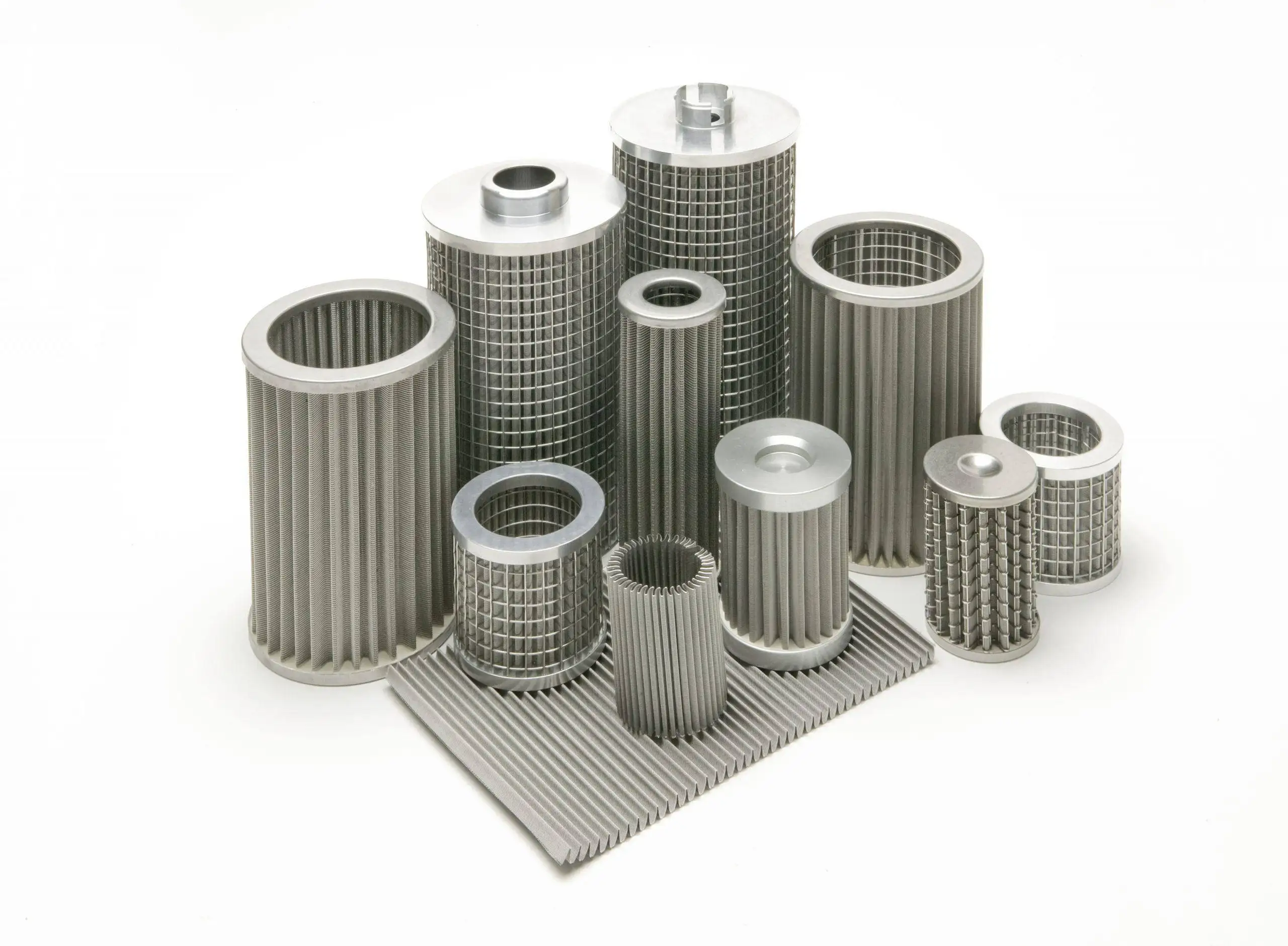
Liquid filtration is a critical process across numerous industries, including water treatment, food processing, pharmaceuticals, chemicals, mining, and manufacturing. Effective filtration helps remove unwanted particles, protect downstream equipment, improve product quality, and maintain process consistency.
At the heart of many filtration systems is woven wire mesh. However, selecting the right mesh involves more than simply choosing a mesh count. Engineers must evaluate particle size, flow requirements, pressure conditions, material compatibility, and maintenance considerations.
This guide explains the key factors involved in selecting wire mesh for liquid filtration applications and provides practical recommendations for common industrial processes.
Why Mesh Selection Matters
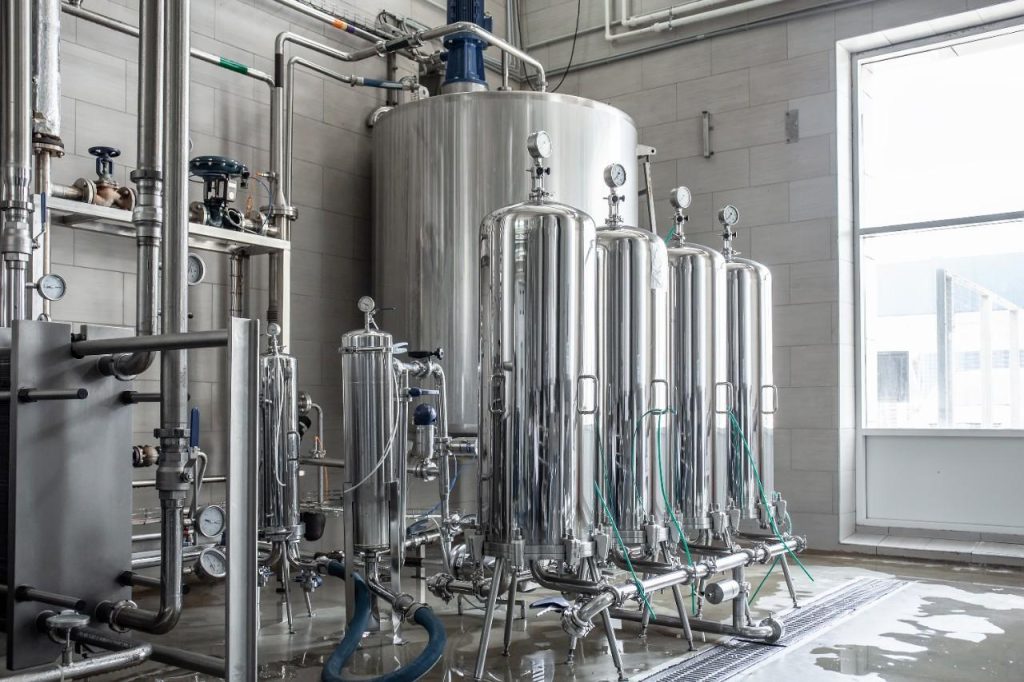
An improperly specified filtration mesh can result in:
- Reduced filtration efficiency
- Excessive pressure drop
- Frequent maintenance
- Product contamination
- Equipment damage
Conversely, a properly selected mesh helps optimize:
- Flow performance
- Filtration accuracy
- Equipment reliability
- Operating costs
Understanding Filtration Requirements
Before selecting a mesh specification, engineers should define:
Target Particle Size
The filtration system should remove particles larger than the required retention threshold.
Questions to consider:
- What contaminants must be removed?
- What particle size range is expected?
- Is absolute or nominal filtration required?
Flow Rate Requirements
Higher flow rates generally require:
- Larger open area
- Appropriate wire diameter
- Optimized mesh structure
Excessively fine mesh can reduce throughput.
Operating Pressure
Pressure differential affects:
- Structural requirements
- Mesh durability
- Filter lifespan
Applications with high pressure often benefit from reinforced mesh constructions.
Key Mesh Selection Factors
Mesh Count
Mesh count refers to the number of openings per linear inch.
General Guidelines
| Mesh Count | Typical Filtration Level |
|---|---|
| 20–40 Mesh | Coarse Filtration |
| 60–100 Mesh | Medium Filtration |
| 150–250 Mesh | Fine Filtration |
| 300–500 Mesh | Precision Filtration |
Opening Size
Opening size directly determines particle retention capability.
Smaller openings generally provide:
- Higher filtration efficiency
- Lower flow capacity
Larger openings provide:
- Higher flow rates
- Lower pressure drop
Wire Diameter
Wire diameter influences:
- Strength
- Open area
- Flow performance
Thicker wires provide durability but reduce open area.
Open Area Percentage
Open area affects:
- Flow efficiency
- Pressure drop
- Filter performance
Engineers often seek the highest practical open area while maintaining required filtration performance.
Choosing the Right Weave Type
Plain Weave
Most common style.
Advantages:
- Cost-effective
- Versatile
- Good dimensional stability
Applications:
- General liquid filtration
- Water treatment
- Industrial processing
Twill Weave
Provides:
- Higher mesh counts
- Better particle retention
Applications:
- Fine filtration
- Precision process filtration
Dutch Weave
Designed specifically for filtration.
Advantages:
- Extremely fine retention
- High mechanical strength
Applications:
- Polymer filtration
- Petrochemical processing
- Precision liquid filtration
Material Selection Guide
Stainless Steel 304
Best for:
- General industrial filtration
- Water treatment
- Manufacturing
Advantages:
- Corrosion resistance
- Cost effectiveness
Stainless Steel 316
Best for:
- Chemical processing
- Marine environments
- Food and pharmaceutical applications
Advantages:
- Superior corrosion resistance
- Long service life
Specialty Alloys
Used in:
- High-temperature environments
- Aggressive chemical processes
- Specialized industrial systems
Common Industry Applications
Water Treatment
Filtration objectives:
- Sediment removal
- Debris control
- Equipment protection
Recommended mesh:
- Plain weave stainless steel
Food and Beverage Processing
Requirements:
- Hygiene
- Corrosion resistance
- Consistent filtration
Recommended mesh:
- Stainless Steel 316
Pharmaceutical Manufacturing
Requirements:
- Precision filtration
- Cleanability
- Regulatory compliance
Recommended mesh:
- Fine woven stainless steel mesh
Chemical Processing
Requirements:
- Chemical compatibility
- High durability
Recommended mesh:
- Stainless Steel 316
- Dutch weave mesh
Liquid Filtration Application Table
| Industry | Recommended Mesh Type |
|---|---|
| Water Treatment | Plain Weave |
| Food Processing | Plain Weave SS316 |
| Beverage Production | Plain Weave SS316 |
| Pharmaceutical | Fine Weave |
| Chemical Processing | Dutch Weave |
| Petrochemical | Dutch Weave |
Material Comparison Table
| Material | Corrosion Resistance | Cost | Typical Application |
|---|---|---|---|
| SS304 | Good | Moderate | General Filtration |
| SS316 | Excellent | Higher | Chemical & Food Processing |
| Carbon Steel | Limited | Low | Temporary Applications |
| Specialty Alloys | Excellent | High | Severe Environments |
Common Selection Mistakes
Choosing Mesh Count Without Considering Opening Size
Mesh count alone does not determine filtration performance.
Ignoring Flow Requirements
Excessively fine mesh may restrict production rates.
Selecting Incorrect Materials
Chemical compatibility should always be evaluated.
Overlooking Maintenance Requirements
Reusable mesh systems should support cleaning and inspection procedures.
Recommended Specification Table
| Application | Mesh Type | Material |
|---|---|---|
| Water Filtration | Plain Weave | SS304 |
| Food Processing | Plain Weave | SS316 |
| Pharmaceutical | Fine Weave | SS316 |
| Chemical Processing | Dutch Weave | SS316 |
| Petrochemical Filtration | Dutch Weave | SS316 |
Conclusion
Choosing the right mesh for liquid filtration applications requires balancing filtration efficiency, flow performance, material compatibility, and durability. By evaluating particle size requirements, operating conditions, and process objectives, engineers can select filtration media that delivers reliable long-term performance.
Woven wire mesh remains one of the most versatile and dependable filtration materials available, offering solutions for applications ranging from water treatment and food processing to pharmaceutical manufacturing and chemical processing.