Introduction
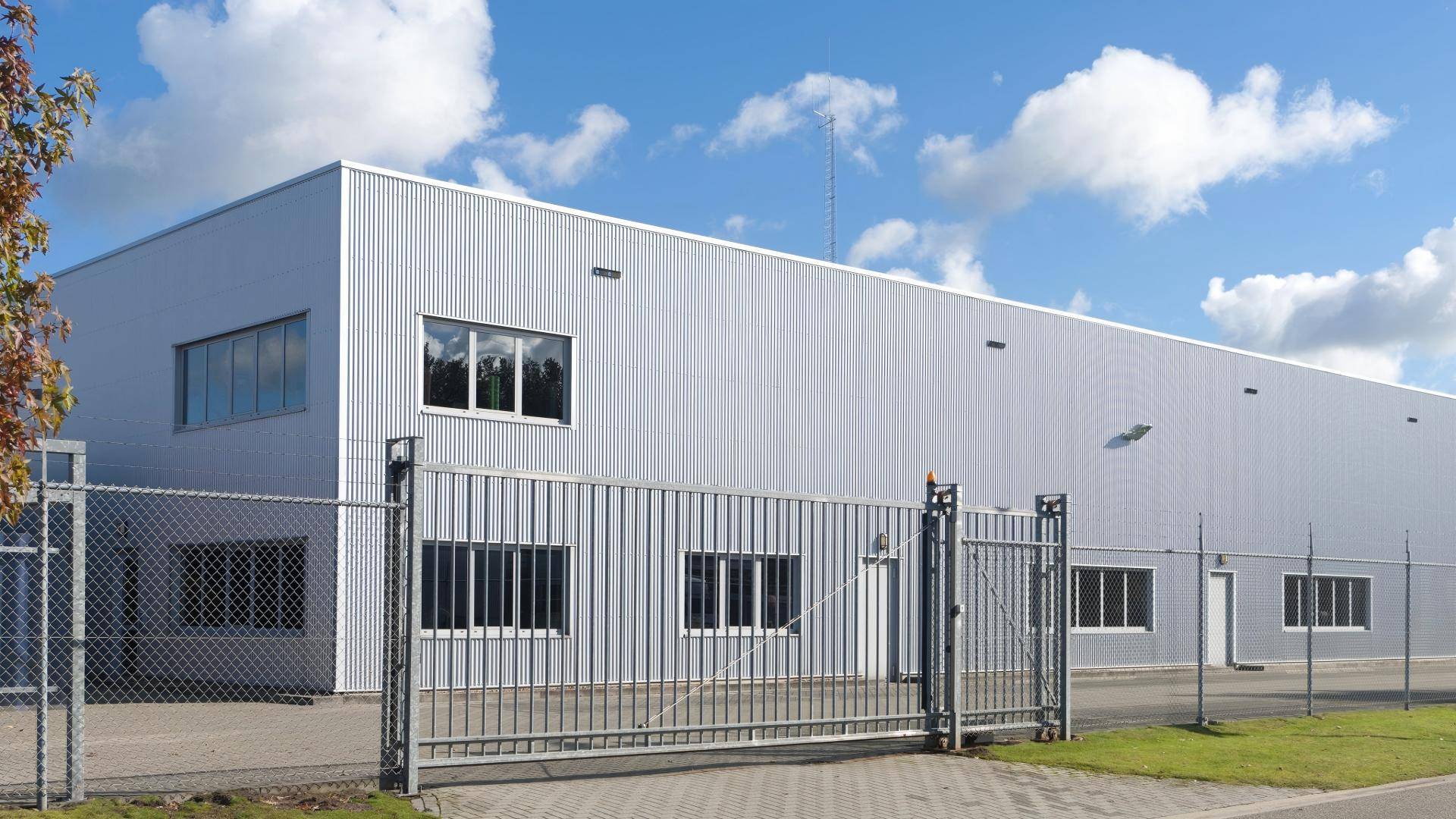
Warehouses and logistics centers are critical components of today’s global supply chain. These facilities operate around the clock, storing valuable inventory, coordinating freight movement, and managing vehicle traffic. As operations become increasingly automated and customer expectations continue to grow, securing these sites has become a top priority for facility owners and managers.
A well-designed perimeter fence does much more than define property boundaries. It helps prevent unauthorized access, protects inventory and equipment, improves employee safety, and supports access control systems. Choosing the right fencing solution requires careful consideration of security requirements, operating environment, maintenance expectations, and long-term ownership costs.
This guide explains the key factors to consider when selecting fencing for warehouses and logistics centers and compares the most commonly used industrial fencing systems.
Why Perimeter Security Matters
Warehouse facilities face a variety of security challenges that differ from those of commercial offices or residential properties. Distribution centers often operate 24 hours a day, receive frequent deliveries, and experience constant movement of trucks, contractors, employees, and visitors.
An effective perimeter fence should support multiple security objectives:
- Restrict unauthorized entry
- Protect valuable inventory and equipment
- Define secure operating areas
- Improve traffic management
- Support surveillance systems
- Enhance employee safety
- Reduce vandalism and theft risks
Rather than acting as a standalone barrier, fencing should be considered part of an integrated security strategy that includes controlled entrances, lighting, CCTV systems, and security personnel.
Key Factors When Selecting Warehouse Fencing
Choosing the right fence begins with understanding the operational needs of the facility. While every project is unique, most warehouse and logistics sites should evaluate the following factors.
Security Level
Different facilities require different levels of protection. A regional warehouse storing general merchandise may only need a standard perimeter fence, while pharmaceutical, electronics, or high-value distribution centers often require enhanced anti-climb security systems.
Higher-risk facilities should consider:
- Smaller mesh openings
- Heavy-duty wire diameters
- Anti-climb fence designs
- Extended fence heights
- Integrated barbed wire or razor wire where permitted
- Controlled vehicle and pedestrian access points
Visibility
Maintaining clear visibility across the perimeter is essential for effective monitoring. Open mesh fencing allows security personnel and surveillance cameras to observe activity on both sides of the fence without creating visual blind spots.
This visibility also improves lighting effectiveness during nighttime operations and helps security teams identify potential threats before they reach restricted areas.
Durability
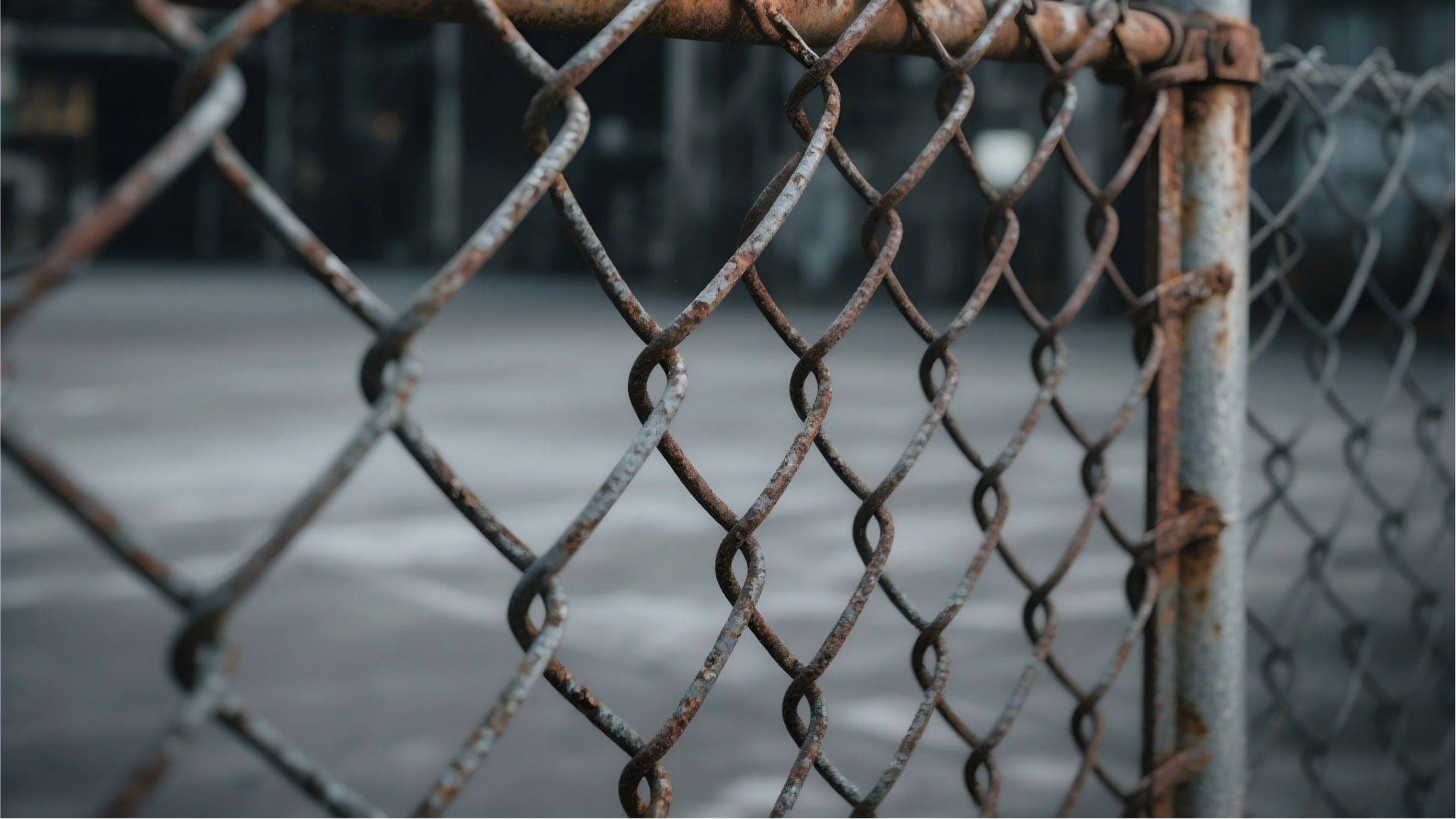
Warehouse fencing is exposed to changing weather conditions throughout the year. Facilities located near coastal regions, industrial zones, or areas with high humidity require corrosion-resistant materials and protective coatings.
Common protective finishes include:
| Environment | Recommended Finish |
|---|---|
| Inland industrial areas | Hot-dip galvanized |
| Commercial logistics parks | Galvanized + powder coated |
| Coastal regions | Galvanized + PVC coated |
| Chemical exposure | Heavy-duty galvanized with protective coating |
Selecting the appropriate finish helps reduce maintenance requirements and extends the service life of the fencing system.
Comparing Common Fence Types
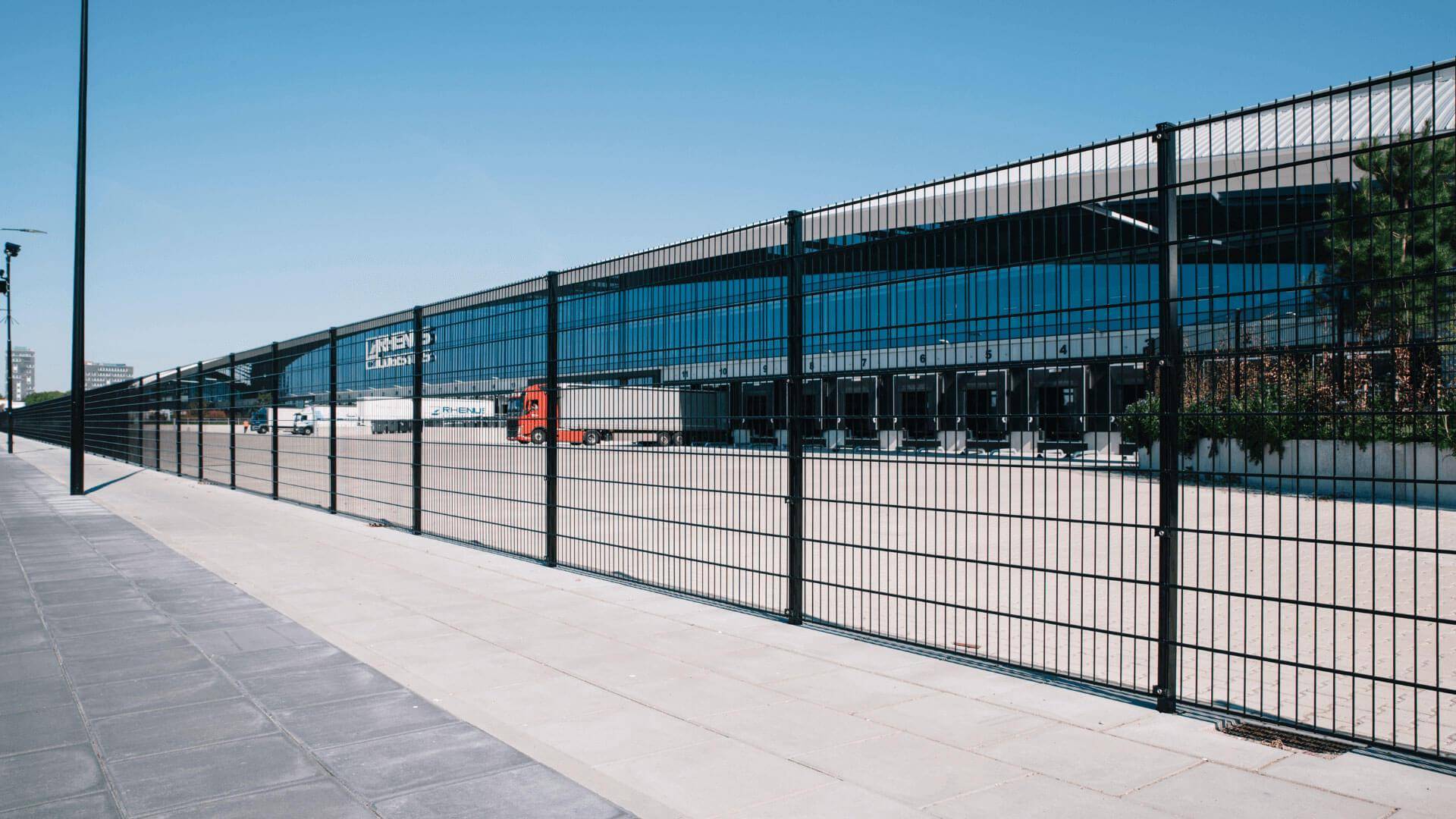
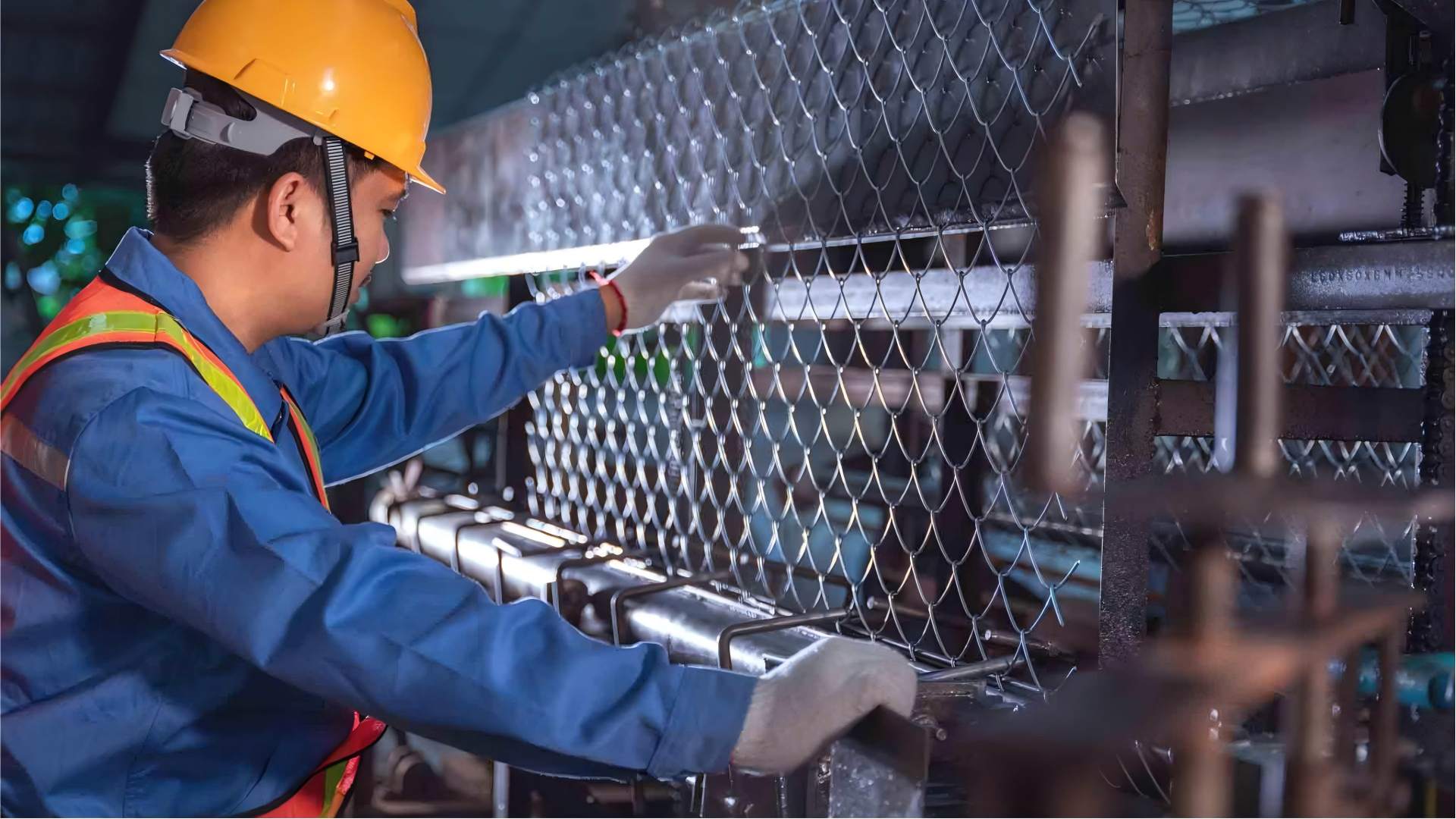
Two fencing systems dominate warehouse and logistics applications: chain link fencing and welded wire fencing. Each offers distinct advantages depending on the facility’s operational priorities.
| Feature | Chain Link Fence | Welded Wire Fence |
|---|---|---|
| Initial Cost | Lower | Moderate |
| Installation Speed | Fast | Moderate |
| Visibility | Excellent | Excellent |
| Structural Rigidity | Good | Excellent |
| Professional Appearance | Good | Excellent |
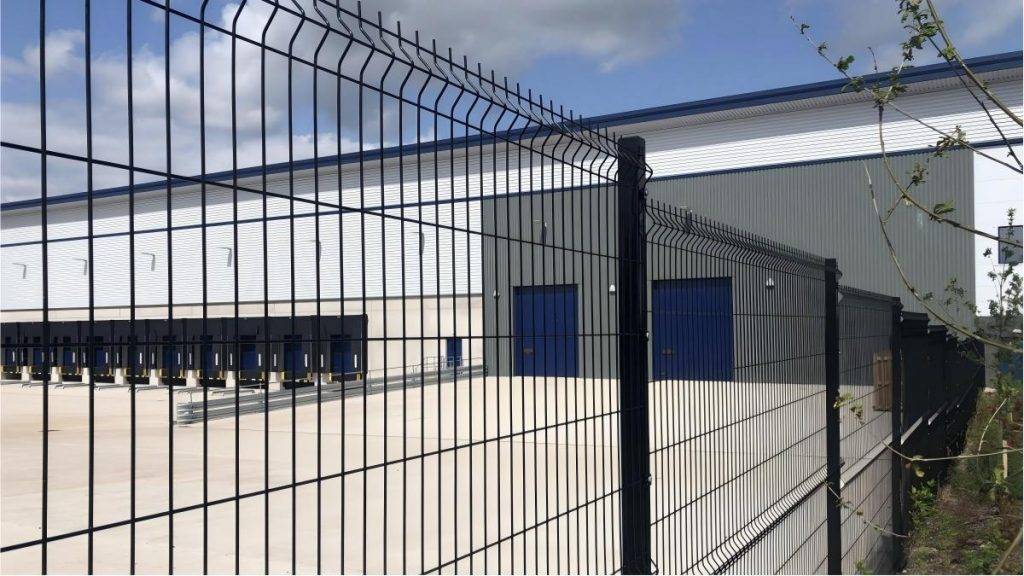
| Anti-Climb Performance | Moderate | High |
| Long-Term Maintenance | Low | Low |
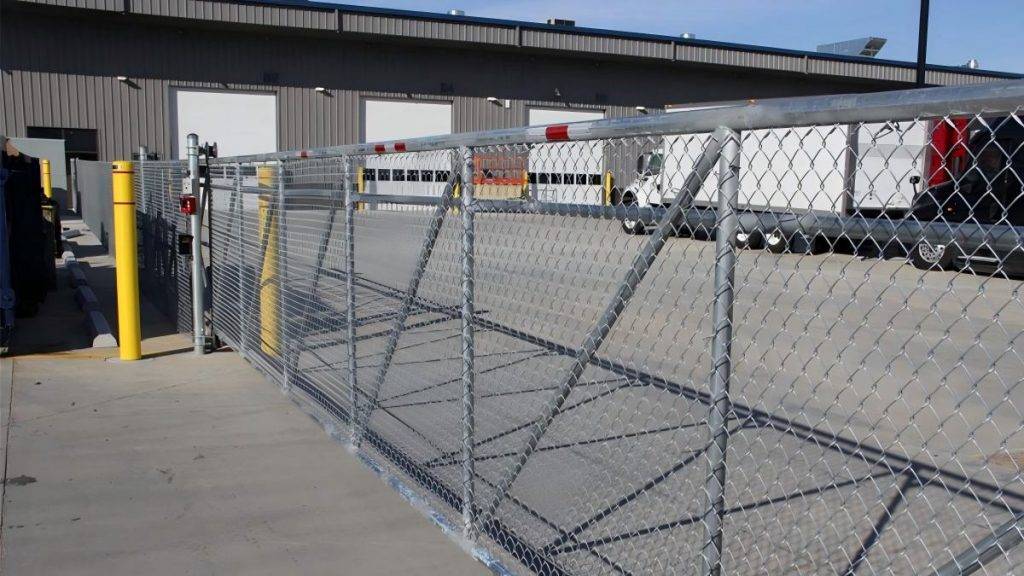
Chain link fencing remains one of the most cost-effective solutions for large industrial sites where visibility and budget are primary considerations. Welded wire fencing, on the other hand, provides greater rigidity, improved aesthetics, and enhanced resistance to climbing, making it a preferred choice for modern logistics parks and commercial distribution centers.
Choosing the Right Height
Fence height should correspond to the level of protection required and any applicable local regulations.
| Facility Type | Recommended Height |
|---|---|
| General warehouse | 1.8 m |
| Distribution center | 2.1–2.4 m |
| Logistics park | 2.4 m |
| High-security warehouse | 2.7–3.6 m |
Higher fences can be combined with controlled access gates and additional security measures where increased protection is necessary.
Access Control Considerations
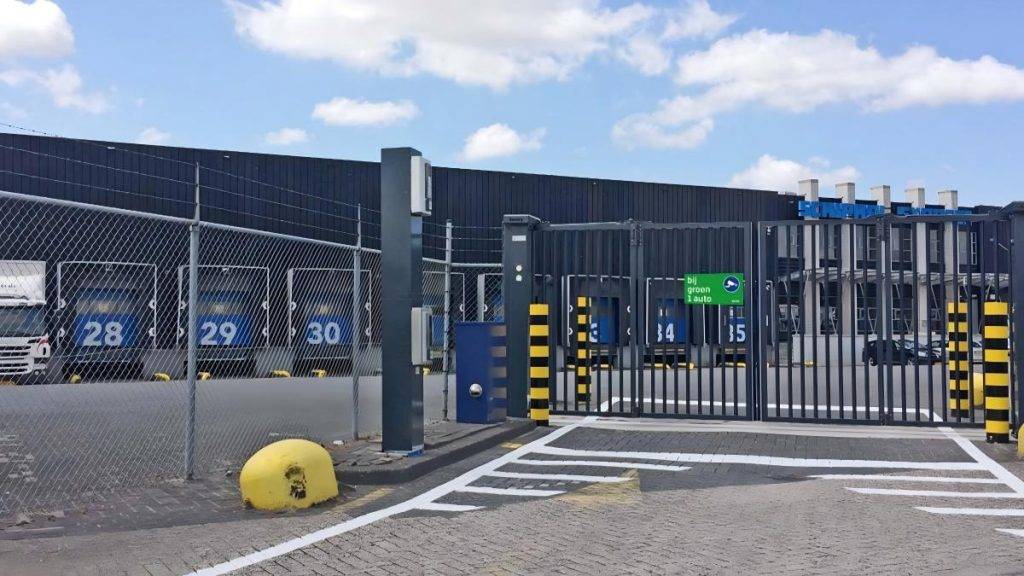
An effective perimeter fence is only part of a comprehensive security system. Warehouses and logistics centers require well-planned access control to ensure that people, vehicles, and goods move efficiently while maintaining site security.
A typical access control system should include:
- Separate entrances for trucks and passenger vehicles
- Dedicated pedestrian gates for employees and visitors
- Sliding or swing gates designed for high traffic volumes
- Access control devices such as key cards or biometric systems
- CCTV coverage at all entry and exit points
- Emergency access gates for fire and rescue services
Facilities with multiple loading docks should also consider zoning different operational areas to minimize unnecessary movement and reduce security risks.
Best Practices for Warehouse Perimeter Design
The most effective warehouse fencing projects are designed as part of the overall site layout rather than as an afterthought. Planning the perimeter together with traffic flow, lighting, and surveillance systems creates a safer and more efficient facility.
The following recommendations are widely adopted for industrial and logistics projects.
| Design Consideration | Best Practice |
|---|---|
| Fence Offset | Install fencing inside the property line to allow future maintenance. |
| Lighting | Ensure continuous illumination along the perimeter. |
| CCTV Coverage | Avoid blind spots by maintaining clear sight lines. |
| Landscaping | Keep vegetation trimmed to preserve visibility. |
| Vehicle Access | Design gate widths to accommodate truck movements. |
| Emergency Routes | Maintain unobstructed emergency access points. |
When planning large logistics parks, it is also advisable to allow space for future expansion. Modular fencing systems can be extended more easily as warehouse operations grow.
Common Specification Mistakes
Selecting an industrial fence involves more than comparing prices. Several common mistakes can reduce long-term performance or increase maintenance costs.
Selecting the Lowest-Cost Solution
Choosing fencing based solely on initial cost may result in higher lifecycle expenses. A slightly higher investment in better coatings or stronger materials often reduces maintenance and replacement costs over the life of the project.
Ignoring Environmental Conditions
Facilities located near coastal areas, chemical plants, or regions with high humidity require enhanced corrosion protection. Choosing an unsuitable coating can significantly shorten the service life of the fencing system.
Underestimating Future Security Needs
Warehouse operations often expand over time. Installing a fence that cannot accommodate future security upgrades, such as additional access control devices or surveillance equipment, may require expensive modifications later.
Using Inadequate Fence Height
A fence that is too low may provide only a visual boundary rather than effective perimeter protection. Security requirements should be evaluated based on the value of stored goods, operating hours, and potential risks.
Fence Selection Guide
The following table provides general recommendations for common warehouse and logistics applications.
| Facility Type | Recommended Fence | Typical Height | Recommended Finish |
|---|---|---|---|
| Standard Warehouse | Chain Link Fence | 1.8–2.1 m | Hot-Dip Galvanized |
| Distribution Center | Welded Wire Fence | 2.1–2.4 m | Galvanized + Powder Coated |
| Logistics Park | Welded Wire Fence | 2.4 m | Powder Coated |
| High-Value Storage | 358 Security Fence | 2.7–3.6 m | Galvanized + Powder Coated |
| Outdoor Equipment Yard | Chain Link Fence | 2.4 m | Galvanized + PVC Coated |
These recommendations should be adjusted based on local regulations, project specifications, and site-specific security requirements.
Integrating Fencing with Modern Security Systems
Modern logistics facilities increasingly rely on integrated security technologies rather than standalone perimeter barriers. A well-designed fence should complement these systems instead of limiting their effectiveness.
Common integrations include:
- CCTV cameras mounted along the perimeter
- Motion detection systems
- Automatic gate operators
- License plate recognition for vehicle access
- Intrusion detection sensors
- Remote monitoring platforms
Combining physical barriers with electronic security solutions provides multiple layers of protection while improving operational efficiency.
Conclusion
Warehouses and logistics centers require fencing systems that balance security, operational efficiency, and long-term durability. The right solution depends on the facility’s risk profile, traffic volume, environmental conditions, and future expansion plans.
Chain link fencing remains a practical and economical choice for many industrial sites, while welded wire fencing offers enhanced rigidity, aesthetics, and anti-climb performance for facilities with higher security requirements. By considering factors such as fence height, protective coatings, access control, and integration with modern security systems, project owners can create a perimeter that supports both day-to-day operations and long-term business growth.
Investing in the right fencing solution not only protects valuable assets but also contributes to a safer and more professional industrial environment.