
Fixed knot and hinge joint are two common construction methods used in woven wire fence. Both combine horizontal line wires with vertical stay wires, but the way these wires are joined is different.
That difference affects flexibility, wire movement, strength, and suitability for different fencing applications.
Technical Snapshot
| Feature | Fixed Knot | Hinge Joint |
|---|---|---|
| Joint construction | Fixed knot | Wrapped stay wire |
| Flexibility | Lower | Higher |
| Wire displacement resistance | High | Moderate |
| Common wire configuration | High tensile and conventional | Conventional and high tensile |
| Typical applications | Livestock, wildlife, high-strength fencing | Agriculture, pasture, general livestock |
| Terrain adaptability | Good | Very good |
Actual fence performance depends on the complete specification, including wire diameter, tensile strength, mesh configuration, coating, posts, and installation.
1. Construction
Fixed Knot
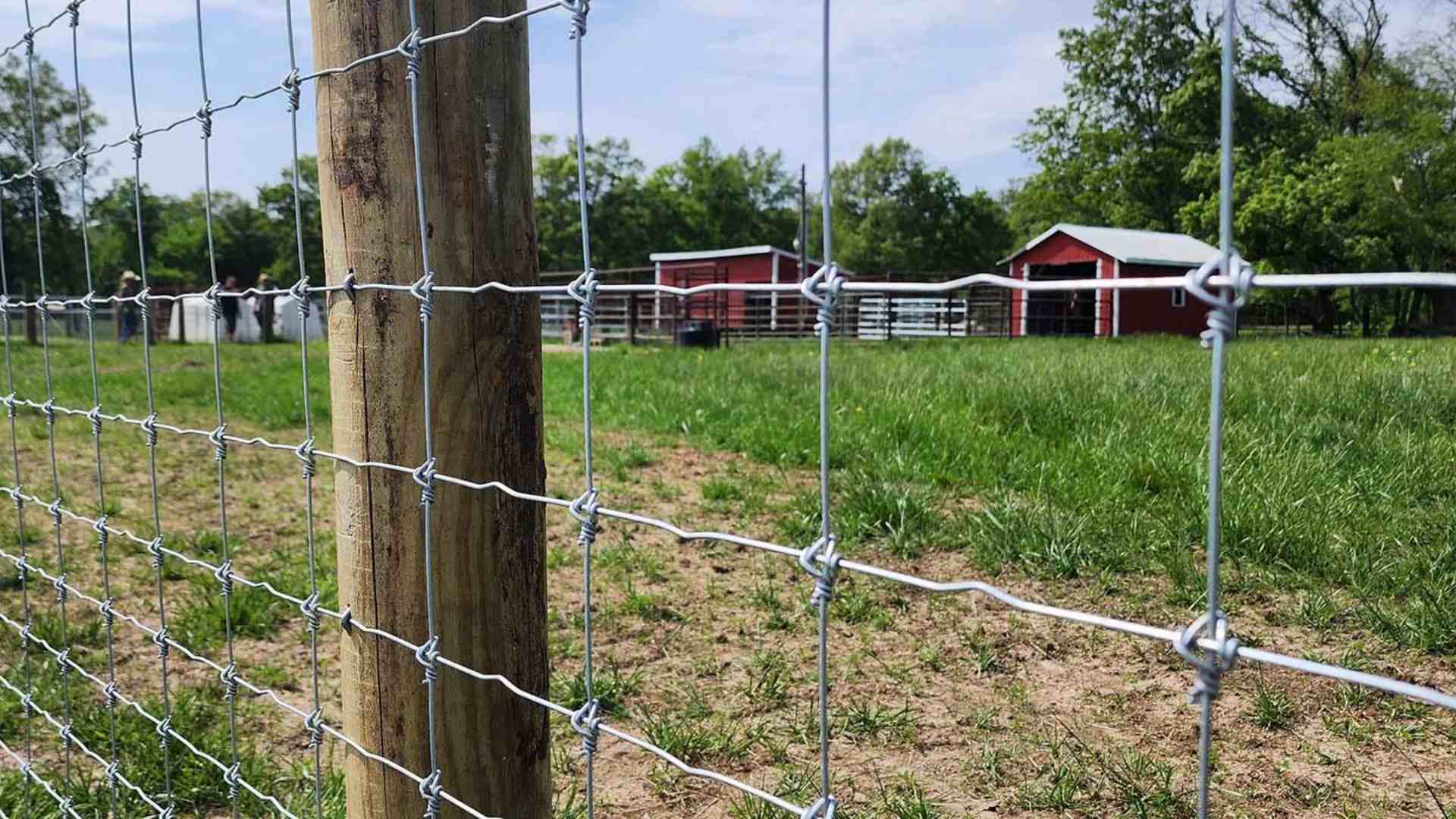
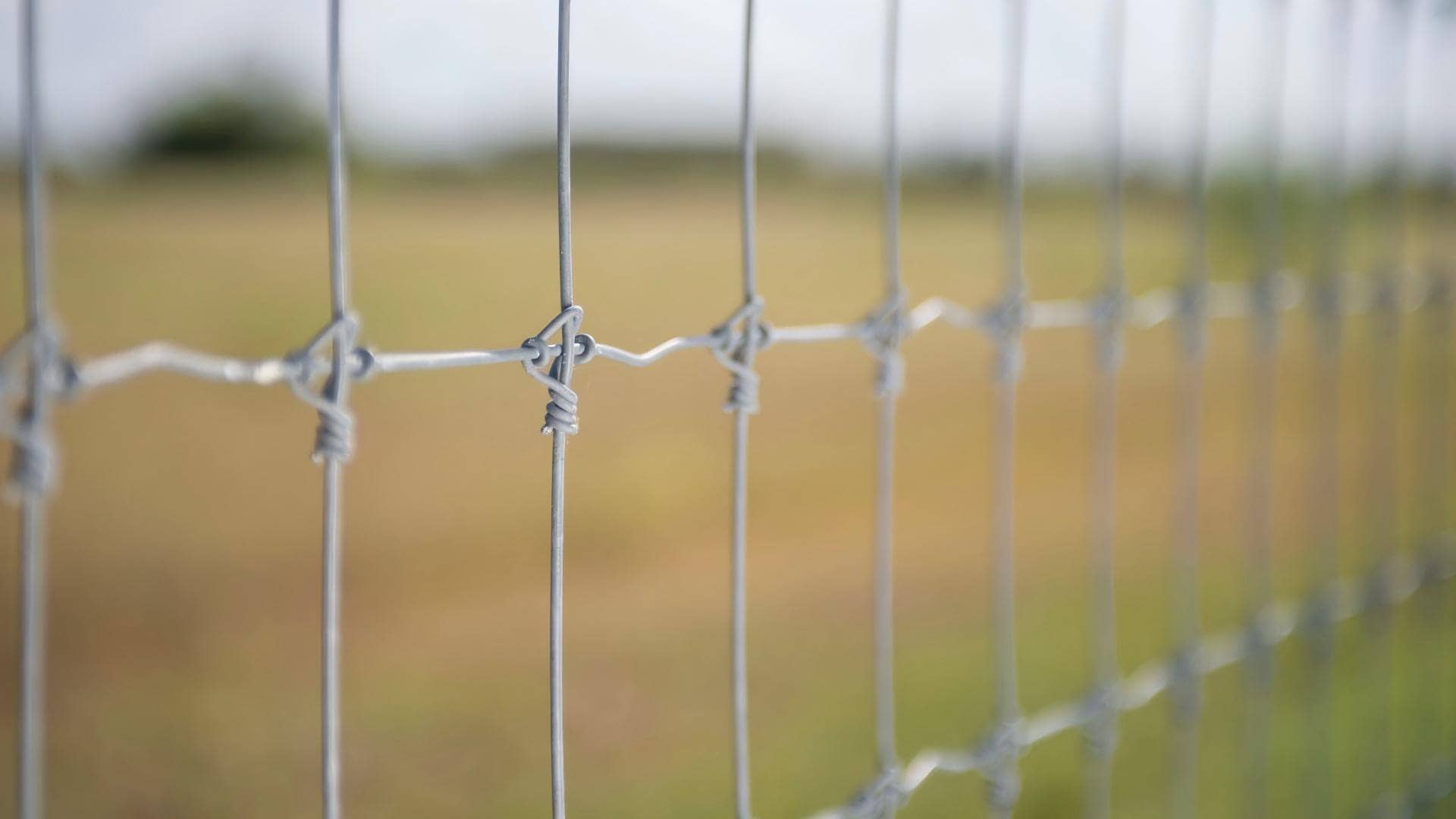
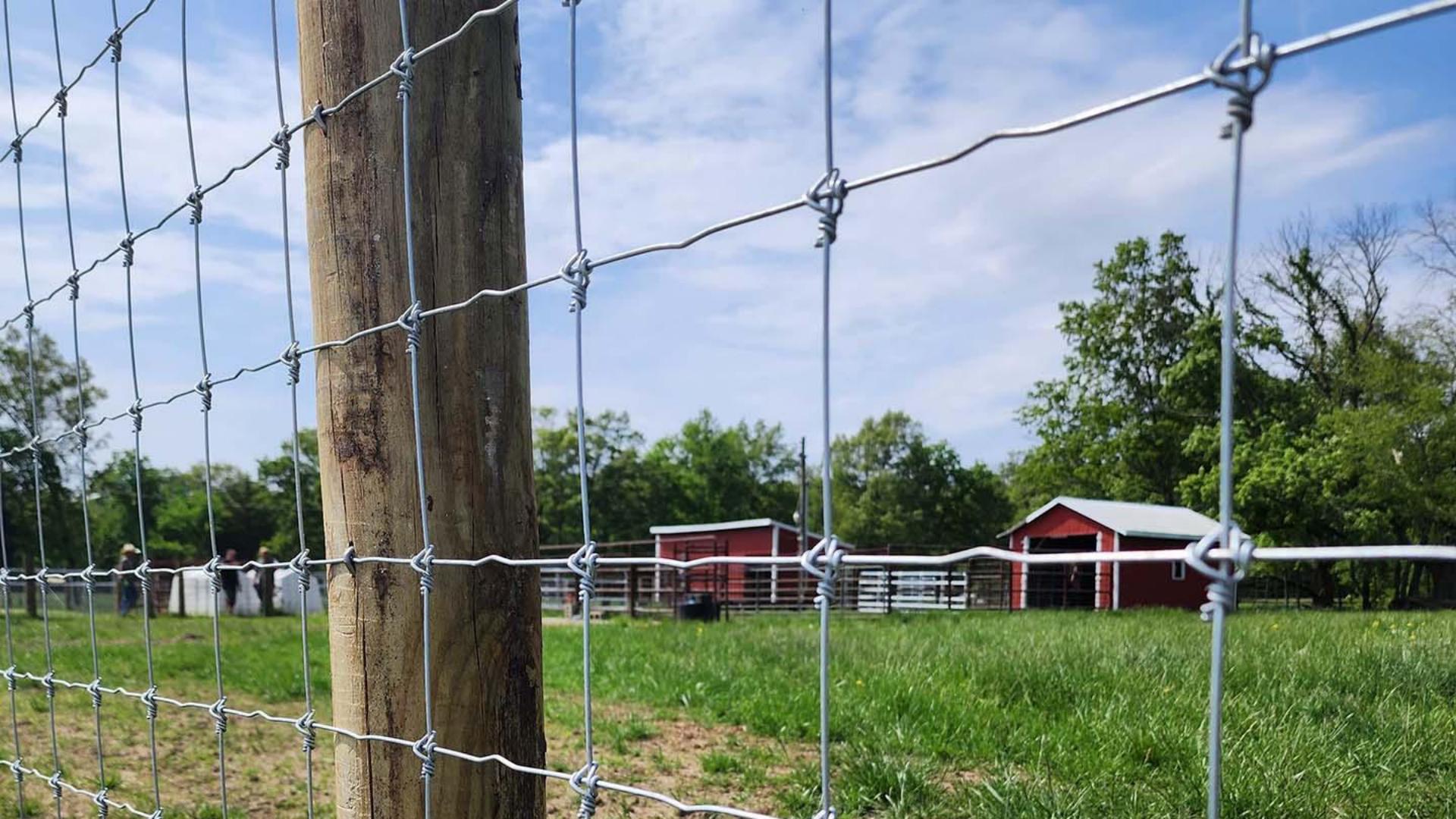
In a fixed knot fence, the vertical stay wire is secured to the horizontal line wire with a separate knotting wire. The resulting connection holds the stay wire firmly in position.
This construction reduces vertical wire movement and provides a stable mesh structure.
Hinge Joint
In a hinge joint fence, the vertical stay wire is wrapped around the horizontal line wire. The joint can flex when the fence is subjected to pressure and then return toward its original position.
This gives the fence greater flexibility, particularly on uneven terrain.
2. Flexibility and Wire Stability
The main structural difference is the behavior of the joint.
Hinge joint construction allows more movement at the intersection. This can help the fence accommodate changes in terrain and repeated contact.
Fixed knot construction restricts movement at the intersection and maintains the position of the stay wire more firmly.
Neither construction is universally better. The appropriate choice depends on the application and the required balance between flexibility and wire stability.
3. Strength and Durability
Fixed knot fencing is often selected for applications where the fence must maintain its mesh configuration under higher loads or repeated animal pressure.
Its rigid knot construction helps prevent the vertical stay wires from sliding along the horizontal wires.
Hinge joint fencing can also provide long-term performance when correctly specified and installed. Its flexible joint is particularly useful where the fence needs to accommodate terrain or movement.
Overall durability depends on more than the knot design. Wire strength, coating, wire diameter, fence height, post spacing, and installation quality all affect service life.
4. Typical Applications
Fixed Knot Fence
Common applications include:
- Cattle fencing
- Deer and wildlife fencing
- High-tensile agricultural fencing
- Large-area livestock enclosures
- Higher-strength perimeter fencing
Hinge Joint Fence
Common applications include:
- Field fencing
- Pasture fencing
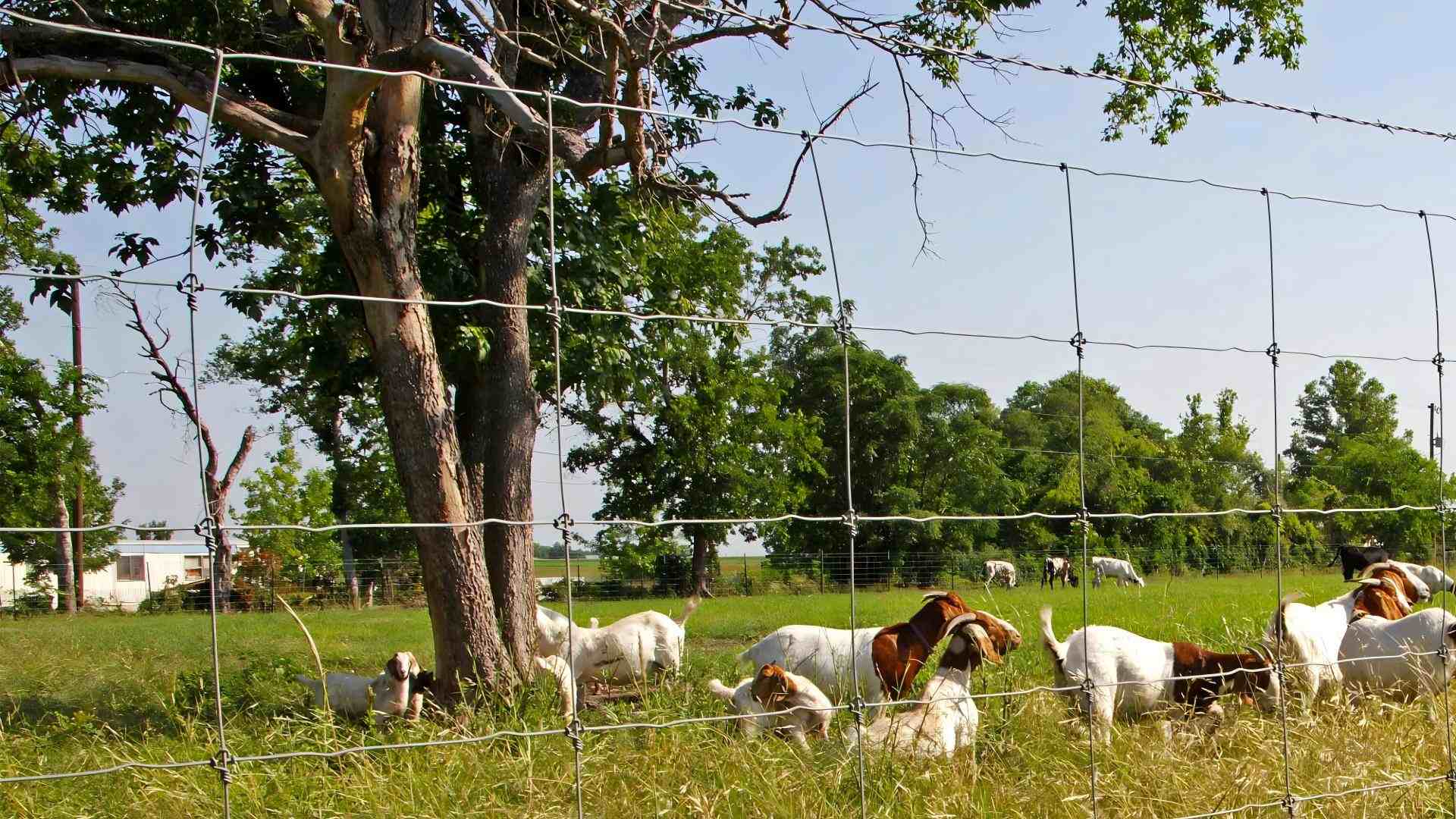
- Sheep and goat fencing
- General livestock fencing
- Agricultural property boundaries
The actual suitability should be determined from the animal type, fence specification, terrain, and project requirements.
5. Fixed Knot vs Hinge Joint: Which Should You Choose?
Use fixed knot when:
- Higher wire stability is important.
- The fence will be exposed to significant animal pressure.
- Wildlife containment is a major consideration.
- A high-tensile fence configuration is required.
Consider hinge joint when:
- Greater flexibility is desirable.
- The terrain is uneven or changing.
- The fence is intended for general agricultural use.
- Cost-effective field fencing is a priority.
These are general selection guidelines rather than absolute rules. A complete specification should always be evaluated before ordering.
Comparison Summary
| Selection Factor | Fixed Knot | Hinge Joint |
| Joint rigidity | Higher | Lower |
| Flexibility | Moderate | High |
| Stay wire stability | High | Moderate |
| Uneven terrain | Good | Very good |
| Livestock applications | Excellent | Excellent |
| Wildlife applications | Excellent | Suitable depending on specification |
| High-tensile applications | Common | Available |
| General agricultural use | Suitable | Very common |
Fixed knot and hinge joint fences are both proven woven wire fencing systems, but they are designed around different structural characteristics.
Conclusion
Fixed knot construction provides greater wire stability and is commonly selected for higher-strength livestock and wildlife applications. Hinge joint construction provides greater flexibility and is widely used for general agricultural and field fencing.
The right choice should be based on the complete fence specification rather than the knot type alone.
FAQ
Is fixed knot fence stronger than hinge joint fence?
Fixed knot construction generally provides greater resistance to wire displacement. However, overall fence strength also depends on wire diameter, tensile strength, mesh configuration, posts, and installation.
Is hinge joint fence better for uneven terrain?
Its flexible joint makes hinge joint fence well suited to uneven or changing terrain. Actual performance also depends on the fence configuration and installation method.
Is fixed knot fence more expensive?
It can be more expensive depending on wire type, tensile strength, coating, and manufacturing configuration. Price should be compared using equivalent specifications rather than knot type alone.
Which is better for cattle?
Both can be used for cattle fencing. Fixed knot is often selected for higher-strength applications, while hinge joint is widely used for general agricultural and pasture fencing.
Which is better for deer?
Fixed knot fencing is commonly selected for deer and wildlife applications because of its stable mesh construction. Fence height and mesh opening are also critical factors.