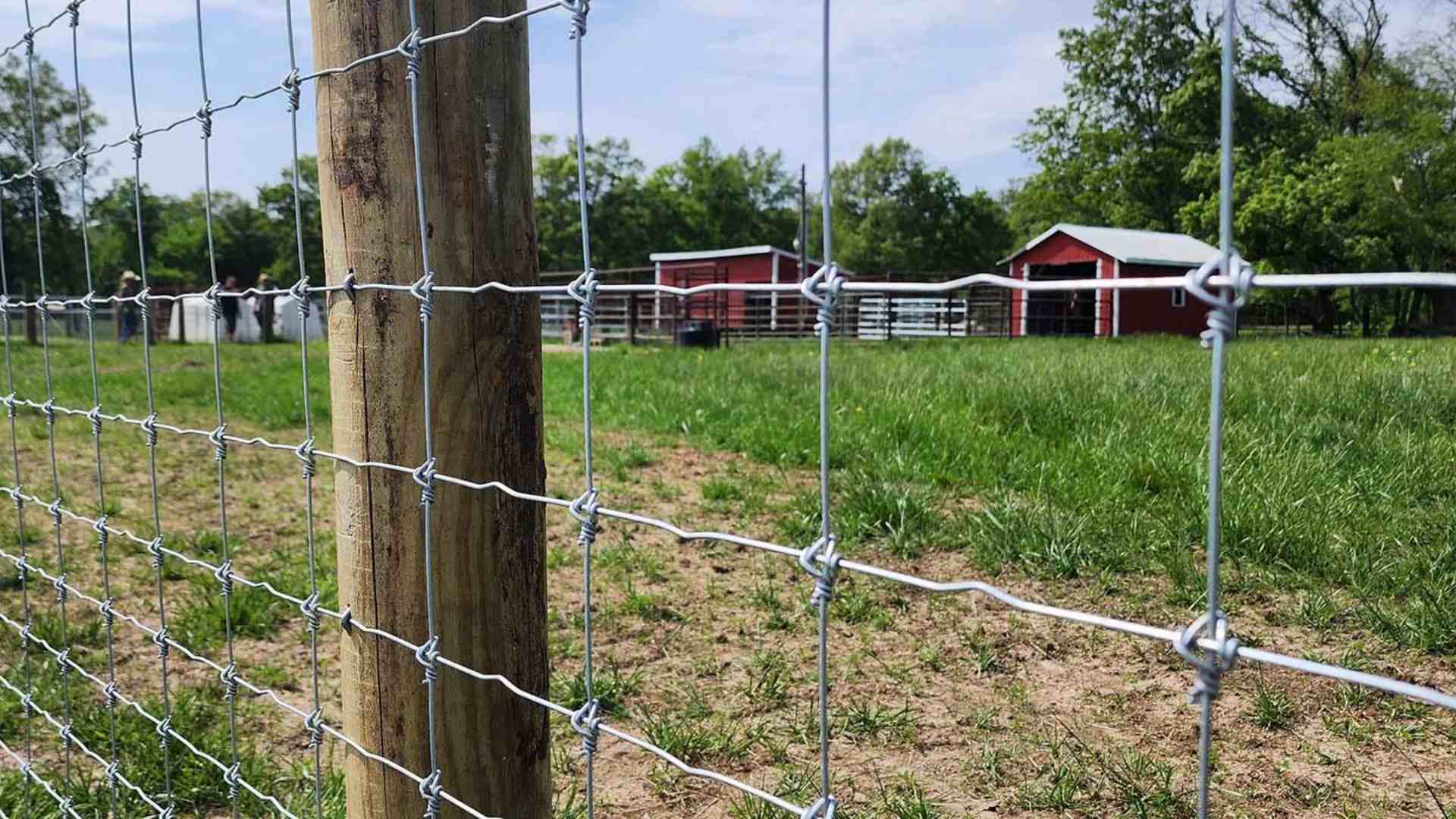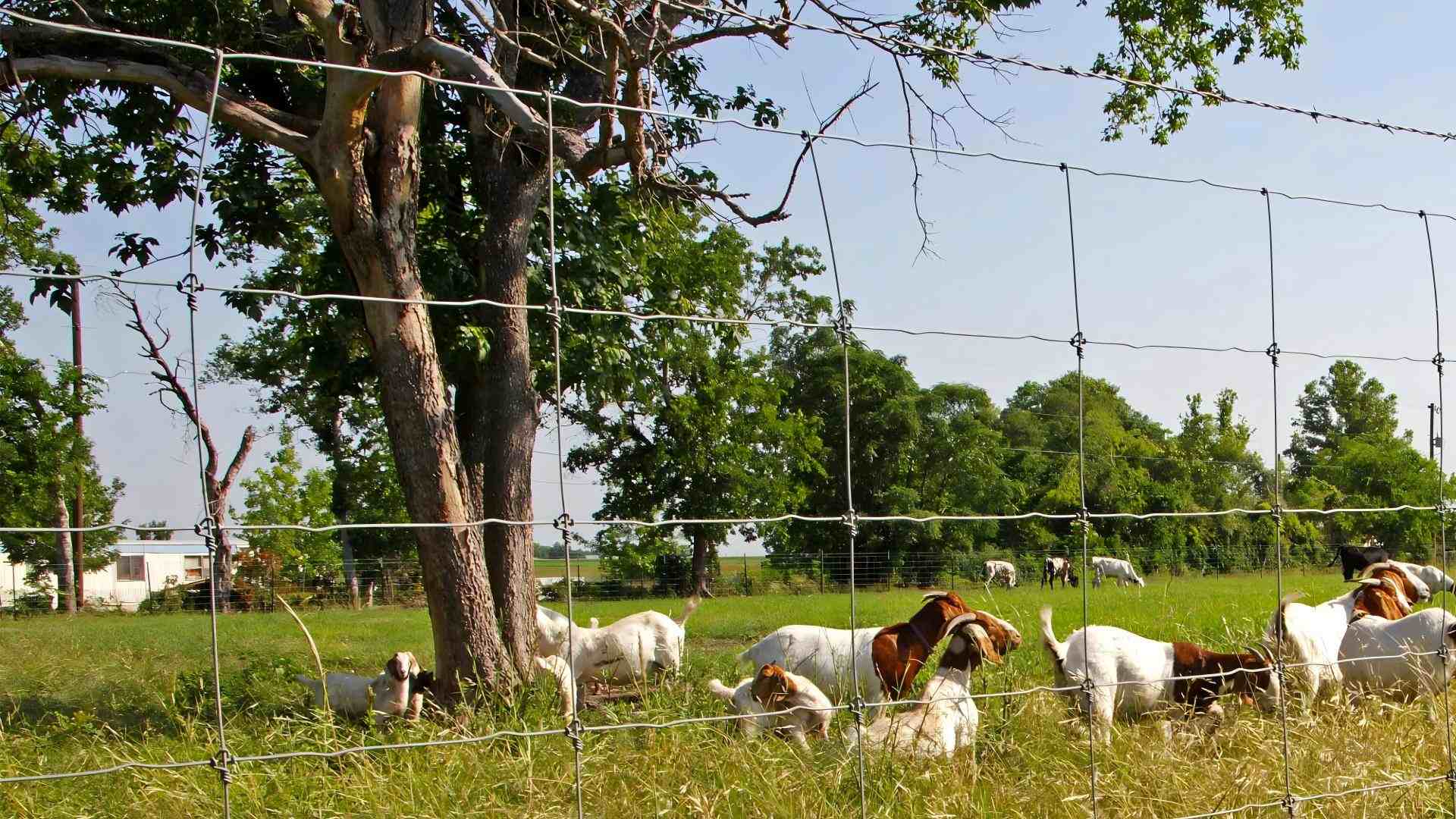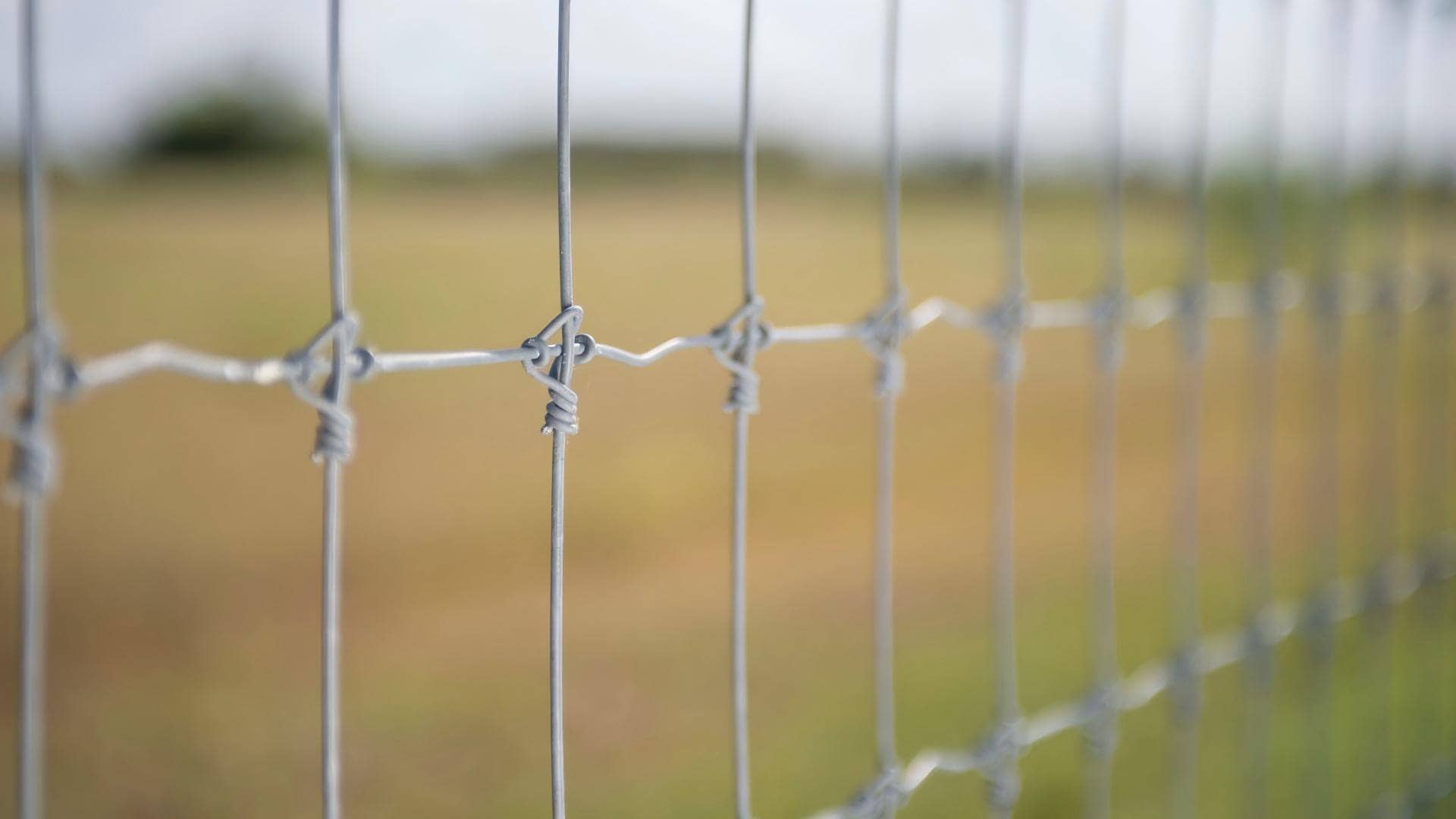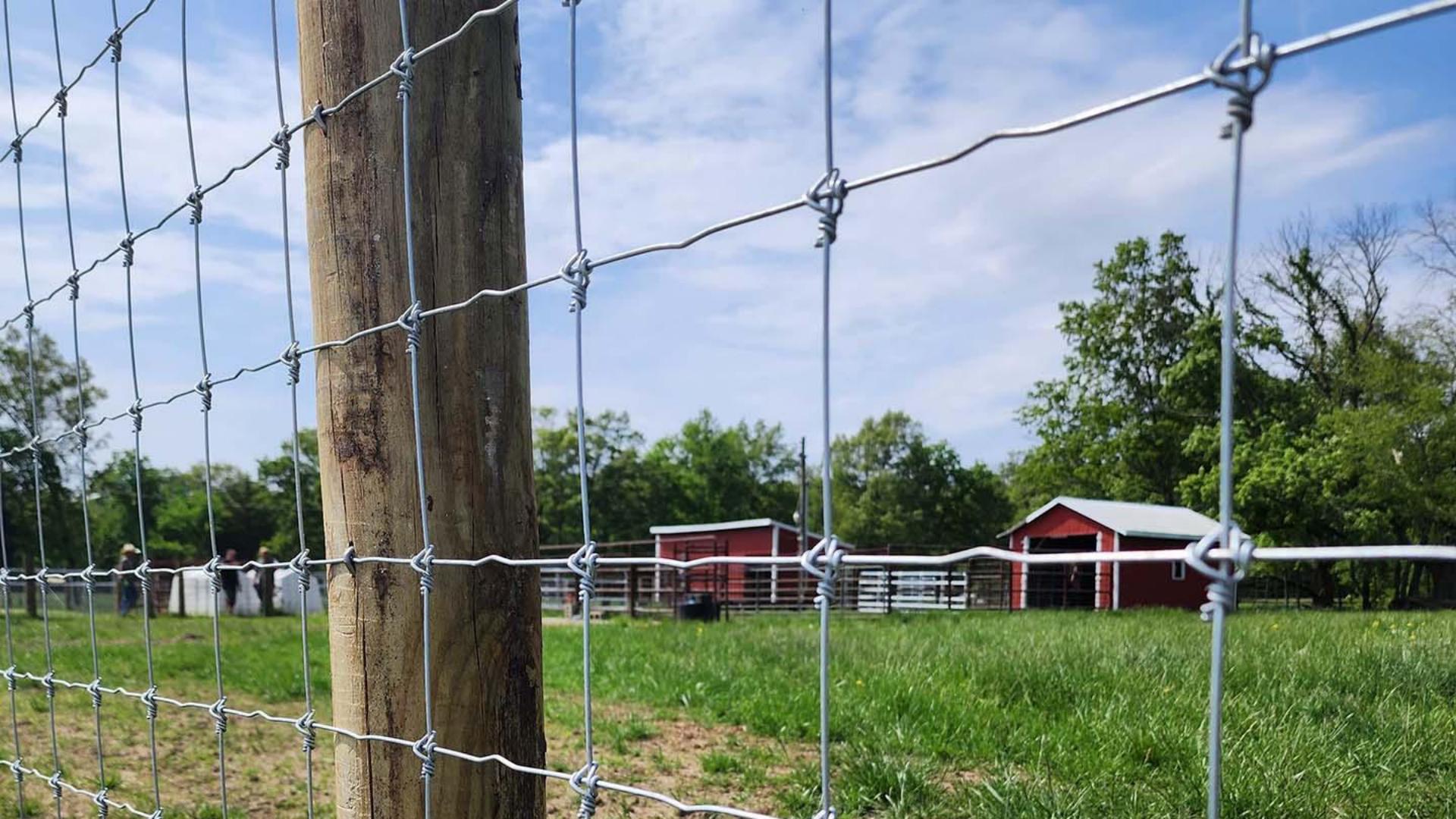
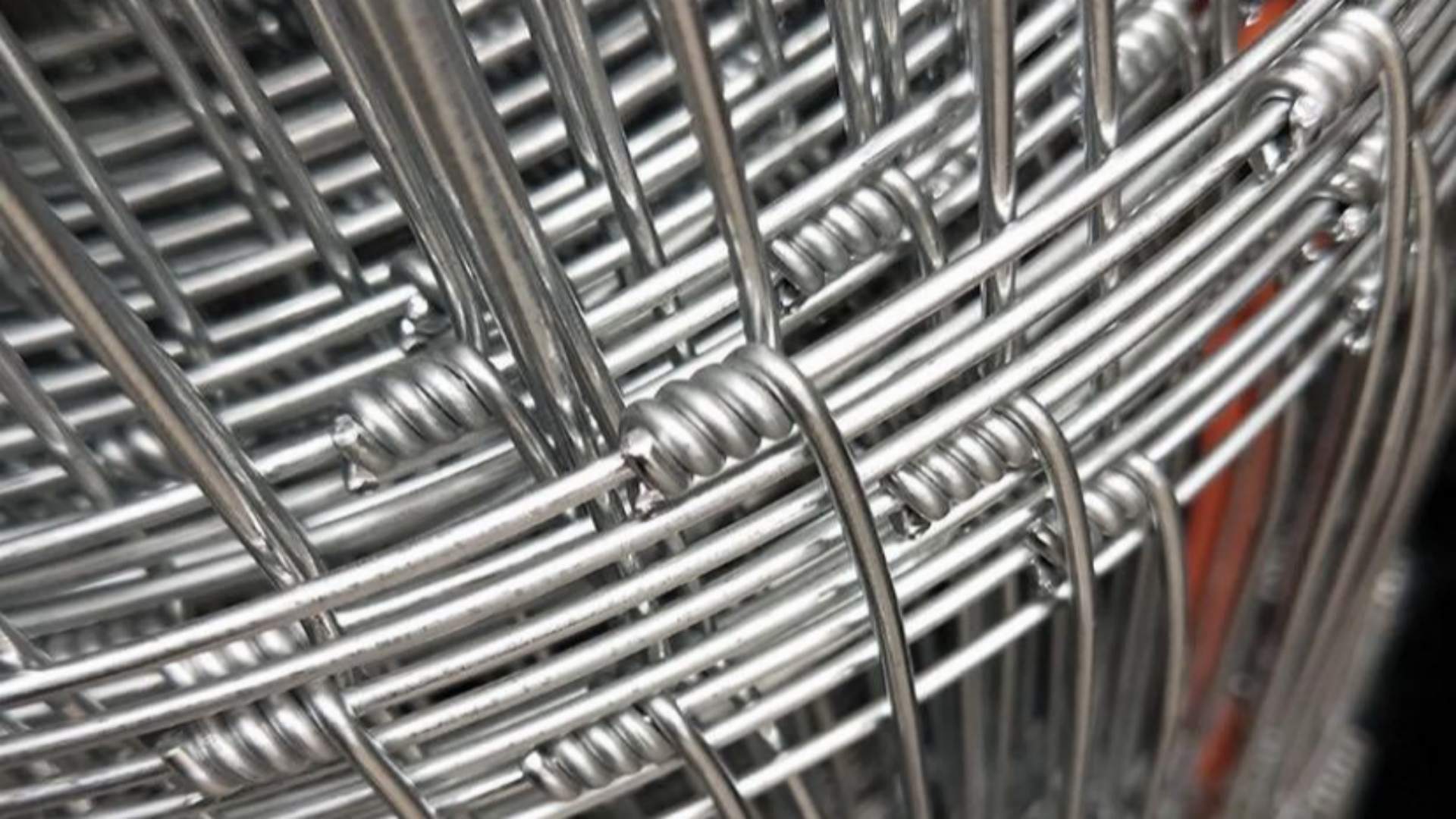
High-tensile and standard woven wire fence are two approaches to woven-wire fencing that differ primarily in wire properties.
High tensile describes the mechanical strength of the wire.
Standard describes a conventional wire construction with lower tensile strength.
Neither term identifies the knot construction. A high-tensile fence may use hinge-joint or fixed-knot construction depending on the product design.
Technical Snapshot
| Feature | High-Tensile | Standard |
|---|---|---|
| Wire tensile strength | Higher | Lower |
| Wire diameter | May be smaller | Often larger |
| Elastic behavior | Higher | Lower |
| Typical construction | Hinge joint or fixed knot | Hinge joint or other constructions |
| Typical applications | Demanding agricultural, livestock, wildlife | General agricultural and livestock |
| Installation | Requires appropriate tensioning | Generally simpler |
| Main advantage | High strength-to-weight ratio | Simpler conventional construction |
Actual values depend on the wire specification and applicable product standard.
What Is High-Tensile Woven Wire Fence?
High-tensile woven wire fence uses wire manufactured to achieve a higher tensile strength than conventional fencing wire.
Because the wire can withstand higher tensile loads, manufacturers can often use relatively smaller wire diameters while maintaining the required structural performance.
High-tensile fencing is commonly used in agricultural, livestock, wildlife, and large-area fencing applications where long fence runs and structural efficiency are important.
What Is Standard Woven Wire Fence?
Standard woven wire fence generally uses conventional-strength steel wire.
It is widely used for:
- Agricultural fencing
- Pasture fencing
- Livestock fencing
- Farm boundaries
- General-purpose field fencing
Its relatively conventional construction can make it familiar and straightforward to install and maintain.
Key Difference: Tensile Strength
The most important distinction is tensile strength.
Tensile strength describes the maximum tensile stress that a wire can withstand before failure.
A high-tensile wire is designed to withstand substantially higher tensile loading than conventional fence wire.
However, tensile strength should not be confused with:
- Wire diameter
- Fence strength
- Knot strength
- Fence stiffness
These are related but different characteristics.
A complete fence specification should consider all of them.
High Tensile Does Not Mean Fixed Knot
This distinction is particularly important when specifying woven wire fence.
High tensile refers to the wire.
Fixed knot refers to the way the wires are joined.
Therefore, a fence can be:
High-tensile + Fixed knot
or:
High-tensile + Hinge joint
Likewise, conventional-strength wire can be used with different knot constructions.
The two specifications should therefore be evaluated separately.
Wire Diameter and Strength
High-tensile wire can provide high strength without requiring a proportionally large wire diameter.
This can provide a higher strength-to-weight ratio and may reduce material weight over long fence runs.
However, smaller diameter does not automatically mean better.
Wire diameter affects:
- Handling
- Abrasion resistance
- Knot construction
- Corrosion allowance
- Structural behavior
The appropriate diameter should therefore be selected together with tensile strength and the complete fence design.
Installation Considerations
High-tensile fencing generally requires more attention to installation and tensioning.
Important considerations include:
- Appropriate end and corner assemblies
- Correct wire tension
- Suitable posts and spacing
- Proper bracing
- Controlled installation tension
- Periodic inspection
A high-tensile fence that is incorrectly tensioned or poorly anchored may not achieve its intended performance.
Standard woven wire fence may be more forgiving during installation, depending on the product design.
Typical Applications
High-Tensile Woven Wire Fence
Common applications include:
- Large livestock operations
- Cattle fencing
- Wildlife fencing
- Long agricultural fence runs
- Higher-performance perimeter fencing
Standard Woven Wire Fence
Common applications include:
- Pasture fencing
- General livestock fencing
- Farm boundaries
- Small and medium agricultural projects
- General-purpose field fencing
These are general application categories rather than mandatory rules.
How to Choose
Consider high tensile when:
- Long fence runs are required.
- Higher wire strength is important.
- A lower-weight fencing system is desirable.
- The project can support proper tensioning and bracing.
- Livestock or wildlife creates significant loading.
Consider standard construction when:
- General agricultural fencing is required.
- Conventional installation is preferred.
- The project has moderate structural requirements.
- Familiar materials and installation practices are priorities.
The final selection should always be based on the project specification.
Comparison Summary
| Selection Factor | High-Tensile | Standard |
|---|---|---|
| Wire strength | Higher | Conventional |
| Strength-to-weight ratio | High | Moderate |
| Wire diameter | Can be smaller | Often larger |
| Tensioning requirements | More critical | Generally less demanding |
| Long fence runs | Well suited | Suitable |
| Livestock | Excellent | Excellent |
| Wildlife | Excellent | Suitable depending on design |
| Installation complexity | Higher | Lower |
| Initial specification | More technical | Simpler |
Conclusion
High-tensile and standard woven wire fences serve different project requirements.
High-tensile construction provides higher wire strength and can offer an efficient solution for long fence runs and demanding agricultural or wildlife applications. Standard woven wire fence remains a practical choice for general-purpose agricultural and livestock fencing.
When specifying a woven wire fence, evaluate wire tensile strength, diameter, knot construction, mesh configuration, coating, fence height, posts, and installation requirements together.
FAQ
Is high-tensile fence stronger than standard fence?
High-tensile wire has higher tensile strength than conventional wire. However, the strength of the complete fence depends on the entire fence construction and installation.
Is high-tensile fence the same as fixed knot fence?
No. High tensile describes wire strength, while fixed knot describes the joint construction.
Can hinge joint fence be high tensile?
Yes. High-tensile wire can be used with hinge-joint construction depending on the product design.
Is high-tensile fence harder to install?
It can require more precise tensioning, anchoring, and bracing than conventional fencing.
Is high-tensile fence better for livestock?
It can be an excellent choice for livestock, particularly for long fence runs and applications requiring higher wire strength. The appropriate specification depends on the livestock and project requirements.