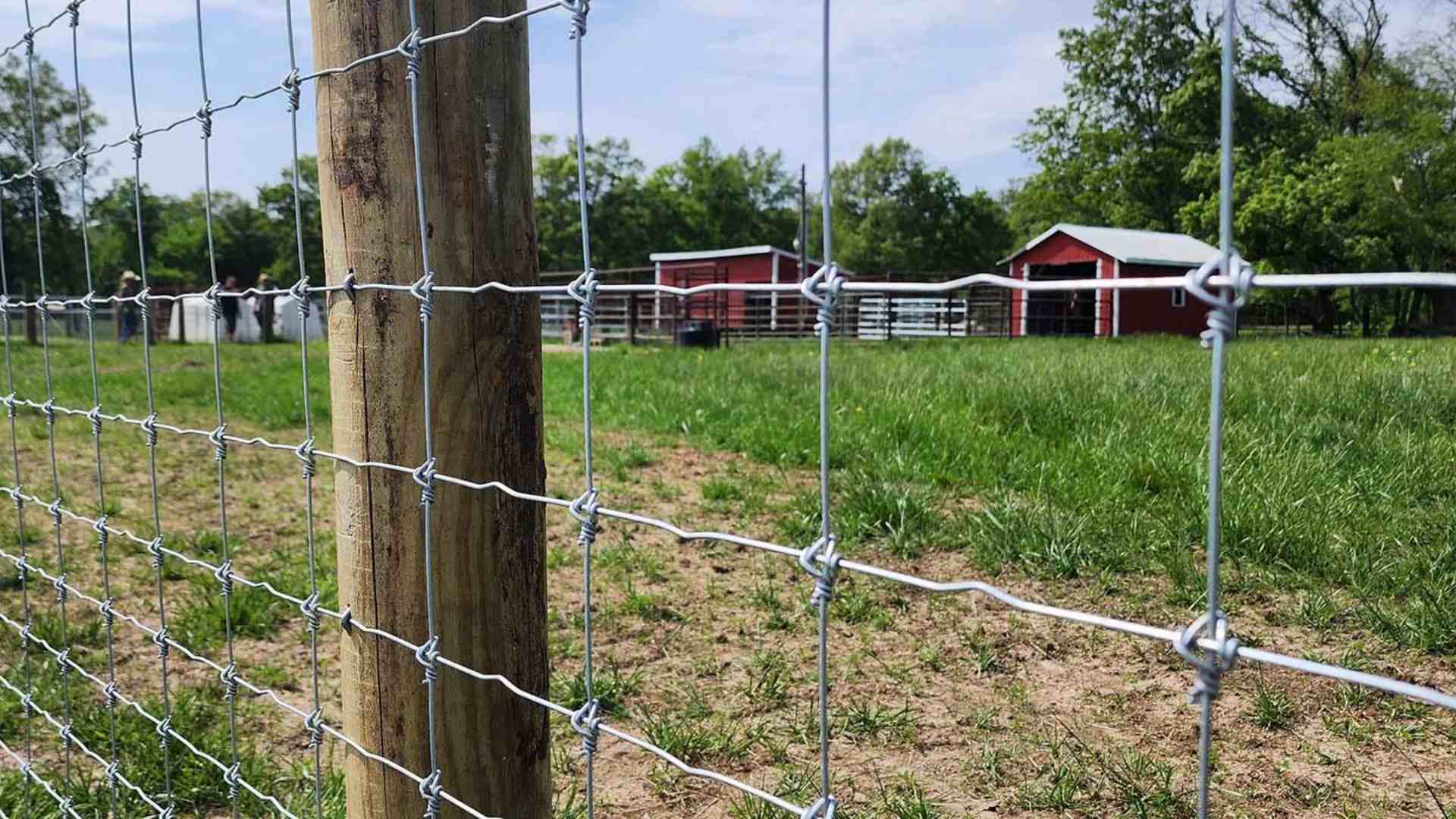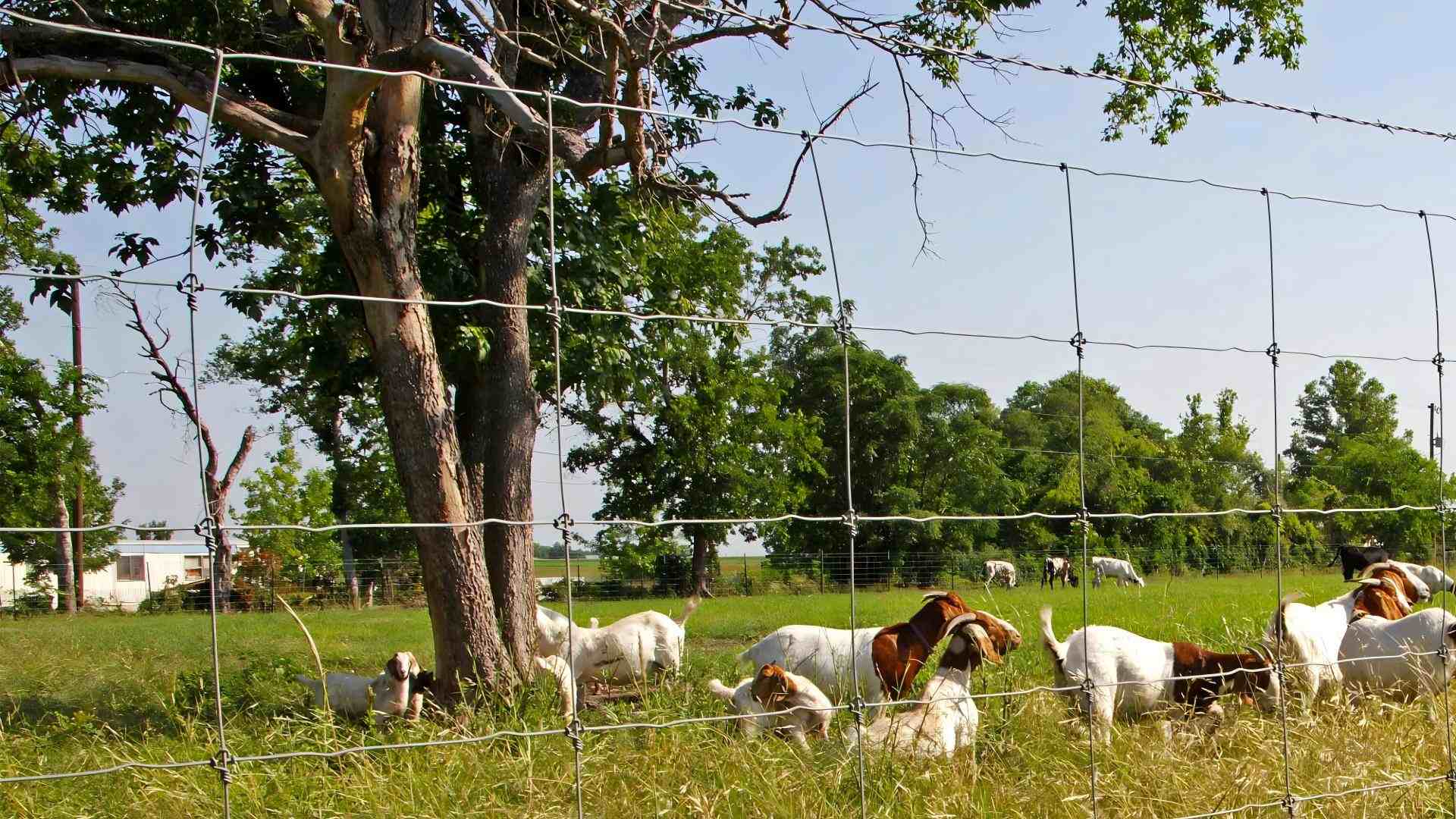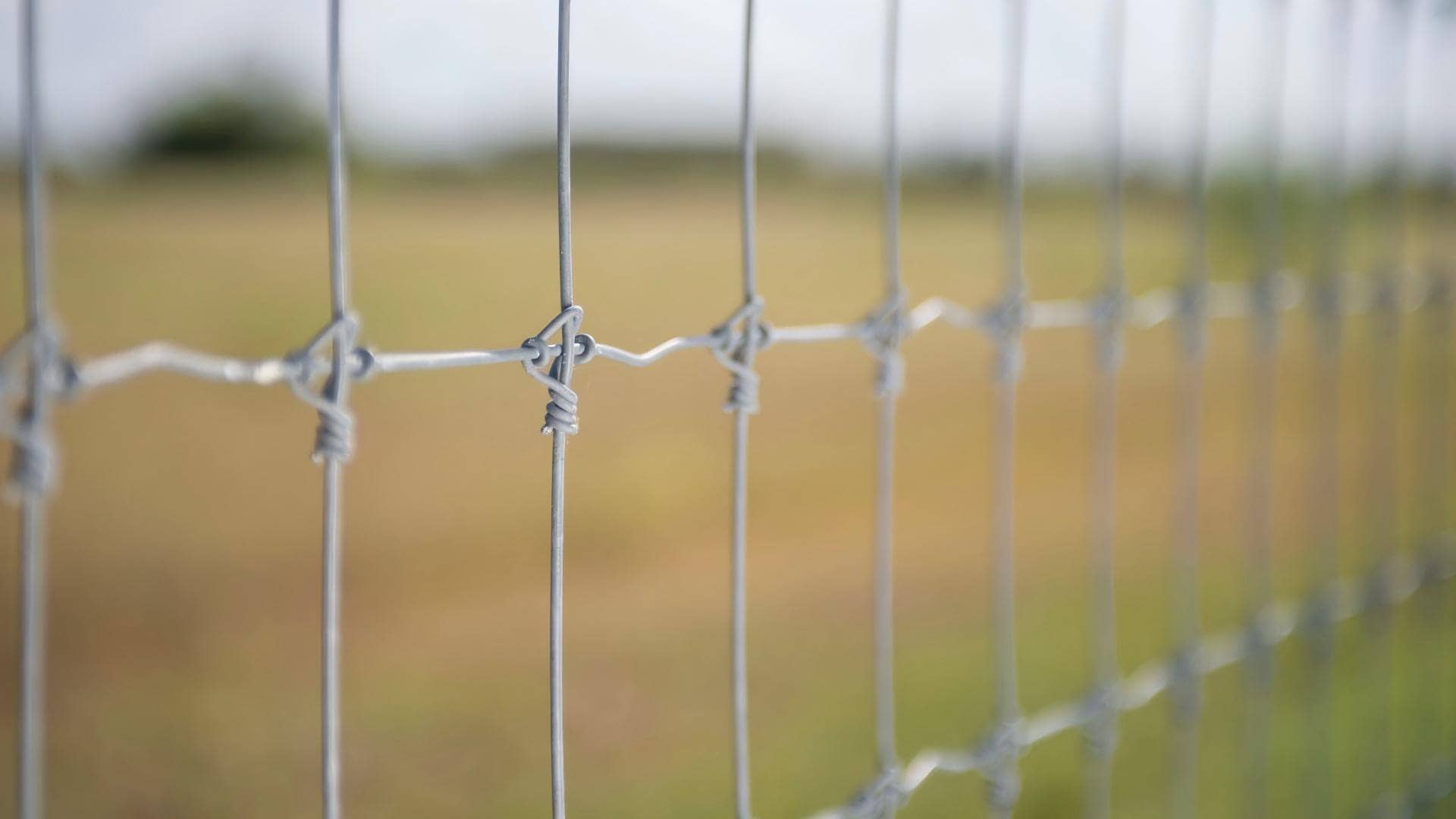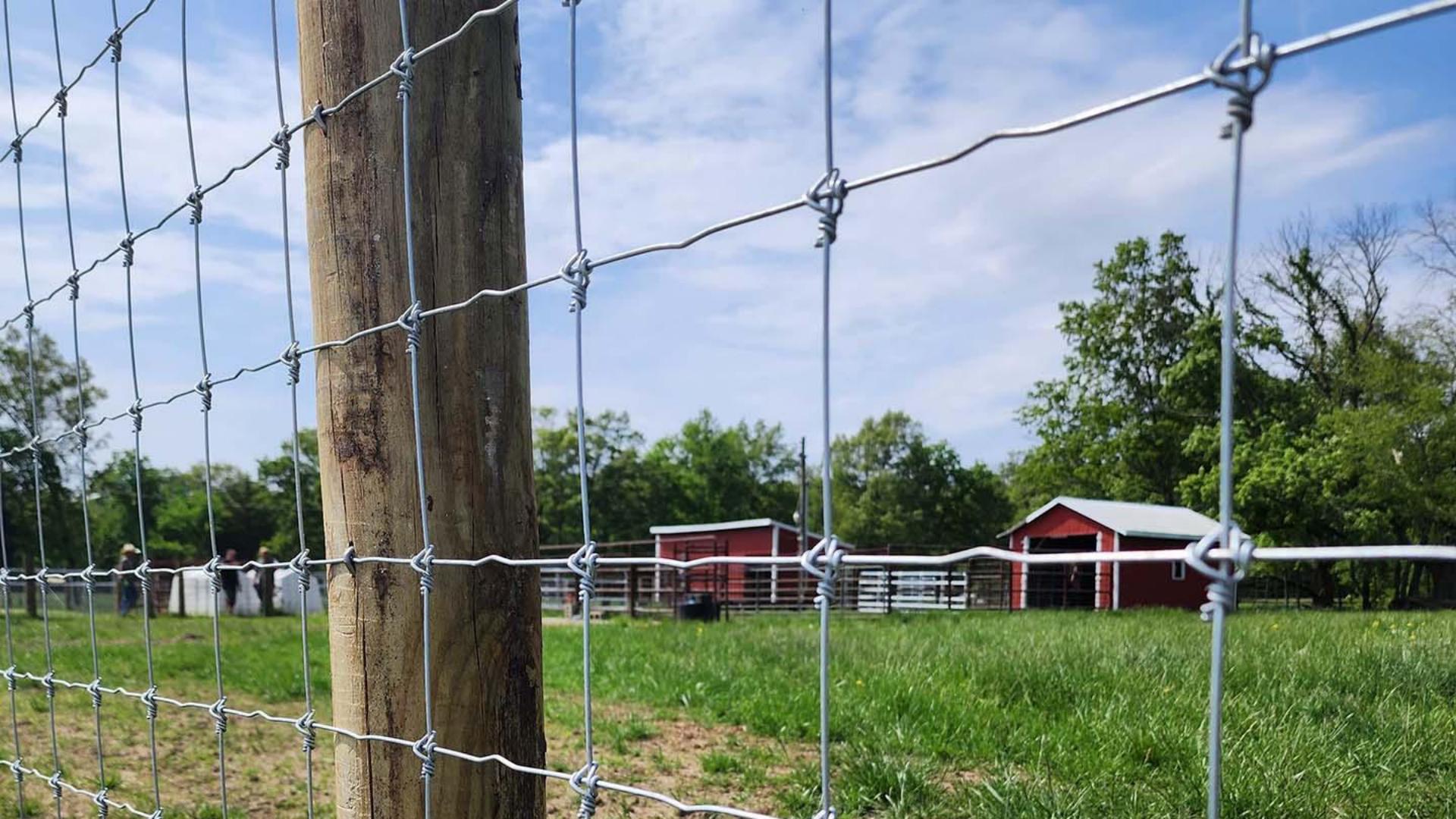

Woven wire fence is commonly manufactured from steel wire with a protective metallic coating to improve resistance to corrosion.
Two widely used coating systems are galvanized zinc coatings and zinc-aluminum alloy coatings.
Both can provide effective corrosion protection, but their coating composition, manufacturing process, and performance characteristics are different.
For fence selection, coating type should be considered together with the wire specification, coating mass or thickness, environment, and expected service conditions.
Technical Snapshot
| Feature | Galvanized | Zinc-Aluminum |
|---|---|---|
| Main coating | Zinc | Zinc + aluminum alloy |
| Protection mechanism | Zinc coating provides barrier and sacrificial protection | Alloy coating combines zinc and aluminum protection |
| Common use | General agricultural fencing | Higher corrosion-resistance applications |
| Coating specification | Coating mass/thickness should be specified | Coating composition and mass/thickness should be specified |
| Typical applications | Agriculture, livestock, general fencing | Agriculture, livestock, demanding outdoor environments |
| Selection priority | Environment + coating level | Environment + coating system + coating level |
Important: Actual corrosion performance depends on the coating specification, steel wire, environment, and manufacturing quality.
What Is Galvanized Woven Wire Fence?
Galvanized woven wire fence uses steel wire coated with zinc.
The zinc coating protects the underlying steel through both barrier protection and sacrificial protection. If the coating is damaged locally, zinc can provide protection to exposed steel under suitable conditions.
Galvanized wire is widely used for agricultural and livestock fencing because of its combination of corrosion resistance, availability, and cost effectiveness.
The term galvanized, however, does not by itself define the amount of zinc applied.
For technical purchasing, the coating class, coating mass, coating thickness, or applicable standard should be specified where relevant.
What Is Zinc-Aluminum Coated Woven Wire Fence?
Zinc-aluminum coated wire uses an alloy coating containing zinc and aluminum.
The addition of aluminum changes the protective characteristics of the coating and can provide enhanced corrosion resistance compared with conventional zinc-coated wire under many outdoor exposure conditions.
These coatings are commonly used where extended corrosion resistance is an important consideration.
As with galvanized wire, the term zinc-aluminum coated does not by itself define the complete coating specification. The alloy composition and coating amount should be confirmed against the applicable product standard or manufacturer’s specification.
Galvanized vs Zinc-Aluminum: Key Differences
The main difference is the composition of the protective coating.
Galvanized
The coating is primarily zinc.
Its long-established use, broad availability, and different coating levels make galvanized wire suitable for a wide range of fencing applications.
Zinc-Aluminum
The coating contains both zinc and aluminum.
The alloy structure can provide improved corrosion resistance in many environments, particularly where longer coating performance is required.
However, the actual performance depends on the specific alloy system, coating amount, manufacturing process, and exposure environment.
Corrosion Resistance
Corrosion resistance is usually the main reason for comparing these two coating systems.
A higher-performance coating can be beneficial where the fence is exposed to:
- Persistent moisture
- High humidity
- Aggressive soil conditions
- Coastal environments
- Agricultural chemicals
- Long outdoor exposure
However, coating type alone should not be used to predict service life.
Two products with different coating systems may have different coating masses, wire diameters, and manufacturing specifications.
A proper comparison should therefore evaluate:
Coating system + coating amount + wire specification + environment
Coating Type vs Coating Level
This distinction is important when purchasing woven wire fence.
For galvanized wire, simply specifying:
Galvanized
may not be sufficient.
The specification may also need to identify the applicable coating class, coating mass, coating thickness, or standard.
The same principle applies to zinc-aluminum coated wire.
Therefore, when comparing suppliers, avoid comparing only:
Galvanized vs Zinc-Aluminum
Instead, compare the complete coating specification.
Which Coating Should You Choose?
Galvanized
Galvanized wire may be appropriate when:
- General outdoor corrosion resistance is required.
- The project has conventional agricultural conditions.
- A widely available coating system is preferred.
- Cost and performance need to be balanced.
Zinc-Aluminum
Zinc-aluminum coated wire may be appropriate when:
- Higher corrosion resistance is important.
- Long outdoor exposure is expected.
- Environmental conditions are more demanding.
- A higher-performance coating system is justified.
These are general guidelines. The final choice should be based on the actual exposure environment and project requirements.
Factors That Affect Coating Performance
Coating selection should consider more than the coating material.
Important factors include:
Environment
Humidity, rainfall, salt exposure, soil conditions, and pollutants can influence corrosion.
Coating Amount
A coating with a higher specified coating mass or thickness generally provides more protective material, but the applicable standard and measurement method must be considered.
Wire Diameter
Wire diameter affects the amount of steel available beneath the coating and can influence the overall durability of the product.
Manufacturing Quality
Uniform coating, adhesion, and proper processing are important for consistent performance.
Installation
Cutting, bending, abrasion, and mechanical damage can affect the protective coating.
Galvanized vs Zinc-Aluminum: Selection Summary
| Factor | Galvanized | Zinc-Aluminum |
|---|---|---|
| Coating composition | Zinc | Zinc + aluminum alloy |
| Corrosion protection | Good to high depending on coating level | High depending on alloy and coating level |
| General agricultural use | Widely used | Suitable |
| Demanding outdoor exposure | Depends on coating specification | Often considered |
| Availability | Very broad | Product-dependent |
| Cost | Generally economical | Generally higher depending on specification |
| Best selection method | Specify coating system + level | Specify alloy system + coating level |
Conclusion
Galvanized and zinc-aluminum coatings are both established solutions for protecting woven wire fence from corrosion.
Galvanized wire offers a widely used and versatile coating system for agricultural and livestock fencing. Zinc-aluminum coatings can provide enhanced corrosion resistance where longer or more demanding outdoor exposure is a consideration.
The most important point is that coating type alone does not define fence durability.
When comparing woven wire fence, evaluate the coating system, coating amount, wire specification, environment, and applicable standard together.
FAQ
Is zinc-aluminum coating better than galvanized coating?
Not universally. Zinc-aluminum coatings can provide enhanced corrosion resistance in many environments, but the appropriate choice depends on coating specification, exposure conditions, cost, and project requirements.
Does galvanized woven wire fence rust?
Galvanized wire is designed to resist corrosion, but the zinc coating can eventually be consumed through environmental exposure. Service life depends on coating level and environmental conditions.
What is zinc-aluminum coated wire?
It is steel wire protected by a metallic alloy coating containing zinc and aluminum. The alloy coating is designed to provide corrosion protection to the underlying steel.
Does a thicker coating always mean a longer service life?
A higher coating amount can provide more protective material, but service life also depends on the environment, coating quality, wire diameter, installation, and other factors.