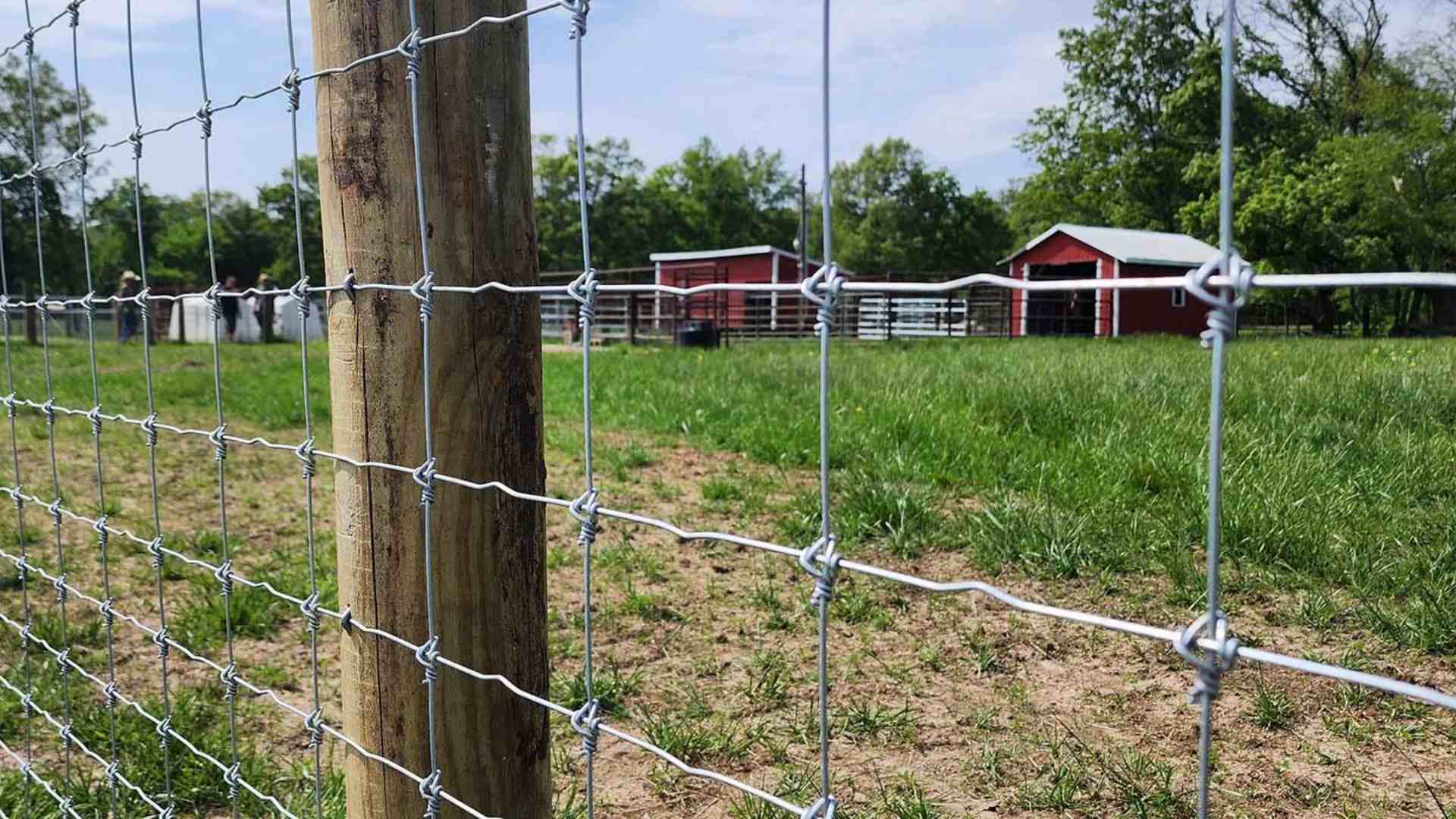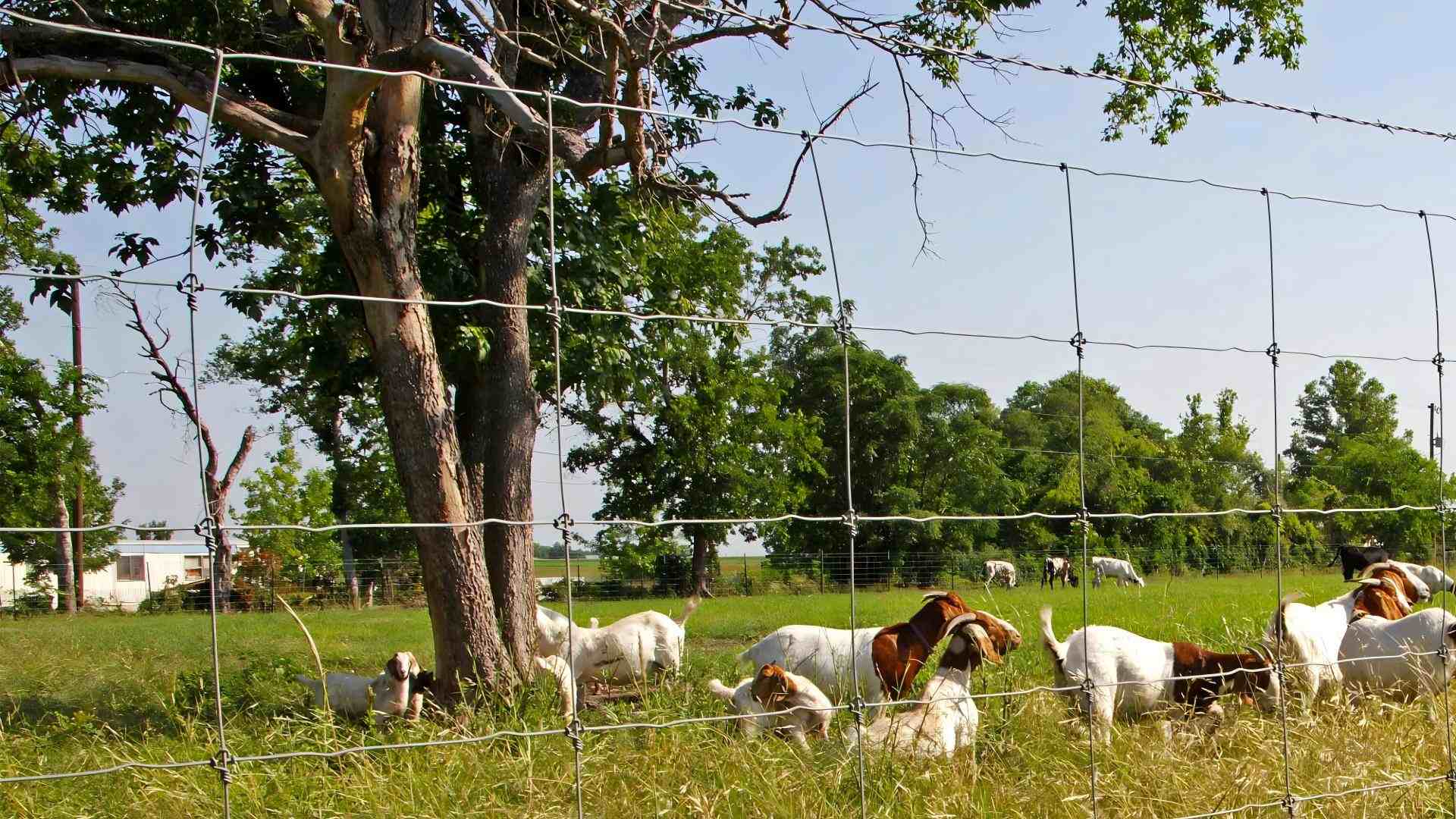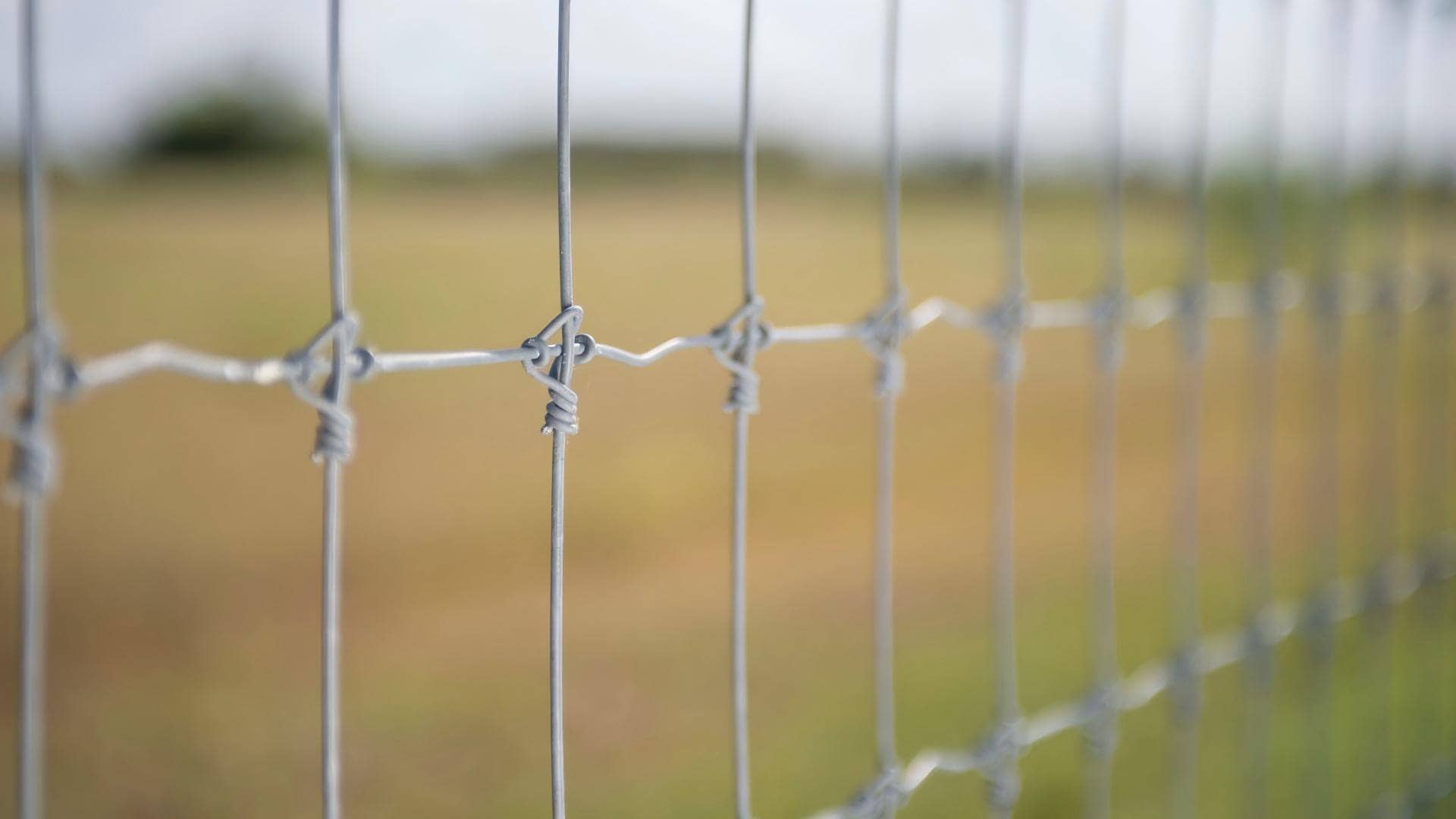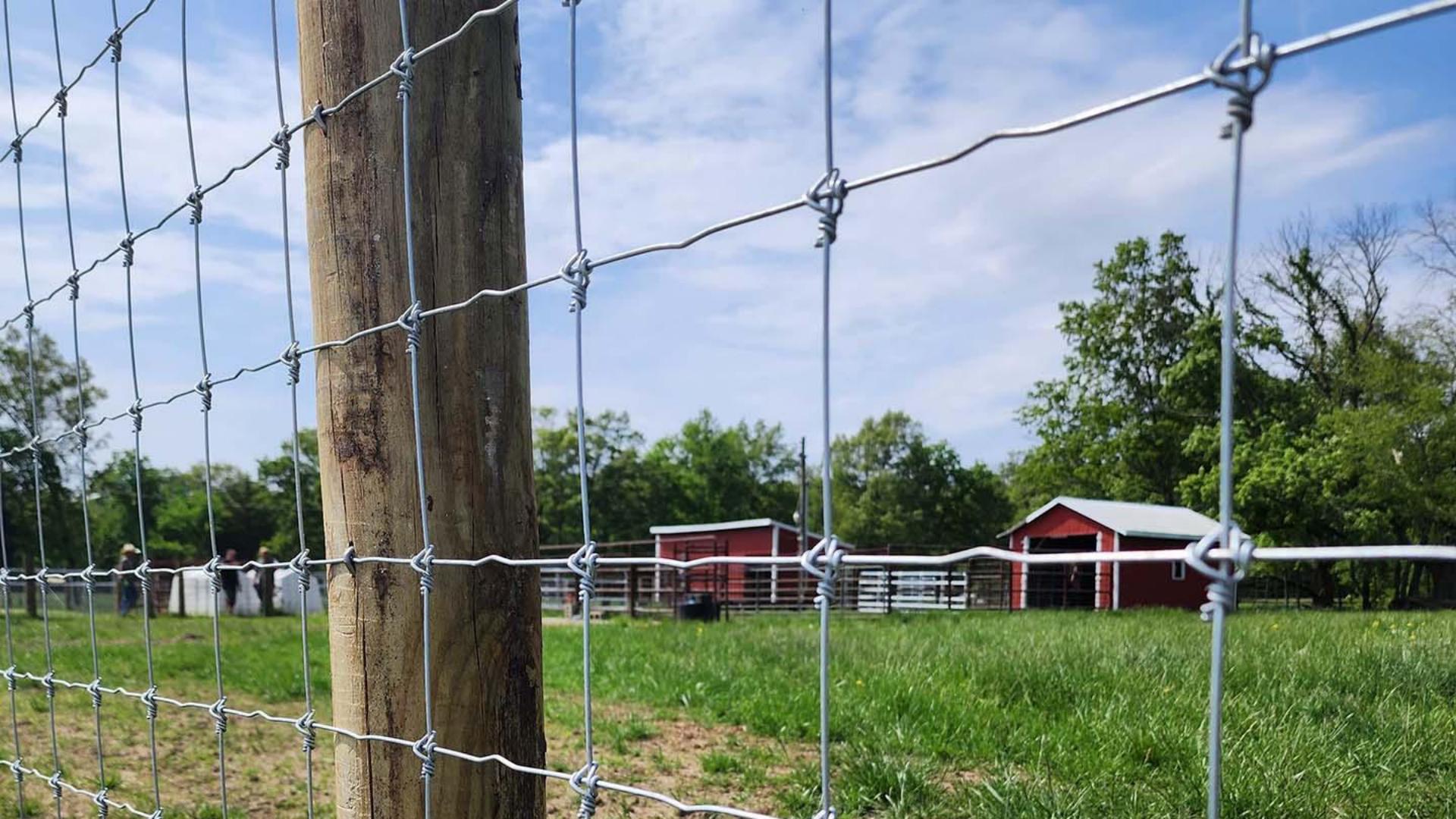
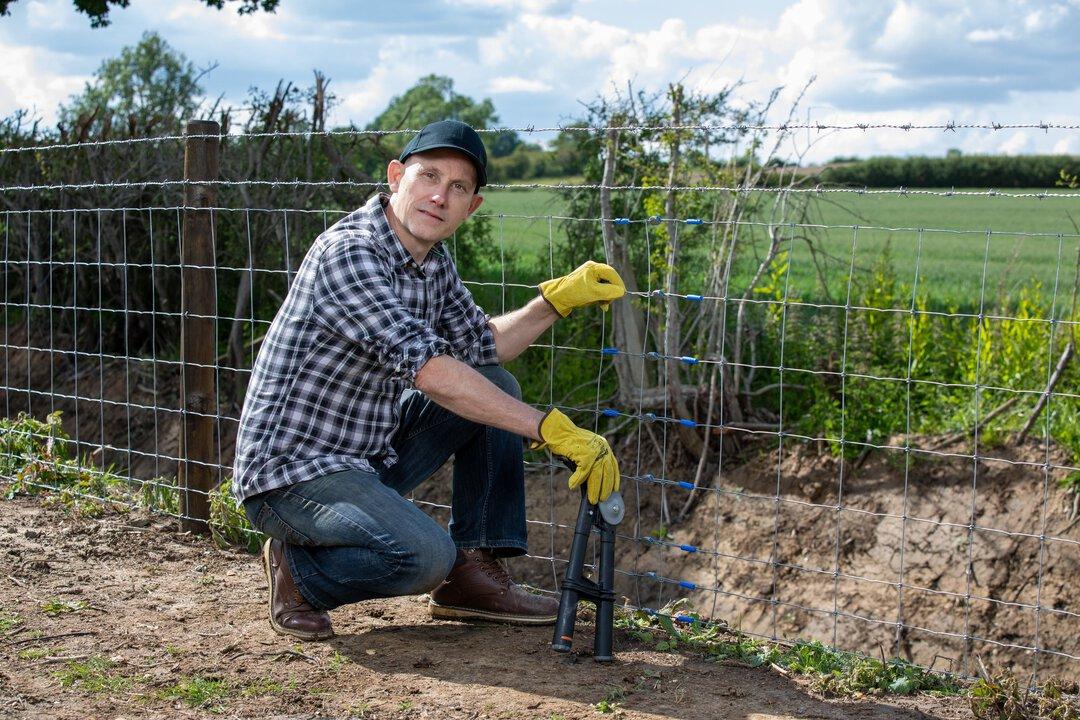
Woven wire fence performance depends not only on the fence fabric itself, but also on the supporting structure and installation quality.
Posts, corners, braces, wire tension, fastening, terrain, and maintenance all contribute to the performance of the finished fence.
The exact installation method should follow the fence manufacturer’s instructions and applicable project or local requirements.
Technical Snapshot
| Item | Key Consideration |
|---|---|
| Fence fabric | Match mesh, height, wire, and knot specification to the application |
| Line posts | Provide continuous support along the fence |
| End & corner assemblies | Transfer fence loads into the ground |
| Bracing | Provides structural resistance at changes in direction and tension points |
| Wire tension | Must match the fence type and installation method |
| Fastening | Secure the fence without unnecessarily restricting wire movement |
| Terrain | Affects alignment, post placement, and fence tension |
| Maintenance | Regular inspection helps identify damage and loss of tension |
1. Plan the Fence Layout
Before installation, establish the fence line and identify:
- Property boundaries
- Gates and access points
- Corners and changes in direction
- Slopes and uneven terrain
- Water crossings
- Existing structures
- Underground utilities
The fence design should be based on its intended function, animal type, terrain, and local requirements.
NRCS guidance identifies animal size/type and access-control requirements as important factors when selecting and installing fencing.
2. Install End, Corner and Gate Posts
End and corner assemblies carry significant loads from the fence.
They should therefore be adequately embedded and braced according to the fence design and site conditions.
A properly constructed brace system helps maintain fence alignment and provides resistance against wire tension.
Bekaert notes that bracing is a critical part of agricultural fence construction because the brace assembly transfers and resists fence loads.
Do not treat line posts and corner posts as interchangeable components.
3. Install Line Posts
Line posts provide intermediate support for the woven wire.
The appropriate spacing depends on:
- Fence type
- Wire construction
- Fence height
- Terrain
- Soil conditions
- Livestock pressure
- Tensioning method
There is therefore no single post spacing that applies to every woven wire fence.
For example, Bekaert provides different general spacing recommendations for high-tensile fixed-knot, field fence, and other fence types.
The product specification should take priority over generic spacing recommendations.
4. Position the Woven Wire
The fence roll should be positioned consistently along the fence line before tensioning.
Pay attention to:
- Correct fence height
- Mesh orientation
- Bottom clearance
- Alignment
- Correct side of the posts
- Connection between adjacent rolls
The lower part of the fence is particularly important for livestock and wildlife applications.
The required clearance and mesh configuration should be determined by the application and project specification.
5. Tension the Fence
Proper tension is essential to woven wire fence performance.
The appropriate tension depends on the wire construction.
Conventional Fence
Conventional woven wire generally relies more heavily on the overall fence structure and may require different tensioning practices from high-tensile fence.
High-Tensile Fence
High-tensile fencing requires controlled tensioning and appropriate end and corner assemblies.
Over-tensioning can damage the wire or components. Bekaert specifically warns that high-tensile fence should not be over-tensioned because excessive tension can contribute to wire failure and safety hazards.
Therefore:
Do not use a generic tension value for every woven wire fence.
Follow the manufacturer’s installation instructions.
6. Fasten the Fence to Posts
The woven wire should be securely attached to the supporting posts while allowing the fence system to function as designed.
Fastening methods vary according to post material and fence construction.
For high-tensile wire systems, Bekaert recommends avoiding hard-stapling the wire directly against the post. Their guidance allows some movement of the wire under the staple, accommodating temperature-related movement and helping the brace system carry the load.
This illustrates an important principle:
Secure does not always mean rigidly fixed.
7. Join Fence Rolls
Adjacent fence rolls should be joined using an appropriate wire-joining method.
Possible methods include:
- Approved fence clips
- Wire joiners
- Knotted wire connections
- Manufacturer-approved splicing systems
The joining method should be compatible with the wire type and fence construction.
For high-tensile fence, use joining systems designed for high-tensile wire rather than improvised connections.
8. Inspect the Completed Fence
After installation, check:
- Fence alignment
- Wire tension
- Mesh configuration
- Post stability
- Corner assemblies
- Gate operation
- Connections between rolls
- Clearance from the ground
- Damaged or deformed wire
The finished fence should maintain the intended mesh configuration without excessive sagging or unnecessary tension.
Common Installation Mistakes
Weak Corner Assemblies
Poorly constructed corners can compromise the entire fence line.
Excessive Tension
Over-tensioning can damage high-tensile wire and components.
Incorrect Post Spacing
Spacing that is too wide for the fence design or site conditions can reduce stability.
Rigid Fastening
Incorrect fastening can restrict the intended movement of the wire.
Ignoring Terrain
A fence designed for flat ground may require different installation treatment on steep or irregular terrain.
Mixing Specifications
Combining different wire types, coatings, knots, or accessories without checking compatibility can create inconsistent performance.
Maintenance
Woven wire fence should be inspected periodically, particularly after:
- Severe weather
- Flooding
- Heavy livestock pressure
- Falling trees or branches
- Ground movement
- Agricultural operations
Check for:
- Broken wires
- Loose connections
- Damaged posts
- Sagging sections
- Vegetation interference
- Damaged gates
- Loss of tension
NRCS guidance recommends regular inspection and maintenance, including repair after storms or other disturbance events.
Conclusion
A well-performing woven wire fence depends on more than the fence fabric.
Posts, corners, bracing, tension, fastening, terrain, and maintenance must work together as one system.
The exact installation method should always be determined by the fence specification, manufacturer’s instructions, site conditions, and applicable local or project requirements.
FAQ
How far apart should woven wire fence posts be?
There is no universal spacing. The appropriate distance depends on fence type, wire construction, terrain, livestock pressure, and installation design.
Does woven wire fence need corner bracing?
Yes. End, corner, and gate assemblies need adequate structural support to resist fence loads.
How tight should woven wire fence be?
The required tension depends on the fence construction. High-tensile fencing requires controlled tensioning, and excessive tension should be avoided.
Can woven wire fence be installed on uneven ground?
Yes. Woven wire can be installed on uneven terrain, but post placement, alignment, tensioning, and mesh configuration need to be adapted to the site.
How often should woven wire fence be inspected?
Inspection frequency depends on the application and environment. Regular inspection is particularly important after storms, flooding, animal impact, or other events that may damage the fence.