Introduction
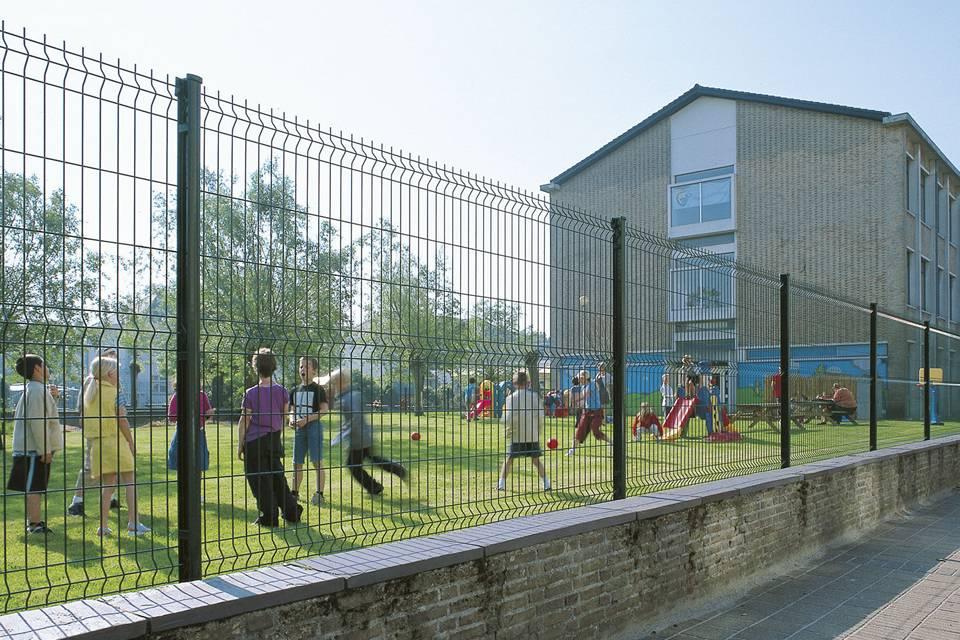
Schools, parks, recreational areas, and public facilities serve communities every day and require fencing systems that provide safety, durability, and accessibility. Unlike industrial or commercial sites, public environments must balance security requirements with visibility, aesthetics, and user experience.
Whether protecting school campuses, defining park boundaries, securing sports facilities, or safeguarding municipal infrastructure, the right fence plays an important role in maintaining a safe and welcoming environment.
This guide examines the most common fencing solutions used in educational, recreational, and public-sector projects and explains how to select the appropriate system for specific applications.
Why Public Facilities Require Fencing
Public facilities face unique challenges:
- Student safety
- Visitor management
- Property protection
- Boundary definition
- Access control
- Equipment security
- Regulatory compliance
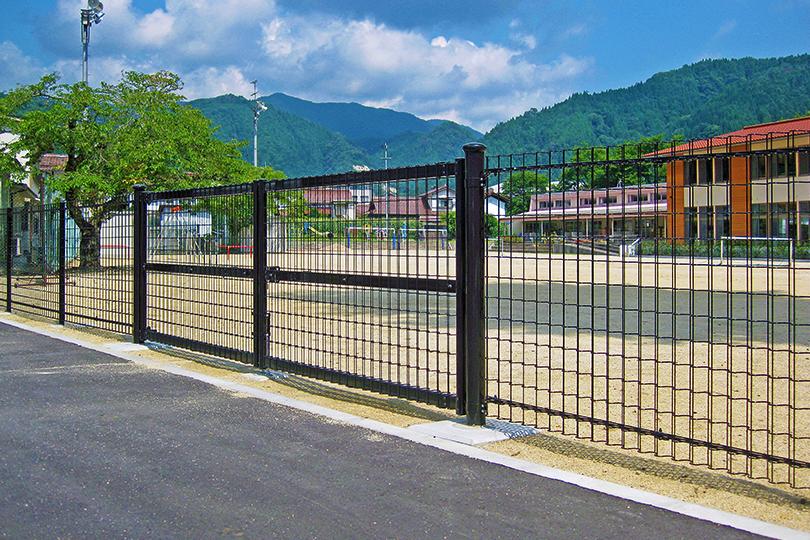
Fencing helps establish controlled spaces while maintaining openness and visibility.
Security Requirements Table
| Requirement | Importance |
|---|---|
| Safety | Protect students and visitors |
| Visibility | Enable supervision |
| Durability | Withstand heavy public use |
| Appearance | Blend with surroundings |
| Low Maintenance | Reduce municipal costs |
| Access Control | Manage entrances and exits |
Common Fence Types
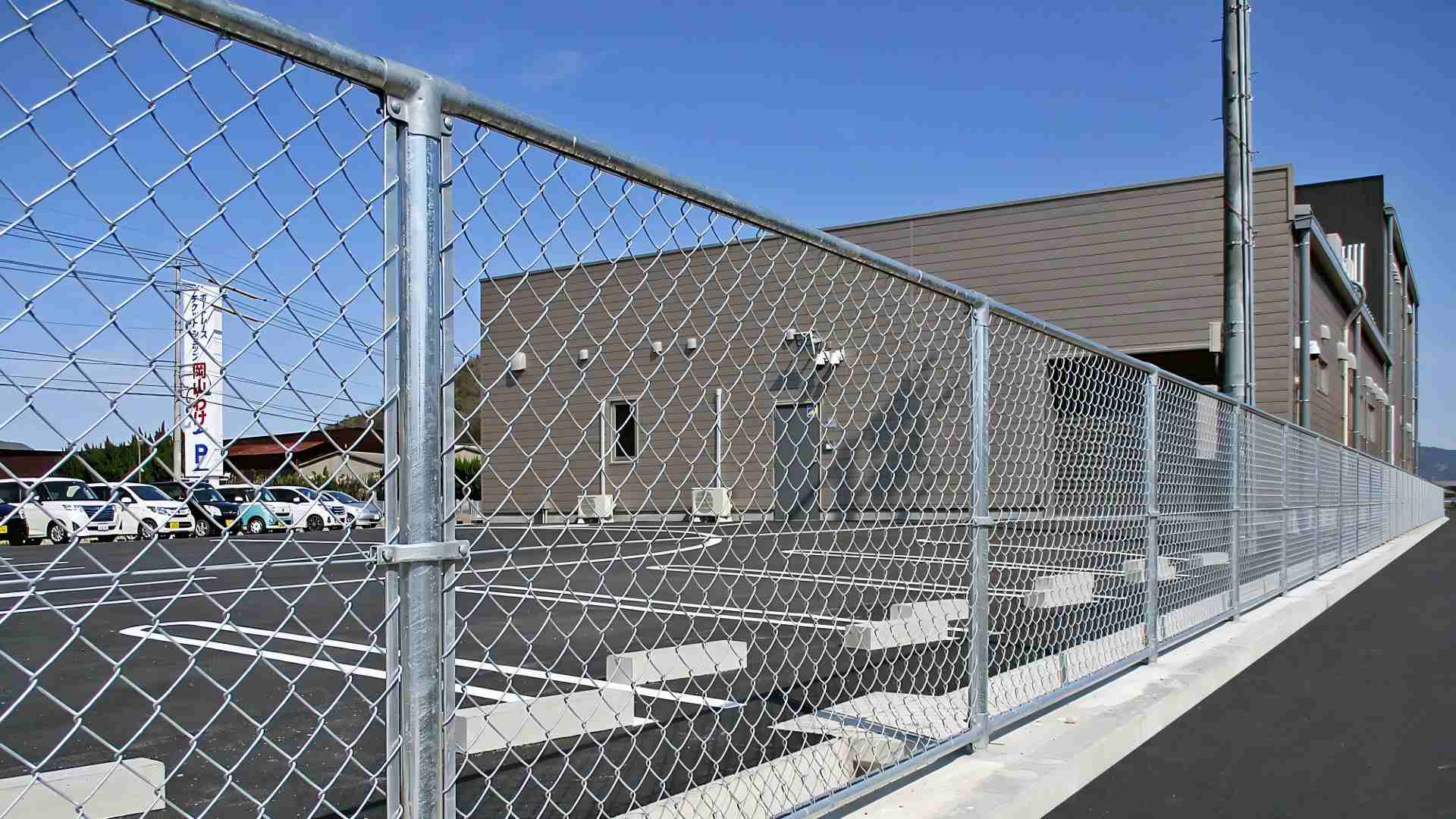
Chain Link Fence
Widely used for:
- Sports fields
- School playgrounds
- Public parks
- Recreation centers
Advantages:
- Cost-effective
- Excellent visibility
- Easy repairs
- Long lifespan
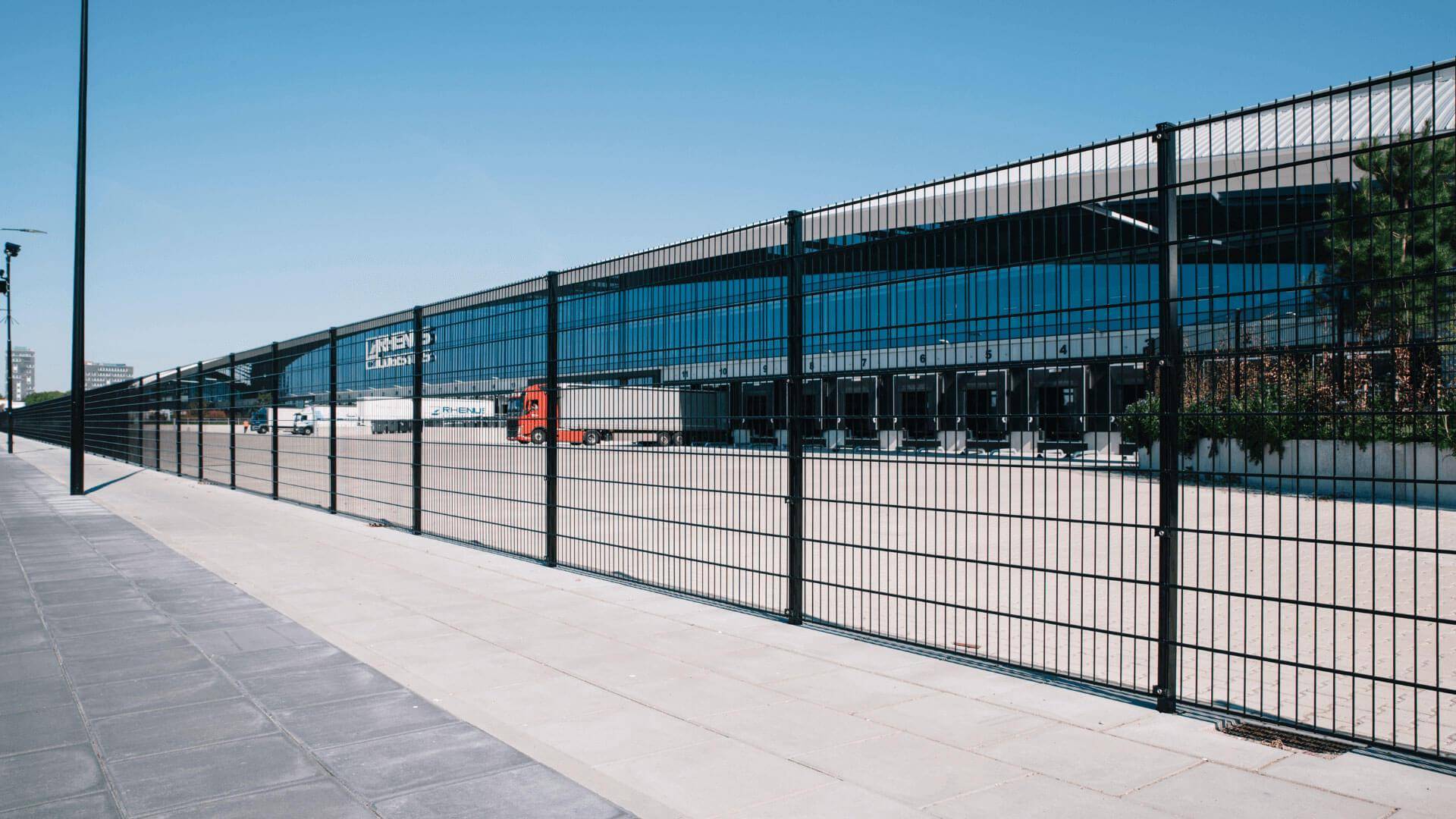
Welded Wire Fence
Increasingly specified for:
- School campuses
- Municipal buildings
- Public infrastructure
- Community facilities
Advantages:
- Modern appearance
- Improved security
- Anti-climb characteristics
- Professional presentation
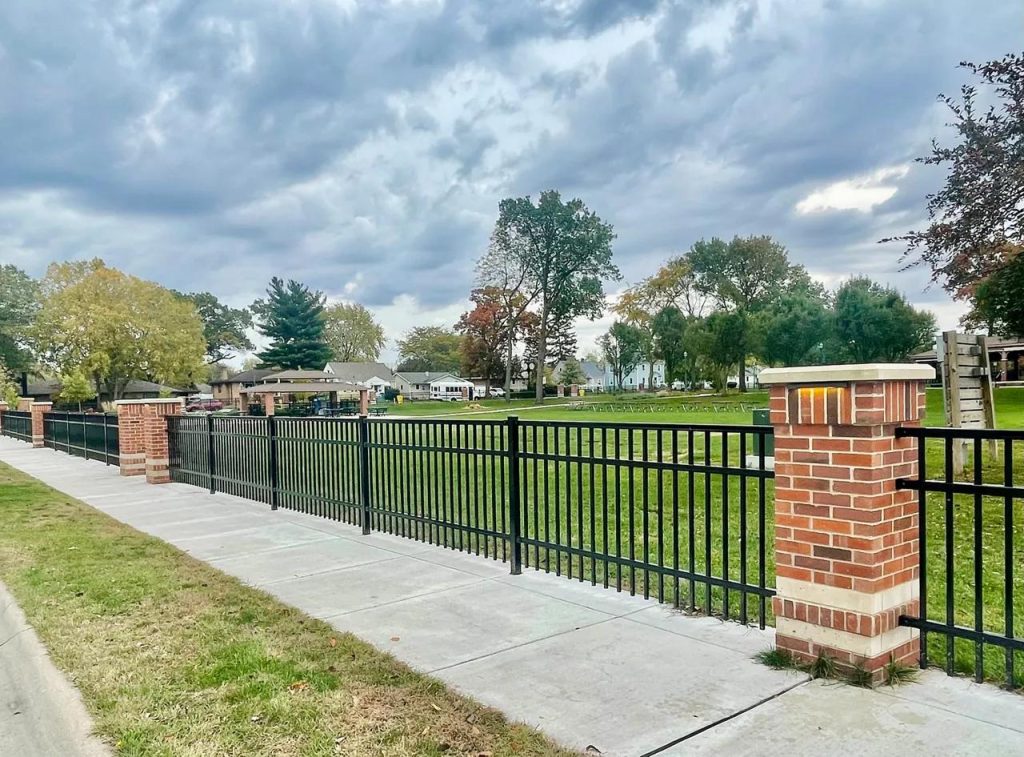
Ornamental Metal Fence
Suitable for:
- Civic buildings
- Historical sites
- Public plazas
- Government facilities
Advantages:
- Architectural appearance
- High durability
- Decorative value
School Applications
Schools require fencing that protects students while maintaining visibility.
Typical uses include:
- Campus boundaries
- Playground enclosures
- Sports facilities
- Equipment storage areas
Recommended solution:
- Powder-coated welded wire fence
- Height: 1.8–2.4 m
Park Applications
Parks require fencing that defines boundaries without creating a restrictive environment.
Recommended uses:
- Perimeter boundaries
- Children’s play areas
- Dog parks
- Maintenance compounds
Recommended solution:
- Welded wire fence
- Chain link fence
- Decorative fencing
Sports and Recreation Facilities
Sports facilities commonly use:
- Chain link fencing
- Backstop systems
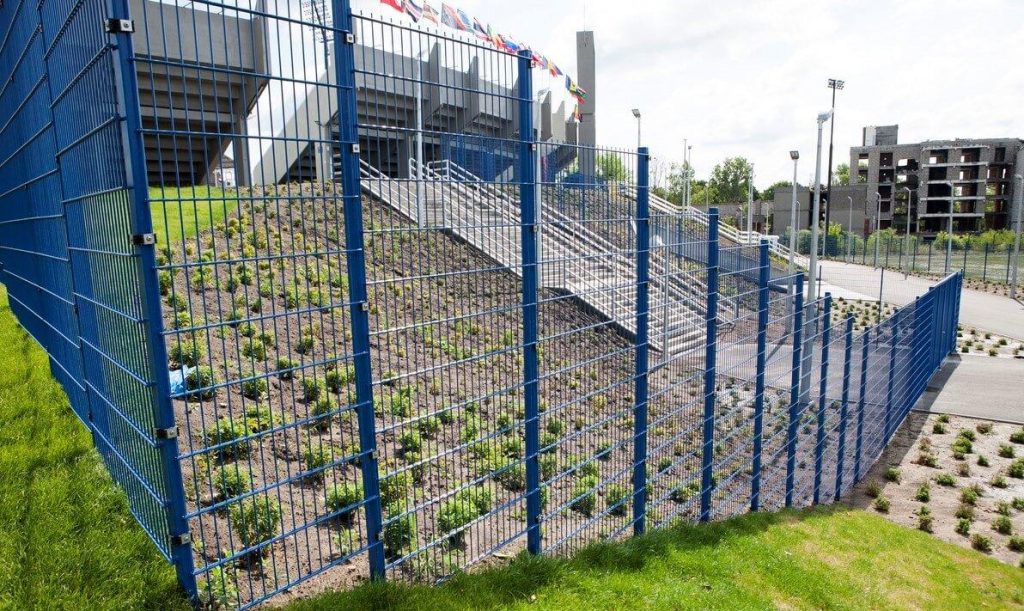
- Spectator barriers
- Court enclosures
Applications:
- Baseball fields
- Tennis courts
- Soccer facilities
- Multi-use recreational areas
Fence Type Comparison Table
| Feature | Chain Link | Welded Wire | Ornamental |
|---|---|---|---|
| Cost | Low | Medium | High |
| Visibility | Excellent | Excellent | Good |
| Security | Good | Very Good | Good |
| Appearance | Functional | Modern | Premium |
| Maintenance | Low | Low | Low |
Recommended Specifications Table
| Facility | Fence Type | Height |
|---|---|---|
| Elementary School | Welded Wire | 1.8–2.0 m |
| High School | Welded Wire | 2.0–2.4 m |
| Public Park | Chain Link / Welded Wire | 1.5–2.0 m |
| Sports Field | Chain Link | 2.4–4.0 m |
| Community Center | Welded Wire | 1.8–2.4 m |
| Municipal Facility | Welded Wire | 2.4 m |
Facility Type Selection Guide
| Facility Type | Recommended Solution |
|---|---|
| School Campus | Welded Wire Fence |
| Playground | Welded Wire Fence |
| Public Park | Chain Link Fence |
| Dog Park | Chain Link Fence |
| Sports Complex | Chain Link Fence |
| Municipal Building | Welded Wire Fence |
| Utility Compound | High-Security Welded Wire |
Common Specification Mistakes
Prioritizing Cost Over Safety
The lowest-cost solution may not provide adequate protection.
Selecting Excessive Security
Public environments often require openness rather than fortress-like barriers.
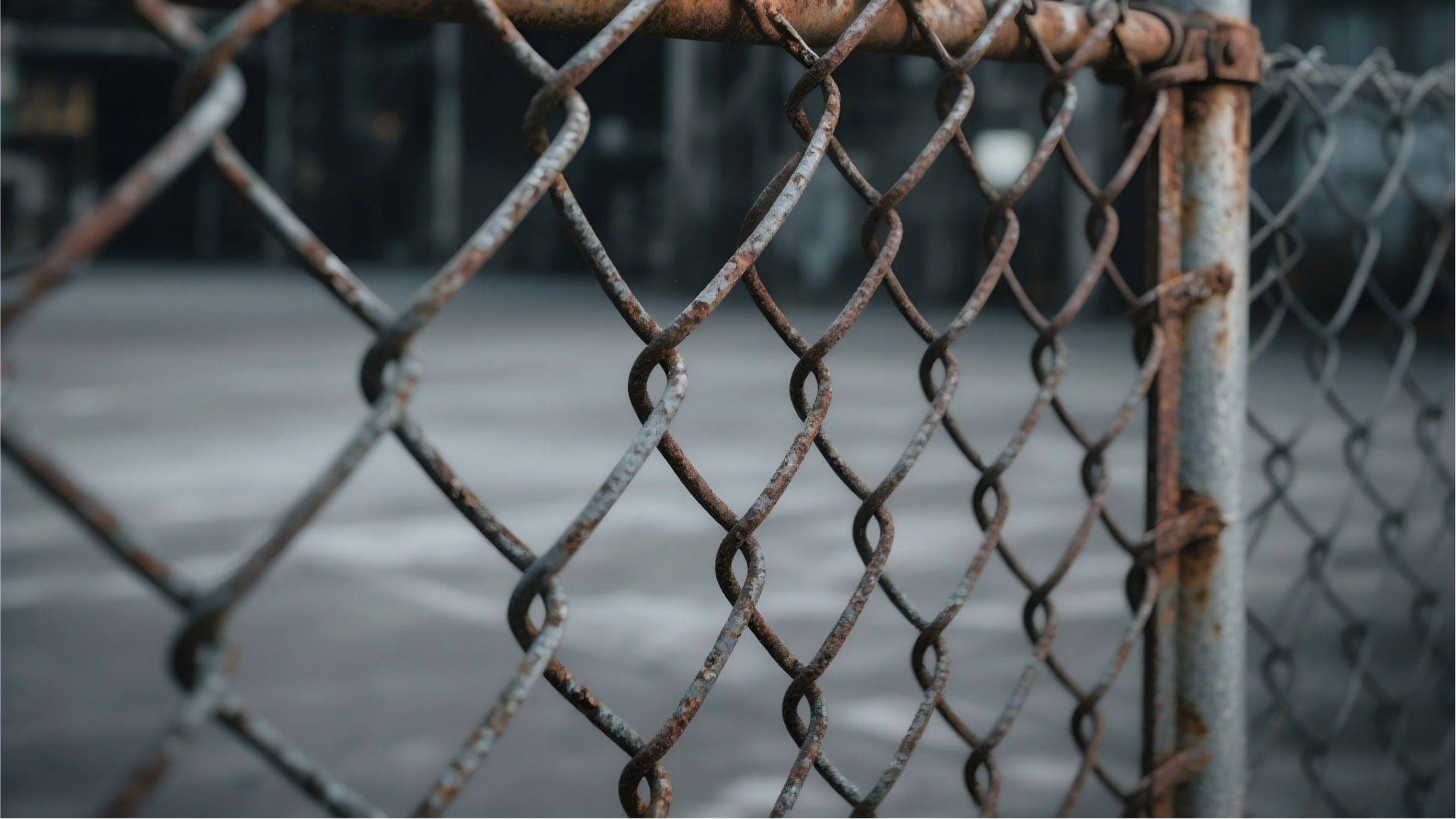
Ignoring Maintenance Requirements
Municipal budgets benefit from low-maintenance fence systems.
Conclusion
Schools, parks, and public facilities require fencing systems that balance safety, visibility, durability, and appearance. Chain link and welded wire fencing remain the most commonly specified solutions due to their versatility, cost-effectiveness, and long service life.
By matching fence specifications to facility requirements, project planners can create safer and more welcoming public environments while minimizing maintenance costs over the long term.