Introduction
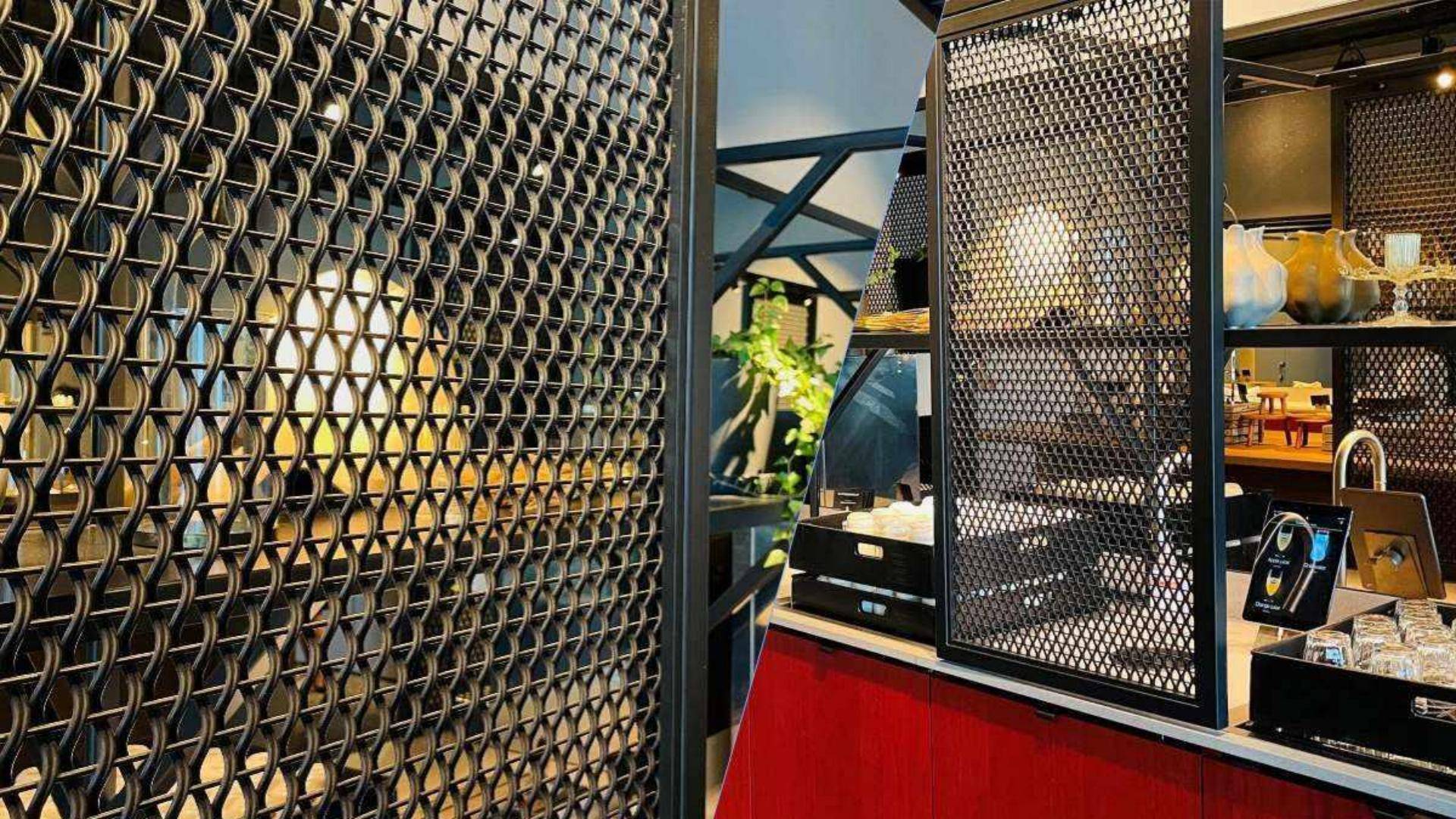
Architectural metal products have become a defining feature of contemporary building design. From striking facade systems and decorative screens to sun-shading structures and interior partitions, metal materials offer a unique combination of aesthetics, durability, and functionality.
Architects, developers, and building owners increasingly use perforated metal, expanded metal, decorative wire mesh, and architectural grating to enhance building performance while creating visually distinctive spaces.
This article explores how architectural metal solutions contribute to modern construction projects and highlights key considerations when selecting materials for long-term performance.
Why Architectural Metal Is Growing in Popularity
Modern buildings must balance:
- Visual appeal
- Energy efficiency
- Durability
- Sustainability
- Low maintenance
Architectural metal products help achieve these goals while offering designers significant flexibility.
Compared with many traditional materials, metal systems can provide long service life and consistent appearance under demanding environmental conditions.
Common Architectural Metal Products
Perforated Metal
Perforated metal panels are widely used in:
- Building facades
- Sun-shading systems
- Parking structures
- Equipment screens
- Ceiling systems
Benefits include:
- Custom patterns
- Light transmission
- Ventilation
- Modern appearance
Expanded Metal
Expanded metal is commonly selected for:
- Exterior cladding
- Security screens
- Walkways
- Architectural screening
Benefits include:
- High strength-to-weight ratio
- Continuous material structure
- Good airflow
- Distinctive appearance
Decorative Wire Mesh
Decorative woven mesh is often used in:
- Hotel interiors
- Retail environments
- Office spaces
- Elevator enclosures
- Architectural partitions
Benefits include:
- Premium appearance
- Transparency options
- Design flexibility
Architectural Bar Grating
Architectural grating may be used for:
- Walkways
- Catwalks
- Stair treads
- Ventilation platforms
Benefits include:
- Load-bearing capability
- Slip resistance
- Durability
Architectural Applications
Building Facades
Metal facades provide:
- Modern aesthetics
- Sun control
- Ventilation
- Privacy
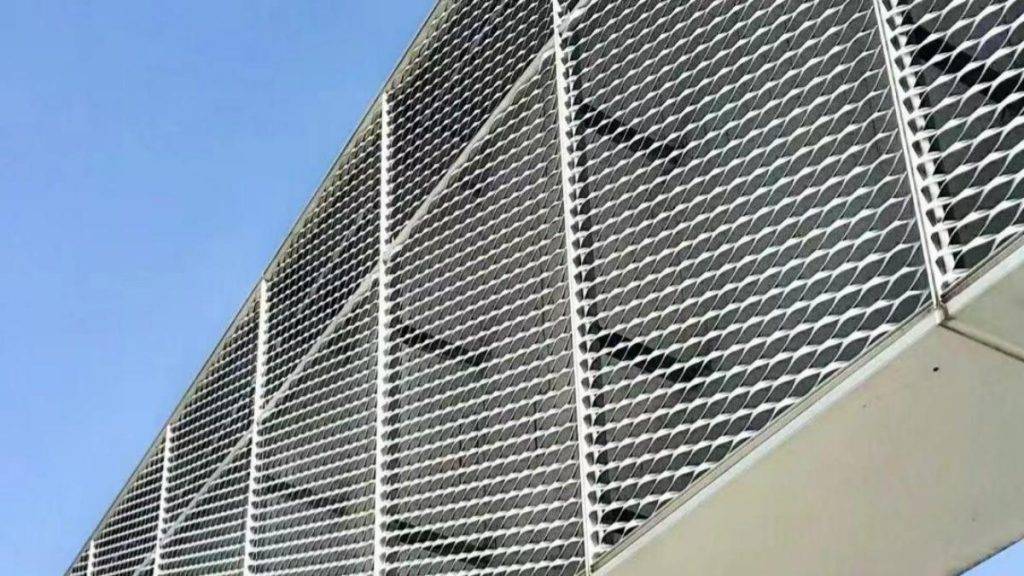
Perforated and expanded metal systems are particularly popular in commercial and institutional buildings.
Interior Design Features
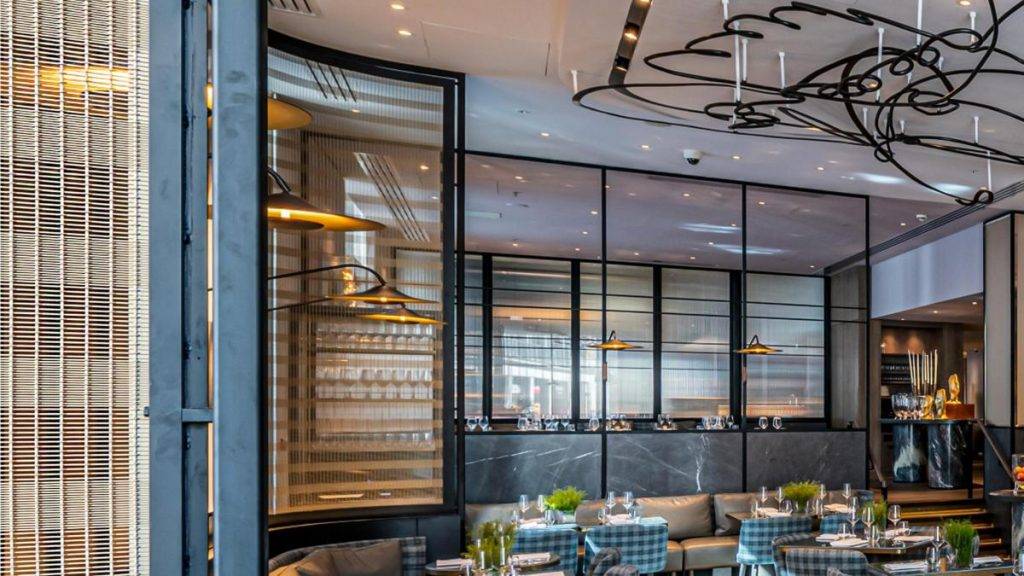
Architectural metal products are increasingly used indoors for:
- Decorative partitions
- Ceiling systems
- Feature walls
- Balustrades
These applications help create visually dynamic spaces while maintaining durability.
Solar Control and Building Performance
Metal screening systems can help reduce solar heat gain while maintaining natural daylight.
Benefits include:
- Energy efficiency
- Occupant comfort
- Reduced cooling loads
Architectural Product Comparison Table
| Product | Appearance | Ventilation | Typical Application |
|---|---|---|---|
| Perforated Metal | Excellent | Excellent | Facades & Screens |
| Expanded Metal | Excellent | Excellent | Cladding & Screening |
| Decorative Wire Mesh | Premium | Good | Interiors |
| Bar Grating | Functional | Excellent | Walkways |
Material Selection Considerations
Aluminum
Advantages:
- Lightweight
- Corrosion resistant
- Easy fabrication
Stainless Steel
Advantages:
- Premium appearance
- Excellent corrosion resistance
- Long service life
Carbon Steel
Advantages:
- Cost-effective
- High strength
- Versatile fabrication
Common Design Considerations
Architectural teams should evaluate:
- Visual objectives
- Structural requirements
- Environmental exposure
- Maintenance expectations
- Building code requirements
Material selection should support both aesthetic and functional goals.
Conclusion
Architectural metal products provide designers with versatile solutions that combine performance and visual impact. Whether used in facades, decorative interiors, screening systems, or structural applications, perforated metal, expanded metal, decorative wire mesh, and bar grating continue to play an important role in contemporary architecture.
Selecting the right product and material can help ensure long-term durability while enhancing the overall character of a building.
FAQ
What architectural metal products are commonly used in facades?
Perforated metal and expanded metal are among the most widely used facade materials.
Is decorative wire mesh suitable for interior applications?
Yes. Decorative wire mesh is frequently used in hotels, offices, retail spaces, and architectural partitions.
What material is best for exterior architectural projects?
Material selection depends on the environment, but aluminum and stainless steel are commonly chosen for exterior applications.
Can perforated metal improve building performance?
Yes. Perforated metal can contribute to ventilation, shading, and daylight control.
Is expanded metal suitable for architectural cladding?
Yes. Expanded metal is widely used in contemporary building envelopes and screening systems.