Introduction
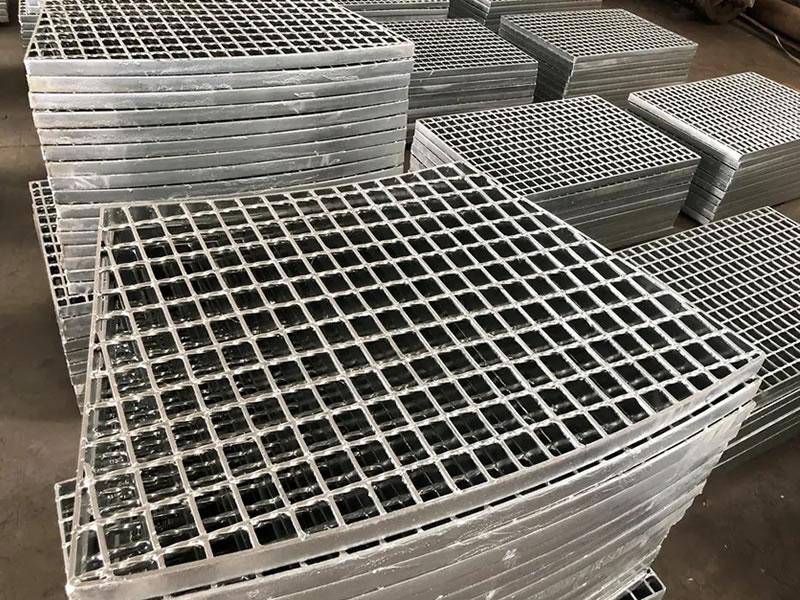
Bar grating is widely used in industrial flooring, walkways, platforms, trenches, stair treads, and drainage systems. Its open structure provides excellent load-bearing performance while allowing light, air, water, and debris to pass through.
Selecting the correct grating specification is essential for ensuring safety, durability, and long-term performance. This guide explains the key factors engineers and buyers should evaluate before purchasing bar grating.
What Is Bar Grating?
Bar grating consists of parallel bearing bars connected by cross bars to form a rigid load-bearing panel. Common materials include:
- Carbon steel
- Galvanized steel
- Stainless steel
- Aluminum
The choice of material depends on load requirements and environmental conditions.
Step 1: Determine Load Requirements
Load capacity is the most important factor when selecting bar grating. Consider:
- Pedestrian traffic
- Equipment loads
- Vehicle traffic
- Maintenance access
- Safety requirements
Typical Load Categories
| Application | Load Requirement |
|---|---|
| Walkways | Light Duty |
| Maintenance Platforms | Medium Duty |
| Industrial Flooring | Heavy Duty |
| Vehicle Access Areas | Extra Heavy Duty |
| Trench Covers | Application Specific |
Always determine the maximum anticipated load before selecting a grating type.
Step 2: Choose the Grating Type
Welded Steel Grating
Most commonly used.
Advantages:
- Economical
- Strong
- Widely available
Applications:
- Industrial platforms
- Walkways
- Utility facilities
Press-Locked Grating
Advantages:
- Architectural appearance
- Clean lines
- Precise construction
Applications:
- Commercial buildings
- Architectural projects
Swage-Locked Grating
Advantages:
- Lightweight
- Attractive appearance
- Corrosion resistant
Applications:
- Aluminum grating systems
- Architectural applications
Step 3: Select Material
Carbon Steel
Advantages:
- High strength
- Cost-effective
Applications:
- General industrial use
Hot-Dip Galvanized Steel
Advantages:
- Corrosion protection
- Long service life
Applications:
- Outdoor environments
- Infrastructure projects
Stainless Steel
Advantages:
- Excellent corrosion resistance
- Hygienic surface
- Low maintenance
Applications:
- Food processing
- Chemical plants
- Marine facilities
Aluminum
Advantages:
- Lightweight
- Corrosion resistant
Applications:
- Architectural projects
- Offshore facilities
Step 4: Select Bearing Bar Size
Bearing bars support the applied load.
Larger bearing bars generally provide:
- Higher load capacity
- Greater rigidity
- Longer spans
Common Bearing Bar Sizes
| Bearing Bar Height | Typical Application |
|---|---|
| 20 mm | Light Duty |
| 25 mm | Walkways |
| 30 mm | Industrial Platforms |
| 40 mm | Heavy Duty Areas |
| 50 mm+ | Vehicle Traffic |
Step 5: Select Bearing Bar Spacing
Spacing affects:
- Load capacity
- Open area
- Safety
Common Spacing
| Spacing | Typical Use |
|---|---|
| 30 mm | Industrial Standard |
| 40 mm | General Use |
| 60 mm | Drainage Areas |
Smaller spacing generally provides higher strength and improved pedestrian safety.
Step 6: Consider Surface Type
Plain Surface
Advantages:
- Easy cleaning
- Cost-effective
Applications:
- Indoor facilities
Serrated Surface
Advantages:
- Enhanced slip resistance
- Improved worker safety
Applications:
- Offshore platforms
- Outdoor walkways
- Industrial plants
Environmental Considerations
Environmental exposure strongly influences material selection.
| Environment | Recommended Material |
|---|---|
| Indoor Dry Areas | Carbon Steel |
| Outdoor Facilities | Galvanized Steel |
| Coastal Areas | Stainless Steel |
| Chemical Plants | Stainless Steel |
| Food Processing | Stainless Steel |
Example Specification
A complete RFQ should include:
Product: Welded Steel Bar Grating
Material: Carbon Steel
Finish: Hot-Dip Galvanized
Bearing Bar: 30 × 3 mm
Bearing Bar Spacing: 30 mm
Cross Bar Spacing: 100 mm
Panel Size: 1000 × 6000 mm
Surface: Serrated
Common Selection Mistakes
Choosing Based Only on Price
Lower-cost grating may not meet load or corrosion requirements.
Ignoring Environmental Conditions
Material selection should consider moisture, chemicals, and coastal exposure.
Overlooking Slip Resistance
Outdoor and industrial applications often require serrated surfaces.
Not Defining Load Requirements
Load calculations should always be completed before finalizing specifications.
Recommended Specifications by Application
| Application | Recommended Grating |
|---|---|
| Industrial Walkways | Galvanized Welded Grating |
| Factory Platforms | Welded Steel Grating |
| Drainage Covers | Galvanized Grating |
| Offshore Facilities | Stainless Steel Grating |
| Food Processing Plants | Stainless Steel Grating |
| Commercial Buildings | Press-Locked Grating |
Conclusion
Selecting the right bar grating requires evaluating load requirements, material type, bearing bar dimensions, spacing, and environmental conditions. A well-specified grating system improves safety, durability, and long-term operating performance while reducing maintenance costs.