Introduction
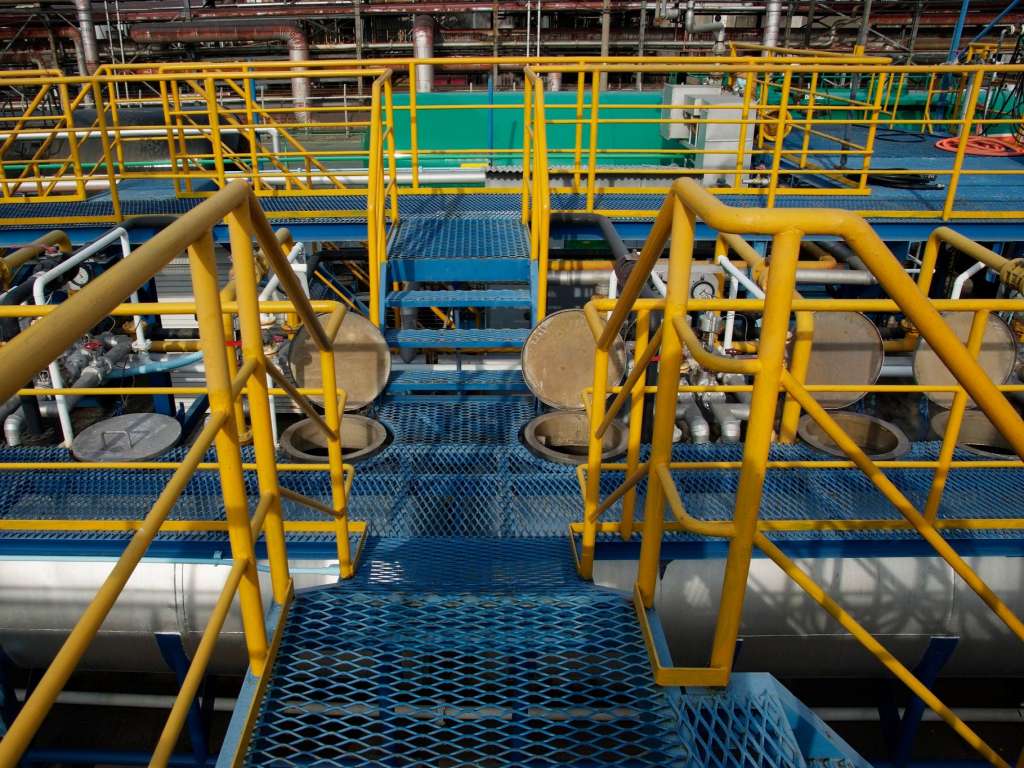
Industrial walkways and maintenance platforms must provide safe access while supporting personnel, equipment, and environmental exposure.
Two commonly specified materials are:
- Bar Grating
- Expanded Metal
Although both products create open flooring systems, they differ significantly in load capacity, drainage performance, slip resistance, weight, and cost.
Understanding these differences helps engineers, contractors, and facility managers choose the most suitable solution.
Understanding the Two Products
What Is Bar Grating?
Bar grating consists of parallel bearing bars connected by cross bars.
Its design creates a strong load-bearing structure with high open area.
Typical materials:
- Carbon Steel
- Hot-Dip Galvanized Steel
- Stainless Steel
- Aluminum
What Is Expanded Metal?
Expanded metal is produced by slitting and stretching a metal sheet into a diamond-shaped mesh pattern.
No welding is required.
Typical materials:
- Carbon Steel
- Galvanized Steel
- Stainless Steel
- Aluminum
Structural Strength Comparison
Load capacity is often the primary selection factor.
| Property | Bar Grating | Expanded Metal |
|---|---|---|
| Load Capacity | Excellent | Moderate |
| Long Span Performance | Excellent | Limited |
| Heavy Equipment Traffic | Suitable | Limited |
| Structural Rigidity | High | Moderate |
Winner: Bar Grating
For industrial platforms carrying heavy loads, bar grating is usually preferred.
Weight Comparison
Weight influences transportation, installation, and supporting structure requirements.
| Property | Bar Grating | Expanded Metal |
|---|---|---|
| Weight | Higher | Lower |
| Handling | Moderate | Easier |
| Installation Labor | Moderate | Lower |
Winner: Expanded Metal
Expanded metal often provides significant weight savings.
Drainage and Debris Removal
Industrial facilities frequently require water and debris drainage.
| Property | Bar Grating | Expanded Metal |
|---|---|---|
| Water Drainage | Excellent | Good |
| Snow Removal | Excellent | Good |
| Debris Passage | Excellent | Moderate |
Winner: Bar Grating
The larger open area allows superior drainage performance.
Slip Resistance
Worker safety is a major consideration.
Bar Grating
Serrated grating provides excellent traction.
Commonly used in:
- Offshore platforms
- Refineries
- Chemical plants
Expanded Metal
Raised expanded metal provides natural slip resistance due to its textured surface.
Commonly used in:
- Maintenance walkways
- Equipment platforms
- Access ramps
Winner: Tie
Both products can provide excellent slip resistance when properly selected.
Safety Comparison
| Property | Bar Grating | Expanded Metal |
|---|---|---|
| Foot Support | Excellent | Good |
| Small Object Retention | Moderate | Better |
| Fall Protection | Good | Better |
| Visibility Through Floor | Higher | Moderate |
Winner: Expanded Metal
Smaller openings can help prevent tools and components from falling through.
Fabrication and Installation
Bar Grating
Advantages:
- Modular panels
- High load capacity
- Long spans
Considerations:
- Heavier handling
Expanded Metal
Advantages:
- Easy cutting
- Easy fabrication
- Lightweight installation
Considerations:
- Lower load capacity
Corrosion Resistance
Corrosion resistance depends primarily on material and finish.
Common options:
| Material | Bar Grating | Expanded Metal |
|---|---|---|
| Galvanized Steel | Yes | Yes |
| Stainless Steel | Yes | Yes |
| Aluminum | Yes | Yes |
Neither product has an inherent corrosion-resistance advantage.
Cost Comparison
| Factor | Bar Grating | Expanded Metal |
|---|---|---|
| Material Cost | Higher | Lower |
| Installation Cost | Moderate | Lower |
| Lifecycle Value | Excellent | Good |
Winner: Expanded Metal
For light-duty applications, expanded metal often offers the most economical solution.
Application Comparison
Best Applications for Bar Grating
- Industrial platforms
- Heavy-duty walkways
- Refineries
- Chemical plants
- Offshore facilities
- Drainage covers
Best Applications for Expanded Metal
- Catwalks
- Equipment guards
- Access ramps
- Maintenance platforms
- Security screens
- Architectural applications
Side-by-Side Comparison Table
| Property | Bar Grating | Expanded Metal |
|---|---|---|
| Load Capacity | Excellent | Moderate |
| Weight | Higher | Lower |
| Drainage | Excellent | Good |
| Slip Resistance | Excellent | Excellent |
| Fabrication | Moderate | Easy |
| Cost | Higher | Lower |
| Heavy-Duty Use | Excellent | Limited |
| Maintenance Access | Excellent | Good |
Which One Should You Choose?
Choose Bar Grating when:
✓ Heavy loads are expected
✓ Long spans are required
✓ Drainage performance is critical
✓ Industrial durability is the priority
Choose Expanded Metal when:
✓ Lightweight flooring is preferred
✓ Budget is important
✓ Small-object retention is needed
✓ Moderate load capacity is sufficient
Example Selection Guide
| Application | Recommended Product |
|---|---|
| Oil & Gas Platform | Serrated Bar Grating |
| Chemical Plant | Galvanized Bar Grating |
| Factory Maintenance Walkway | Expanded Metal |
| Equipment Platform | Expanded Metal |
| Heavy Industrial Flooring | Bar Grating |
| Access Ramp | Raised Expanded Metal |
Common Buying Mistakes
Choosing Based Only on Cost
Lower-cost flooring may not meet load requirements.
Ignoring Span Length
Long spans often require bar grating.
Underestimating Drainage Requirements
Wet environments benefit from larger open areas.
Not Considering Worker Safety
Opening size and traction should be evaluated together.
Conclusion
Both bar grating and expanded metal provide durable and practical industrial walkway solutions. Bar grating excels in strength, drainage, and heavy-duty applications, while expanded metal offers advantages in weight, cost, and fabrication flexibility. The best choice depends on project requirements, load conditions, and operating environment.