Introduction
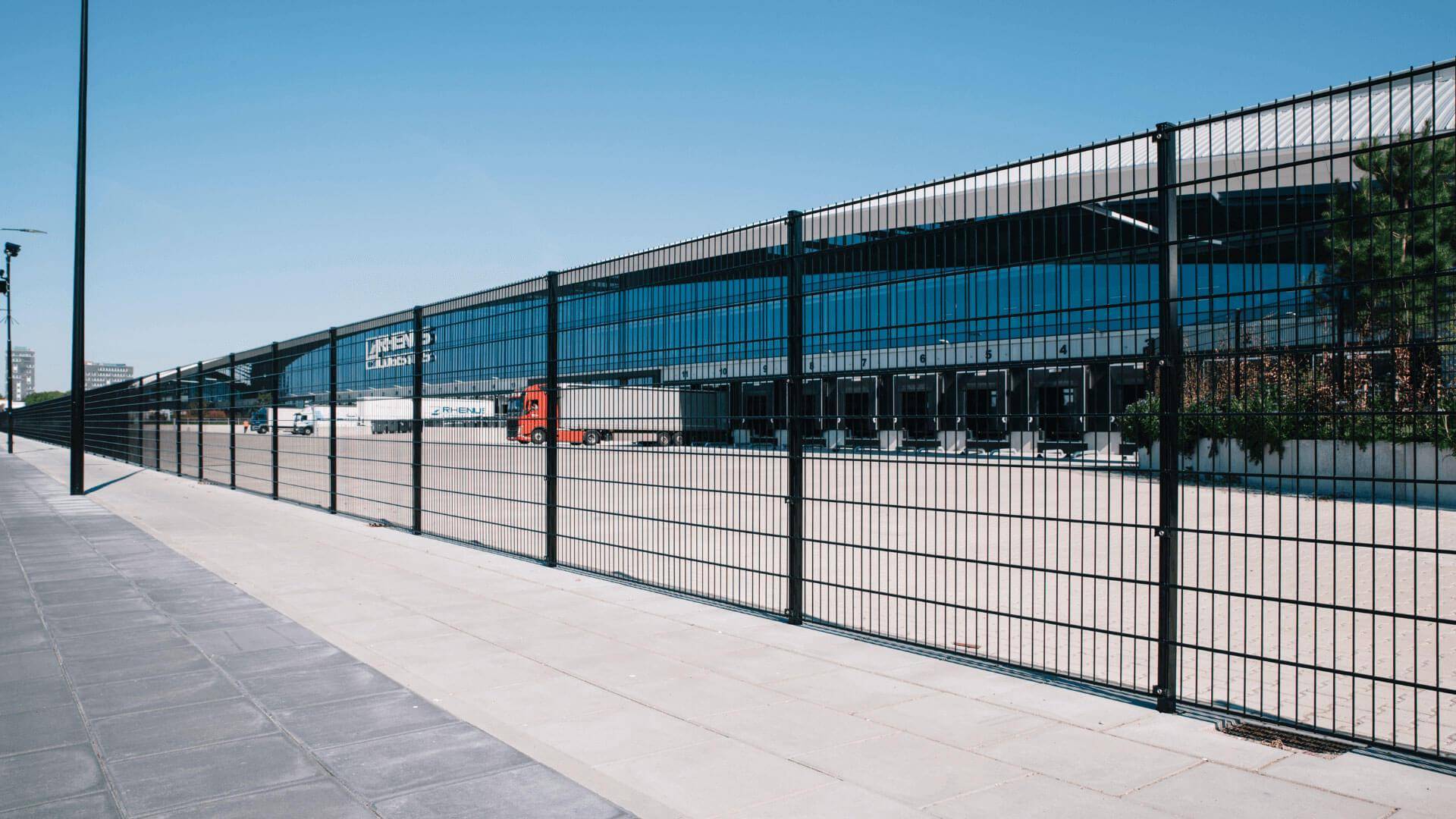
Chain link fencing remains one of the most widely used perimeter security solutions worldwide. Its combination of durability, visibility, cost-effectiveness, and ease of installation makes it suitable for industrial, commercial, municipal, and residential projects.
Understanding fence specifications is essential to ensure the selected system meets security requirements, environmental conditions, and project budgets.
Key Chain Link Fence Specifications
A complete chain link fence specification typically includes:
- Wire diameter
- Mesh opening
- Fence height
- Coating type
- Post dimensions
- Top rail size
- Material grade
Each parameter affects security, durability, and overall system performance.
Wire Diameter
Wire diameter directly influences fence strength and service life.
| Wire Diameter | Typical Application |
|---|---|
| 2.5 mm | Residential fencing |
| 3.0 mm | Commercial fencing |
| 3.5 mm | Industrial fencing |
| 4.0 mm | Security fencing |
| 5.0 mm | High-security installations |
Thicker wire provides greater resistance to cutting, impact, and deformation.
Mesh Opening Size
Mesh opening refers to the diamond-shaped opening formed by interwoven wires.
| Opening Size | Common Use |
|---|---|
| 40 mm | High security |
| 50 mm | Commercial |
| 60 mm | Industrial |
| 75 mm | Residential |
| 100 mm | Agricultural |
Smaller openings generally provide improved security.
Fence Height
Fence height is selected based on security requirements.
| Height | Typical Application |
|---|---|
| 1.2 m | Residential |
| 1.5 m | Light commercial |
| 1.8 m | Commercial |
| 2.0–2.4 m | Industrial |
| 3.0 m+ | High security |
Galvanized vs PVC Coated Chain Link Fence
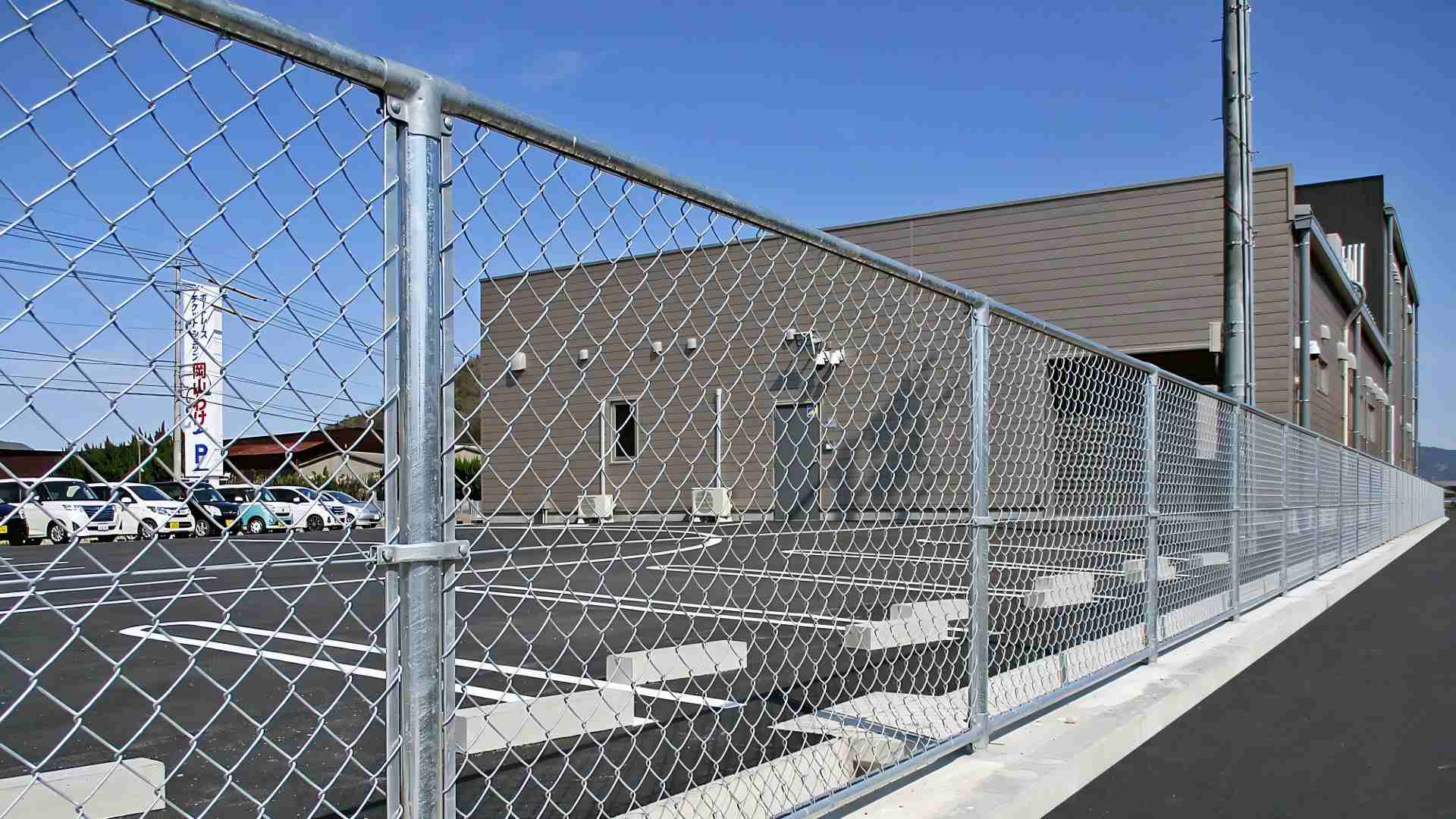
Galvanized Chain Link Fence
Advantages:
- Economical
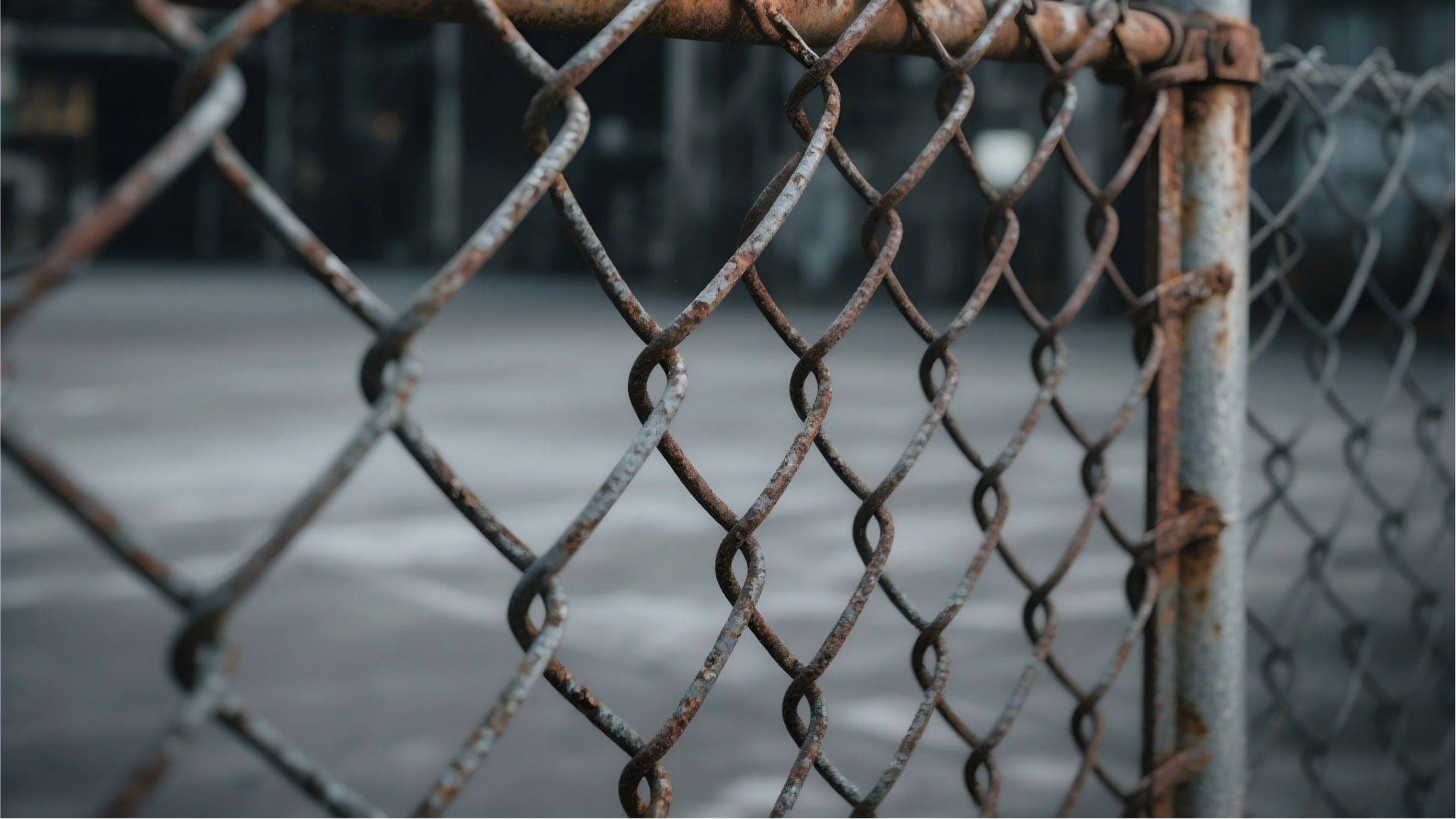
- Corrosion resistant
- Low maintenance
- Widely used
Applications:
- Industrial sites
- Warehouses
- Public facilities
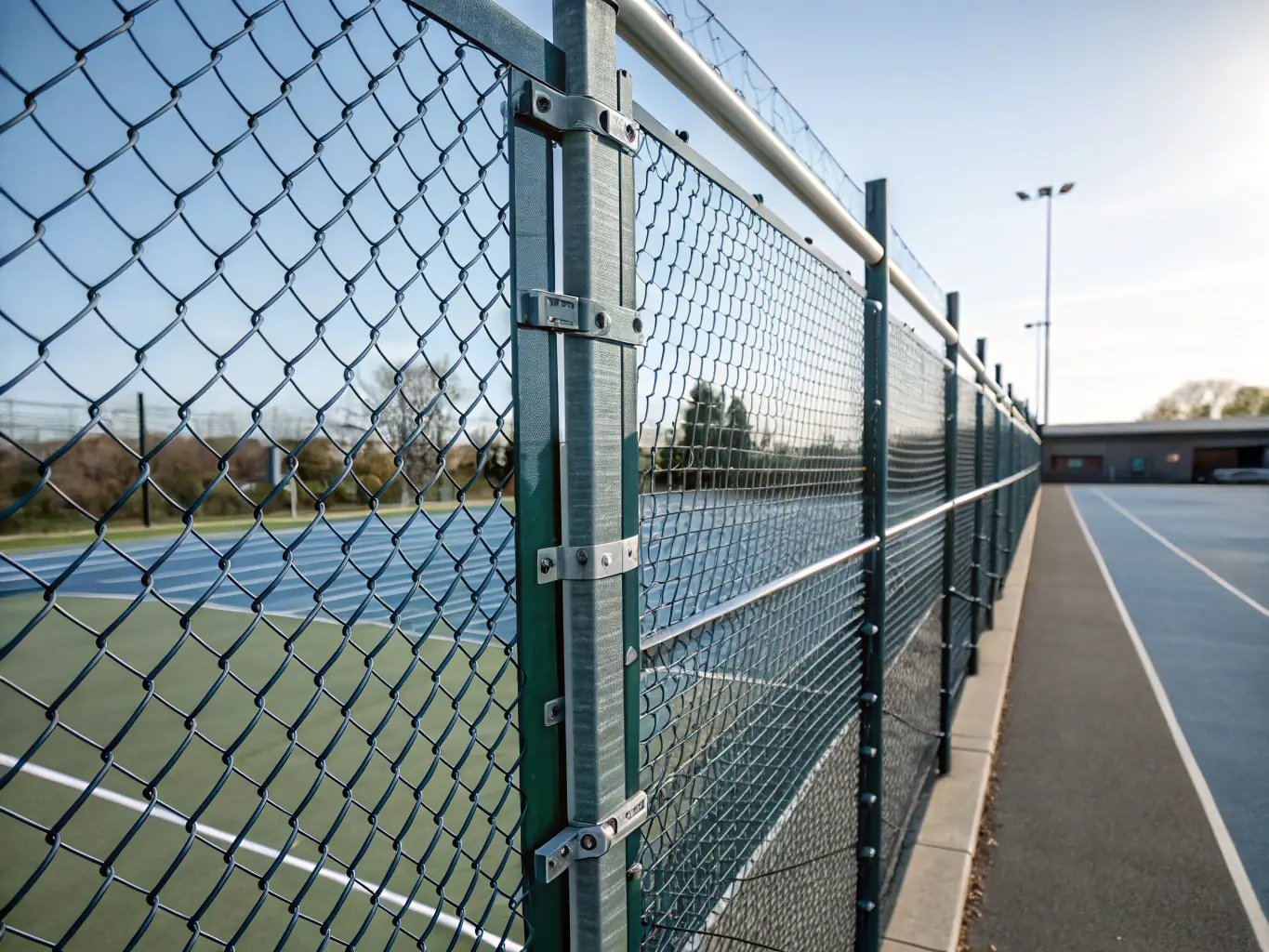
PVC Coated Chain Link Fence
Advantages:
- Enhanced corrosion protection
- Improved appearance
- Additional weather resistance
Applications:
- Schools
- Sports facilities
- Residential developments
Post and Framework Specifications
Fence performance depends on framework quality.
Typical components include:
| Component | Typical Diameter |
|---|---|
| Line Post | 48–60 mm |
| Terminal Post | 60–89 mm |
| Top Rail | 32–42 mm |
| Brace Rail | 32–42 mm |
Common Applications
Industrial Facilities
Recommended:
- 3.5–4.0 mm wire
- 50 mm mesh
- 2.4 m height
Sports Facilities
Recommended:
- PVC coated fence
- 3.0–4.0 mm wire
- 3–6 m height
Residential Projects
Recommended:
- 2.5–3.0 mm wire
- 50–75 mm mesh
Specification Example
Material: Galvanized Steel
Wire Diameter: 3.5 mm
Mesh Opening: 50 × 50 mm
Fence Height: 2400 mm
Line Post: 60 mm OD
Top Rail: 42 mm OD
Finish: Hot-Dip Galvanized
Conclusion
Selecting the correct chain link fence specification requires balancing security, durability, aesthetics, and budget. Wire diameter, mesh size, fence height, and coating type should all be evaluated together to achieve the desired performance.