Introduction
When selecting a perimeter fencing system for industrial, commercial, or public facilities, two options consistently appear at the top of the shortlist: chain link fence and welded wire fence.
Both solutions provide reliable boundary protection, visibility, and long service life. However, they differ significantly in appearance, security performance, installation cost, and project suitability.
Choosing the wrong system can result in unnecessary expenses, operational limitations, or inadequate security. Understanding the strengths and limitations of each option helps project planners make informed decisions based on actual site requirements rather than simply comparing initial costs.
This guide examines the key differences between chain link and welded wire fencing and explains where each solution performs best.
Understanding the Two Fence Types
What Is Chain Link Fence?
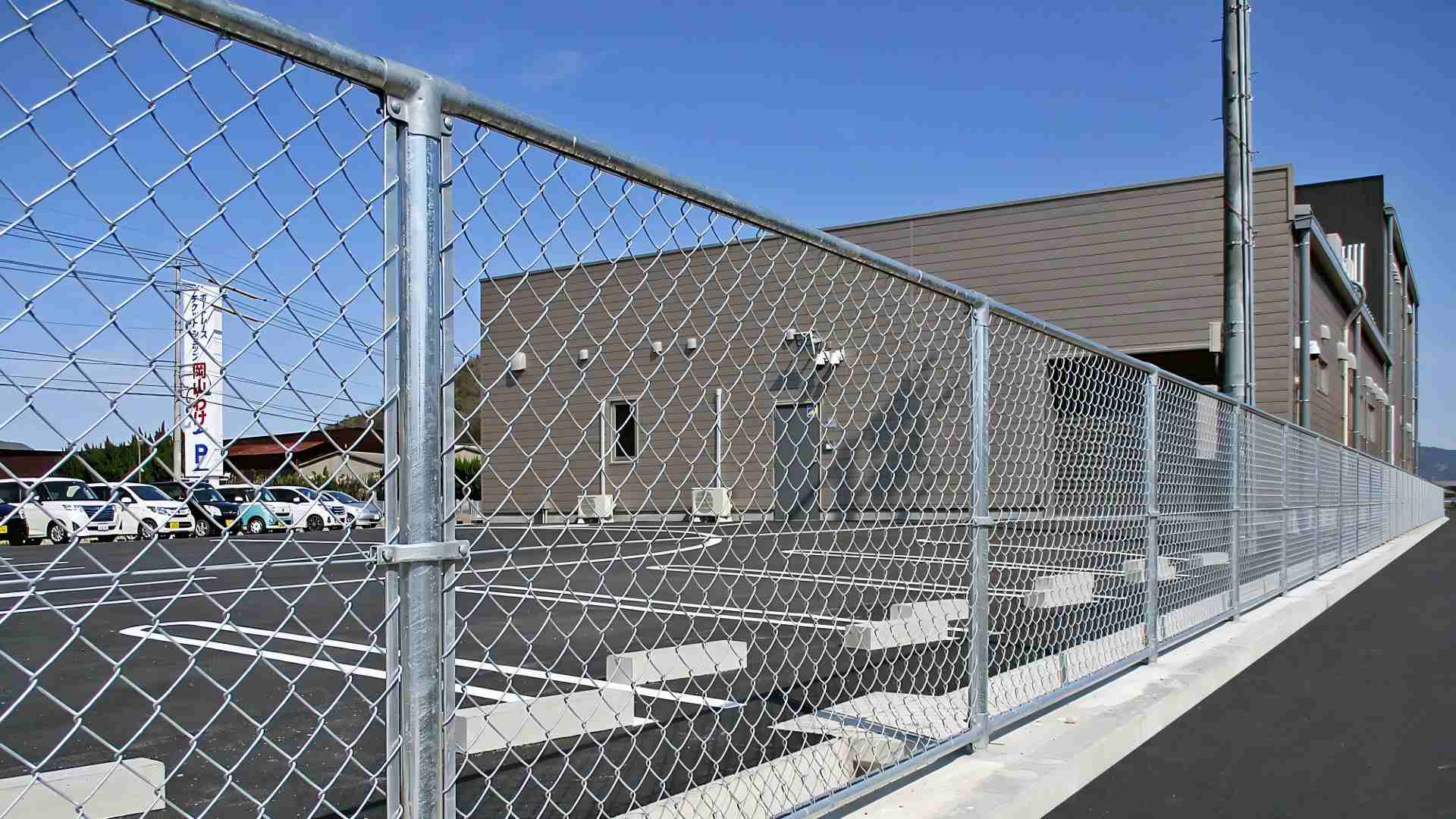
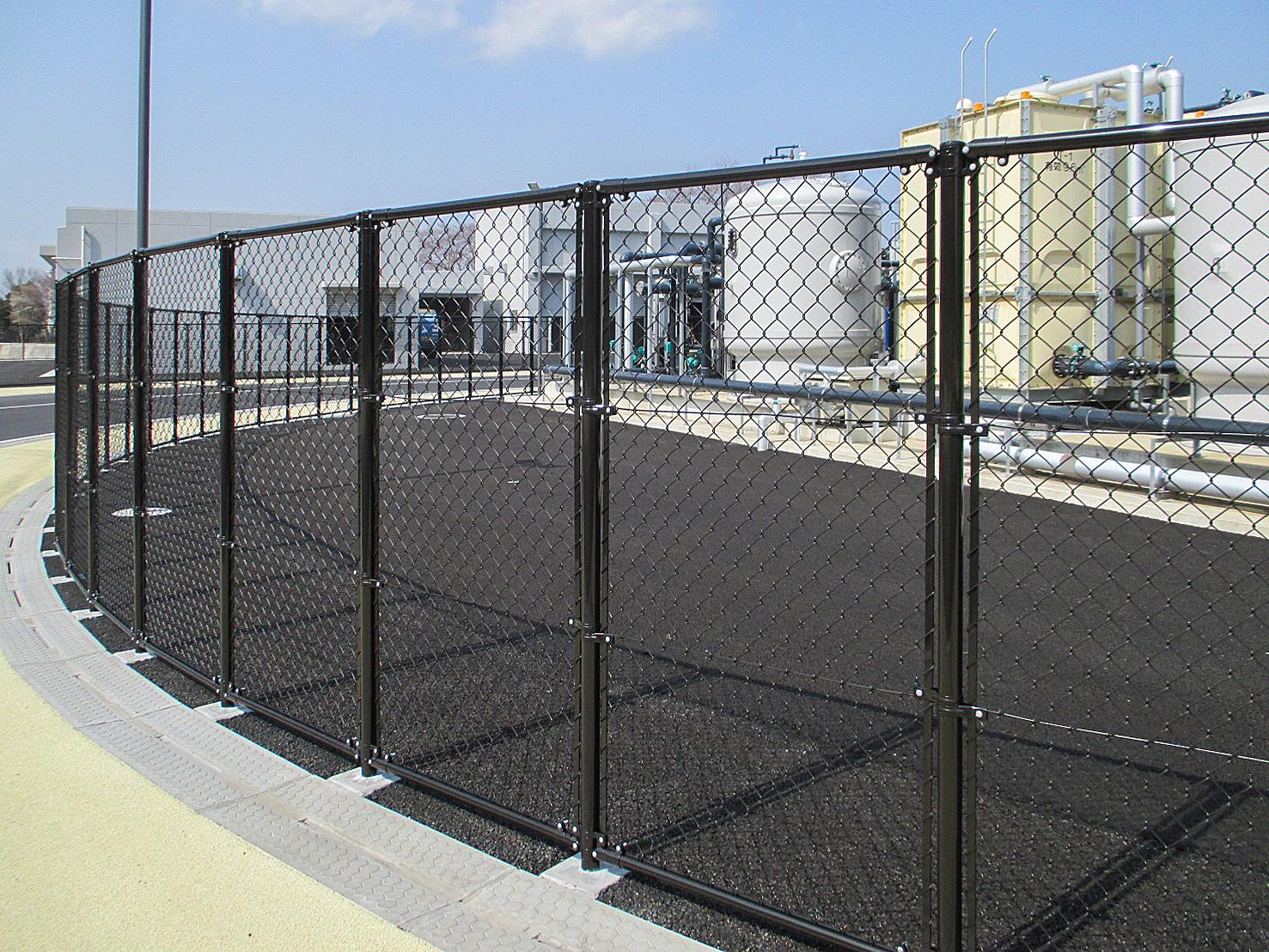
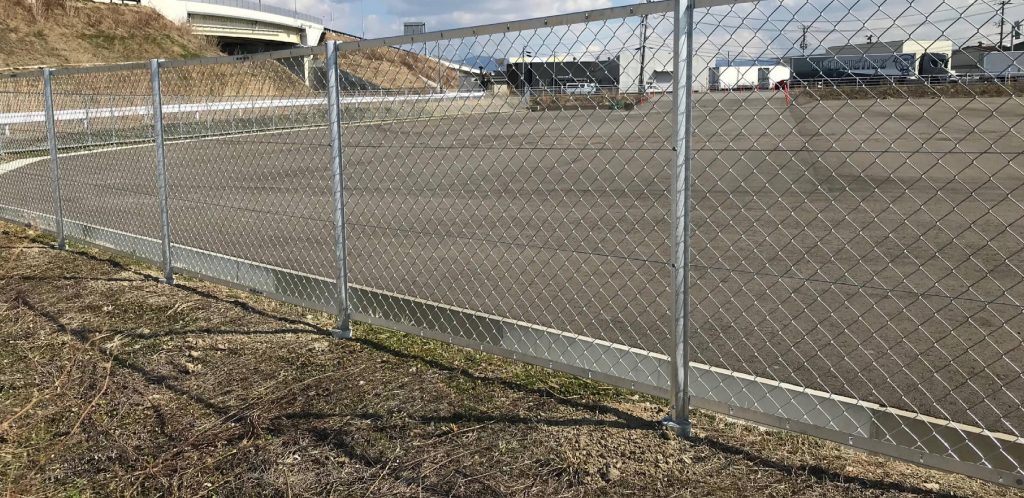
Chain link fence is manufactured by weaving galvanized steel wire into a diamond-shaped mesh pattern.
It is one of the most widely used fencing systems worldwide because of its affordability, flexibility, and ease of installation.
Common applications include:
- Warehouses
- Industrial facilities
- Logistics centers
- Sports fields
- Utility sites
- Storage yards
What Is Welded Wire Fence?
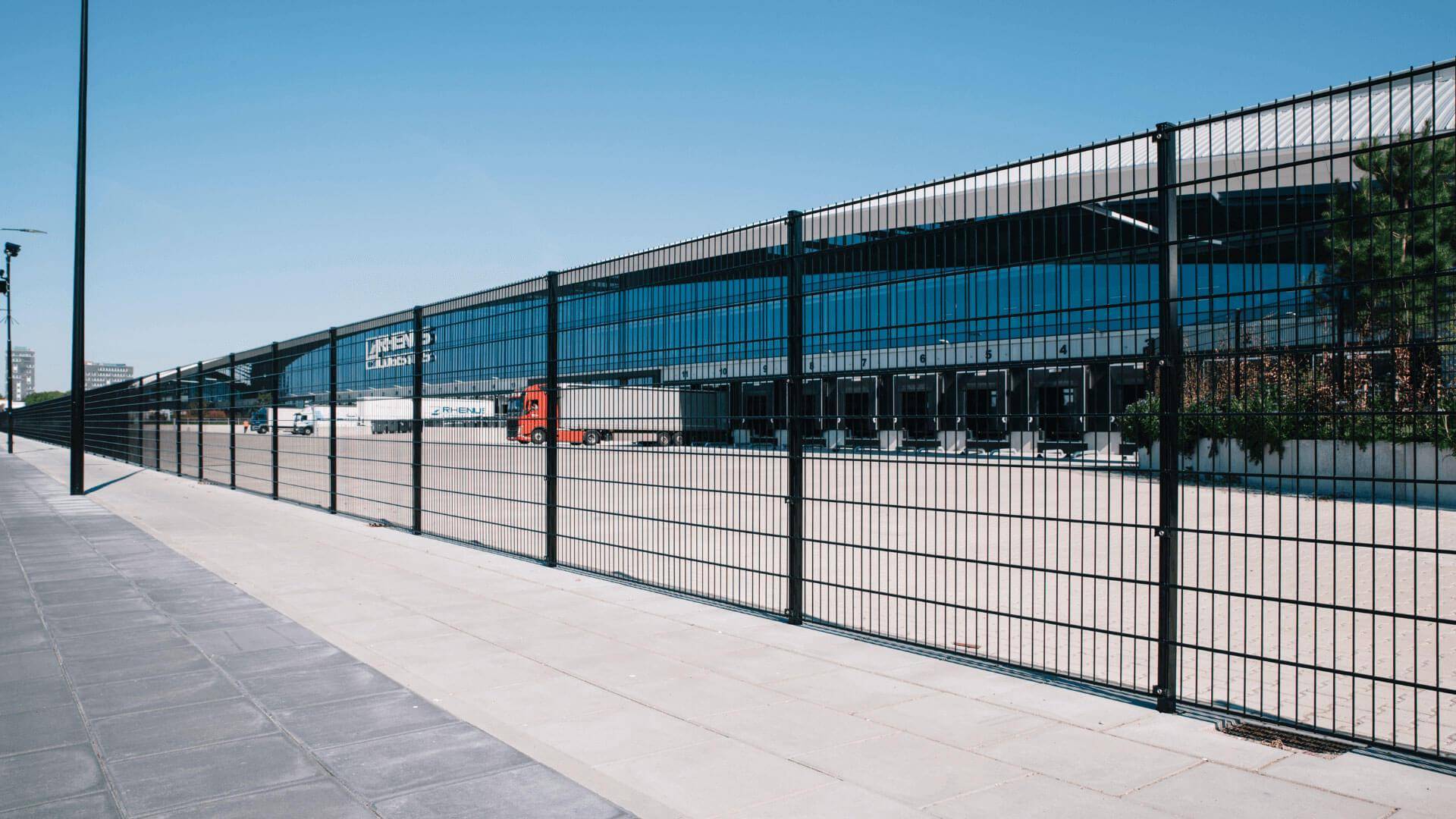
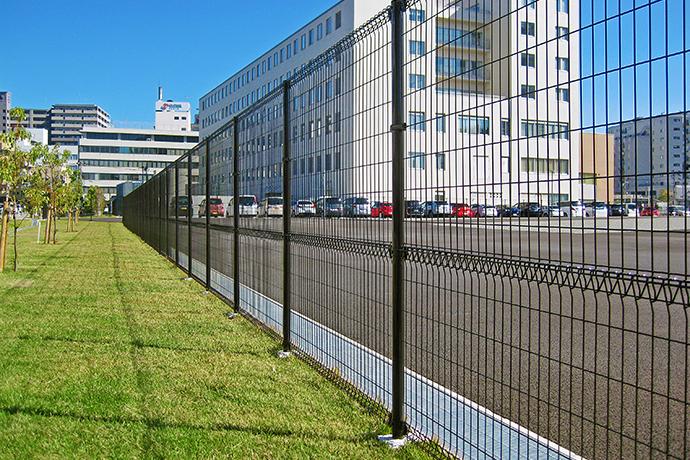
Welded wire fence consists of horizontal and vertical steel wires welded together to create rigid mesh panels.
The result is a stronger, more structured fencing system with improved appearance and security characteristics.
Typical applications include:
- Commercial properties
- Corporate campuses
- Schools
- Distribution centers
- Municipal facilities
- High-security compounds
Fence Type Comparison Table
| Feature | Chain Link Fence | Welded Wire Fence |
|---|---|---|
| Initial Cost | Lower | Higher |
| Appearance | Functional | Modern |
| Security Level | Standard | Enhanced |
| Anti-Climb Performance | Moderate | Good |
| Durability | Good | Excellent |
| Visibility | Excellent | Excellent |
| Maintenance | Low | Low |
| Installation Speed | Fast | Moderate |
| Repair Simplicity | Excellent | Good |
| Commercial Appeal | Moderate | Excellent |
Comparing Security Performance
Chain Link Fence Security
Advantages:
- Effective perimeter definition
- Strong visibility
- Easy integration with barbed wire
- Suitable for large sites
Limitations:
- Flexible structure
- Easier to climb
- Lower resistance to cutting
Welded Wire Fence Security
Advantages:
- Rigid construction
- Better anti-climb characteristics
- Higher resistance to deformation
- Professional security appearance
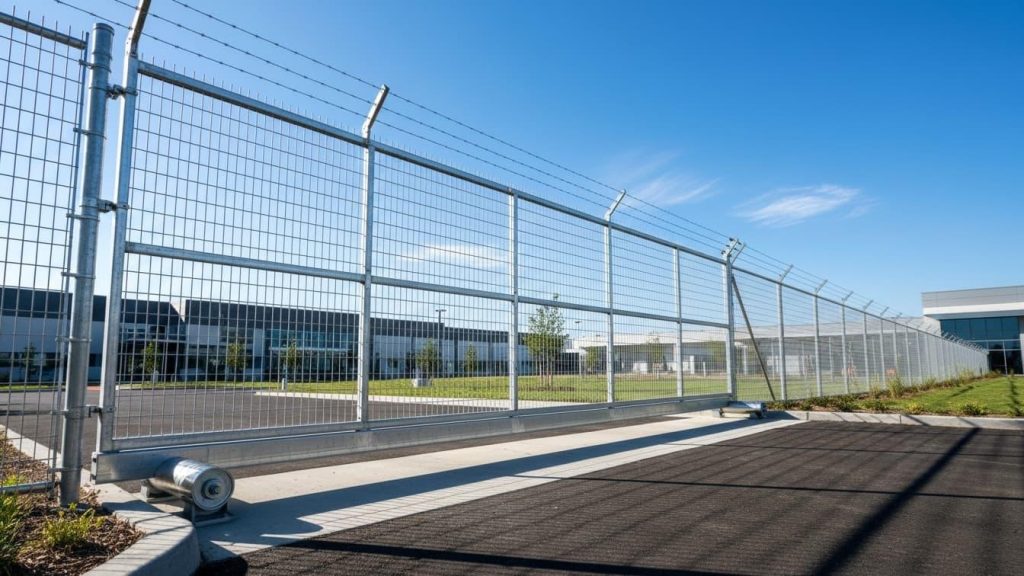
For facilities requiring elevated protection, welded wire systems generally outperform standard chain link fencing.
Comparing Appearance and Project Image
For many commercial developments, appearance is a critical consideration.
Chain link fencing is typically viewed as a functional industrial solution.
Welded wire fencing provides:
- Clean lines
- Modern aesthetics
- Consistent panel geometry
- Improved property presentation
This is one reason why schools, office parks, and business campuses increasingly specify welded wire fence systems.
Comparing Installation and Maintenance
Chain Link Fence
Advantages:
- Faster installation
- Lower labor costs
- Easier repairs
- Flexible adaptation to uneven terrain
Welded Wire Fence
Advantages:
- Long-term structural stability
- Lower risk of deformation
- Cleaner appearance over time
Although installation costs may be higher, welded wire fencing often delivers lower lifecycle costs in high-traffic environments.
Cost Comparison
| Cost Factor | Chain Link Fence | Welded Wire Fence |
|---|---|---|
| Material Cost | Lower | Higher |
| Installation Cost | Lower | Higher |
| Maintenance Cost | Low | Low |
| Lifecycle Value | Good | Excellent |
While chain link fence offers lower upfront investment, welded wire fencing may provide greater long-term value for facilities where appearance and security are priorities.
Recommended Applications
Choose Chain Link Fence If:
- Budget is the primary concern
- Large perimeter coverage is required
- Industrial appearance is acceptable
- Site expansion is expected
- Sports facility fencing is needed
Typical projects:
- Warehouses
- Freight terminals
- Storage yards
- Industrial compounds
Choose Welded Wire Fence If:
- Appearance matters
- Enhanced security is required
- Public visibility is important
- Corporate image is a priority
Typical projects:
- Commercial properties
- Distribution centers
- Schools
- Municipal facilities
- Corporate campuses
Facility Type Selection Guide
| Facility Type | Recommended Fence |
|---|---|
| Warehouse | Chain Link Fence |
| Distribution Center | Welded Wire Fence |
| Manufacturing Facility | Chain Link Fence |
| School Campus | Welded Wire Fence |
| Public Park | Chain Link Fence |
| Office Park | Welded Wire Fence |
| Municipal Facility | Welded Wire Fence |
| High-Security Site | 358 Welded Mesh Fence |
Common Specification Mistakes
Focusing Only on Initial Cost
The cheapest solution may not deliver the lowest lifecycle cost.
Ignoring Appearance Requirements
Commercial and public facilities often require fencing that complements the surrounding environment.
Selecting the Wrong Security Level
Facilities storing valuable assets should prioritize security performance over initial budget savings.
Final Recommendation
There is no universal winner between chain link fence and welded wire fence. The best choice depends on project priorities.
If affordability, flexibility, and large-area coverage are most important, chain link fencing remains one of the most practical perimeter solutions available.
If security, appearance, and long-term property value are priorities, welded wire fencing is often the preferred option.
Project planners should evaluate operational requirements, security objectives, environmental conditions, and lifecycle costs before making a final specification decision.