Introduction
When selecting perimeter fencing, chain link fence and welded wire fence are among the most common options available.
Both provide security and durability, but they differ significantly in appearance, rigidity, installation, and overall performance.
This guide compares the two fencing systems to help buyers choose the most suitable solution.
Manufacturing Method
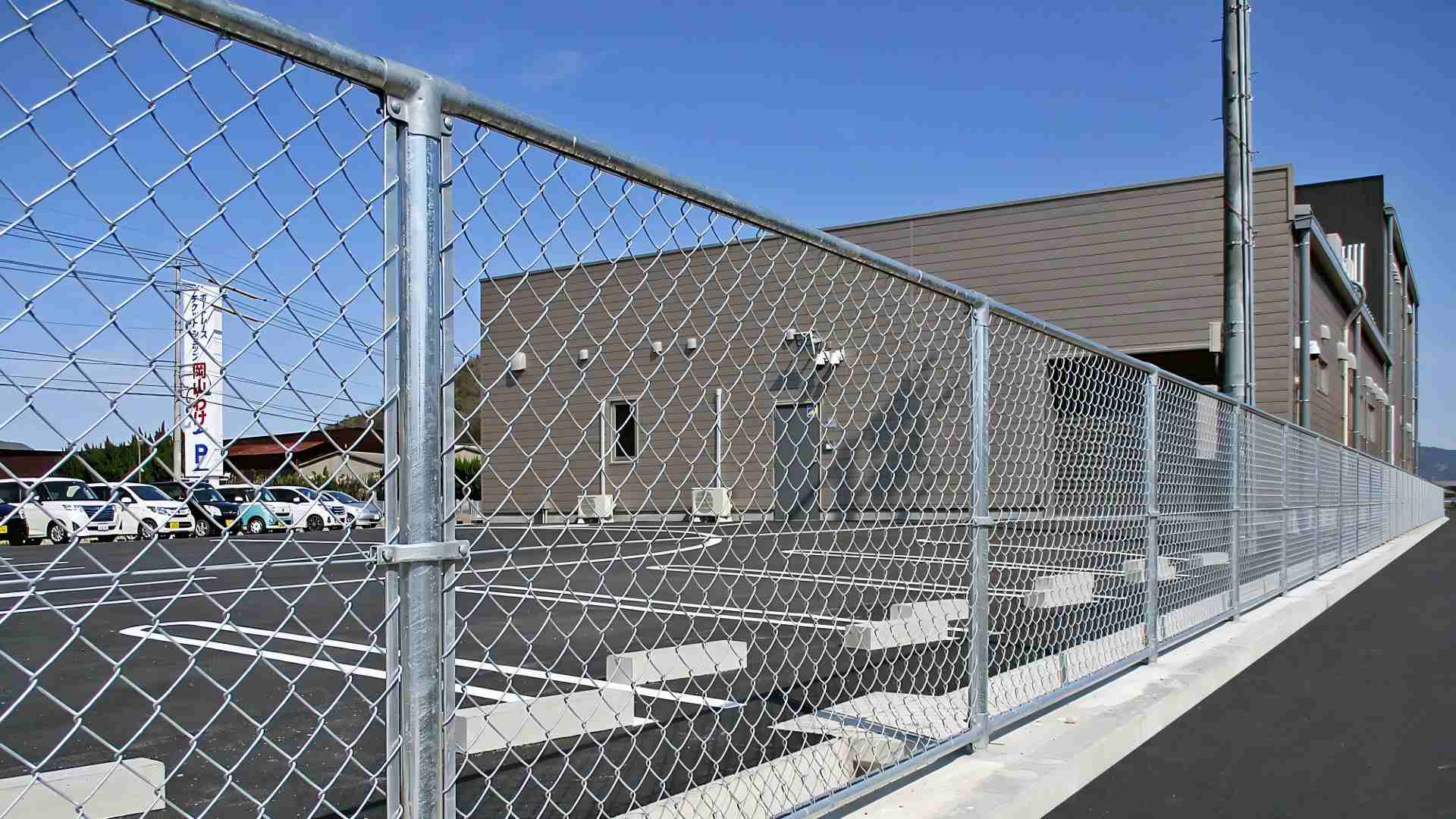
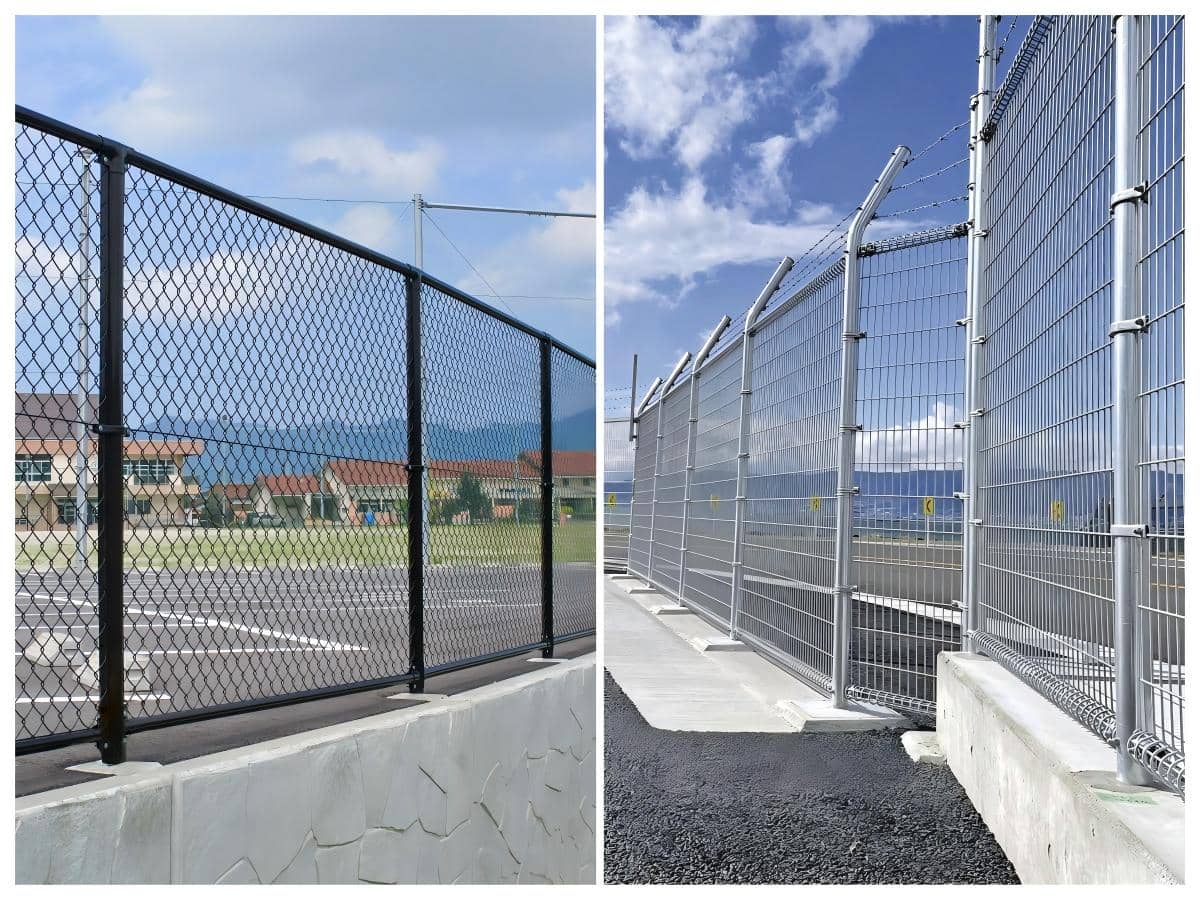
Chain Link Fence
Produced by twisting steel wire into a diamond-shaped mesh pattern.
Characteristics:
- Flexible
- Lightweight
- Economical
Welded Wire Fence
Produced by welding horizontal and vertical wires at every intersection.
Characteristics:
- Rigid
- Strong
- Modern appearance
Security Comparison
| Property | Chain Link Fence | Welded Wire Fence |
|---|---|---|
| Climb Resistance | Moderate | Better |
| Rigidity | Moderate | High |
| Cutting Resistance | Moderate | Better |
| Perimeter Security | Good | Excellent |
For high-security installations, welded wire fence is often preferred.
Appearance Comparison
Chain link fence provides a traditional industrial appearance.
Welded wire fence offers:
- Cleaner lines
- Modern appearance
- Better visual appeal
Cost Comparison
| Factor | Chain Link Fence | Welded Wire Fence |
|---|---|---|
| Material Cost | Lower | Higher |
| Installation Cost | Lower | Moderate |
| Lifecycle Cost | Low | Moderate |
For budget-sensitive projects, chain link fencing often provides better value.
Recommended Applications
Choose Chain Link Fence For
- Warehouses
- Factories
- Sports fields
- Agricultural fencing
Choose Welded Wire Fence For
- Commercial developments
- Security facilities
- Public infrastructure
- Schools and parks
Conclusion
Chain link fence remains the most economical perimeter solution, while welded wire fence provides superior security, rigidity, and appearance. The best choice depends on project requirements and budget.