Introduction
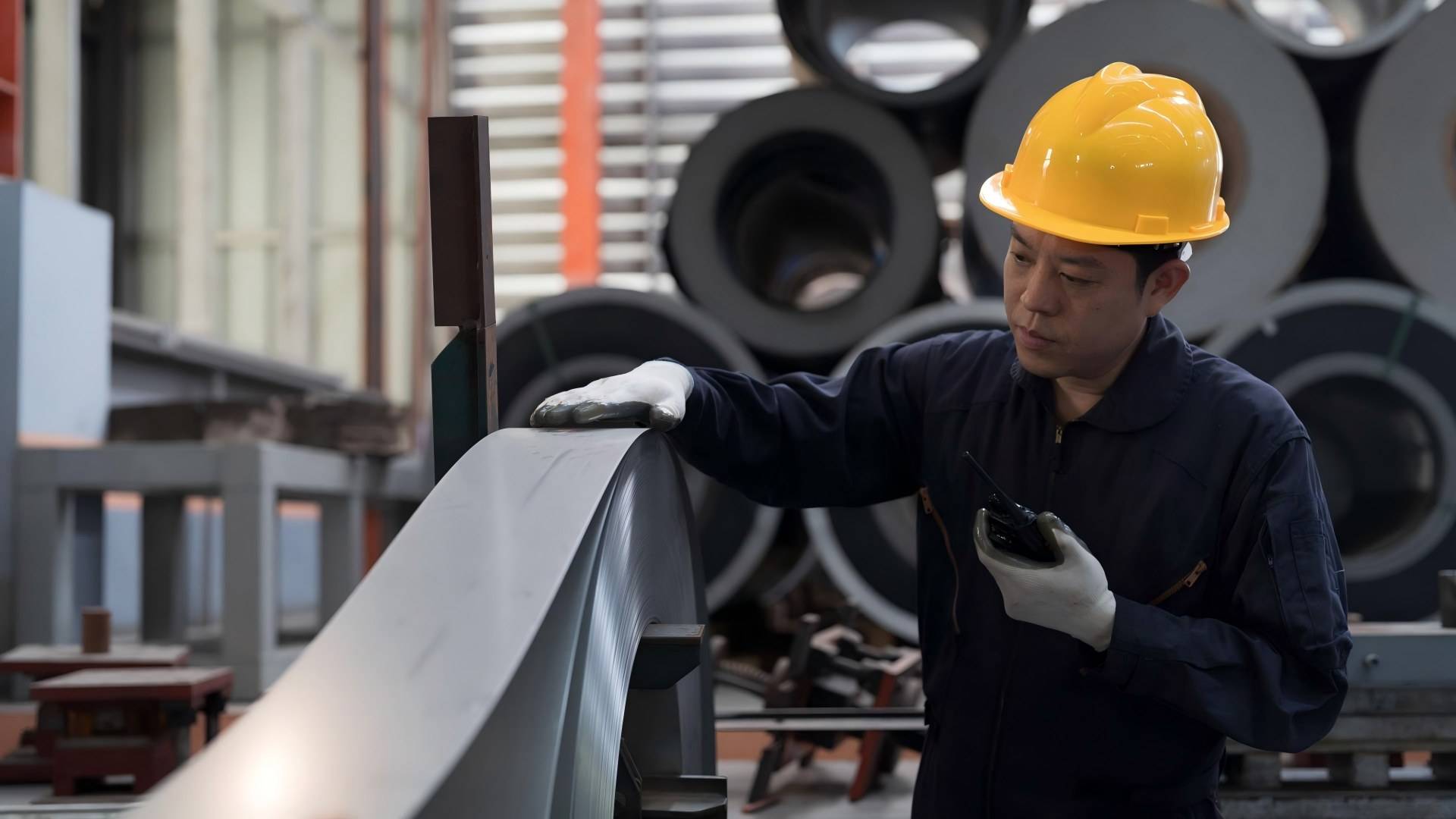
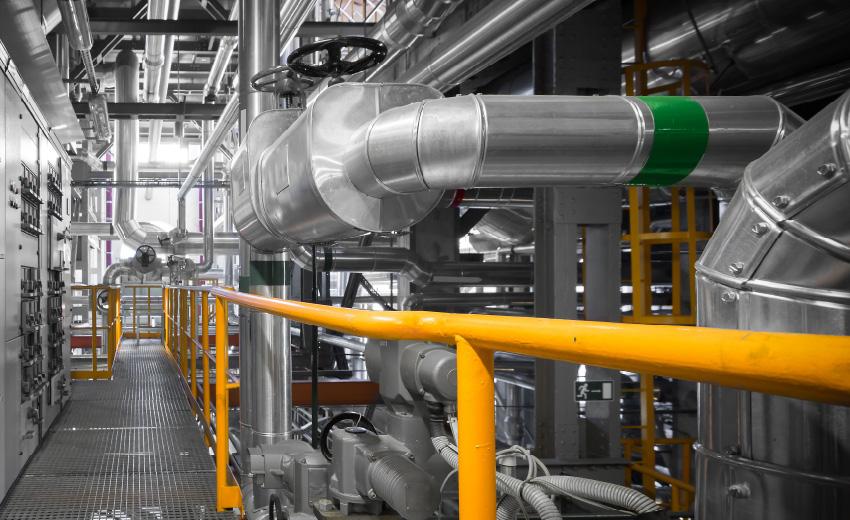
Industrial facilities are designed to operate continuously under demanding conditions. Manufacturing plants, distribution centers, processing facilities, utility infrastructure, and logistics hubs often experience constant personnel movement, equipment servicing, and material handling activities.
In these environments, flooring systems, access platforms, machine guards, partitions, and protective barriers must withstand years of daily use while maintaining safety and performance.
Choosing the right material is not simply a matter of initial cost. Long-term durability, corrosion resistance, maintenance requirements, and lifecycle value are often more important factors.
This article examines how engineers and facility managers select durable metal products for high-traffic industrial environments and compares the strengths of common solutions.
What Defines a High-Traffic Industrial Environment?
High-traffic industrial environments typically include:
- Manufacturing plants
- Warehouses
- Distribution centers
- Utility facilities
- Processing plants
- Transportation infrastructure
These facilities often experience:
- Continuous foot traffic
- Equipment movement
- Maintenance operations
- Exposure to moisture
- Chemical contact
- Temperature fluctuations
Materials must therefore provide reliable long-term performance.
Key Selection Criteria
Structural Strength
Products should withstand:
- Personnel loads
- Equipment loads
- Maintenance activities
- Impact forces
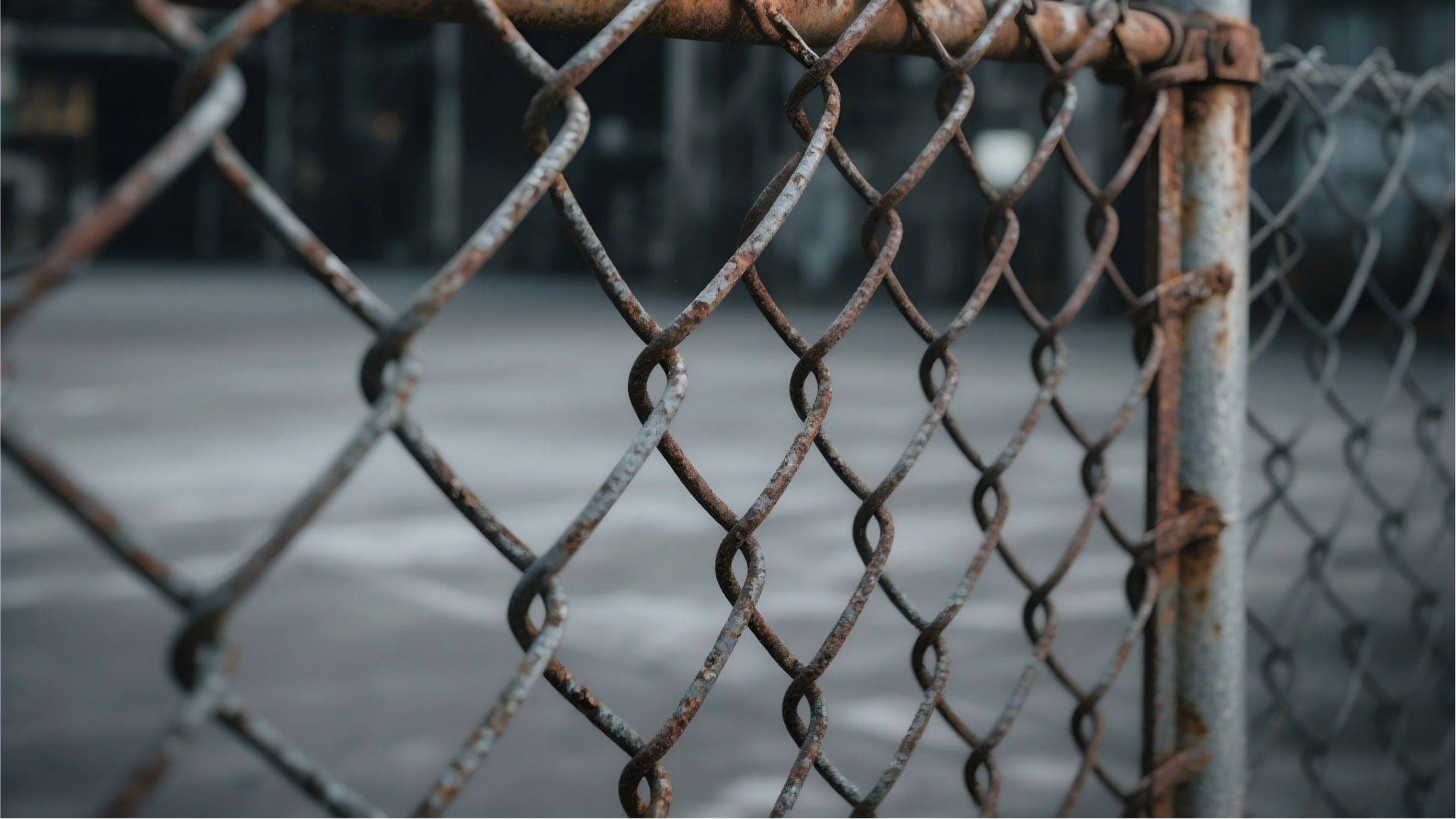
Corrosion Resistance
Environmental exposure is often the primary factor affecting service life.
Common risks include:
- Humidity
- Salt exposure
- Chemicals
- Industrial pollutants
Slip Resistance
Worker safety requires surfaces that remain secure under wet or contaminated conditions.
Maintenance Requirements
Facilities generally prefer materials that:
- Require minimal upkeep
- Resist damage
- Support long service intervals
Bar Grating for Heavy-Duty Applications
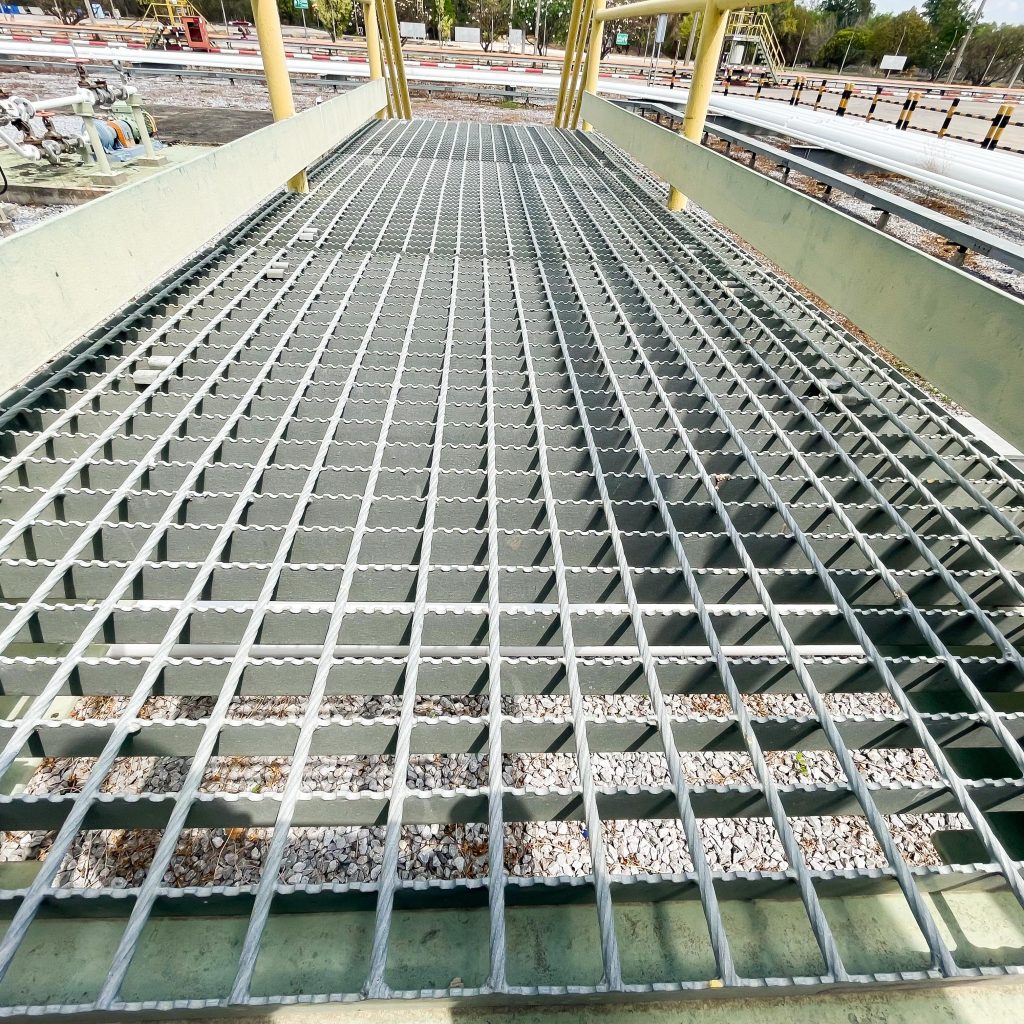
Bar grating is widely recognized as one of the most durable industrial flooring solutions.
Advantages
- High load capacity
- Excellent drainage
- Long service life
- Proven industrial performance
Common Applications
- Maintenance platforms
- Utility walkways
- Power plants
- Manufacturing facilities
Expanded Metal for Lightweight Durability
Expanded metal offers an effective balance of strength and weight.
Advantages
- Excellent traction
- Lower structural weight
- Cost efficiency
- Good drainage
Common Applications
- Catwalks
- Maintenance access routes
- Equipment platforms
Perforated Metal for Protection and Ventilation
Perforated metal is frequently selected where durability must be combined with airflow and visibility.
Applications
- Equipment enclosures
- Ventilation panels
- Machine guards
- Acoustic systems
Advantages
- Controlled airflow
- Equipment protection
- Architectural appearance
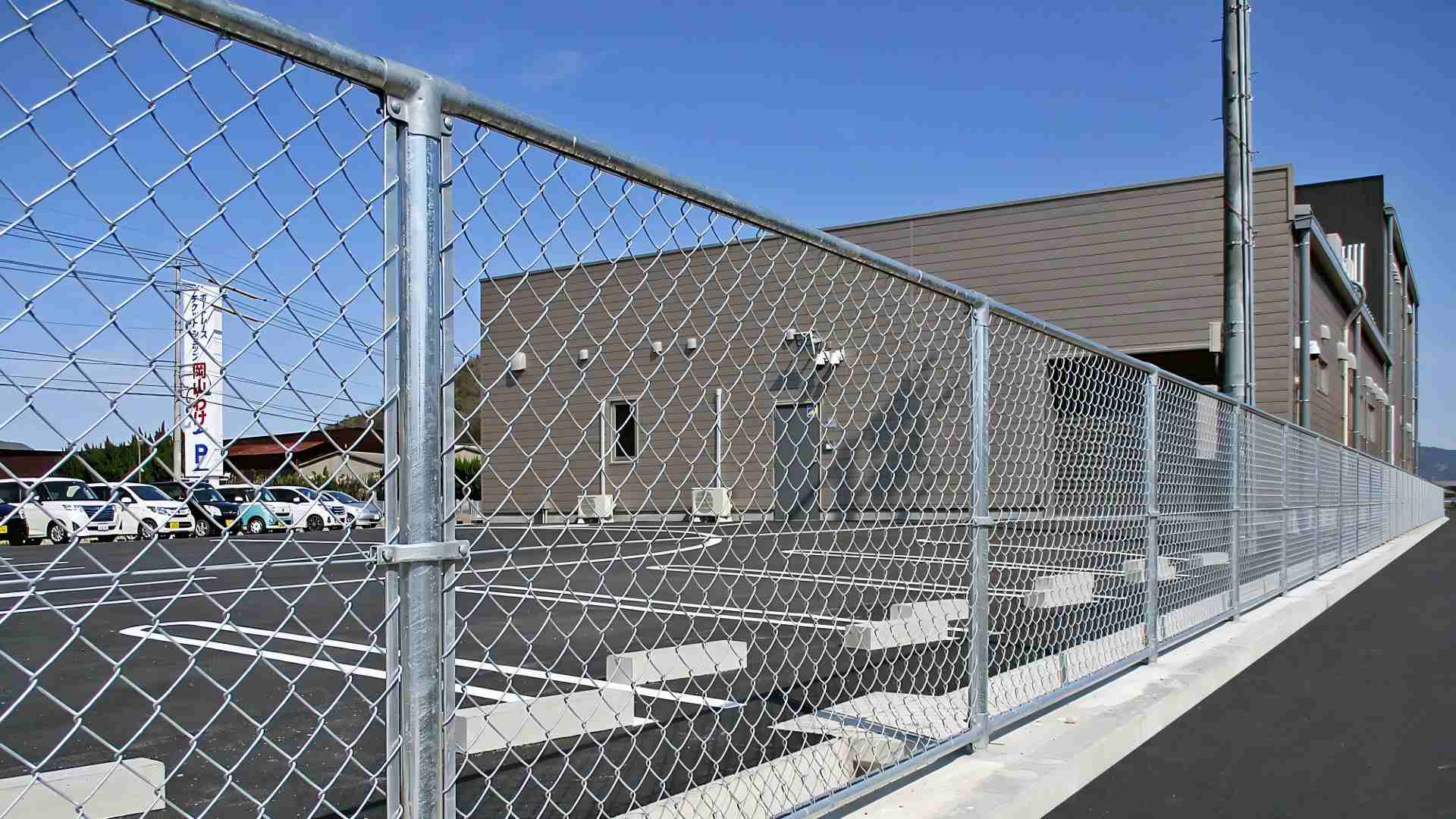
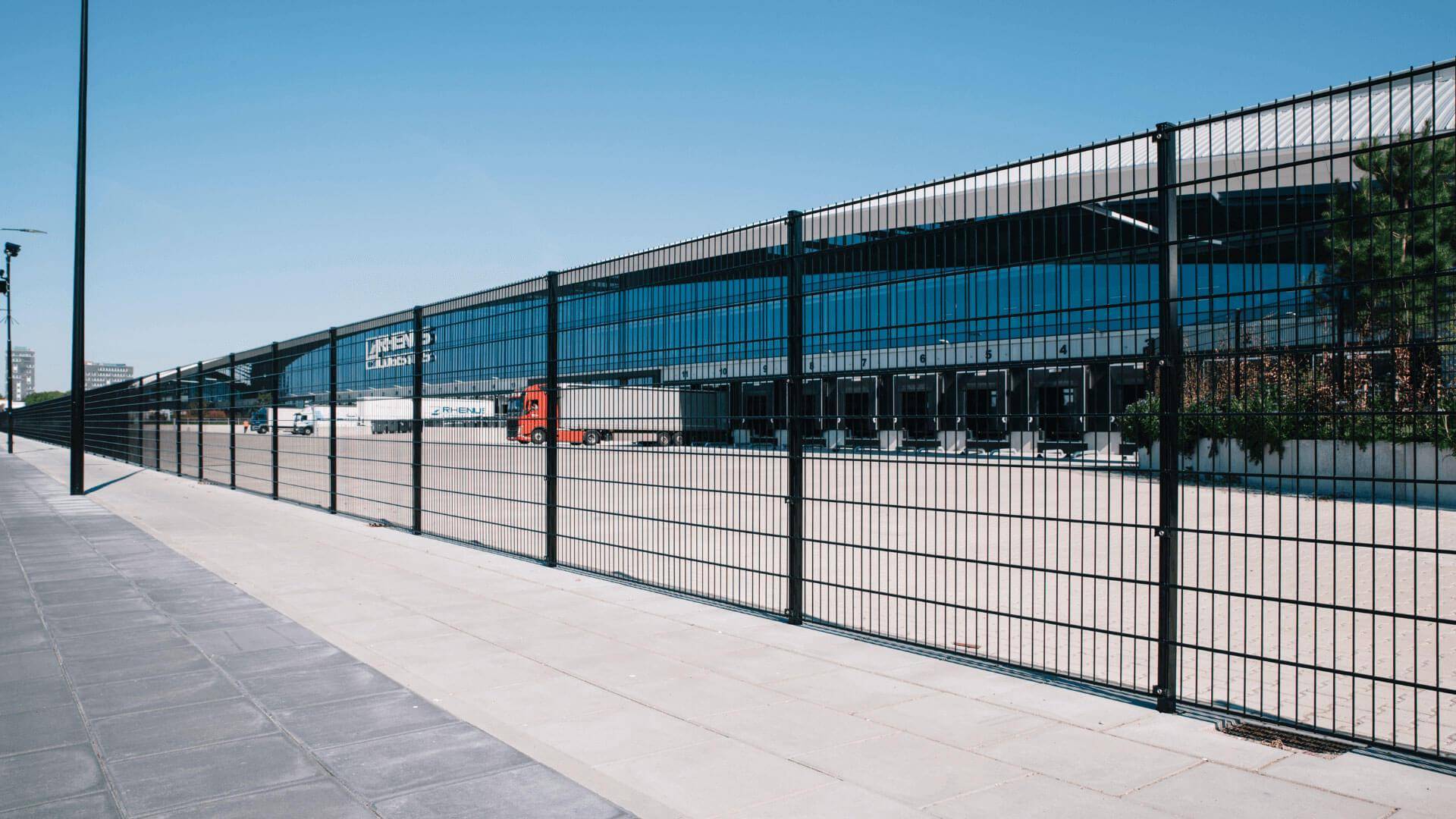
Welded Wire Mesh for Security and Safety
Welded wire mesh performs exceptionally well in:
- Machine guarding
- Safety partitions
- Storage cages
- Security barriers
Advantages
- Visibility
- Ventilation
- Structural rigidity
- Easy installation
Material Comparison Table
| Product | Durability | Corrosion Resistance | Maintenance | Typical Use |
|---|---|---|---|---|
| Bar Grating | Excellent | Excellent* | Low | Platforms |
| Expanded Metal | Good | Excellent* | Low | Walkways |
| Perforated Metal | Good | Excellent* | Low | Enclosures |
| Welded Wire Mesh | Good | Excellent* | Low | Guards & Partitions |
*Depending on finish and material selection.
Galvanized Steel vs Stainless Steel
Galvanized Steel
Advantages:
- Economical
- Durable
- Corrosion resistant
Best for:
- Warehouses
- Manufacturing facilities
- Utility infrastructure
Stainless Steel
Advantages:
- Superior corrosion resistance
- Long service life
- Hygienic surface
Best for:
- Food processing
- Chemical plants
- Coastal facilities
Recommended Specifications Table
| Environment | Recommended Product | Material |
|---|---|---|
| Manufacturing Plant | Bar Grating | Galvanized Steel |
| Warehouse | Expanded Metal | Galvanized Steel |
| Utility Facility | Bar Grating | Galvanized Steel |
| Food Processing Plant | Grating / Mesh | Stainless Steel |
| Chemical Facility | Perforated Metal | Stainless Steel |
| Distribution Center | Expanded Metal | Galvanized Steel |
Facility Type Selection Guide
| Facility Type | Recommended Solution |
|---|---|
| Manufacturing | Bar Grating |
| Warehouse | Expanded Metal |
| Utility Infrastructure | Bar Grating |
| Food Processing | Stainless Steel Products |
| Chemical Processing | Stainless Steel Systems |
| Logistics Centers | Expanded Metal + Mesh |
Common Specification Mistakes
Focusing Only on Purchase Price
Lower-cost materials may require more frequent replacement.
Ignoring Corrosion Exposure
Environmental conditions should be evaluated during design.
Underestimating Traffic Levels
Actual facility usage often exceeds initial assumptions.
Choosing Decorative Products for Industrial Service
Industrial performance requirements should always take priority.
Lifecycle Cost Considerations
When evaluating materials, decision-makers should consider:
- Installation costs
- Maintenance costs
- Replacement frequency
- Downtime risks
- Worker safety
In many cases, higher-quality materials reduce total ownership costs over time.
Conclusion
Selecting durable materials for high-traffic industrial environments requires balancing strength, corrosion resistance, safety, maintenance requirements, and lifecycle value. Products such as bar grating, expanded metal, perforated metal, and welded wire mesh each offer unique advantages depending on the application.
By selecting materials based on operating conditions rather than initial cost alone, facility owners can improve safety, extend service life, and reduce long-term operating expenses.