Introduction
Fencing plays a critical role in modern agricultural operations. Whether managing livestock, protecting crops, securing equipment, or defining property boundaries, the right fencing solution contributes to safety, productivity, and operational efficiency.
Unlike urban commercial properties, farms and ranches often cover large areas and operate under challenging environmental conditions. Fencing systems must withstand weather exposure, animal pressure, and long-term wear while remaining cost-effective and easy to maintain.
This article explores common fencing solutions used in agricultural environments and highlights key factors that should be considered when selecting a fence for farms and ranches.
Why Agricultural Fencing Matters
Agricultural fencing serves several important purposes:
- Livestock containment
- Property boundary definition
- Predator deterrence
- Equipment protection
- Crop protection
- Access control
An effective fencing system helps reduce operational risks while improving overall farm management.
Key Factors When Selecting Farm Fencing
Before choosing a fencing system, operators should evaluate:
Animal Type
Different livestock require different fencing designs.
Examples:
- Cattle
- Horses
- Sheep
- Goats
- Poultry
Fence height, strength, and opening size should match animal behavior and containment requirements.
Property Size
Large ranches may prioritize:
- Cost efficiency
- Ease of installation
- Long-term maintenance
Smaller facilities may focus on:
- Appearance
- Security
- Controlled access
Environmental Conditions
Consider:
- Corrosion exposure
- Soil conditions
- Snow loads
- Wind loads
- Moisture levels
Material selection should reflect local climate conditions.
Welded Wire Fencing for Agricultural Applications
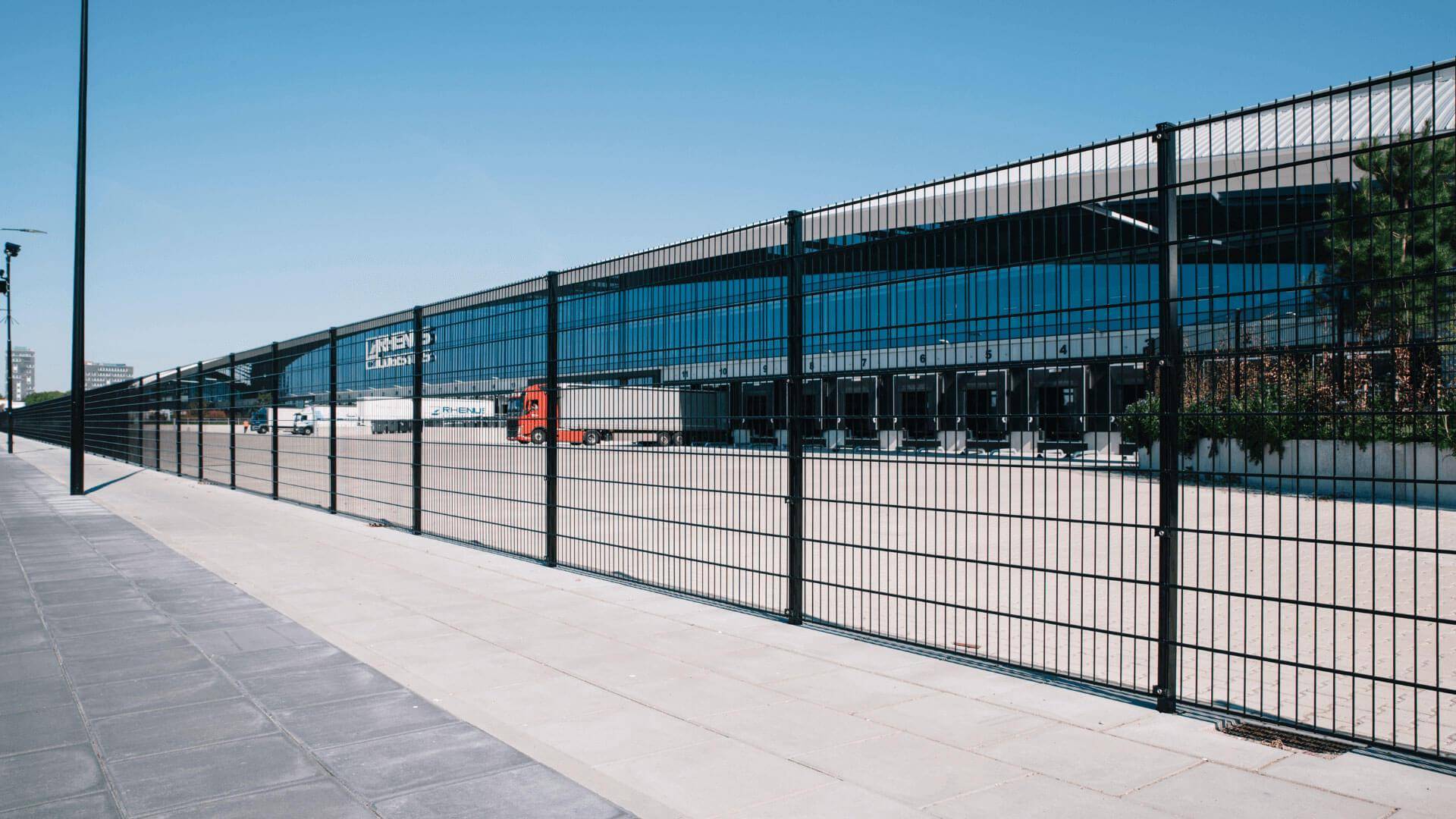
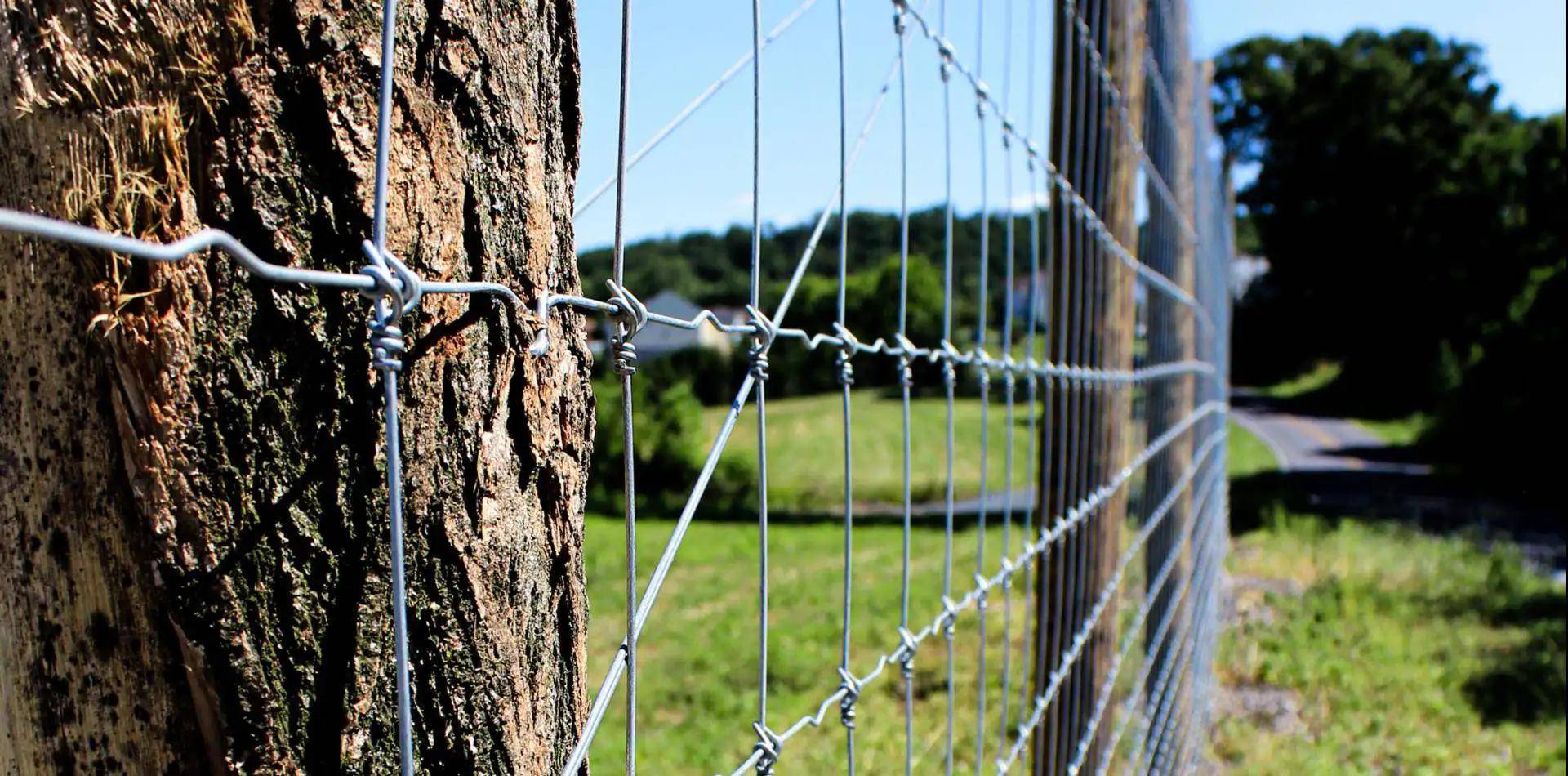
Welded wire fencing is one of the most versatile agricultural fencing solutions.
Advantages
- Strong welded construction
- Uniform openings
- Good visibility
- Long service life
Typical Applications
- Livestock enclosures
- Poultry facilities
- Farm perimeter fencing
- Animal containment systems
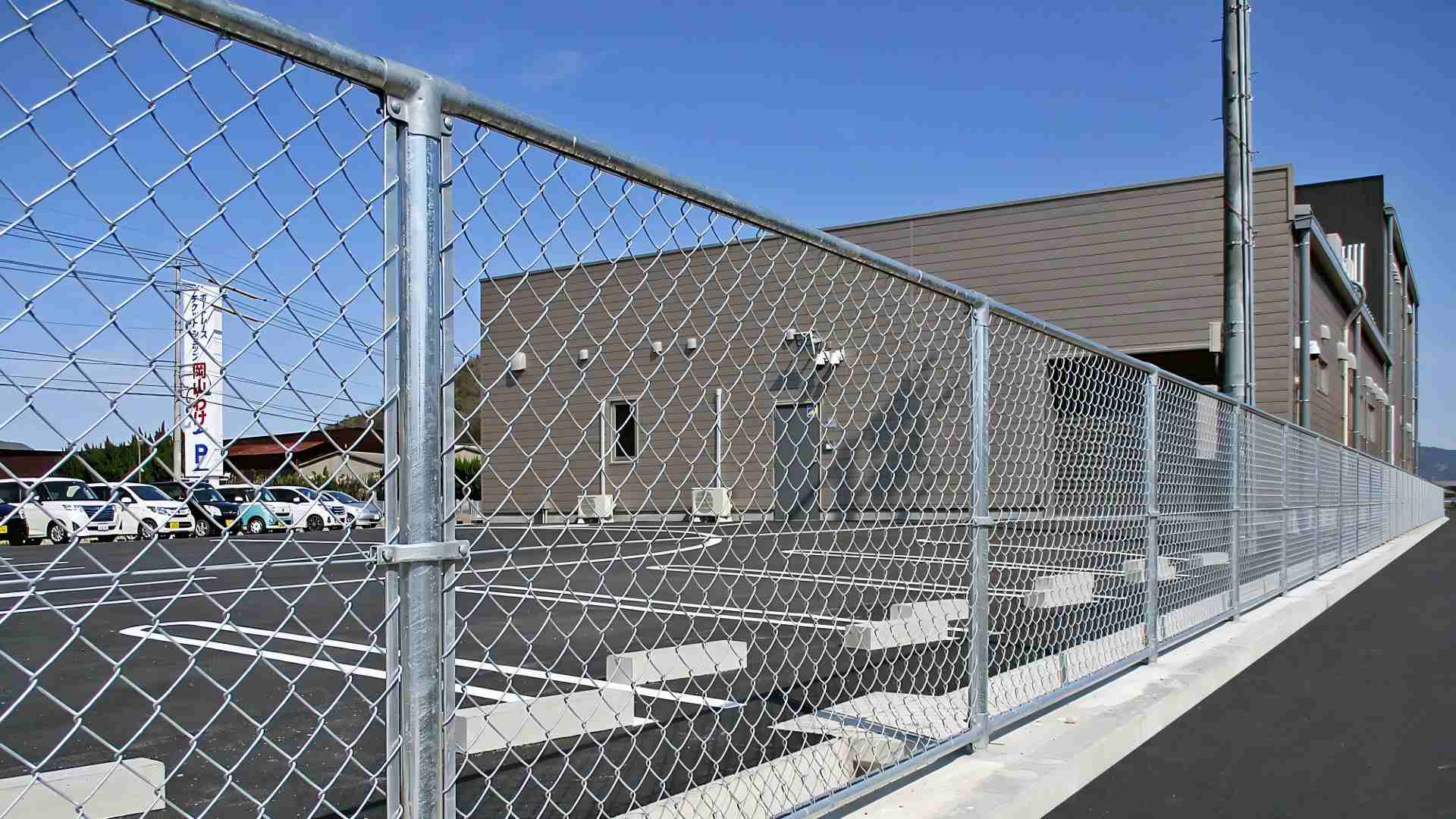
Chain Link Fencing for Farm Security
Chain link fencing is widely used around:
- Equipment yards
- Storage facilities
- Agricultural processing sites
- Utility areas
Benefits include:
- Cost-effectiveness
- Fast installation
- Security enhancement
Livestock Management Applications
Different livestock require different fencing strategies.
Cattle
Recommended:
- Heavy-duty welded wire fencing
- Reinforced perimeter systems
Horses
Recommended:
- Smooth fencing systems
- High visibility fence designs
Sheep and Goats
Recommended:
- Smaller mesh openings
- Secure bottom sections
Poultry
Recommended:
- Fine welded wire mesh
- Predator-resistant enclosures
Livestock Fence Selection Guide
| Animal Type | Recommended Fence |
|---|---|
| Cattle | Heavy Welded Wire Fence |
| Horses | Welded Wire Fence |
| Sheep | Small Opening Mesh Fence |
| Goats | Reinforced Welded Mesh |
| Poultry | Fine Welded Wire Mesh |
Farm Security Applications
Agricultural operations increasingly require perimeter protection for:
- Machinery
- Fuel storage
- Warehouses
- Processing equipment
Chain link fence systems are commonly used to provide secure access control while maintaining visibility.
Fence Type Comparison Table
| Fence Type | Strength | Visibility | Security |
|---|---|---|---|
| Welded Wire Fence | Excellent | Excellent | Good |
| Chain Link Fence | Good | Excellent | Excellent |
| Woven Field Fence | Good | Good | Moderate |
Recommended Specifications Table
| Application | Recommended Product |
|---|---|
| Livestock Enclosure | Welded Wire Fence |
| Poultry Housing | Welded Wire Mesh |
| Equipment Storage Area | Chain Link Fence |
| Farm Boundary | Welded Wire Fence |
| Agricultural Facility Security | Chain Link Fence |
Common Selection Mistakes
Choosing Fence Based Only on Initial Cost
Lower-cost fencing often results in higher maintenance expenses.
Ignoring Animal Behavior
Different species place different demands on fencing systems.
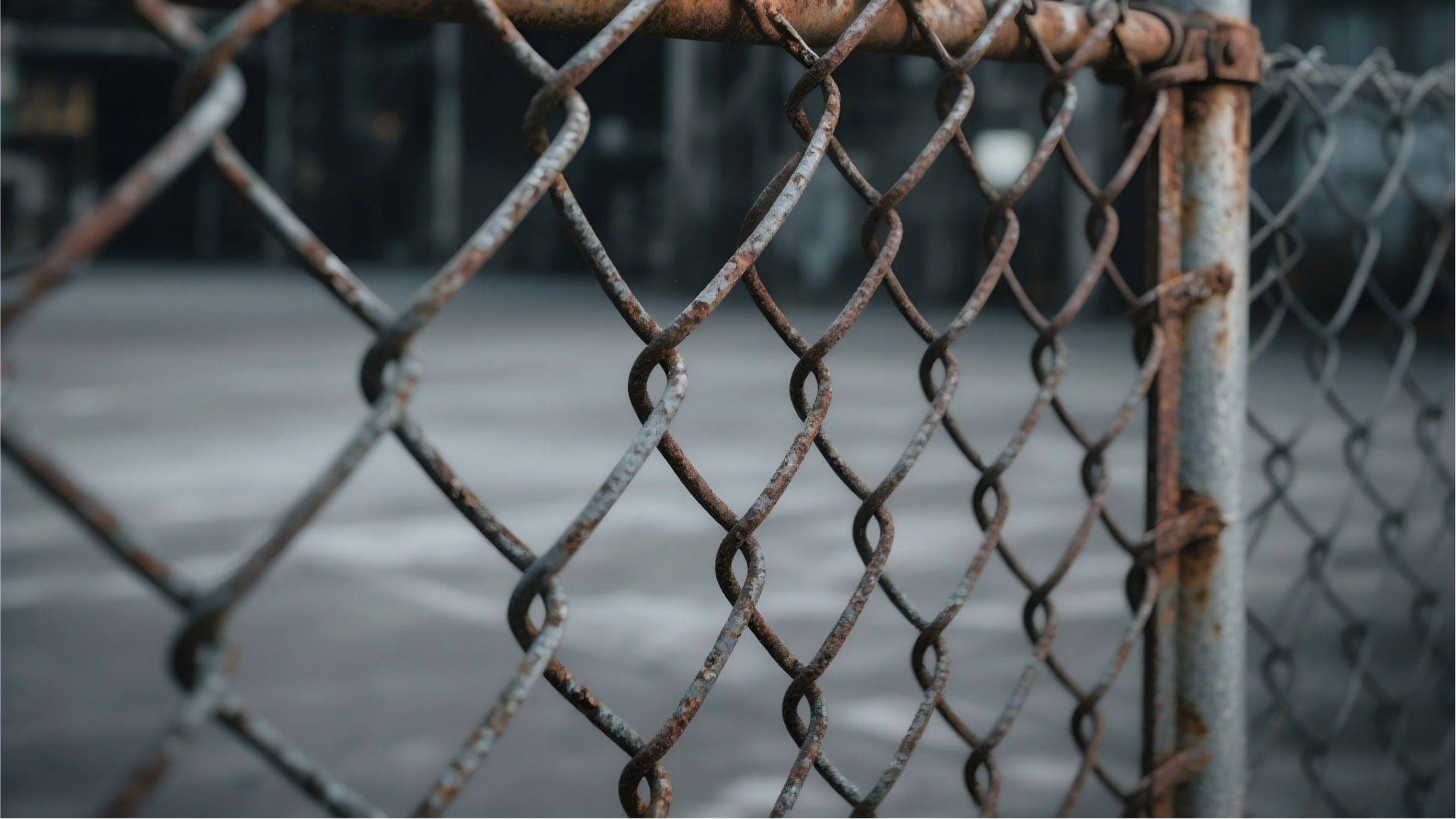
Underestimating Corrosion Exposure
Galvanized or coated products may provide longer service life in harsh environments.
Overlooking Future Expansion
Fence systems should support long-term operational growth.
Long-Term Performance Considerations
Agricultural fencing should provide:
- Durability
- Corrosion resistance
- Ease of repair
- Adaptability
Investing in quality fencing materials can reduce maintenance and replacement costs over time.
Conclusion
Selecting the right fencing solution for farms and ranches requires balancing animal management needs, security requirements, environmental conditions, and long-term operating costs.
Whether the goal is livestock containment, equipment protection, or perimeter security, welded wire fencing and chain link fencing remain among the most reliable and cost-effective solutions available for modern agricultural operations.