Introduction
The performance and service life of a fence depend not only on the wire or framework but also on the protective coating applied to its surface.
Fence coatings play a critical role in:
- Corrosion protection
- Weather resistance
- Appearance
- Maintenance requirements
- Service life
Selecting the right coating helps reduce maintenance costs and improve long-term performance.
This guide explains the most common fence coatings used in industrial, commercial, agricultural, and residential fencing systems.
Why Fence Coatings Matter
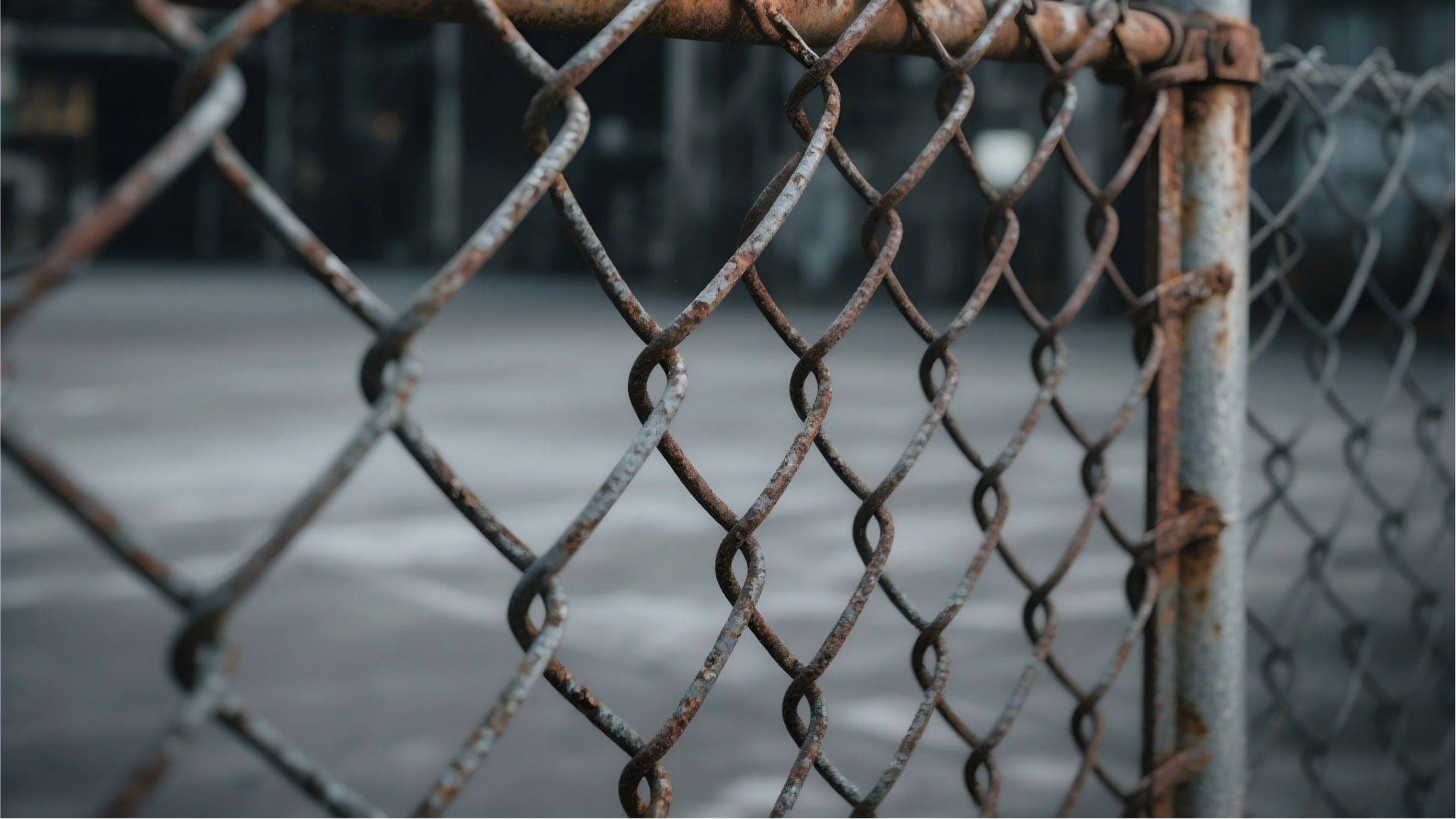
Steel is strong and economical, but unprotected steel is vulnerable to corrosion. Protective coatings create a barrier between the steel and the environment.
Benefits include:
- Reduced rust formation
- Longer service life
- Lower maintenance costs
- Improved appearance
- Better weather resistance
Hot-Dip Galvanized Coating
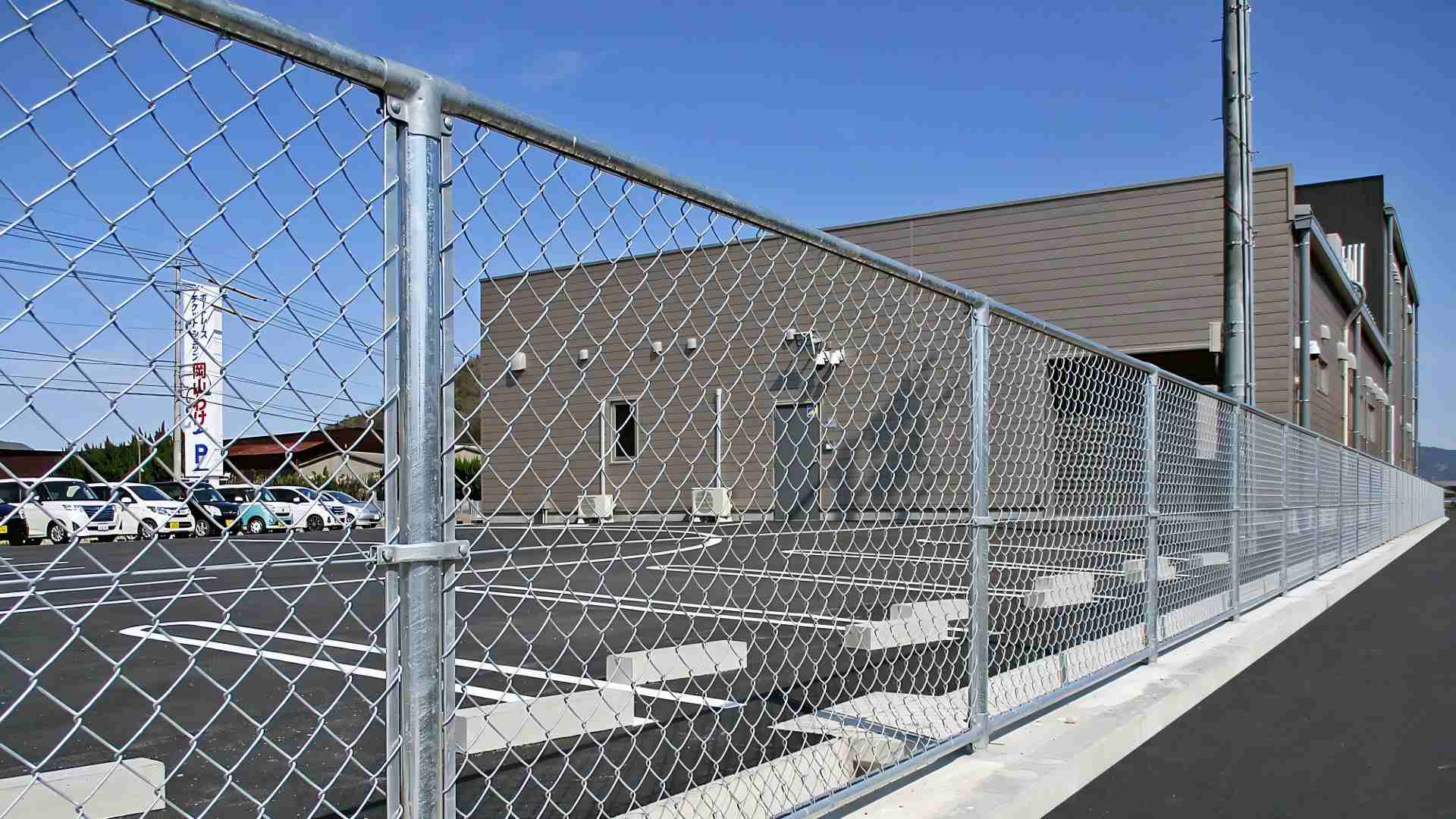
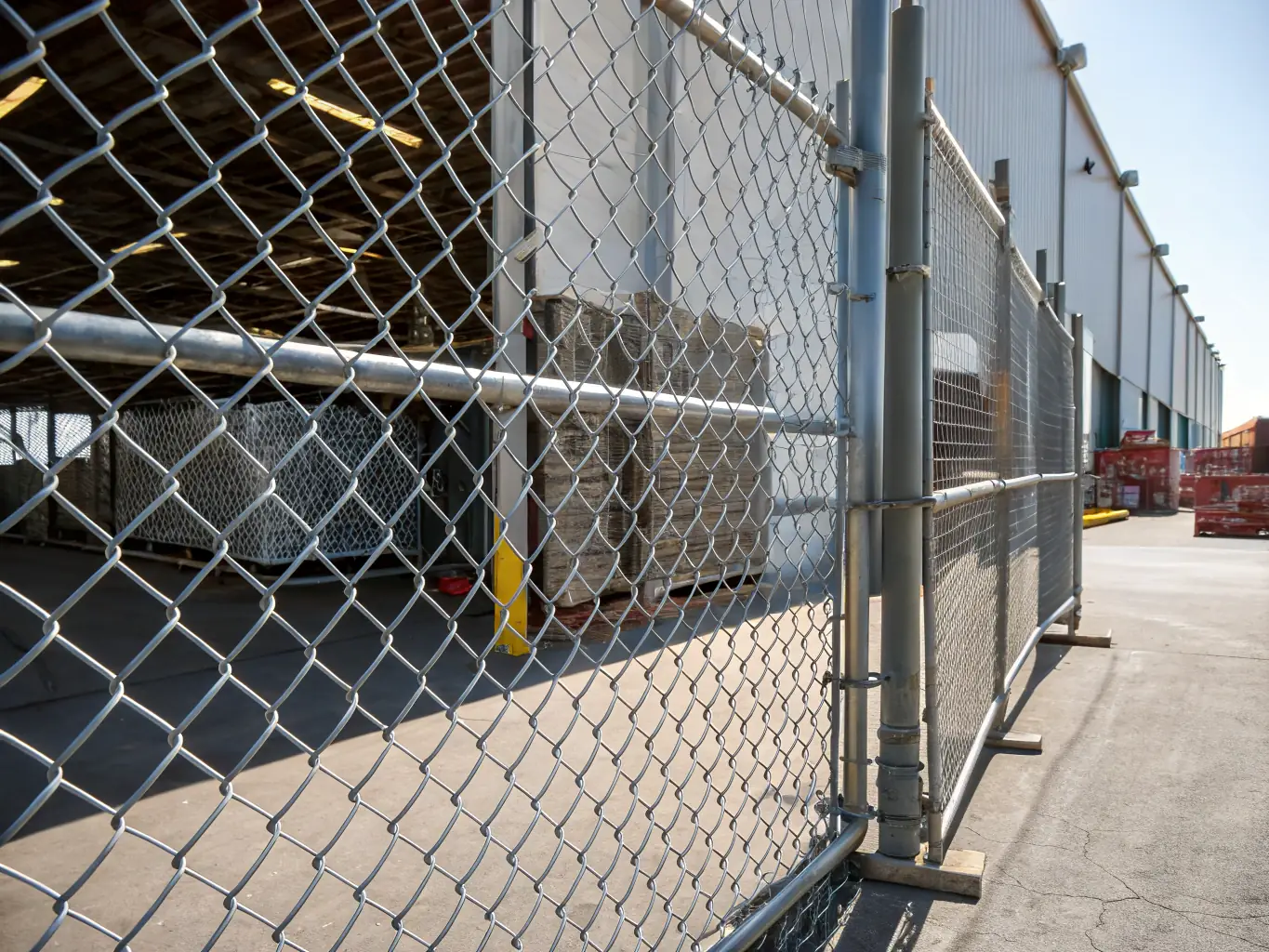
Hot-dip galvanizing (HDG) is one of the most widely used fence protection methods.
The steel is immersed in molten zinc, forming a metallurgical bond between the zinc and the steel substrate.
Advantages
- Excellent corrosion resistance
- Long service life
- Suitable for outdoor exposure
- Cost-effective protection
Typical Applications
- Chain Link Fence
- Welded Wire Fence
- Agricultural Fence
- Highway Fence
- Industrial Security Fence
Characteristics
| Property | Performance |
|---|---|
| Corrosion Resistance | Excellent |
| Outdoor Durability | Excellent |
| Maintenance | Low |
| Appearance | Industrial Silver |
| Cost | Moderate |
Electro Galvanized Coating
Electro galvanizing applies zinc through an electroplating process.
The coating is thinner than hot-dip galvanizing.
Advantages
- Smooth appearance
- Uniform finish
- Lower initial cost
Limitations
- Reduced corrosion resistance
- Shorter outdoor service life
Typical Applications
- Indoor fencing
- Temporary fencing
- Decorative applications
PVC Coated Fence
PVC coating is commonly applied over galvanized steel wire.
This creates a dual-protection system.
Structure
PVC Layer
↓
Zinc Coating
↓
Steel Core
Advantages
- Excellent weather resistance
- Attractive appearance
- Additional corrosion protection
- Available in multiple colors
Common Colors
| Color | Application |
|---|---|
| Green | Sports Facilities |
| Black | Commercial Properties |
| Gray | Industrial Projects |
| Brown | Residential Areas |
Typical Applications
- Sports Courts
- Schools
- Parks
- Residential Developments
- Commercial Projects
Powder Coated Fence
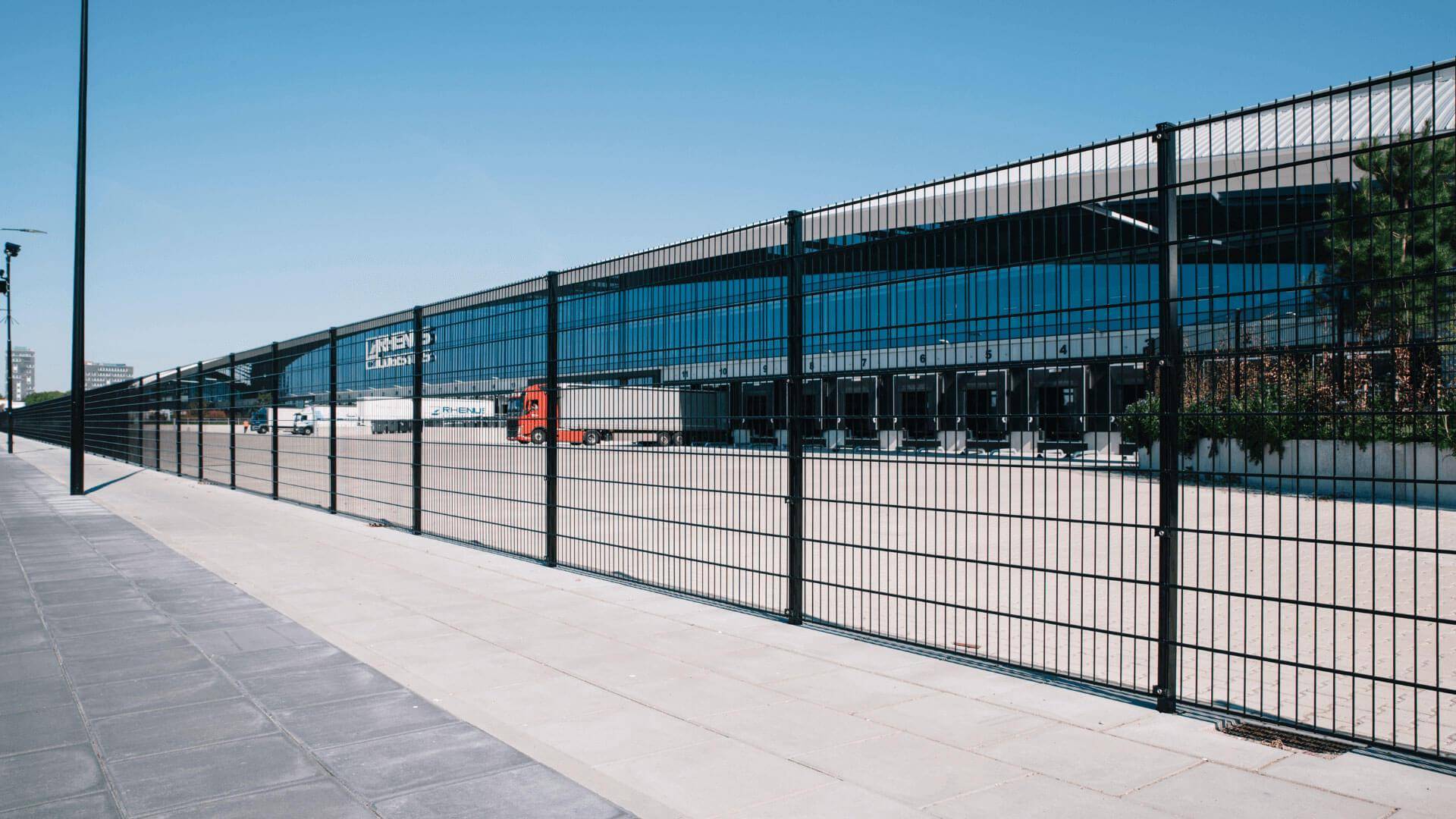
Powder coating involves applying dry powder to the metal surface and curing it under heat.
Advantages
- Smooth decorative finish
- Wide color range
- UV resistance
- Improved appearance
Typical Applications
- Welded Wire Fence
- Security Fence Systems
- Commercial Developments
- Architectural Projects
Fence Coating Comparison Table
| Property | HDG | Electro Galvanized | PVC Coated | Powder Coated |
|---|---|---|---|---|
| Corrosion Resistance | Excellent | Moderate | Excellent | Good |
| Appearance | Industrial | Smooth | Attractive | Attractive |
| Color Options | No | No | Yes | Yes |
| Outdoor Use | Excellent | Limited | Excellent | Good |
| Maintenance | Low | Moderate | Low | Moderate |
| Cost | Moderate | Low | Higher | Higher |
Which Fence Coating Should You Choose?
Choose Hot-Dip Galvanized When
✓ Industrial environments
✓ Infrastructure projects
✓ Agricultural fencing
✓ Maximum durability is required
Choose PVC Coated When
✓ Appearance is important
✓ Public-facing projects
✓ Sports facilities
✓ Residential developments
Choose Powder Coated When
✓ Architectural appearance is required
✓ Commercial developments
✓ Decorative fencing projects
Choose Electro Galvanized When
✓ Indoor applications
✓ Temporary installations
✓ Budget-sensitive projects
Service Life Comparison
Actual service life depends on climate, pollution levels, and maintenance.
| Coating Type | Typical Outdoor Service Life* |
|---|---|
| Electro Galvanized | Shortest |
| Powder Coated | Moderate |
| Hot-Dip Galvanized | Long |
| HDG + PVC Coated | Longest |
*Actual performance varies by environment and coating thickness.
Common Buying Mistakes
Focusing Only on Initial Cost
The cheapest coating may not provide the lowest lifecycle cost.
Ignoring Environmental Conditions
Coastal and industrial environments require enhanced corrosion protection.
Choosing Appearance Over Durability
Decorative coatings should still meet performance requirements.
Not Understanding Coating Systems
Many high-performance fences use multiple protective layers.
Recommended Coatings by Application
| Application | Recommended Coating |
|---|---|
| Industrial Sites | Hot-Dip Galvanized |
| Warehouses | Hot-Dip Galvanized |
| Agricultural Fence | Hot-Dip Galvanized |
| Sports Facilities | PVC Coated |
| Schools | PVC Coated |
| Residential Communities | PVC Coated |
| Commercial Buildings | Powder Coated |
| Decorative Fencing | Powder Coated |
Conclusion
Fence coatings significantly influence durability, appearance, and maintenance requirements. Hot-dip galvanized coatings remain the industry standard for long-term corrosion protection, while PVC and powder coatings offer enhanced appearance and additional protection. Selecting the right coating ensures optimal performance and value throughout the fence’s service life.