Introduction
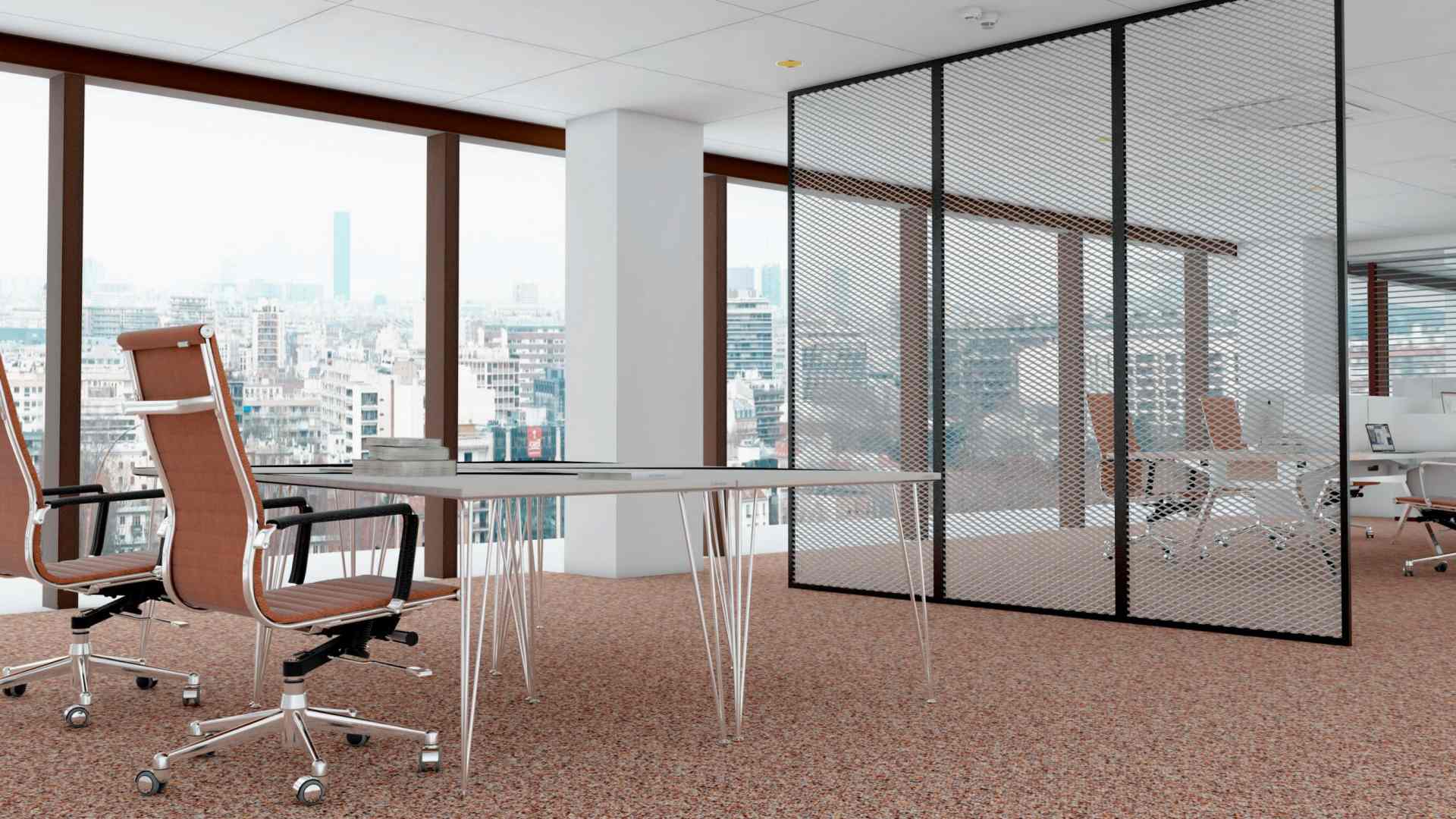
Interior designers and architects are increasingly seeking materials that provide both visual impact and practical functionality. Decorative wire mesh has emerged as a versatile solution for creating sophisticated interiors while maintaining openness, durability, and flexibility.
Available in a wide range of weave patterns, materials, and finishes, decorative wire mesh can be incorporated into hospitality, commercial, retail, and public spaces to create distinctive architectural features.
This article explores the growing role of decorative wire mesh in modern interior design and highlights key specification considerations.
Why Decorative Wire Mesh Is Popular in Interior Design
Decorative wire mesh offers a unique balance between transparency and enclosure.
Unlike solid partitions or walls, mesh systems allow:
- Light transmission
- Visual connectivity
- Air circulation
- Spatial definition
At the same time, they create texture and depth that enhance architectural character.
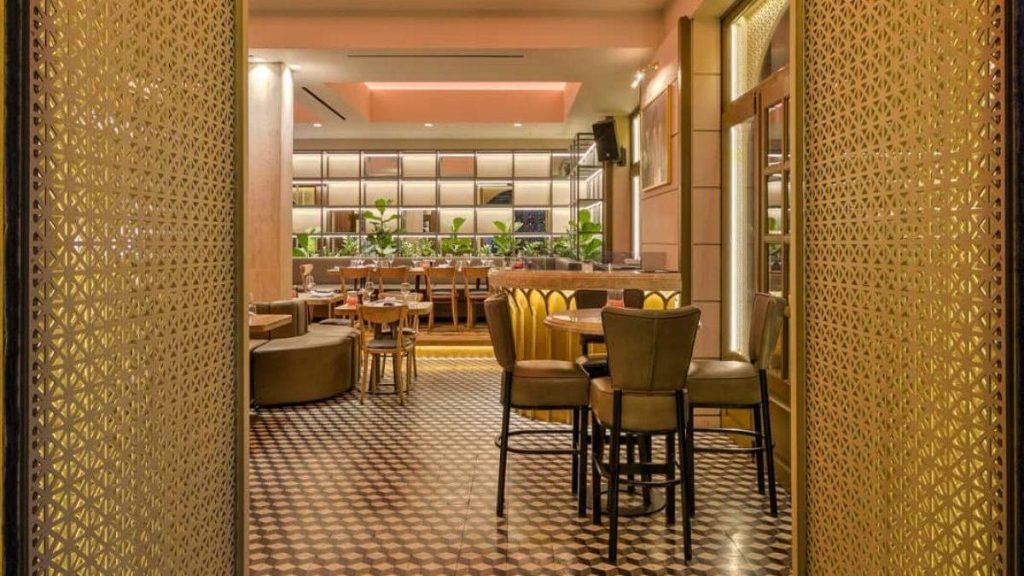
Hospitality Applications
Hotels frequently use decorative wire mesh for:
- Lobby feature walls
- Elevator surrounds
- Bar enclosures
- Restaurant partitions
- Ceiling installations
These applications help create premium environments while maintaining durability in high-traffic areas.
Office Design Applications
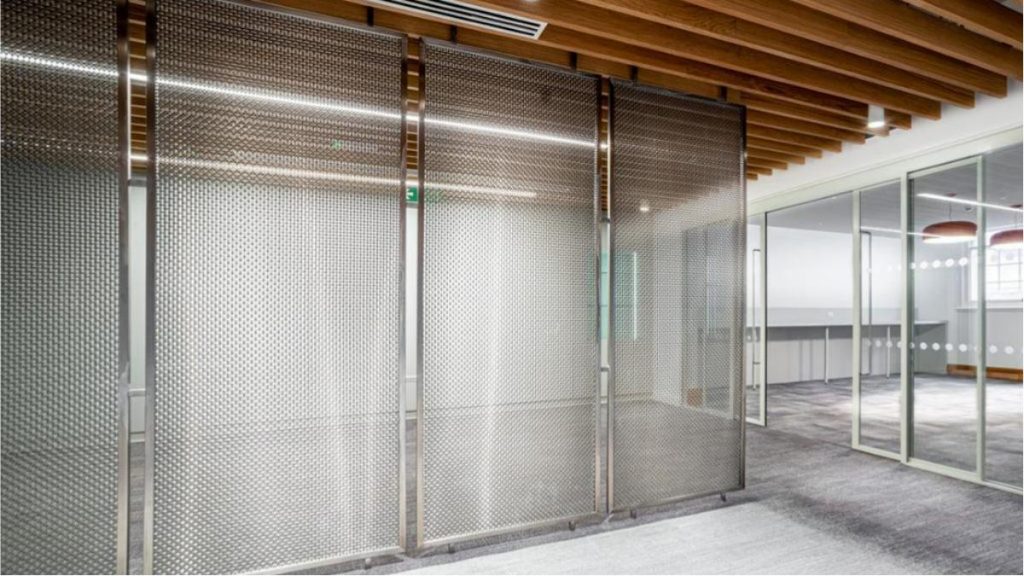
Modern workplaces increasingly favor open layouts.
Decorative wire mesh can be used for:
- Workspace dividers
- Meeting room screens
- Reception features
- Stair balustrades
Benefits include:
- Space definition without visual isolation
- Improved aesthetics
- Durable long-term performance
Retail and Commercial Spaces
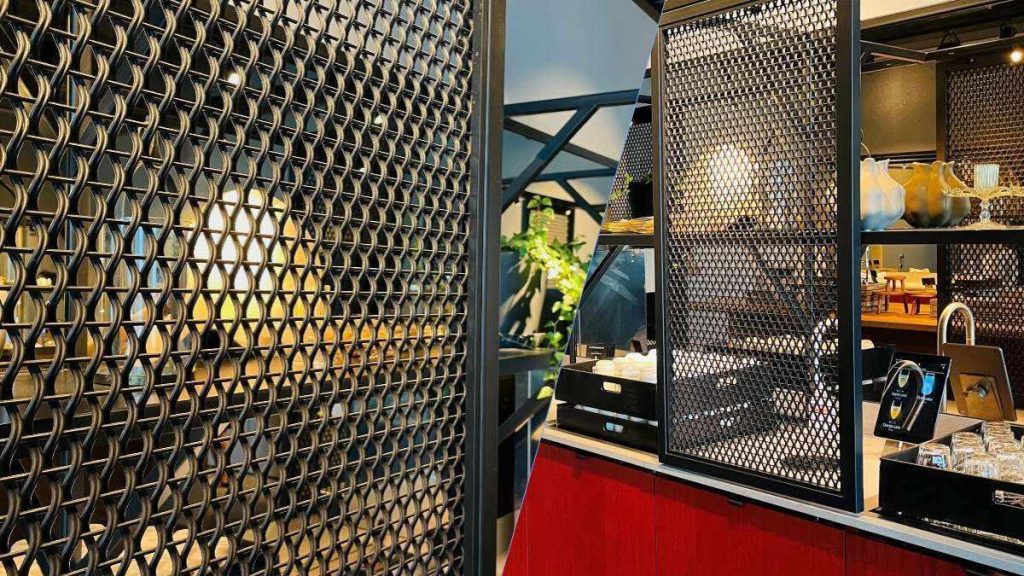
Retail designers often use wire mesh to create:
- Product display systems
- Decorative partitions
- Visual merchandising features
- Architectural focal points
The material’s transparency helps maintain sightlines while adding texture and sophistication.
Material Options
Stainless Steel Wire Mesh
Advantages:
- Premium appearance
- Corrosion resistance
- Long service life
Brass and Bronze Finishes
Advantages:
- Warm aesthetic
- Luxury appearance
- Distinctive architectural character
Powder-Coated Finishes
Advantages:
- Color flexibility
- Enhanced design integration
- Additional protection
Material Comparison Table
| Material | Appearance | Durability | Typical Application |
|---|---|---|---|
| Stainless Steel | Premium | Excellent | Commercial & Hospitality |
| Brass Finish | Luxury | Excellent | Hotels & Retail |
| Powder-Coated Mesh | Flexible | Excellent | Contemporary Interiors |
Decorative Mesh Applications Table
| Application | Benefits |
|---|---|
| Lobby Partitions | Visual impact & openness |
| Office Screens | Space definition |
| Retail Displays | Product visibility |
| Elevator Enclosures | Architectural detail |
| Ceiling Features | Design enhancement |
Design Considerations
When selecting decorative wire mesh, designers should evaluate:
Pattern Selection
The weave pattern influences:
- Transparency
- Light transmission
- Visual texture
Material Finish
Finish selection affects:
- Aesthetic style
- Maintenance requirements
- Environmental suitability
Support Systems
Architectural mesh installations should be coordinated with structural and attachment requirements.
Common Specification Mistakes
Choosing Pattern Based Only on Appearance
Visual goals should be balanced with functional requirements.
Ignoring Lighting Effects
Lighting significantly affects how decorative mesh appears within a space.
Overlooking Maintenance Considerations
High-touch areas may require finishes that simplify cleaning.
Conclusion
Decorative wire mesh provides architects and interior designers with a highly versatile material that combines aesthetics, durability, and functionality. Whether used in hospitality, office, retail, or public environments, decorative mesh can create visually distinctive spaces while supporting long-term performance.
Its ability to define space without sacrificing openness continues to make it a popular choice in contemporary interior design.
FAQ
What is decorative wire mesh used for?
Decorative wire mesh is commonly used for partitions, ceilings, feature walls, elevator surrounds, and architectural screens.
Is decorative wire mesh suitable for hospitality projects?
Yes. Hotels, restaurants, and hospitality venues frequently use decorative mesh to create premium interior environments.
What material is commonly used?
Stainless steel is one of the most common choices due to its appearance and durability.
Can decorative mesh be customized?
Yes. Different weave patterns, finishes, and materials can be selected to meet project requirements.
Is decorative wire mesh suitable for office interiors?
Yes. It is often used to create partitions and architectural features while maintaining openness.