Introduction
Architectural designers increasingly seek exterior materials that combine visual impact, durability, and functionality. Expanded metal has become a popular choice for modern building envelopes because it delivers all three benefits while offering exceptional design flexibility.
Produced by simultaneously slitting and stretching metal sheets, expanded metal creates a continuous mesh structure with no welded joints. This unique manufacturing process results in a lightweight yet strong material that is widely used in facades, screening systems, parking structures, and architectural cladding.
This article explores how expanded metal is used in building exteriors and why it has become a preferred solution for contemporary architectural projects.
Why Expanded Metal Is Popular in Architecture
Expanded metal offers several characteristics that make it attractive for exterior applications:
- High strength-to-weight ratio
- Continuous material structure
- Excellent airflow
- Visual transparency
- Modern appearance
- Long service life
Unlike some decorative facade materials, expanded metal combines aesthetics with practical building performance.
Common Exterior Applications
Building Facades
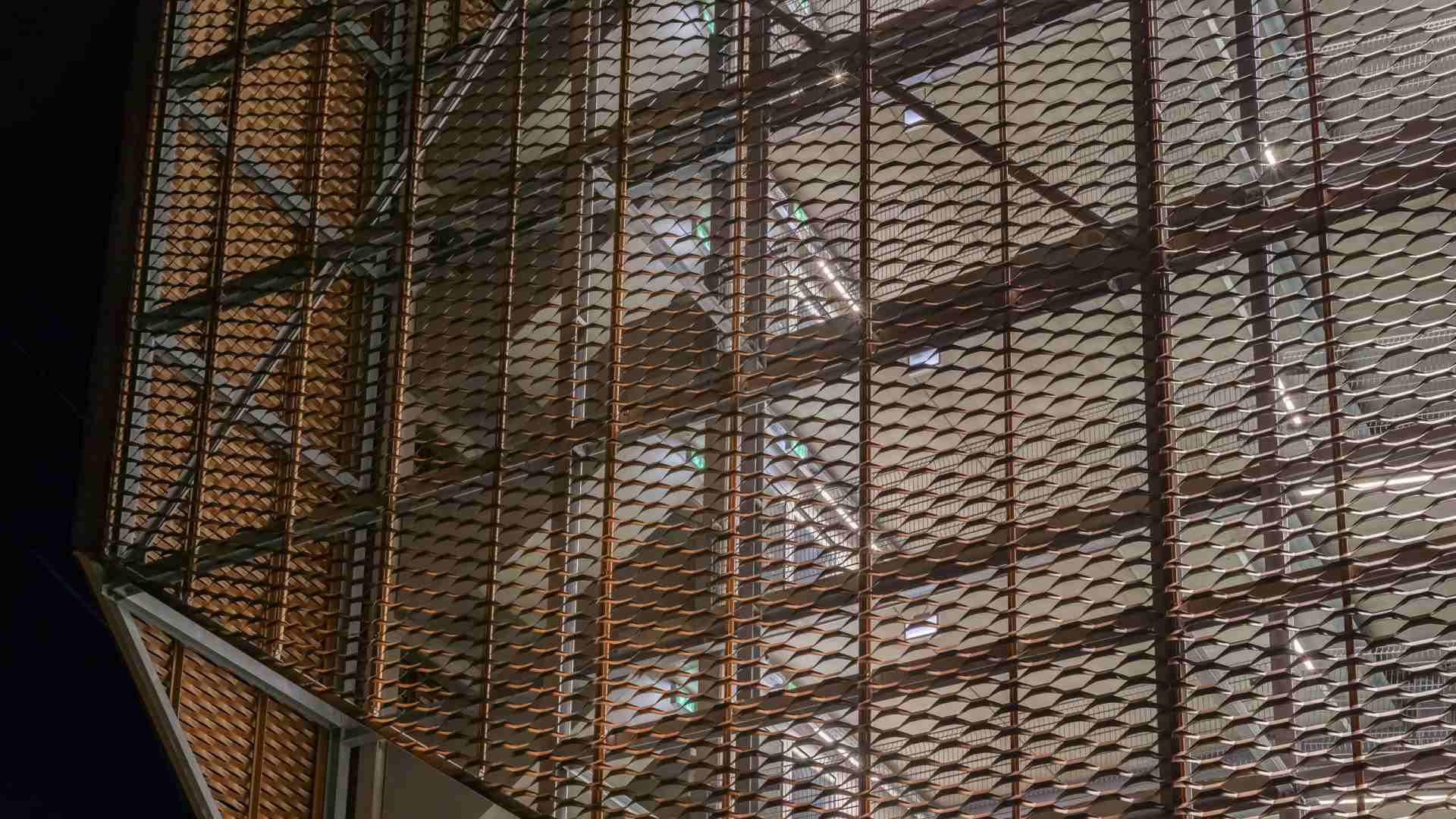
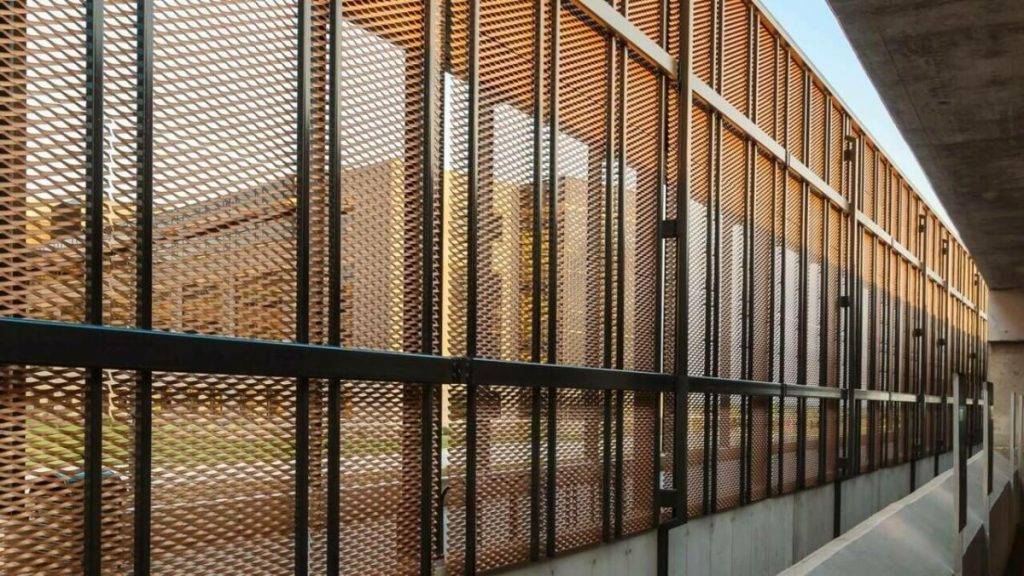
Expanded metal is frequently used as a secondary facade layer.
Benefits include:
- Modern architectural appearance
- Dynamic visual effects
- Building identity enhancement
- Partial solar shading
Architects often specify custom mesh patterns to achieve a distinctive project appearance.
Architectural Screening
Expanded metal screens are commonly installed to conceal:
- Mechanical equipment
- Rooftop systems
- Service areas
- Parking structures
Because the mesh allows airflow while reducing visibility, it provides both functional and aesthetic advantages.
Parking Structures
Parking garages require continuous ventilation.
Expanded metal offers:
- Natural airflow
- Security screening
- Reduced maintenance
- Architectural enhancement
Many contemporary parking structures use expanded metal to transform utilitarian facilities into visually appealing architectural elements.
Sun-Shading Systems
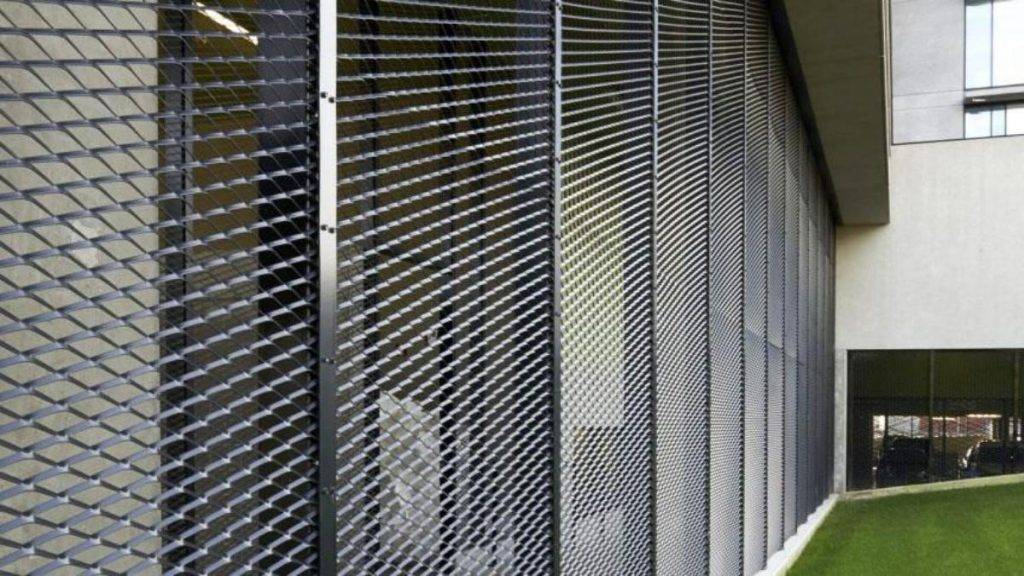
Exterior shading systems help improve building performance.
Expanded metal panels can:
- Reduce solar heat gain
- Control glare
- Maintain daylight access
- Improve occupant comfort
These systems are particularly valuable in warm climates and highly glazed buildings.
Material Options
Aluminum Expanded Metal
Advantages:
- Lightweight
- Corrosion resistant
- Easy fabrication
Commonly used for large facade systems.
Stainless Steel Expanded Metal
Advantages:
- Premium appearance
- Excellent durability
- Superior corrosion resistance
Often selected for landmark projects.
Carbon Steel Expanded Metal
Advantages:
- High strength
- Cost-effective
- Versatile
Frequently used when budget is a major consideration.
Material Comparison Table
| Material | Weight | Corrosion Resistance | Typical Use |
|---|---|---|---|
| Aluminum | Light | Excellent | Facades |
| Stainless Steel | Medium | Excellent | Premium Projects |
| Carbon Steel | Heavy | Moderate | General Applications |
Expanded Metal vs Perforated Metal
| Factor | Expanded Metal | Perforated Metal |
|---|---|---|
| Weight | Lighter | Heavier |
| Strength | Excellent | Good |
| Open Area | High | Variable |
| Architectural Appearance | Dynamic | Refined |
| Ventilation | Excellent | Excellent |
Design Considerations
When specifying expanded metal systems, architects should evaluate:
Mesh Pattern
Pattern selection affects:
- Visibility
- Transparency
- Aesthetic appearance
- Shading performance
Open Area
Open area percentage influences:
- Airflow
- Daylight
- Solar control
Structural Support
Support systems should account for:
- Wind loads
- Panel size
- Installation method
Common Specification Mistakes
Prioritizing Appearance Only
Architectural performance should be evaluated alongside aesthetics.
Ignoring Environmental Conditions
Material selection should match climate and exposure conditions.
Selecting Incorrect Open Area
Too much or too little openness can affect building performance.
Overlooking Maintenance Access
Facade systems should allow for inspection and maintenance.
Conclusion
Expanded metal offers architects a versatile solution for building exteriors that balances appearance, strength, ventilation, and durability. Whether used for facades, screening systems, parking structures, or sun-shading applications, expanded metal continues to play a growing role in contemporary architecture.
Careful selection of materials, mesh patterns, and support systems can help ensure both architectural impact and long-term performance.
FAQ
Why is expanded metal used in building exteriors?
Expanded metal provides strength, ventilation, shading, and visual appeal while remaining relatively lightweight.
Is expanded metal suitable for facades?
Yes. It is widely used for architectural facades, cladding systems, and screening applications.
What material is best for exterior expanded metal panels?
Aluminum and stainless steel are commonly selected due to their corrosion resistance.
Can expanded metal improve building performance?
Yes. It can contribute to ventilation, shading, and energy efficiency.
What is the difference between expanded metal and perforated metal?
Expanded metal is formed by stretching metal sheets, while perforated metal is produced by punching holes. Each offers different visual and performance characteristics.