Introduction
Modern construction and infrastructure projects require materials that provide strength, safety, durability, and cost efficiency. Engineers and architects often need solutions that can withstand demanding environments while supporting both structural and operational requirements.
Expanded metal has become one of the most widely specified materials for these applications. Produced by simultaneously slitting and stretching metal sheets, expanded metal creates a rigid mesh structure that offers excellent strength-to-weight performance without generating material waste.
Its unique design provides ventilation, visibility, drainage, slip resistance, and structural integrity, making it suitable for a wide range of commercial, industrial, and infrastructure projects.
From walkways and stair treads to facades and security enclosures, expanded metal continues to play a critical role in modern construction.
What Is Expanded Metal?
Expanded metal is manufactured by cutting and stretching a solid metal sheet into a mesh pattern.
Unlike welded wire mesh or woven mesh, expanded metal is formed from a single piece of metal with no welding or weaving process.
Common materials include:
- Carbon Steel
- Galvanized Steel
- Stainless Steel
- Aluminum
Common styles include:
- Standard Expanded Metal
- Flattened Expanded Metal
- Architectural Expanded Metal
- Heavy-Duty Expanded Metal
Why Expanded Metal Is Popular in Construction
High Strength-to-Weight Ratio
Expanded metal maintains structural integrity while reducing material weight.
Benefits include:
- Easier handling
- Reduced structural loads
- Lower transportation costs
Slip Resistance
The raised surface of standard expanded metal provides excellent traction.
This makes it ideal for:
- Walkways
- Catwalks
- Maintenance platforms
- Stair treads
Ventilation and Drainage
Open mesh construction allows:
- Air circulation
- Water drainage
- Light transmission
- Visibility
These characteristics are particularly valuable in industrial and outdoor environments.
Material Efficiency
Because expanded metal is produced without creating scrap material, it is often more cost-efficient than perforated sheet alternatives.
Common Building Applications
Walkways and Catwalks
One of the most common applications for expanded metal is elevated walkways.
Advantages include:
- Slip resistance
- Drainage
- Structural strength
- Low maintenance
Typical locations:
- Manufacturing plants
- Warehouses
- Mechanical rooms
- Utility facilities
Stair Treads and Safety Platforms
Expanded metal is frequently specified for:
- Industrial stairs
- Access platforms
- Equipment platforms
- Emergency exits
The open mesh surface helps prevent accumulation of:
- Water
- Snow
- Dirt
- Oil
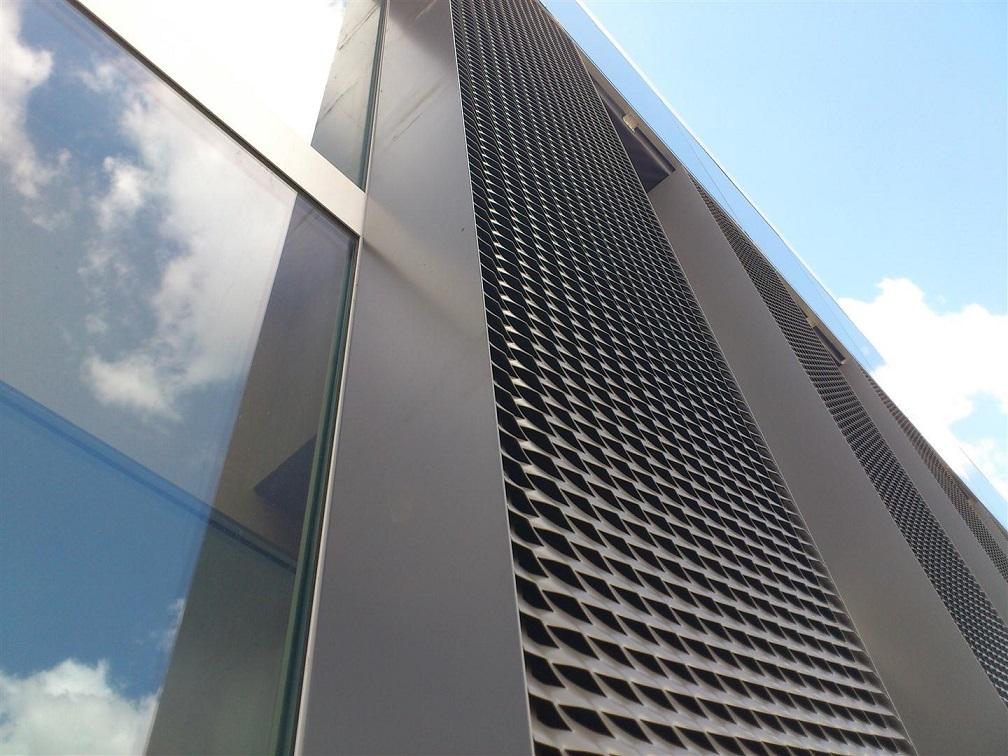
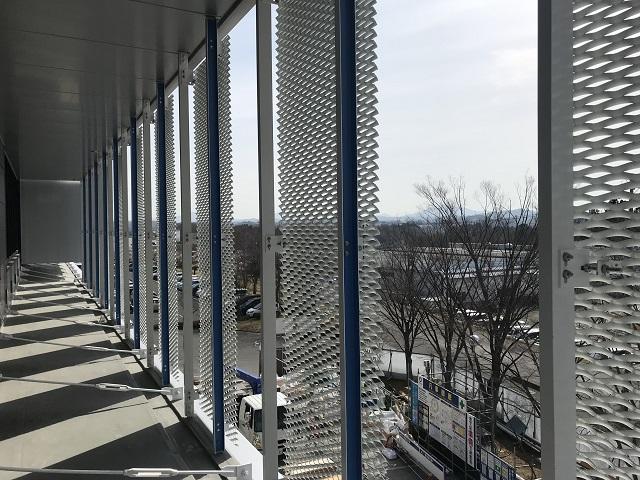
Architectural Screening
Architects increasingly use expanded metal for:
- Building facades
- Parking structures
- Mechanical screening
- Decorative enclosures
Benefits include:
- Modern appearance
- Ventilation
- Privacy control
- Sun shading
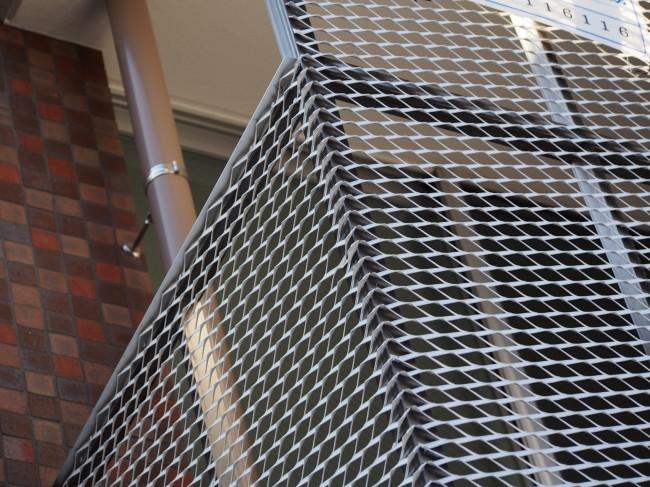
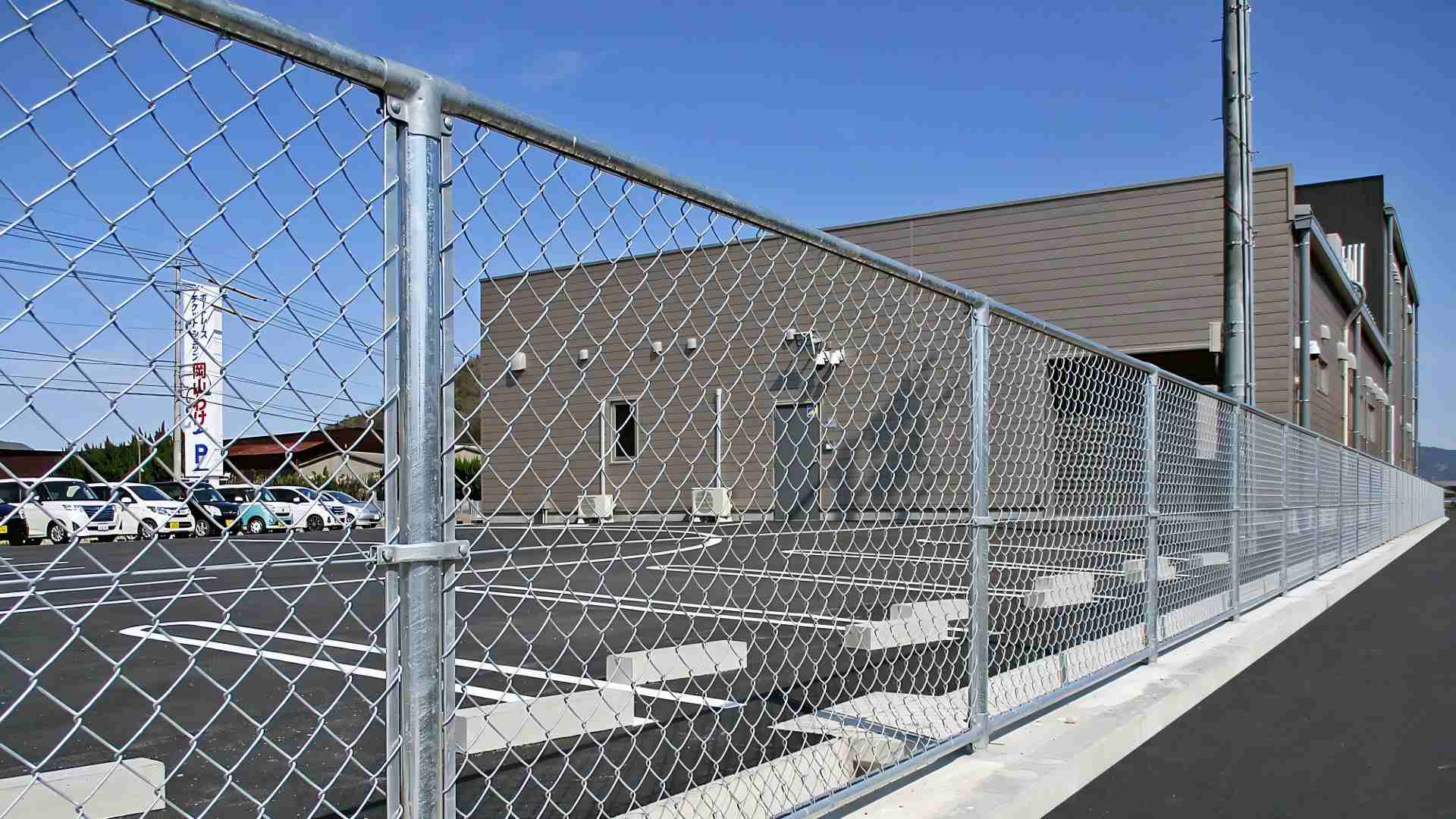
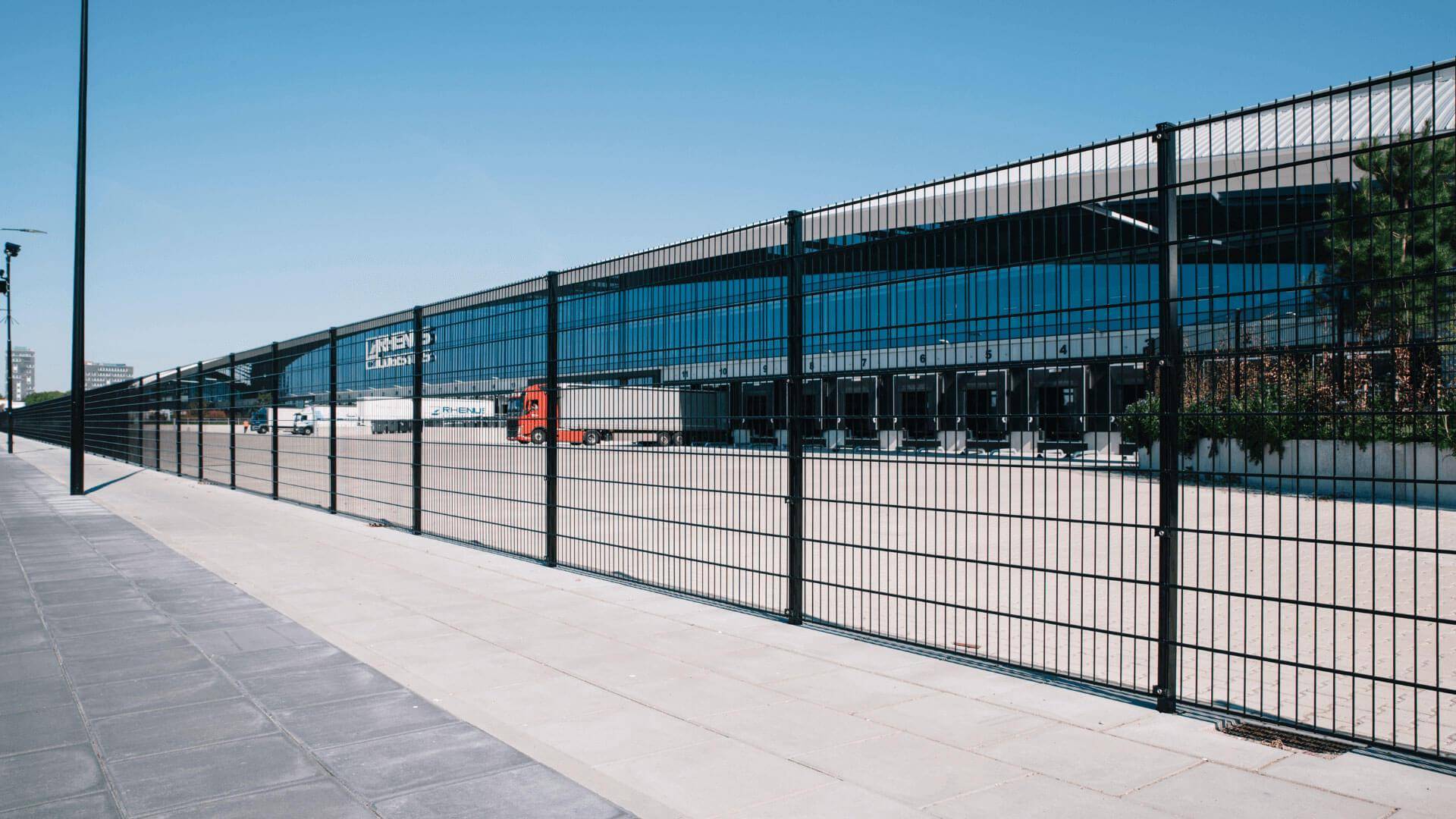
Security Enclosures
Expanded metal is often used to protect:
- HVAC equipment
- Utility compounds
- Mechanical systems
- Service areas
The rigid structure provides visibility while restricting unauthorized access.
Infrastructure Applications
Transportation Facilities
Expanded metal is widely used in:
- Rail stations
- Airports
- Bus terminals
- Maintenance facilities
Applications include:
- Walkways
- Safety barriers
- Equipment enclosures
Utility and Energy Facilities
Infrastructure operators use expanded metal for:
- Substations
- Power plants
- Water treatment facilities
- Renewable energy installations
Its durability and low maintenance requirements make it particularly suitable for these environments.
Bridge and Maintenance Platforms
Expanded metal platforms provide safe access for inspection and maintenance activities.
Advantages include:
- Reduced weight
- Improved drainage
- Enhanced worker safety
Expanded Metal Application Benefits Table
| Application | Key Benefits |
|---|---|
| Walkways | Slip resistance, drainage |
| Stair Treads | Safety, durability |
| Facades | Screening, aesthetics |
| Equipment Enclosures | Ventilation, protection |
| Utility Facilities | Security, low maintenance |
| Bridge Platforms | Strength, weight reduction |
Material Selection Guide
| Material | Recommended Use |
|---|---|
| Carbon Steel | General industrial applications |
| Galvanized Steel | Outdoor construction projects |
| Stainless Steel | Corrosive environments |
| Aluminum | Architectural and lightweight structures |
Recommended Specifications Table
| Application | Material | Typical Thickness |
|---|---|---|
| Walkways | Galvanized Steel | 3–6 mm |
| Stair Treads | Galvanized Steel | 3–6 mm |
| Platforms | Carbon or Galvanized Steel | 4–8 mm |
| Architectural Screens | Aluminum | 1.5–3 mm |
| Security Enclosures | Galvanized Steel | 2–4 mm |
Expanded Metal vs Other Construction Materials
| Feature | Expanded Metal | Perforated Metal | Welded Wire Mesh |
|---|---|---|---|
| Slip Resistance | Excellent | Moderate | Moderate |
| Strength | Excellent | Good | Good |
| Weight Efficiency | Excellent | Good | Good |
| Drainage | Excellent | Moderate | Excellent |
| Architectural Appearance | Good | Excellent | Good |
| Cost Efficiency | Excellent | Moderate | Good |
Specification Considerations
Material Selection
Environmental exposure should determine material choice.
Projects in coastal or corrosive environments may require:
- Stainless steel
- Aluminum
- Heavier galvanized coatings
Load Requirements
Expanded metal used for walkways and platforms should be selected according to anticipated loads.
Engineering review is recommended for structural applications.
Surface Finish
Common finishes include:
- Mill Finish
- Hot-Dip Galvanized
- Powder Coated
- Painted
Safety Requirements
Projects should consider:
- Slip resistance
- Load capacity
- Building codes
- Worker safety standards
Common Specification Mistakes
Selecting Decorative Mesh for Structural Applications
Architectural mesh products may not provide sufficient load-bearing capacity.
Ignoring Corrosion Conditions
Outdoor projects require appropriate corrosion protection.
Underestimating Load Requirements
Walkways and platforms should always be designed according to actual service conditions.
Choosing Incorrect Mesh Size
Mesh size affects drainage, visibility, and structural performance.
Conclusion
Expanded metal remains one of the most versatile materials used in construction and infrastructure projects. Its combination of strength, slip resistance, ventilation, durability, and cost efficiency makes it suitable for walkways, platforms, facades, equipment enclosures, and public infrastructure.
By selecting the appropriate material, mesh configuration, and finish, project teams can achieve long-term performance while maintaining safety and operational efficiency.