Introduction
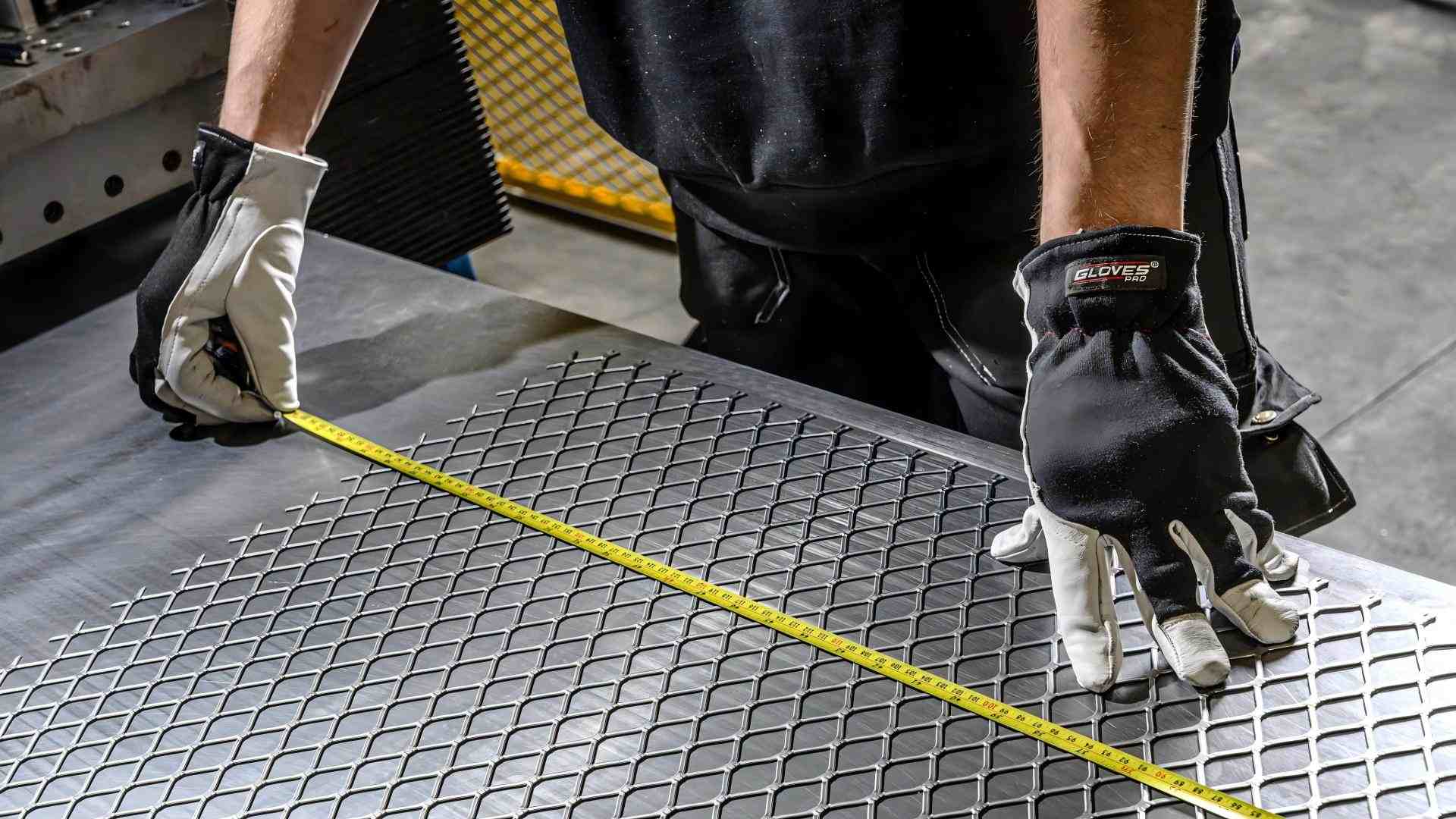
Expanded metal is a unique sheet material produced by slitting and stretching solid metal sheets into a diamond-shaped mesh structure. Unlike welded or woven mesh, expanded metal is manufactured without joints or welds, resulting in a continuous, high-strength structure with excellent load-bearing capacity.
Because of its versatility, expanded metal is widely used in industrial flooring, machine protection, security fencing, filtration, and architectural facade systems.
However, selecting the correct expanded metal requires understanding several key specifications, including strand width, thickness, SWD/LWD, and open area.
This guide explains how expanded metal sizes and design parameters are defined and how to choose the right product for your application.
What Is Expanded Metal?
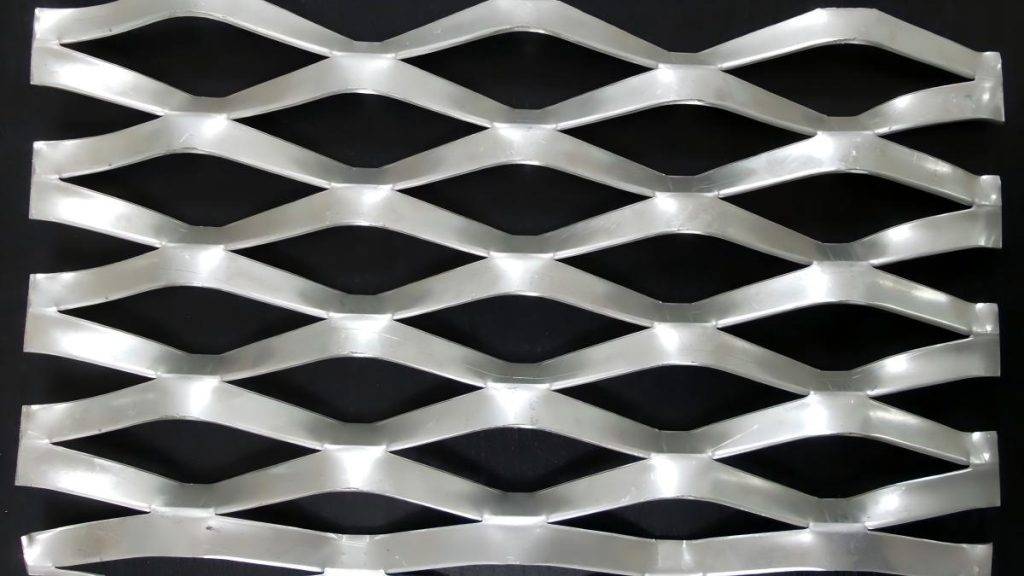
Expanded metal is created through a process where a metal sheet is simultaneously slit and stretched.
This process forms:
- Diamond-shaped openings
- Continuous metal strands
- No welding or joints
- High structural integrity
Because no material is wasted during production, expanded metal is both cost-efficient and strong.
Key Expanded Metal Specifications
SWD and LWD (Short Way / Long Way of Diamond)
Expanded metal openings are defined by two diagonal measurements:
- SWD (Short Way of Diamond)
- LWD (Long Way of Diamond)
These determine the size and shape of each opening.
| Term | Meaning |
|---|---|
| SWD | Short diagonal of the diamond opening |
| LWD | Long diagonal of the diamond opening |
Strand Width
Strand width refers to the width of the metal strip between openings.
It affects:
- Strength
- Load capacity
- Rigidity
Wider strands = stronger but heavier material.
Thickness (Gauge)
Thickness refers to the original sheet thickness before expansion.
It directly impacts:
- Durability
- Weight
- Structural performance
Open Area
Open area refers to the percentage of empty space in the expanded metal sheet.
Higher open area provides:
- Better airflow
- Improved visibility
- Reduced weight
However, it may reduce strength.
Expanded Metal Specification Table
| Parameter | Function |
|---|---|
| SWD | Controls opening height |
| LWD | Controls opening length |
| Strand Width | Structural strength |
| Thickness | Load capacity |
| Open Area | Airflow & visibility |
Common Expanded Metal Types
Standard Expanded Metal
Used for:
- Industrial platforms
- Machine guards
- Fencing systems
Flattened Expanded Metal
Flattened after expansion for a smoother surface.
Used for:
- Architectural facades
- Decorative panels
- Interior design
Heavy Duty Expanded Metal
Thicker strands and sheets for load-bearing applications.
Used for:
- Walkways
- Industrial flooring
- Security barriers
Expanded Metal Size Range
Typical specifications include:
| Sheet Thickness | Strand Width | Application |
|---|---|---|
| 0.5–1.0 mm | Fine | Filters |
| 1.0–2.0 mm | Medium | Fencing |
| 2.0–5.0 mm | Heavy | Flooring |
| 5.0+ mm | Extra Heavy | Structural |
Advantages of Expanded Metal
- High strength-to-weight ratio
- No welding points
- Excellent ventilation
- Slip-resistant surface
- Cost-efficient production
Application Selection Guide
Industrial Flooring
Recommended:
- Heavy-duty expanded metal
- High strand width
- High load capacity
Security Fencing
Recommended:
- Medium thickness
- Balanced open area
Architectural Facades
Recommended:
- Flattened expanded metal
- Aluminum or stainless steel
- High aesthetic quality
Machine Guards
Recommended:
- Small SWD openings
- Medium thickness
- Steel or galvanized steel
Common Specification Mistakes
Confusing SWD and LWD
Both are required for correct sizing.
Ignoring Strand Width
Strand width directly affects strength.
Over-specifying Open Area
Too much open area can weaken structure.
Using Wrong Material for Environment
Outdoor or coastal environments require corrosion-resistant materials.
Expanded Metal vs Other Mesh Types
| Feature | Expanded Metal | Welded Mesh | Woven Mesh |
|---|---|---|---|
| Strength | High | Medium | Medium |
| Airflow | High | Medium | High |
| Structure | Continuous | Welded joints | Woven |
| Cost Efficiency | High | Medium | Medium |
Conclusion
Expanded metal is a highly versatile material offering strength, durability, and excellent open-area performance. Understanding SWD, LWD, strand width, thickness, and open area is essential for selecting the right specification for industrial, architectural, and structural applications.
By properly evaluating these parameters, engineers and buyers can ensure optimal performance, safety, and long-term value.
FAQ
What is SWD and LWD in expanded metal?
SWD is the short way of diamond opening, and LWD is the long way.
Is expanded metal stronger than welded mesh?
Yes, because it has no weld points and is formed from a single sheet.
What affects expanded metal strength?
Strand width and thickness are the main factors.
Can expanded metal be used for facades?
Yes, especially flattened expanded metal for architectural applications.
What material is best for outdoor expanded metal?
Galvanized steel and stainless steel are commonly used.