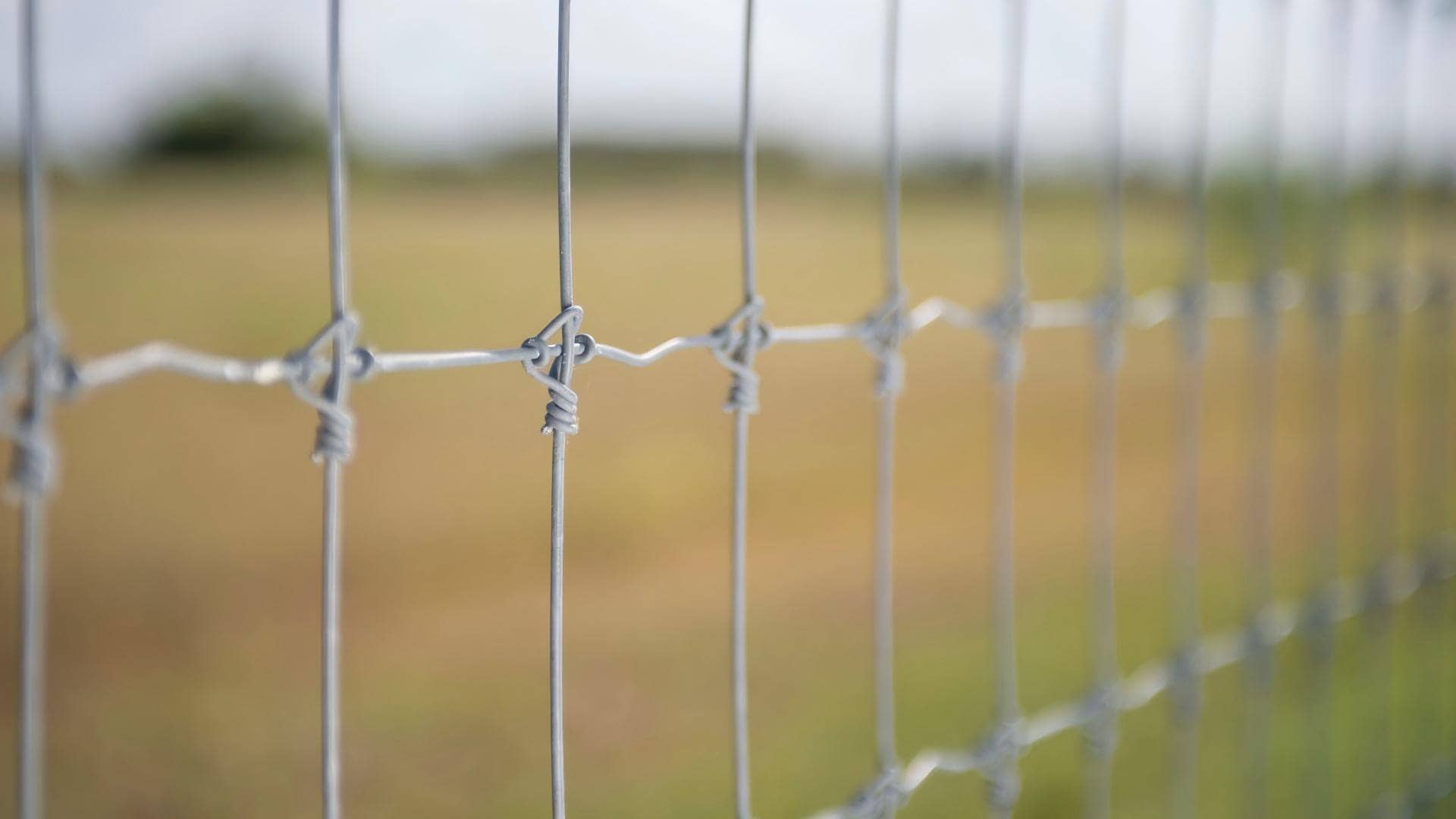
Choosing the right field fence involves much more than selecting the fence height or wire diameter. One of the most important—but often overlooked—factors is the knot design that connects the horizontal line wires and vertical stay wires.
The knot is the foundation of every woven wire fence. It determines how the fence distributes tension, withstands animal pressure, adapts to uneven terrain, and performs over years of outdoor exposure. A well-designed knot can significantly improve fence durability while reducing maintenance costs and improving livestock safety.
Today’s agricultural fencing industry offers several knot designs, each developed to solve different challenges. Some prioritize flexibility for rolling terrain, others maximize strength for wildlife control, while premium designs focus on protecting valuable livestock such as horses.
Understanding these differences allows farmers, ranchers, contractors, and distributors to choose fencing that matches the intended application instead of relying solely on price.
This guide explains the three most widely used field fence knot systems—Hinge Joint, Fixed Knot, and S Knot (also known as Square Knot or Square Deal Knot)—and compares their performance across a range of agricultural applications.
What Is a Field Fence?
Field fence is a woven wire fencing system designed primarily for agricultural and livestock applications. It consists of horizontal line wires connected by evenly spaced vertical stay wires to create a series of rectangular mesh openings.
Depending on the region, field fence may also be referred to as:
- Woven Wire Fence
- Livestock Fence
- Agricultural Fence
- Stock Fence
- Farm Fence
Although these names are often used interchangeably, they generally describe the same type of fencing designed to contain livestock or exclude wildlife while maintaining long-term structural integrity.
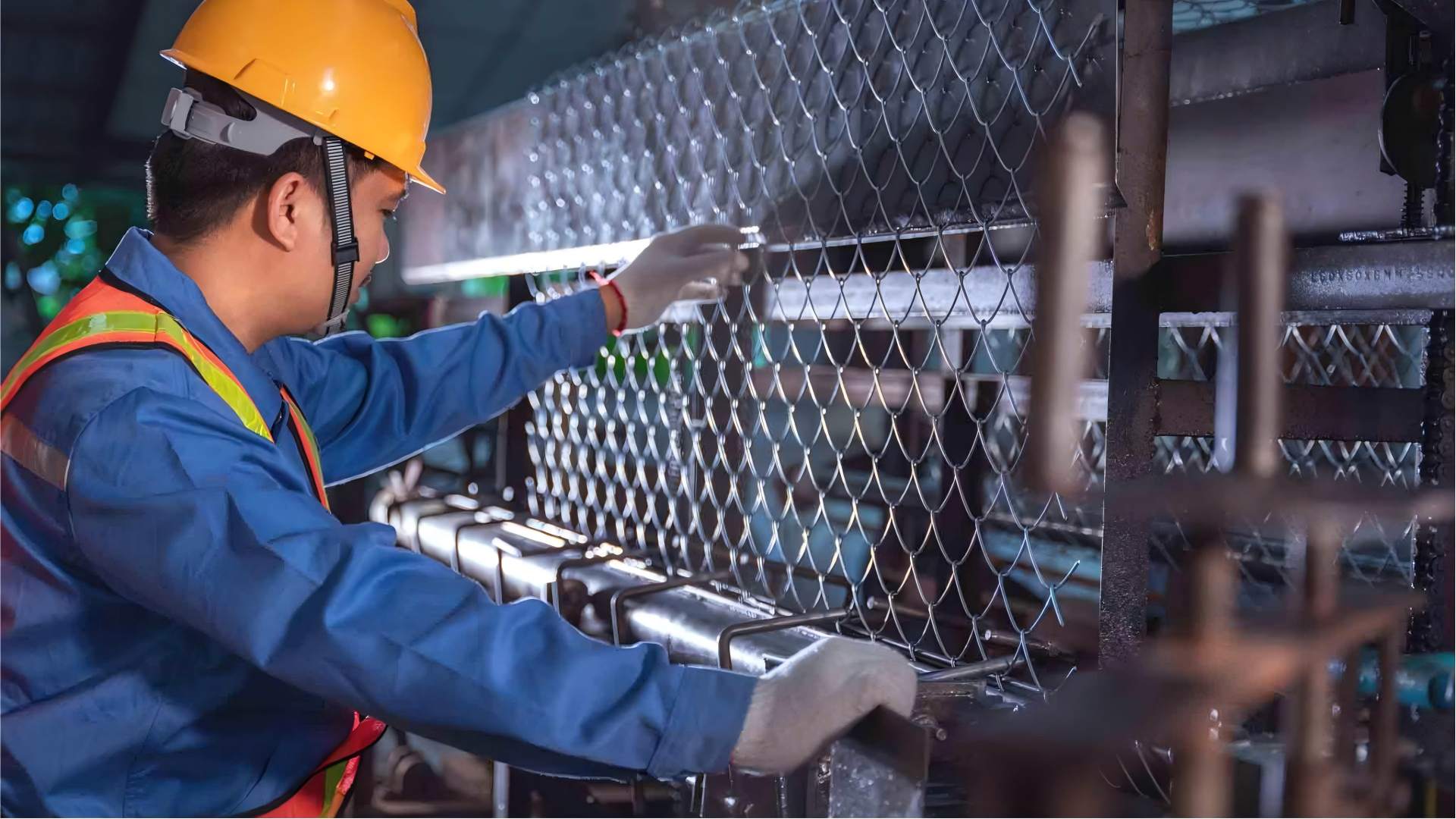
Unlike welded wire fencing, field fence is manufactured by mechanically joining wires through specialized knot systems rather than welding the intersections. This construction allows the fence to better absorb impact loads and accommodate ground movement, making it particularly suitable for large agricultural properties.
Modern field fences are commonly manufactured from high-tensile galvanized steel wire, providing excellent corrosion resistance and long service life in outdoor environments.
Why Knot Design Matters
Many buyers compare only wire gauge, fence height, or zinc coating when evaluating field fences. While these factors are important, the knot design often has an even greater influence on long-term performance.
Each knot functions as a structural connection that transfers loads throughout the fence. As livestock lean against the fence or wildlife impacts the mesh, the knot determines how the force is distributed and whether the fence returns to its original shape.
A well-designed knot contributes to several critical performance characteristics.
Structural Strength
The knot secures the horizontal and vertical wires together. Stronger knot designs maintain consistent mesh spacing and reduce deformation under repeated loading.
Flexibility
Certain knot systems allow controlled movement within the fence. This flexibility helps absorb impact from livestock while adapting to uneven terrain without excessive stress.
Animal Safety
Smooth knot profiles reduce the possibility of cuts, abrasions, or snagging, particularly for horses and other valuable animals.
Long-Term Durability
The ability of the knot to resist loosening over time directly affects the service life of the fence and the frequency of maintenance.
Installation Performance
Different knot styles respond differently to tensioning during installation. Selecting an appropriate knot can simplify installation and improve long-term fence stability.
Because every agricultural project has unique requirements, no single knot design is ideal for every situation.
Hinge Joint Fence
The Hinge Joint is the most traditional and widely used knot design in agricultural fencing. It is created by wrapping the vertical stay wire around each horizontal line wire, forming a flexible hinge-like connection.
This simple mechanical design allows the fence to move slightly when subjected to pressure, helping absorb moderate impacts without permanently deforming the mesh. Because of its balance between performance and affordability, hinge joint fencing remains one of the most popular choices for general livestock containment worldwide.
Key Characteristics
The hinge joint’s flexibility is its greatest advantage. Instead of creating a rigid connection, the wrapped knot allows limited movement between intersecting wires. This enables the fence to perform well on uneven ground and under normal livestock pressure.
Its straightforward construction also makes manufacturing efficient, contributing to its competitive price compared with more complex knot systems.
Advantages
- Cost-effective solution for large agricultural projects
- Flexible design adapts well to rolling or uneven terrain
- Easy to install using conventional fencing equipment
- Performs well under normal livestock pressure
- Widely available in multiple fence heights and mesh configurations
Typical Applications
Hinge joint fencing is commonly used for:
- Cattle farms
- Sheep farms
- Goat farms
- Mixed livestock operations
- Farm boundaries
- Pasture fencing
- General agricultural enclosures
For many farms, it provides an excellent balance between performance and investment, particularly where livestock are unlikely to apply sustained pressure to the fence.
Limitations
Although hinge joint fencing performs well for everyday agricultural use, it is generally not intended for high-pressure applications involving large wildlife or aggressive animals. Projects requiring maximum strength and minimal deformation may benefit from more advanced knot designs.
Fixed Knot Fence
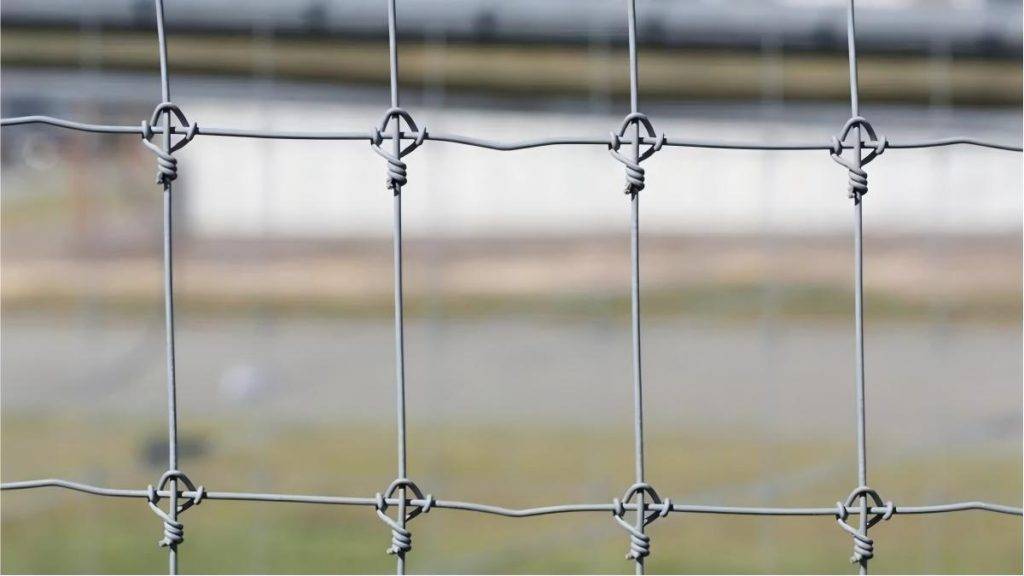
The Fixed Knot represents one of the strongest woven wire fence designs available for agricultural and wildlife applications.
Unlike a hinge joint, the fixed knot uses an independent locking wire to secure the horizontal and vertical wires together. This creates a rigid connection that maintains the mesh geometry even under significant impact loads.
Because the knot remains firmly locked, force is distributed more evenly throughout the fence rather than concentrating at individual intersections. The result is a fencing system capable of resisting repeated pressure from large livestock and wildlife while maintaining long-term structural stability.
Key Characteristics
Fixed knot fencing is commonly manufactured using high-tensile steel wire. When properly tensioned, it provides exceptional resistance to stretching, sagging, and deformation.
Its rigid structure also allows longer fence runs between support posts in many installations, reducing maintenance over the life of the project.
Advantages
- Outstanding structural strength
- Excellent resistance to animal impact
- Maintains consistent mesh openings
- Reduced long-term maintenance
- Long service life in demanding environments
- Ideal for high-tensile fencing systems
Typical Applications
Fixed knot fencing is widely used for:
- Deer fencing
- Wildlife exclusion projects
- Ranch boundaries
- Large grazing operations
- Highway right-of-way fencing
- High-pressure livestock containment
- Agricultural conservation areas
In locations where animals frequently challenge the fence, fixed knot systems often provide the best long-term value despite their higher initial investment.
S Knot Fence (Also Known as Square Knot)

The S Knot, also commonly referred to as the Square Knot or Square Deal Knot, represents one of the most advanced knot designs used in modern field fencing. While different manufacturers use different names, these terms generally describe the same family of smooth, high-strength locking knots.
Unlike the wrapped construction of a hinge joint, the S Knot forms a compact, secure connection that minimizes exposed wire ends. This smooth profile reduces the risk of cuts or abrasions while maintaining excellent structural integrity under tension.
Because of its combination of strength, safety, and appearance, S Knot fencing has become a preferred choice for premium agricultural fencing projects, particularly those involving horses and high-value livestock.
Key Characteristics
The S Knot is engineered to provide a secure mechanical connection while maintaining a smooth exterior profile. This design allows the fence to withstand repeated animal pressure without sacrificing livestock safety.
Its clean appearance also makes it popular for ranches, equestrian facilities, and properties where aesthetics are an important consideration.
Advantages
- Smooth knot profile that helps reduce the risk of animal injury
- Excellent resistance to impact and deformation
- Strong and stable wire connection
- Attractive appearance suitable for premium properties
- Long service life with minimal maintenance
- Compatible with high-tensile wire construction
Typical Applications
S Knot fencing is commonly used for:
- Horse farms
- Equestrian centers
- Premium cattle ranches
- Deer fencing
- Wildlife exclusion fencing
- Breeding facilities
- High-value livestock enclosures
Considerations
Although S Knot fencing generally requires a higher initial investment than hinge joint fencing, its durability, safety, and lower maintenance requirements often result in a lower total cost of ownership over the life of the fence.
Comparing the Three Major Knot Types
Selecting the right knot depends on the specific demands of the project. The table below summarizes the key differences between the three most common field fence knot systems.
| Feature | Hinge Joint | Fixed Knot | S Knot |
|---|---|---|---|
| Structural Strength | Moderate | Excellent | Excellent |
| Flexibility | Excellent | Moderate | Good |
| Impact Resistance | Good | Excellent | Excellent |
| Animal Safety | Good | Good | Excellent |
| Resistance to Fence Deformation | Moderate | Excellent | Excellent |
| Installation | Easy | Moderate | Moderate |
| Maintenance | Moderate | Low | Low |
| Typical Service Life | Long | Very Long | Very Long |
| Relative Cost | Low | Medium–High | High |
| Best Applications | General Livestock | Wildlife & Heavy-Duty Projects | Premium Livestock & Horse Farms |
Each knot system has its own advantages, and the best choice depends on the intended application rather than simply selecting the strongest or least expensive option.
Choosing the Right Knot for Your Application
Different animals behave differently around fences. Understanding these behaviors helps determine which knot design will deliver the best long-term performance.
Cattle Farms
For most cattle operations, Hinge Joint Field Fence provides an economical and dependable solution. Its flexibility allows the fence to absorb occasional impact while remaining cost-effective for large pastures.
Sheep and Goat Farms
Sheep and goats generally require fences with smaller mesh openings rather than stronger knots. Hinge joint fencing is widely used because it combines sufficient strength with competitive pricing.
Horse Farms
Horse fencing places greater emphasis on animal safety. Because horses are more likely to rub against fences and are more susceptible to injury, S Knot fencing is often the preferred solution due to its smooth knot profile and premium construction.
Deer Fencing
Deer frequently strike fences at high speed. Projects intended to exclude wildlife typically benefit from Fixed Knot Field Fence, which provides outstanding impact resistance and maintains fence geometry under repeated loading.
Ranches and Large Livestock Operations
Large ranches often prioritize durability and low maintenance over the life of the fence. Depending on the livestock and environmental conditions, both Fixed Knot and S Knot fencing offer excellent long-term performance.
Other Factors to Consider
Although knot design is important, several additional factors influence fence performance.
Wire Material
Most field fences are manufactured from high-tensile galvanized steel wire, providing excellent strength and corrosion resistance. The quality of the wire directly affects the overall durability of the fencing system.
Galvanized Coating
A high-quality zinc coating protects the steel from corrosion and extends service life, particularly in humid, coastal, or high-rainfall environments.
Fence Height
Fence height should be selected according to the type of livestock or wildlife being contained or excluded. Larger animals and wildlife typically require taller fencing systems.
Mesh Opening
Mesh spacing should be appropriate for the size of the animals. Smaller openings are commonly used for sheep and goats, while larger openings are suitable for cattle and wildlife fencing.
Terrain
Uneven ground may benefit from more flexible fence designs that can better follow changes in elevation while maintaining adequate tension.
Considering these factors together with knot design ensures a fencing solution that performs reliably throughout its service life.
Frequently Asked Questions
What is the strongest field fence knot?
Fixed Knot fencing is generally considered the strongest knot design because the independent locking wire creates a rigid connection capable of withstanding significant animal pressure and impact.
Is S Knot the same as Square Knot?
In most modern field fencing systems, S Knot, Square Knot, and Square Deal Knot refer to the same or very similar knot design. Different manufacturers use different commercial names, but they generally describe the same family of smooth, high-strength locking knots.
Which knot is safest for horses?
S Knot fencing is widely regarded as one of the safest options for horses because its smooth knot profile helps reduce the risk of cuts or abrasions.
Which knot is best for cattle?
For most standard cattle operations, Hinge Joint fencing provides an excellent balance between cost, flexibility, and performance. Operations involving high animal pressure may benefit from Fixed Knot fencing.
Does knot type affect fence lifespan?
Yes. Knot design influences how the fence distributes tension, resists repeated loading, and maintains its original shape over time. Selecting the appropriate knot contributes to longer service life and reduced maintenance.
Conclusion
Choosing the right field fence involves more than comparing prices or wire diameters. The knot design plays a fundamental role in determining how the fence performs under real-world agricultural conditions.
Hinge Joint fencing offers an economical and flexible solution for general livestock operations. Fixed Knot fencing provides exceptional strength for wildlife management and high-pressure applications. S Knot fencing combines durability with enhanced animal safety, making it an excellent choice for horse farms and premium agricultural projects.
By understanding the characteristics of each knot system and evaluating factors such as livestock type, terrain, and maintenance expectations, buyers can select a fencing solution that delivers reliable performance and long-term value.