Introduction
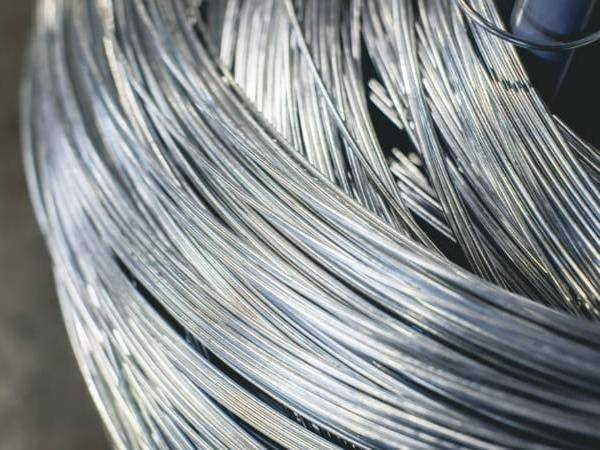
Galvanized steel wire is widely used in fencing, agriculture, construction, wire mesh manufacturing, and industrial applications. The zinc coating protects the steel from corrosion and extends its service life.
However, not all galvanized wire is produced in the same way.
The two most common galvanizing methods are:
- Hot-Dip Galvanizing (HDG)
- Electro Galvanizing (EG)
While both improve corrosion resistance, they differ significantly in coating thickness, durability, appearance, and cost. Understanding these differences helps buyers select the most suitable product for their project requirements.
What Is Hot-Dip Galvanized Wire?
Hot-dip galvanized wire is produced by immersing cleaned steel wire into molten zinc. During the process, a metallurgical bond forms between the steel and zinc coating.
Characteristics:
- Thick zinc layer
- Excellent corrosion protection
- Rougher surface appearance
- Long service life
Typical applications:
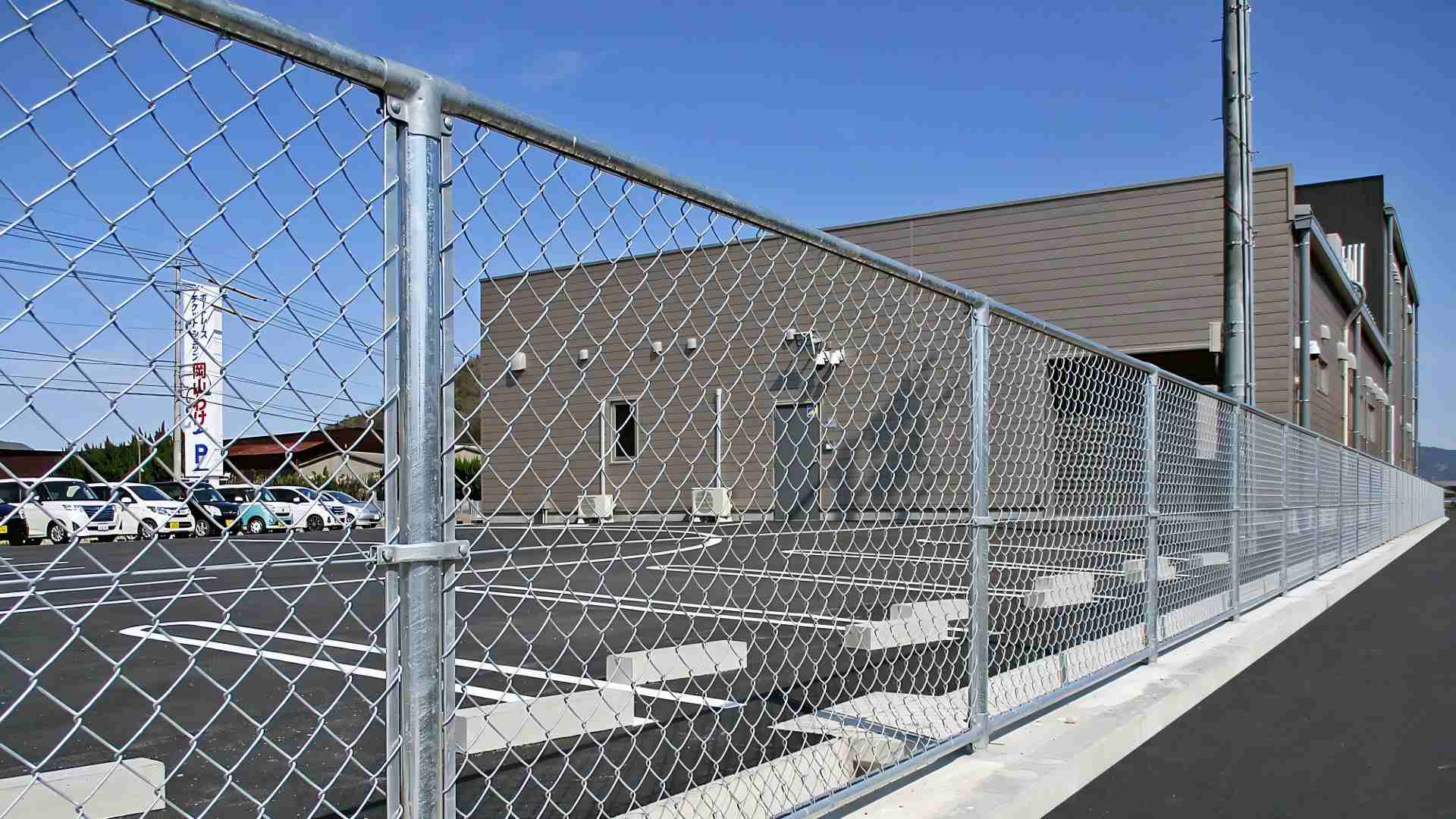
- Chain link fence
- Agricultural fencing
- Welded wire mesh
- Gabions
- Outdoor infrastructure
What Is Electro Galvanized Wire?
Electro galvanized wire is produced using an electroplating process.
A thin zinc layer is deposited onto the steel surface using electrical current.
Characteristics:
- Smooth surface finish
- Uniform appearance
- Thin zinc coating
- Lower production cost
Typical applications:
- Indoor wire mesh
- Light-duty fencing
- Wire products
- Decorative applications
Manufacturing Process Comparison
| Feature | Hot-Dip Galvanized | Electro Galvanized |
|---|---|---|
| Process | Immersion in molten zinc | Electroplating |
| Coating Bond | Metallurgical | Surface deposition |
| Surface Finish | Slightly rough | Smooth |
| Zinc Layer | Thick | Thin |
| Durability | Higher | Moderate |
Zinc Coating Thickness
The most important difference is coating thickness.
| Type | Typical Zinc Coating |
|---|---|
| Electro Galvanized | 10–30 g/m² |
| Light HDG | 40–100 g/m² |
| Heavy HDG | 200–300+ g/m² |
A thicker zinc coating generally provides longer corrosion protection.
Corrosion Resistance Comparison
Hot-Dip Galvanized Wire
Advantages:
- Excellent outdoor durability
- Suitable for humid environments
- Better protection against scratches
- Long-term corrosion resistance
Typical service life:
10–30+ years depending on environment.
Electro Galvanized Wire
Advantages:
- Attractive appearance
- Good indoor performance
- Economical solution
Typical service life:
3–10 years depending on exposure conditions.
Appearance Comparison
| Property | Hot-Dip Galvanized | Electro Galvanized |
|---|---|---|
| Surface Texture | Slightly rough | Smooth |
| Brightness | Matte silver | Bright silver |
| Consistency | Moderate | Very uniform |
| Decorative Use | Limited | Better |
Electro galvanized wire is often preferred when appearance is important.
Cost Comparison
Generally:
| Factor | Hot-Dip Galvanized | Electro Galvanized |
|---|---|---|
| Initial Cost | Higher | Lower |
| Maintenance Cost | Lower | Higher |
| Service Life | Longer | Shorter |
| Lifecycle Cost | Often Lower | Often Higher |
For long-term outdoor projects, HDG products typically provide better overall value.
Recommended Applications
Choose Hot-Dip Galvanized Wire For
- Chain link fence
- Welded wire fence
- Agricultural fencing
- Livestock fencing
- Outdoor mesh products
- Coastal environments
Choose Electro Galvanized Wire For
- Indoor applications
- Decorative wire products
- Temporary installations
- Low-corrosion environments
- Cost-sensitive projects
Comparison Table
| Property | Hot-Dip Galvanized Wire | Electro Galvanized Wire |
|---|---|---|
| Zinc Thickness | High | Low |
| Corrosion Resistance | Excellent | Good |
| Outdoor Use | Highly Recommended | Limited |
| Appearance | Industrial | Decorative |
| Service Life | Long | Moderate |
| Cost | Higher | Lower |
| Maintenance | Low | Moderate |
How to Specify Galvanized Wire
When requesting quotations, specify:
- Wire diameter
- Galvanizing process
- Zinc coating weight
- Tensile strength
- Coil weight
Example:
Material: Low Carbon Steel
Wire Diameter: 2.5 mm
Finish: Hot-Dip Galvanized
Zinc Coating: 245 g/m²
Tensile Strength: 450–550 MPa
Coil Weight: 500 kg
Common Buying Mistakes
Specifying Only “Galvanized Wire”
Always indicate whether HDG or EG is required.
Ignoring Zinc Coating Weight
Coating weight directly affects service life.
Selecting Based Only on Price
Lower-cost wire may result in more frequent replacement and higher maintenance costs.
Not Considering the Installation Environment
Outdoor and coastal projects usually require heavier zinc coatings.
Conclusion
Both hot-dip galvanized and electro galvanized wire provide corrosion protection, but they are designed for different environments and performance requirements.
For long-term outdoor use, agricultural fencing, and industrial projects, hot-dip galvanized wire is generally the preferred choice. Electro galvanized wire remains a practical and economical solution for indoor and light-duty applications.