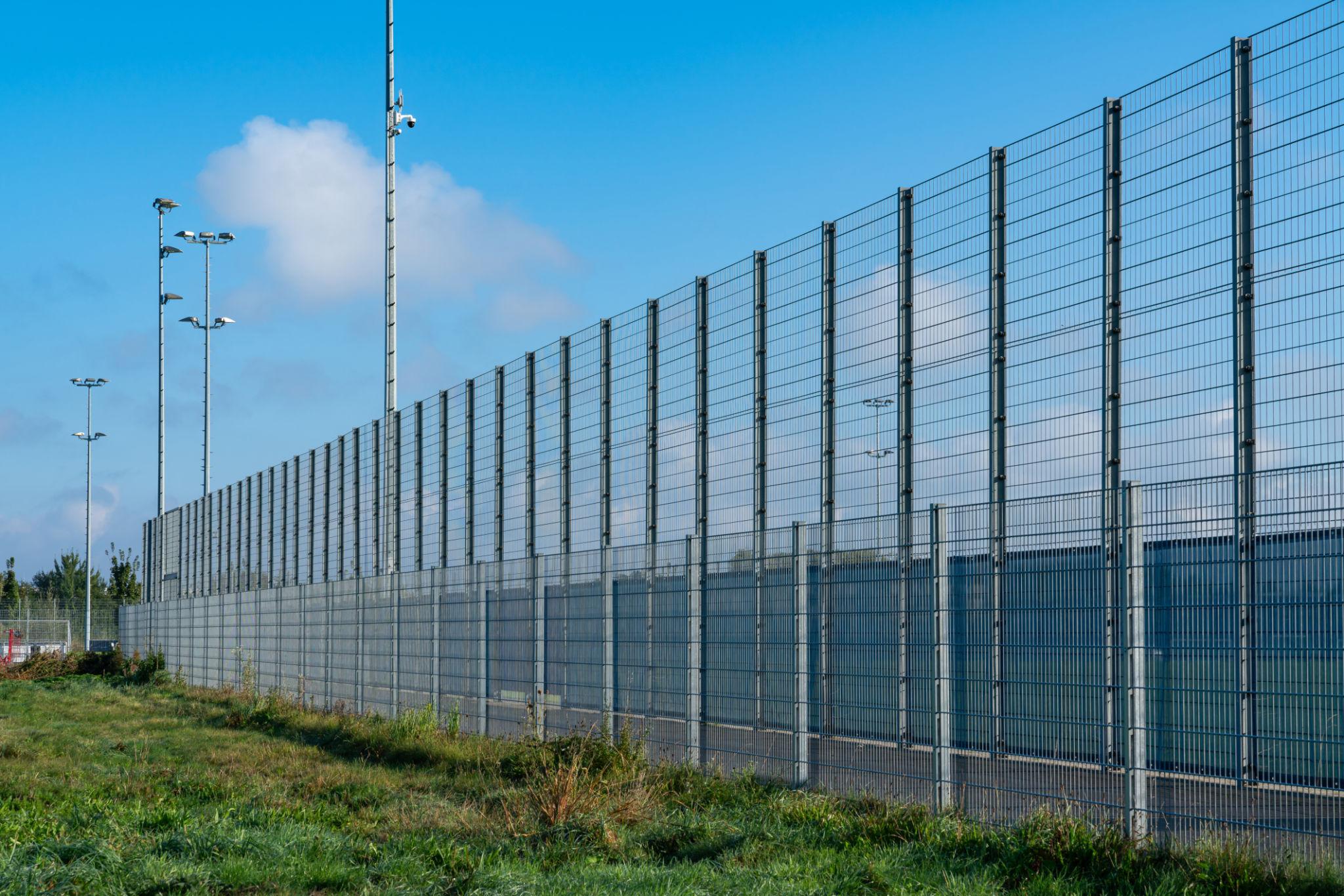
Introduction
When specifying a perimeter fencing system, project teams often focus on mesh type, coating, wire diameter, or installation cost. However, one of the most influential design factors is often overlooked: fence height.
The height of a security fence directly affects deterrence, intrusion resistance, visibility, and overall site protection. A fence that is too low may fail to discourage unauthorized access, while an unnecessarily tall fence can increase costs without providing proportional benefits.
Whether protecting a warehouse, logistics center, manufacturing facility, school campus, or critical infrastructure site, selecting the appropriate fence height is essential for balancing security, functionality, and budget.
This guide explains how fence height impacts perimeter protection and provides recommendations for common applications.
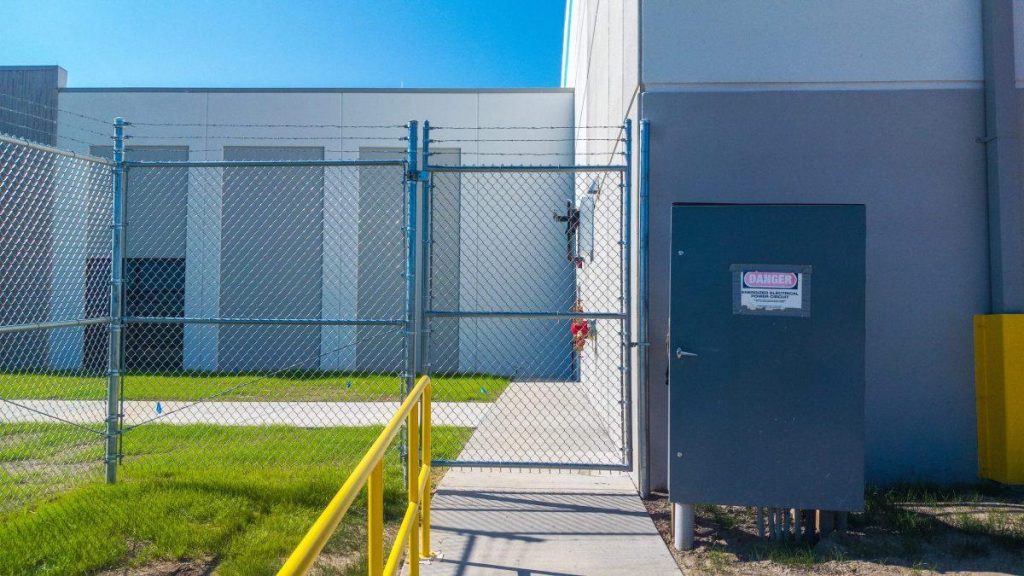
Why Fence Height Matters
Fence height influences security in several ways.
A taller fence generally:
- Increases climbing difficulty
- Improves visual deterrence
- Extends intrusion time
- Supports additional security features
- Enhances perimeter control
However, height alone does not guarantee better security.
Effective perimeter protection depends on combining height with:
- Fence design
- Mesh configuration
- Access control
- Surveillance systems
- Site management practices
Key Security Benefits of Taller Fences
Increased Deterrence
Most unauthorized intrusions are opportunistic.
A taller fence creates a stronger psychological barrier and signals that the property is actively protected.
Visible security measures often discourage intrusion attempts before they occur.
Longer Breach Time
The more time required to climb or breach a fence, the greater the opportunity for detection and response.
This is particularly important for facilities with:
- Security patrols
- CCTV monitoring
- Intrusion detection systems
Better Integration with Security Features
Higher fencing systems can accommodate:
- Barbed wire
- Razor wire
- Anti-climb extensions
- Security lighting
- Detection sensors
These additions significantly improve perimeter performance.
Common Security Fence Heights
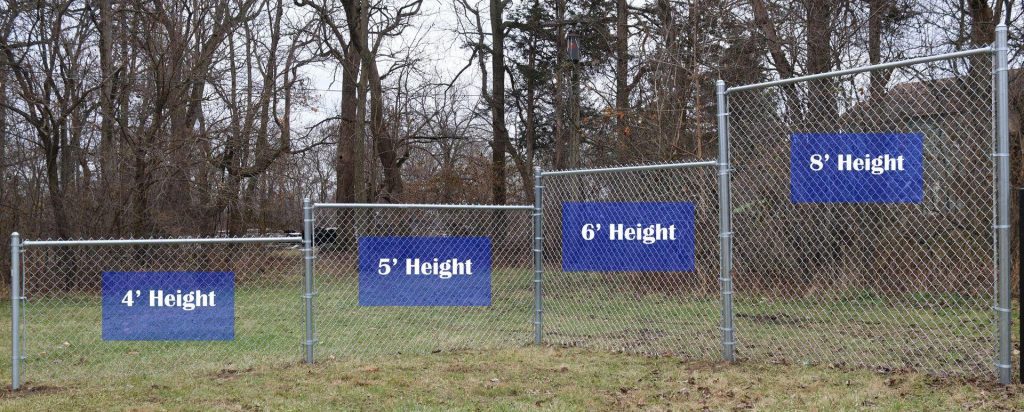
1.2–1.5 m (4–5 ft)
Applications:
- Parks
- Recreational areas
- Property boundaries
Security Level: Low
Primary Purpose: Boundary definition rather than intrusion prevention.
1.8 m (6 ft)
Applications:
- Commercial properties
- Light industrial facilities
- Schools
Security Level: Moderate
This is one of the most commonly specified fence heights worldwide.
2.4 m (8 ft)
Applications:
- Warehouses
- Distribution centers
- Manufacturing plants
Security Level: High
Provides a noticeable increase in anti-climb performance and visual deterrence.
3.0 m+ (10 ft and above)
Applications:
- Data centers
- Utilities
- Airports
- Critical infrastructure
Security Level: Very High
Often combined with anti-climb mesh and additional security measures.
Security Fence Height Comparison Table
| Height | Security Level | Typical Applications |
|---|---|---|
| 1.2–1.5 m | Low | Parks, boundaries |
| 1.8 m | Moderate | Schools, commercial sites |
| 2.0–2.4 m | High | Warehouses, logistics centers |
| 3.0 m | Very High | Utilities, infrastructure |
| 3.6–4.0 m | Maximum | Airports, critical facilities |
Fence Type and Height Considerations
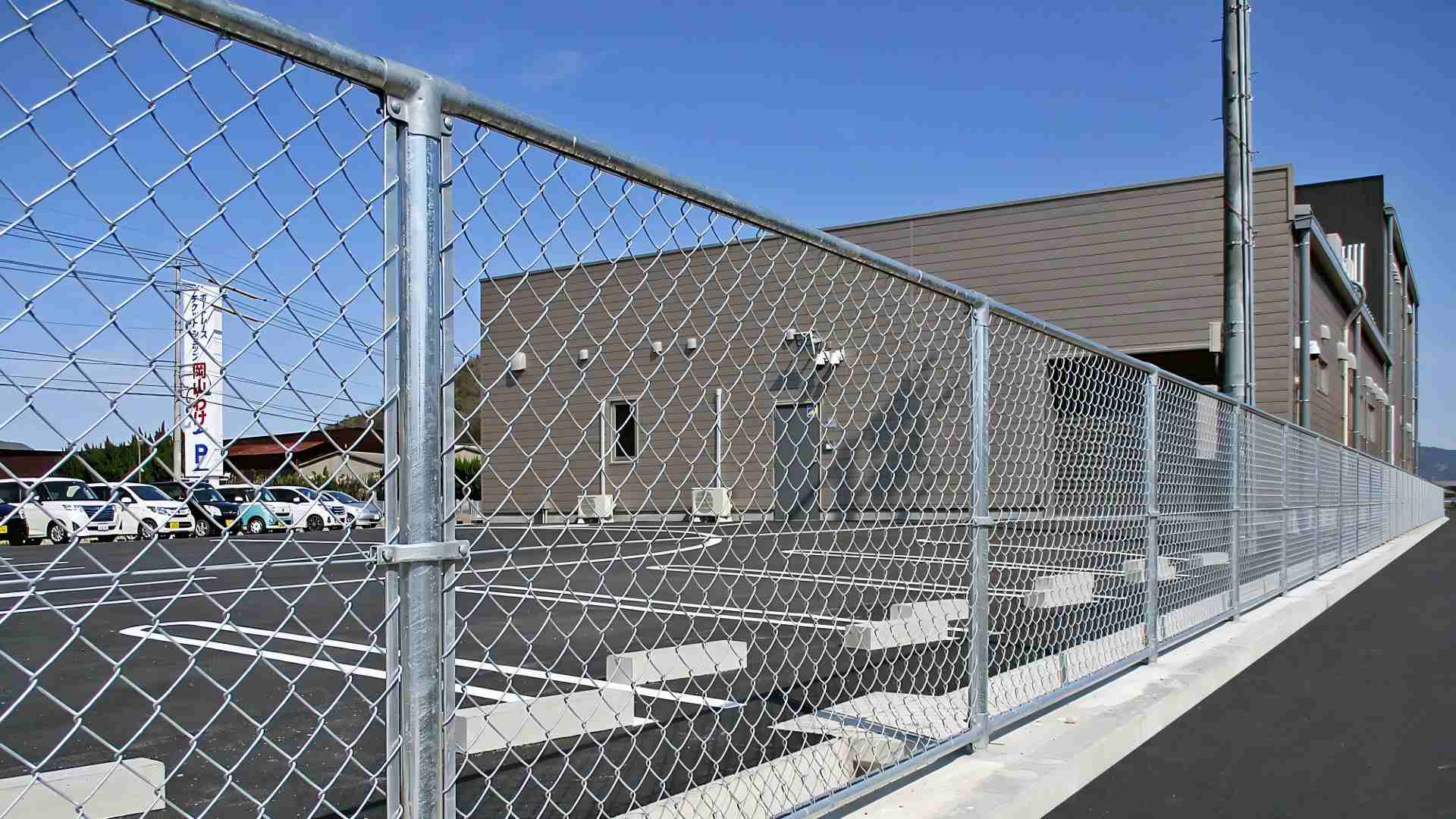
Chain Link Fence
Chain link systems commonly use:
- 1.8 m
- 2.0 m
- 2.4 m
For higher-security applications, barbed wire extensions are often added.
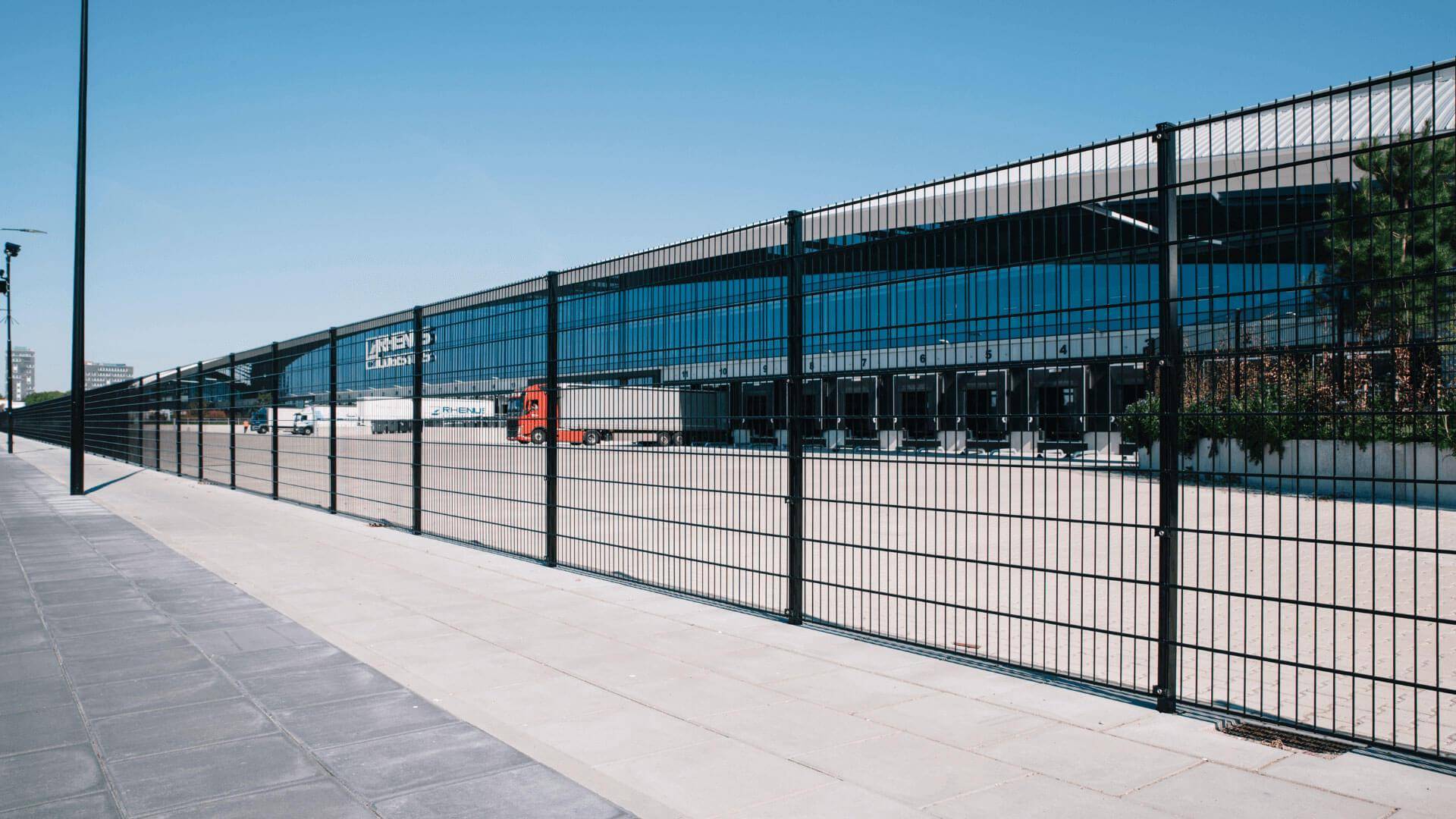
Welded Wire Fence
Common heights include:
- 1.8 m
- 2.0 m
- 2.4 m
The rigid panel design improves security performance compared to chain link systems of the same height.
358 Security Fence
Typically specified at:
- 2.4 m
- 3.0 m
- 3.6 m
The anti-climb mesh design enhances security beyond what height alone can achieve.
Recommended Specifications Table
| Facility Type | Recommended Height | Recommended Fence |
|---|---|---|
| School Campus | 1.8–2.0 m | Welded Wire Fence |
| Public Park | 1.2–1.8 m | Chain Link Fence |
| Warehouse | 2.0–2.4 m | Chain Link / Welded Wire |
| Logistics Center | 2.4 m | Welded Wire Fence |
| Manufacturing Facility | 2.4 m | Chain Link Fence |
| Utility Compound | 3.0 m | Welded Wire Fence |
| Data Center | 3.0–3.6 m | 358 Security Fence |
| Airport Facility | 3.6–4.0 m | 358 Security Fence |
Facility Selection Guide
| Facility | Height Priority |
|---|---|
| Public Facility | Visibility + Accessibility |
| Commercial Property | Appearance + Security |
| Warehouse | Security + Cost Efficiency |
| Distribution Center | Security + Deterrence |
| Critical Infrastructure | Maximum Protection |
Common Specification Mistakes
Assuming Taller Always Means Better
Fence design is often more important than height alone.
A 2.4 m anti-climb welded mesh fence may outperform a taller standard chain link fence.
Ignoring Local Regulations
Municipal codes and zoning regulations may restrict fence height.
Always verify local requirements before specification.
Overlooking Operational Needs
Excessive fence heights can affect visibility and increase installation costs without providing meaningful security improvements.
Neglecting Gate Security
Perimeter protection is only as strong as its weakest access point.
Gate systems should match the security level of the fence itself.
Conclusion
Fence height plays a critical role in perimeter protection, influencing deterrence, intrusion resistance, and overall site security. However, height should be considered alongside fence design, mesh type, coating system, and access control measures.
For most commercial and industrial facilities, fence heights between 1.8 and 2.4 meters provide an effective balance of security and cost. Higher-security applications may require 3.0 meters or more combined with anti-climb mesh systems and additional security enhancements.
By aligning fence height with operational and security requirements, project planners can create a perimeter solution that delivers long-term performance and value.