Introduction
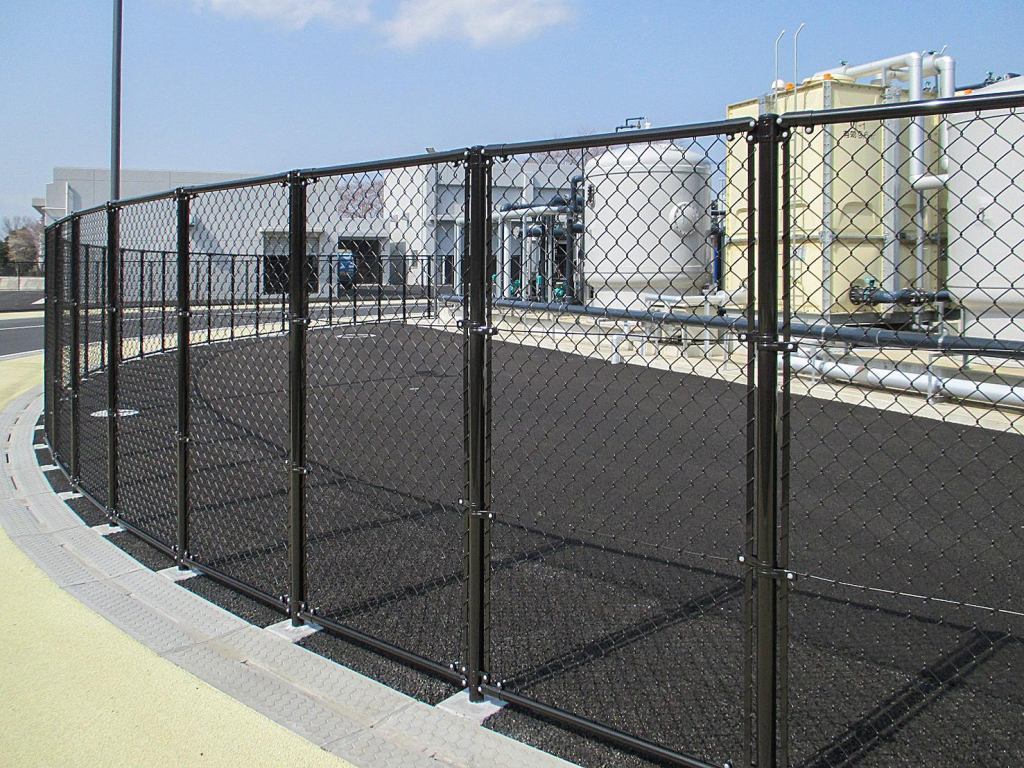
Chain link fencing is one of the most widely used perimeter protection systems in the world. It offers an excellent balance of security, durability, visibility, and cost-effectiveness.
However, not all chain link fences are the same.
Fence performance depends on several factors, including wire diameter, mesh opening, fence height, coating type, and environmental conditions.
This guide explains how to select the most suitable chain link fence for your specific application.
Step 1: Define Your Application
The first step is understanding the purpose of the fence.
Different applications require different specifications.
| Application | Main Requirement |
|---|---|
| Residential Property | Boundary Definition |
| Commercial Facility | Property Protection |
| Industrial Site | Security |
| Warehouse | Access Control |
| Sports Facility | Ball Containment |
| Agricultural Land | Livestock Control |
| Government Facility | High Security |
Step 2: Select the Appropriate Wire Diameter
Wire diameter directly affects strength and service life.
Typical Wire Diameters
| Wire Diameter | Recommended Use |
|---|---|
| 2.5 mm | Residential |
| 3.0 mm | Commercial |
| 3.5 mm | Industrial |
| 4.0 mm | Security Fence |
| 5.0 mm | High Security Fence |
General Recommendation
For most industrial and commercial projects:
3.0–3.5 mm wire diameter
provides a good balance between durability and cost.
Step 3: Choose the Correct Mesh Opening
Mesh opening affects visibility, containment, and security.
Common Mesh Sizes
| Opening Size | Typical Application |
|---|---|
| 40 × 40 mm | High Security |
| 50 × 50 mm | Commercial & Industrial |
| 60 × 60 mm | General Purpose |
| 75 × 75 mm | Residential |
| 100 × 100 mm | Agricultural |
Security Consideration
Smaller mesh openings:
- Increase climbing difficulty
- Improve containment
- Enhance security performance
Step 4: Determine Fence Height
Fence height is one of the most important security factors.
Recommended Heights
| Height | Application |
|---|---|
| 1.2 m | Residential |
| 1.5 m | Commercial |
| 1.8 m | General Security |
| 2.4 m | Industrial Security |
| 3.0 m+ | High Security |
Industrial Recommendation
For warehouses, factories, and logistics facilities:
1.8–2.4 m
is commonly specified.
Step 5: Select the Right Coating
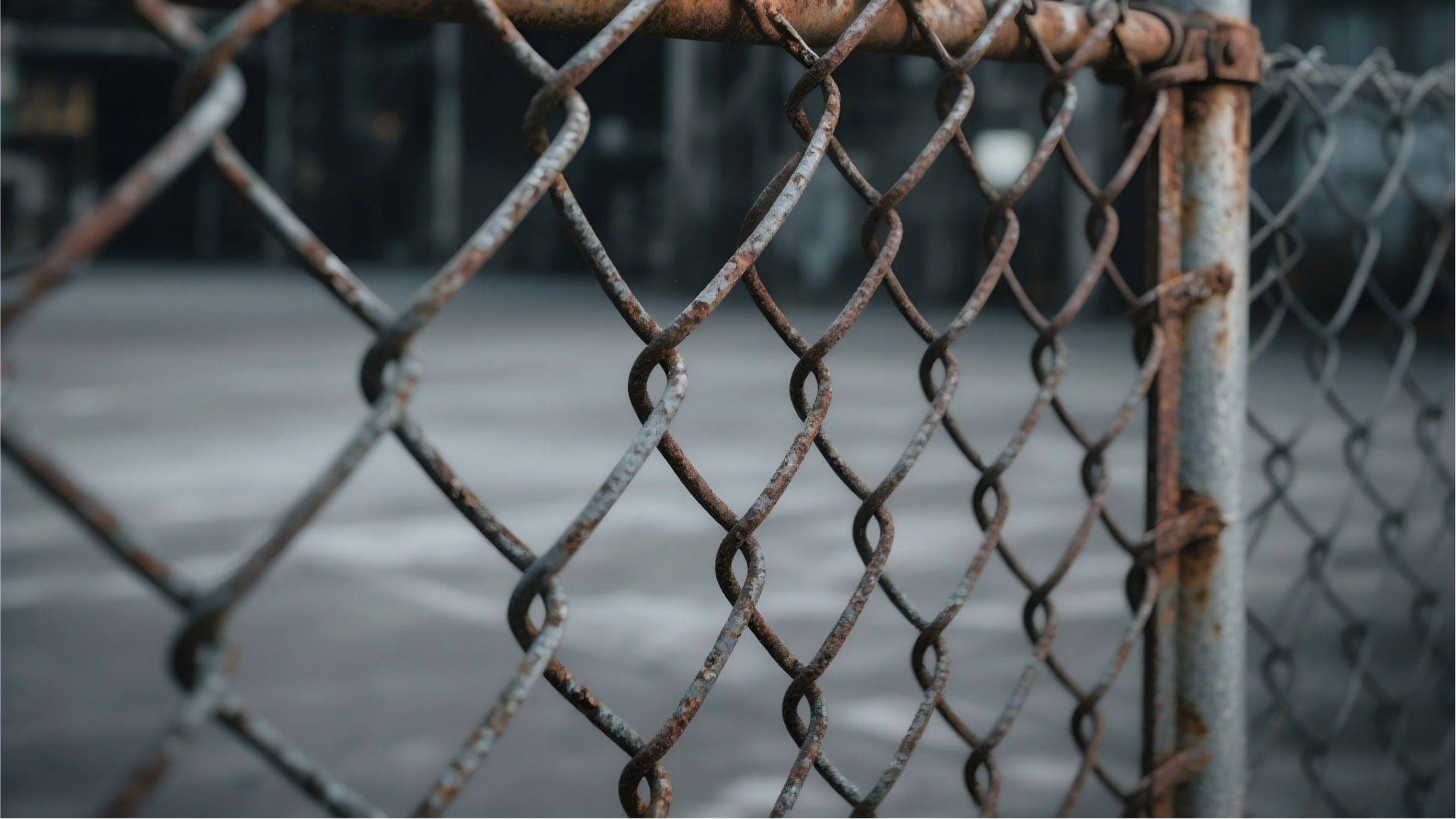
Coating selection directly impacts corrosion resistance.
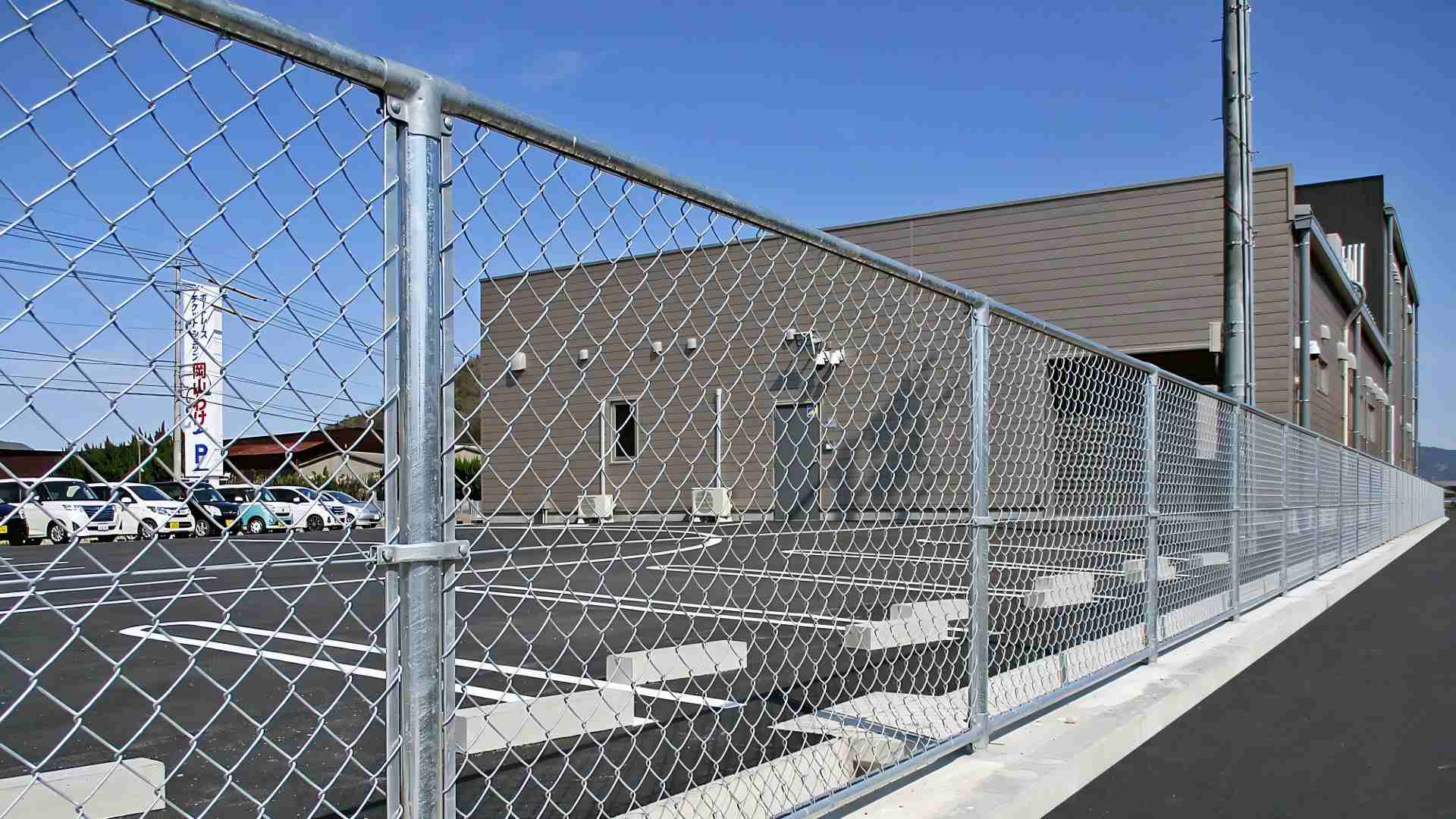
Hot-Dip Galvanized Chain Link Fence
Advantages:
- Excellent corrosion resistance
- Long service life
- Cost-effective
Recommended for:
- Industrial sites
- Warehouses
- Infrastructure projects
PVC Coated Chain Link Fence
Advantages:
- Additional weather protection
- Improved appearance
- Multiple color options
Recommended for:
- Schools
- Parks
- Sports facilities
- Residential developments
Comparison Table
| Property | Hot-Dip Galvanized | PVC Coated |
|---|---|---|
| Corrosion Resistance | Excellent | Excellent |
| Appearance | Industrial | Decorative |
| Color Options | No | Yes |
| Cost | Lower | Higher |
Step 6: Evaluate Environmental Conditions
Environmental exposure affects material selection.
| Environment | Recommended Fence Type |
|---|---|
| Dry Inland Areas | Galvanized |
| Humid Regions | Heavy Zinc Coating |
| Coastal Areas | Heavy HDG or PVC Coated |
| Industrial Zones | HDG + PVC Coated |
| Chemical Facilities | Specialized Materials |
Step 7: Consider Fence Framework
A chain link fence is only as strong as its supporting framework.
Key components include:
- Line posts
- Terminal posts
- Top rails
- Tension bars
- Tension bands
Typical Post Sizes
| Component | Typical Diameter |
|---|---|
| Line Post | 48–60 mm |
| Terminal Post | 60–89 mm |
| Top Rail | 32–42 mm |
Step 8: Define Security Enhancements
Additional security features may include:
- Barbed wire
- Razor wire
- Privacy slats
- Anti-climb extensions
- Security gates
These upgrades are commonly used for industrial and government facilities.
Example Chain Link Fence Specification
A complete RFQ should include:
Product: Chain Link Fence
Material: Low Carbon Steel
Wire Diameter: 3.5 mm
Mesh Opening: 50 × 50 mm
Fence Height: 2400 mm
Finish: Hot-Dip Galvanized
Line Post: 60 mm OD
Top Rail: 42 mm OD
Quantity: 500 Linear Meters
Common Buying Mistakes
Specifying Only Fence Height
Wire diameter and mesh opening are equally important.
Ignoring Coating Requirements
Corrosion protection significantly affects service life.
Choosing the Lowest Price
Lifecycle cost is often more important than initial purchase cost.
Not Considering Security Requirements
Different applications require different fence configurations.
Recommended Specifications by Application
| Application | Recommended Specification |
|---|---|
| Residential | 2.5 mm / 75 mm Mesh |
| Commercial | 3.0 mm / 50 mm Mesh |
| Industrial | 3.5 mm / 50 mm Mesh |
| Warehouse Security | 4.0 mm / 50 mm Mesh |
| Sports Facility | PVC Coated 3.0 mm |
| High Security | 4.0 mm + Barbed Wire |
Conclusion
Selecting the right chain link fence requires balancing security, durability, appearance, and budget. By carefully evaluating wire diameter, mesh opening, fence height, coating type, and environmental conditions, buyers can ensure long-term performance and value.