Introduction
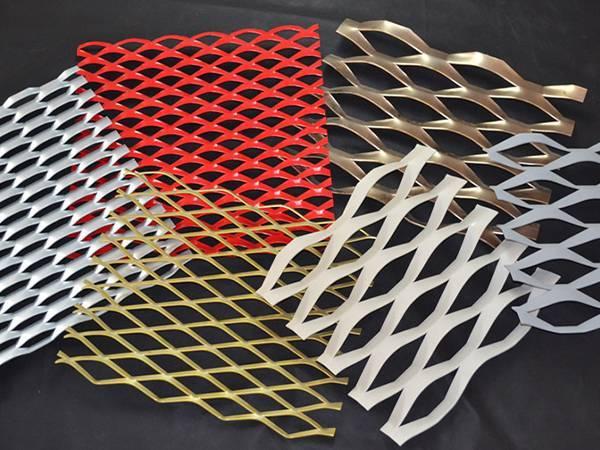
Expanded metal is widely used for walkways, platforms, security screens, machine guards, architectural facades, and industrial applications.
However, many quotation requests provide only basic information such as “expanded metal mesh,” which is insufficient for accurate pricing and production.
This guide explains the specifications buyers should provide when ordering expanded metal.
Step 1: Specify the Material
Material selection determines strength, corrosion resistance, and service life.
Common Materials
| Material | Typical Use |
|---|---|
| Carbon Steel | General Industrial Use |
| Galvanized Steel | Outdoor Applications |
| Stainless Steel 304 | Corrosive Environments |
| Stainless Steel 316 | Marine Applications |
| Aluminum | Lightweight Structures |
Step 2: Understand SWD and LWD
Two critical dimensions define expanded metal openings.
SWD
Short Way of Diamond
LWD
Long Way of Diamond
Example
SWD = 25 mm
LWD = 60 mm
These dimensions determine opening size and open area.
Step 3: Specify Strand Width
Strand width refers to the metal width between openings.
Wider strands provide:
- Higher strength
- Better load capacity
Narrower strands provide:
- Lower weight
- Greater open area
Step 4: Specify Thickness
Thickness affects:
- Structural strength
- Weight
- Cost
Typical range:
| Thickness | Typical Use |
|---|---|
| 1.5 mm | Screens |
| 2.0 mm | Guards |
| 3.0 mm | Walkways |
| 4.5 mm+ | Heavy Duty Platforms |
Step 5: Choose Raised or Flattened Expanded Metal
Raised Expanded Metal
Characteristics:
- Original expanded form
- Greater rigidity
- Better traction
Applications:
- Walkways
- Security fencing
Flattened Expanded Metal
Characteristics:
- Rolled flat
- Smooth surface
- Easier fabrication
Applications:
- Architectural panels
- Decorative applications
Step 6: Select Surface Finish
| Finish | Typical Use |
|---|---|
| Mill Finish | Indoor Use |
| Hot-Dip Galvanized | Outdoor Use |
| Powder Coated | Architectural Applications |
| Stainless Steel Finish | Corrosive Environments |
Step 7: Specify Sheet Dimensions
Provide:
- Width
- Length
- Quantity
Example:
Sheet Size: 1220 mm × 2440 mm
Quantity: 500 Sheets
Example RFQ
A complete RFQ should include:
Material: Galvanized Steel
Type: Raised Expanded Metal
SWD: 25 mm
LWD: 60 mm
Strand Width: 4.0 mm
Thickness: 3.0 mm
Sheet Size: 1220 × 2440 mm
Quantity: 300 Sheets
Common Ordering Mistakes
Providing Only SWD and LWD
Thickness and strand width are also required.
Forgetting Surface Finish
Finish significantly affects cost and service life.
Not Specifying Raised or Flattened
Different applications require different types.
Omitting Sheet Size
Dimensions directly impact production and shipping.
Conclusion
Ordering expanded metal accurately requires a clear understanding of material, opening dimensions, strand width, thickness, finish, and sheet size. Providing complete specifications helps suppliers quote more accurately and ensures the final product meets project requirements.