Introduction
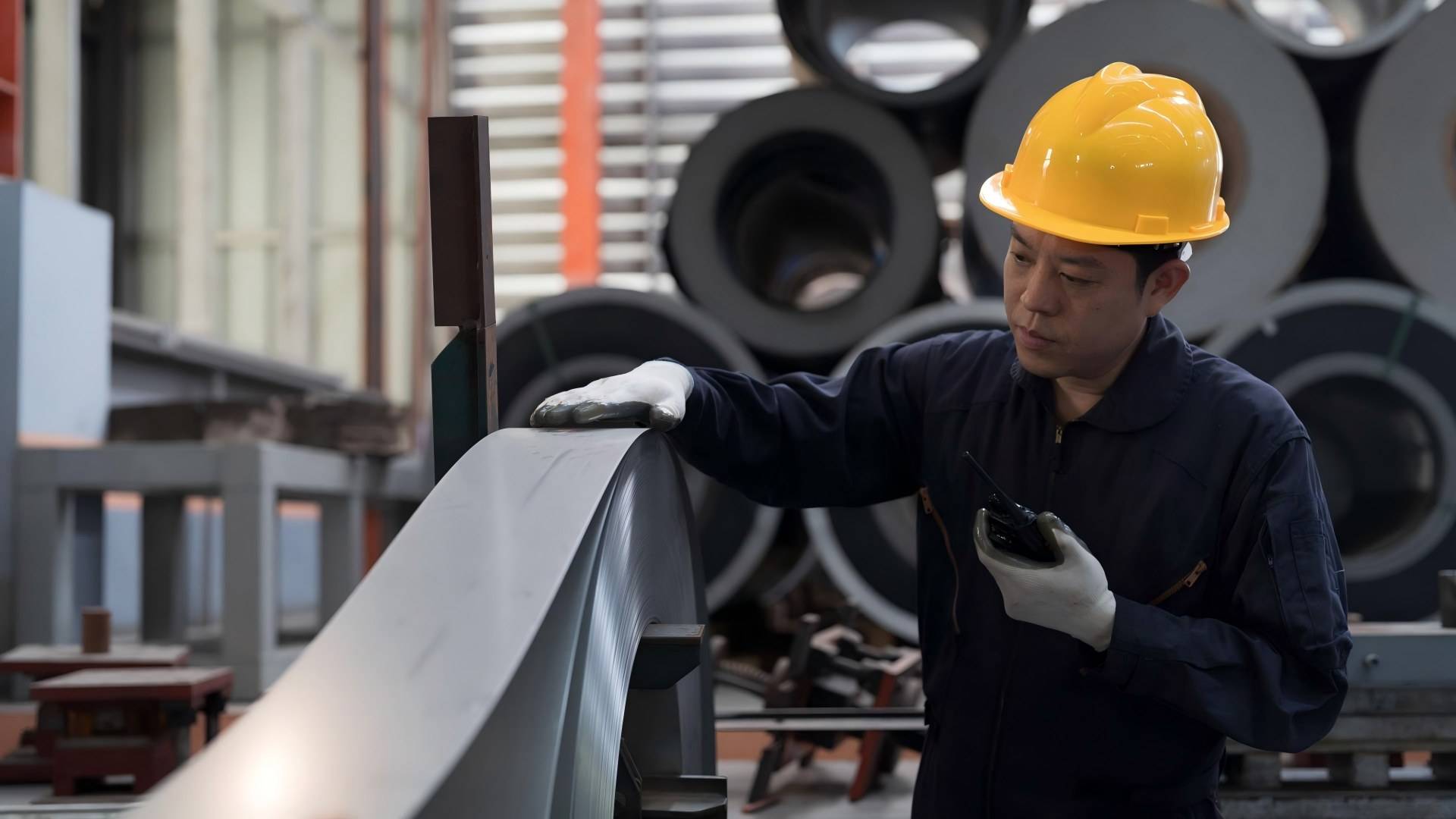
Manufacturing facilities face a unique set of security challenges that extend well beyond protecting property boundaries. Modern factories house valuable production equipment, raw materials, finished products, and sensitive operational data. At the same time, they accommodate employees, contractors, suppliers, and visitors moving through the site every day.
An effective perimeter security system is the first line of defense against unauthorized access, theft, vandalism, and operational disruptions. However, selecting the right fencing solution requires more than simply installing a barrier. Manufacturers must consider security risks, production workflows, environmental conditions, maintenance requirements, and future expansion plans.
This guide outlines the essential considerations for designing secure factory perimeters and selecting fencing systems that support long-term industrial operations.
Why Manufacturing Facilities Require Specialized Perimeter Security
Unlike warehouses or commercial properties, manufacturing plants often contain high-value machinery, hazardous materials, and restricted production areas. These factors demand a more comprehensive approach to perimeter protection.
A properly designed perimeter security system helps manufacturers:
- Prevent unauthorized entry
- Protect production equipment and inventory
- Safeguard employees and visitors
- Reduce theft and vandalism
- Support regulatory compliance
- Enhance operational continuity
Perimeter fencing also establishes clear property boundaries, helping control access to loading areas, employee parking, utility zones, and restricted production sections.
Assessing Security Risks Before Selecting a Fence
Every manufacturing facility has unique operational requirements. Before choosing a fencing system, project owners should conduct a thorough assessment of potential security risks.
Facility Location
Factories located in urban industrial parks may require different security measures than facilities in remote manufacturing zones. Nearby infrastructure, public access, and surrounding land use all influence perimeter design.
Type of Manufacturing
The level of security should correspond to the nature of production. Facilities producing consumer goods typically have different requirements from those manufacturing pharmaceuticals, electronics, or critical infrastructure components.
Operational Schedule
Manufacturing plants operating 24/7 generally require enhanced perimeter security, including surveillance integration and controlled access points, compared with facilities operating only during standard business hours.
Choosing the Right Fencing System
Selecting the appropriate fencing system depends on balancing security performance, durability, maintenance, and budget.
| Fence Type | Best Suited For | Key Advantages |
|---|---|---|
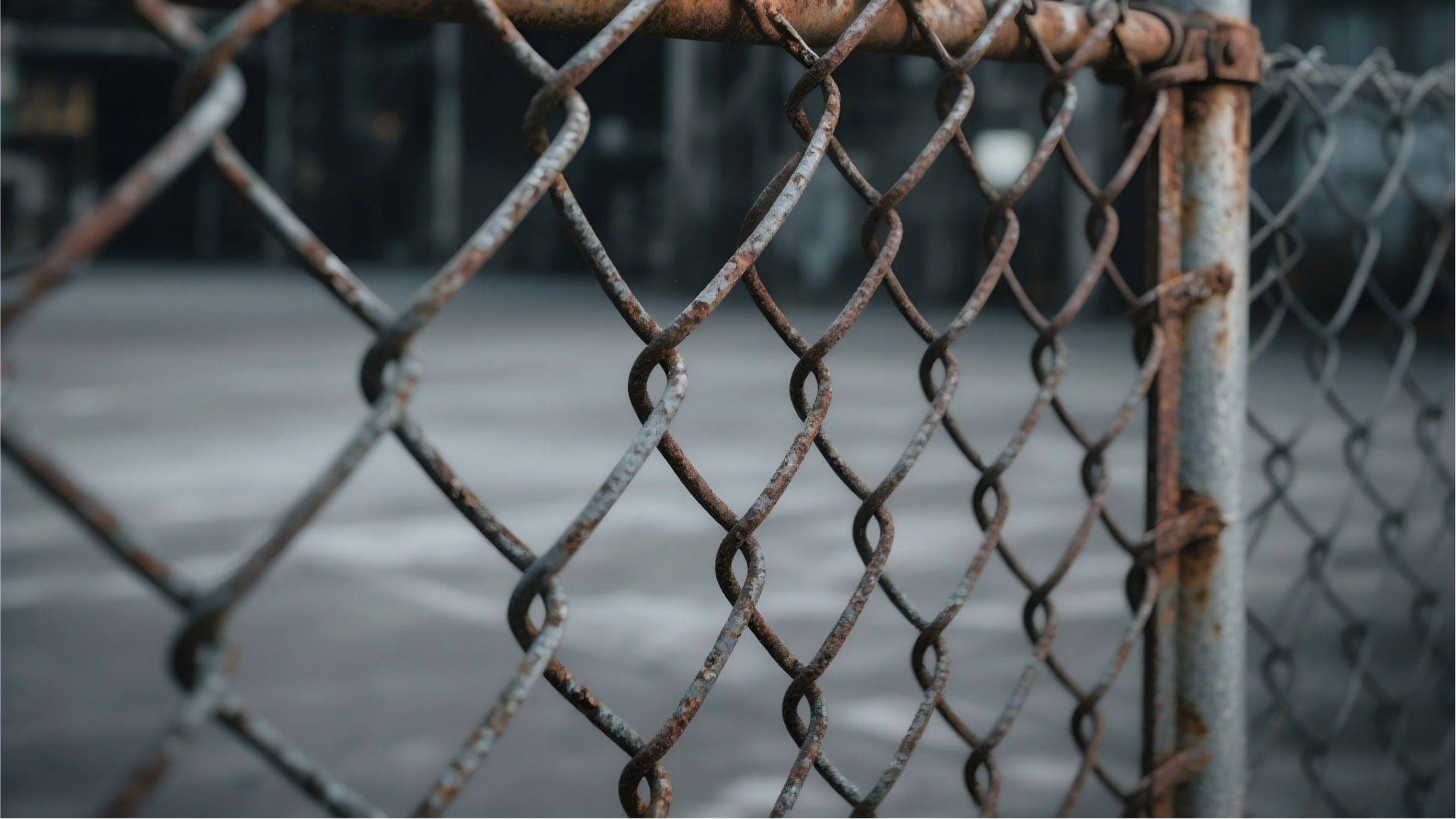
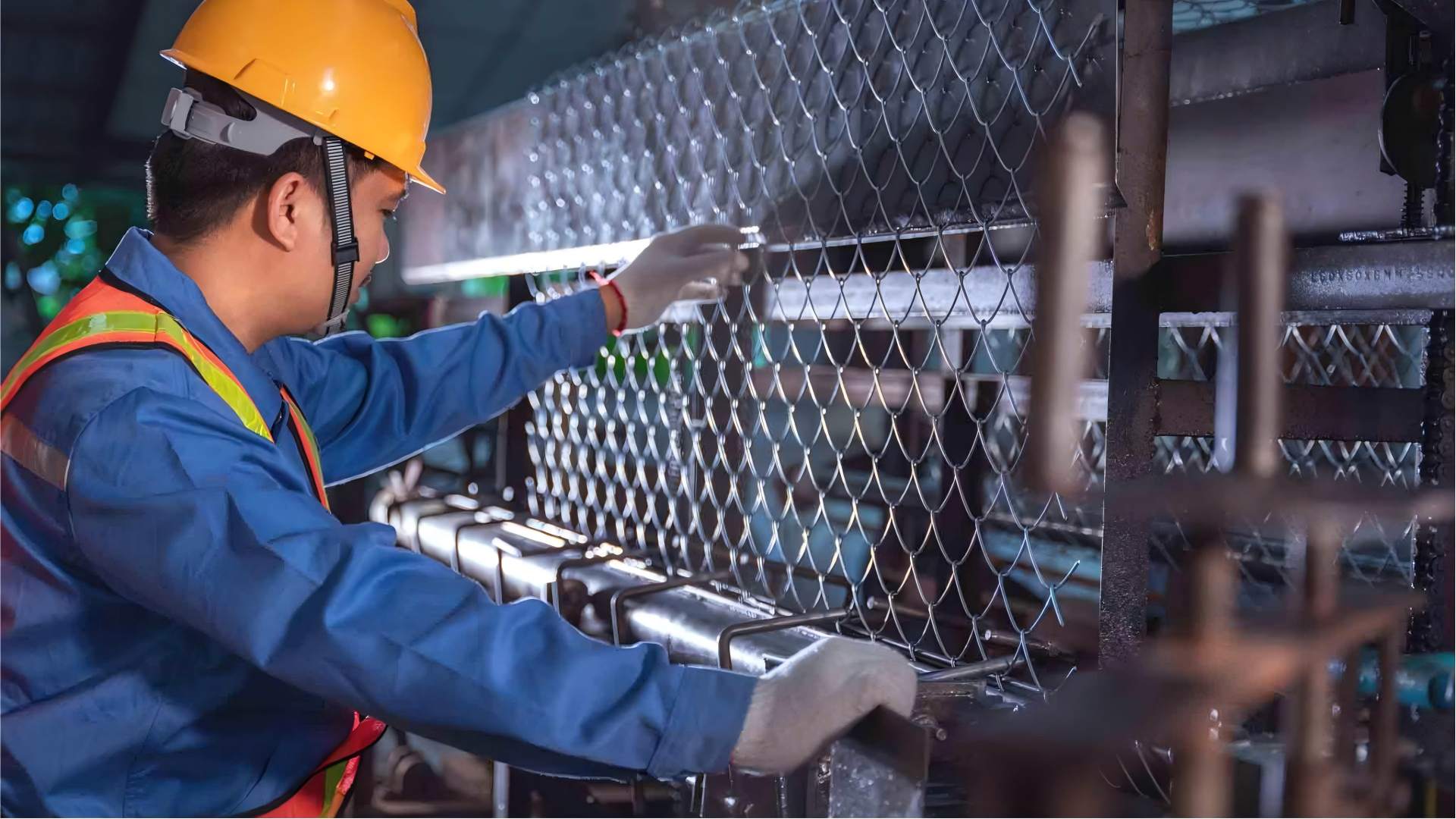
| Chain Link Fence | Large industrial sites | Cost-effective, excellent visibility, easy installation |
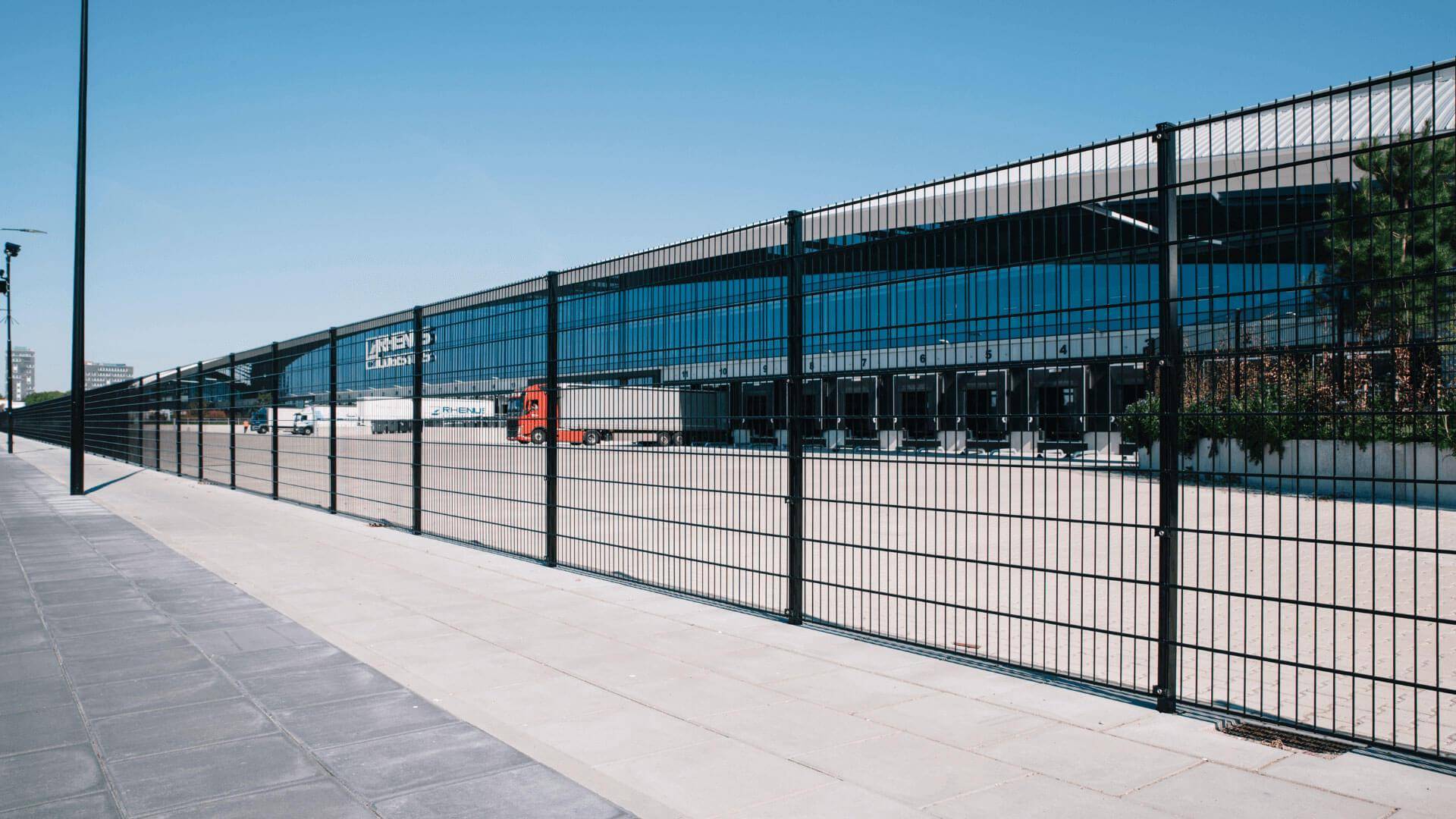
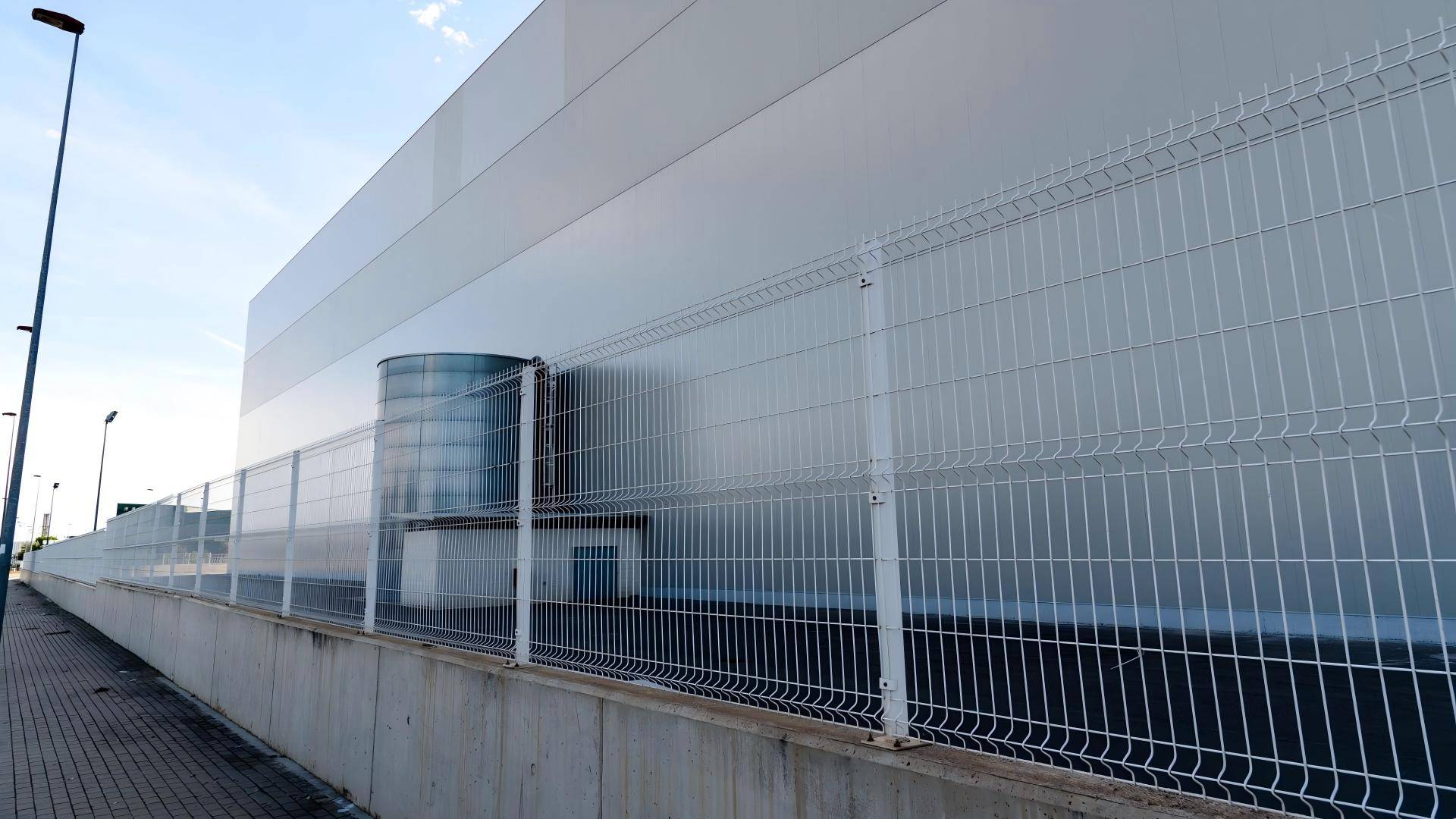
| Welded Wire Fence | Modern manufacturing plants | Strong, rigid, anti-climb, professional appearance |
| 358 Security Fence | High-security facilities | Maximum resistance to climbing and cutting |
| Palisade Fence | Critical infrastructure | High deterrence, heavy-duty construction |
For many general manufacturing applications, galvanized chain link fencing provides an economical solution with low maintenance requirements. Facilities requiring higher levels of protection often benefit from welded wire or 358 security fencing, particularly when integrated with access control and surveillance systems.
Integrating Physical and Electronic Security
Modern manufacturing facilities achieve the highest level of protection by combining physical barriers with electronic security systems. While industrial fencing establishes the first line of defense, technologies such as surveillance cameras, intrusion detection systems, and controlled access points provide additional layers of security.
An integrated security approach enables facility managers to detect potential threats early, monitor site activity, and respond quickly to security incidents.
Common security components include:
- High-definition CCTV cameras
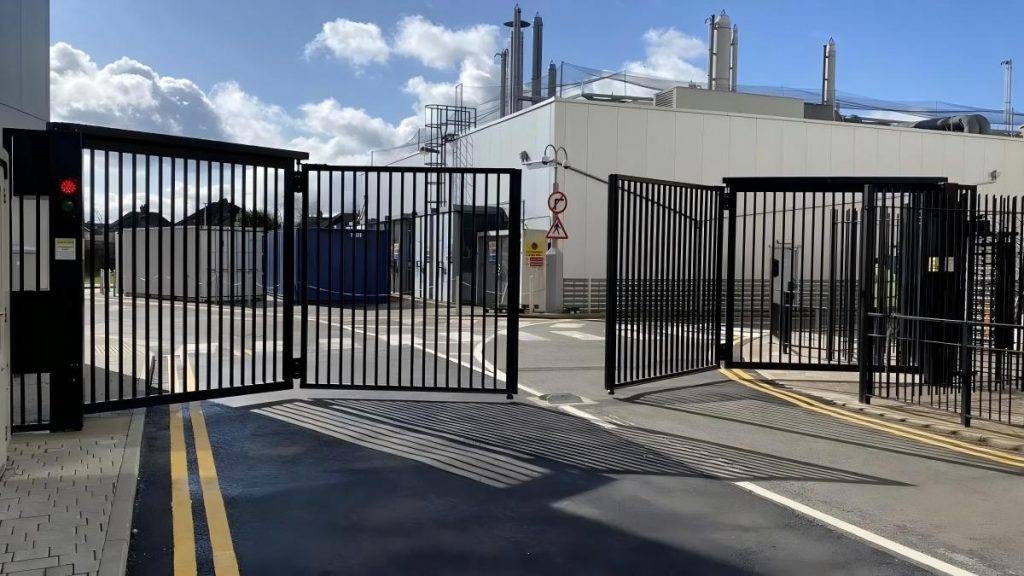
- Automatic vehicle gates
- Employee access card systems
- Visitor management systems
- Motion detection sensors
- Perimeter lighting
- Alarm monitoring systems
These systems work together with perimeter fencing to improve overall site security without disrupting daily operations.
Selecting the Appropriate Fence Height
Fence height should be determined based on the facility’s operational risks, surrounding environment, and local regulations. Higher fences generally provide increased deterrence but should be balanced with accessibility and maintenance considerations.
| Manufacturing Facility | Recommended Fence Height | Typical Fence Type |
|---|---|---|
| General Manufacturing Plant | 1.8–2.1 m | Chain Link Fence |
| Heavy Industrial Facility | 2.1–2.4 m | Welded Wire Fence |
| Electronics Manufacturing | 2.4–3.0 m | 358 Security Fence |
| Pharmaceutical Plant | 2.4–3.6 m | 358 Security Fence |
| Critical Infrastructure | 3.0 m+ | High-Security Fence System |
Higher-security facilities may also incorporate anti-climb features or secure topping systems where permitted by local regulations.
Environmental Considerations
Manufacturing plants are often exposed to challenging environmental conditions that can affect fence performance over time.
Choosing the appropriate material and protective finish is essential for reducing maintenance costs and extending service life.
| Operating Environment | Recommended Material | Recommended Finish |
|---|---|---|
| Inland Industrial Area | Carbon Steel | Hot-Dip Galvanized |
| Coastal Manufacturing | Carbon Steel | Galvanized + PVC Coated |
| Chemical Processing | Stainless Steel | Natural Stainless Finish |
| Food Processing | Stainless Steel 304/316 | Natural Stainless Finish |
| High Humidity Regions | Carbon Steel | Powder Coated over Galvanized |
Selecting materials based on the operating environment helps minimize corrosion, maintain structural integrity, and reduce lifecycle costs.
Best Practices for Factory Perimeter Design
A well-designed perimeter should support both security objectives and operational efficiency. The following practices are commonly recommended for industrial manufacturing facilities.
| Design Element | Recommendation |
|---|---|
| Vehicle Gates | Separate entrances for trucks and passenger vehicles |
| Pedestrian Access | Dedicated employee and visitor gates |
| Visibility | Maintain clear sightlines for surveillance and patrols |
| Lighting | Continuous illumination along the perimeter |
| Landscaping | Keep vegetation away from fencing to prevent concealment |
| Maintenance Access | Provide sufficient clearance for inspection and repairs |
Early coordination between security planners, facility managers, and project engineers can help avoid costly modifications during construction or future expansion.
Common Mistakes to Avoid
Several common issues can reduce the effectiveness of a manufacturing facility’s perimeter security.
Choosing fencing based only on price
The lowest initial cost does not always provide the best long-term value. Investing in higher-quality materials and protective coatings often reduces maintenance and replacement expenses.
Ignoring future expansion
Manufacturing operations frequently grow over time. Selecting modular fencing systems allows the perimeter to be extended more efficiently as production capacity increases.
Overlooking access management
An effective fence should facilitate secure movement of employees, visitors, and delivery vehicles while minimizing unauthorized access.
Using unsuitable materials
Environmental exposure should always influence material selection. Facilities in corrosive environments require more durable finishes or stainless steel components to achieve the expected service life.
Conclusion
Perimeter security is an essential component of modern manufacturing facility design. A carefully selected fencing system helps protect employees, equipment, inventory, and production processes while supporting efficient day-to-day operations.
Chain link fencing continues to offer a practical and economical solution for many industrial sites, while welded wire and 358 security fencing provide enhanced protection for facilities with higher security requirements. By considering factors such as operational risk, environmental conditions, access control, and future expansion, manufacturers can implement perimeter security solutions that deliver long-term performance and reliability.
Working with experienced suppliers who understand industrial applications ensures that fencing systems are specified to meet both operational needs and project objectives.
FAQ
What is the most common fence used around manufacturing facilities?
Chain link fencing is widely used because it provides a cost-effective balance of security, visibility, and durability. Welded wire fencing is increasingly selected for facilities requiring enhanced security and a more modern appearance.
Is welded wire fencing more secure than chain link fencing?
Yes. Welded wire fencing offers greater rigidity and improved resistance to climbing and cutting, making it suitable for manufacturing facilities with higher security requirements.
Which fence material is best for corrosive industrial environments?
Hot-dip galvanized steel is suitable for most industrial applications. For highly corrosive environments, such as chemical processing plants or coastal facilities, stainless steel or galvanized fencing with additional protective coatings is recommended.
Should manufacturing facilities integrate fencing with surveillance systems?
Yes. Combining perimeter fencing with CCTV, access control, lighting, and intrusion detection systems provides multiple layers of protection and improves overall security management.