Introduction
Agricultural operations often span large areas and contain valuable assets, including crops, machinery, fuel storage systems, warehouses, and livestock facilities. As farms become more mechanized and productive, protecting these assets becomes increasingly important.
Perimeter fencing provides a practical and cost-effective solution for defining property boundaries, controlling access, and reducing the risk of theft, vandalism, and animal intrusion.
This article explores how perimeter fencing supports modern agricultural operations and how to select the right fencing system for crop protection and equipment security.
Why Perimeter Fencing Matters
Agricultural fencing serves multiple purposes beyond simple boundary marking.
A properly designed perimeter fence can help:
- Protect crops from animal intrusion
- Restrict unauthorized access
- Secure equipment and machinery
- Define operational areas
- Improve overall site management
For many agricultural operations, perimeter fencing represents the first layer of security.
Protecting Crop Production Areas
Crop damage can result from:
- Wildlife intrusion
- Unauthorized access
- Vehicle traffic
- Accidental encroachment
Perimeter fencing helps create a controlled boundary around production areas.
Common protected areas include:
- Vegetable farms
- Fruit orchards
- Vineyards
- Specialty crop operations
Protecting Equipment and Machinery
Modern agricultural equipment represents a significant capital investment.
Common assets requiring protection include:
- Tractors
- Combines
- Irrigation systems
- Utility vehicles
- Fuel tanks
Perimeter fencing helps reduce exposure to theft and unauthorized use.
Securing Storage and Processing Facilities
Many farms operate:
- Grain storage facilities
- Feed storage buildings
- Packing stations
- Processing areas
- Maintenance workshops
These facilities often contain valuable inventory and equipment.
Fencing helps establish secure operating zones while controlling vehicle and personnel access.
Choosing the Right Fence Type
Different agricultural applications may require different fencing systems.
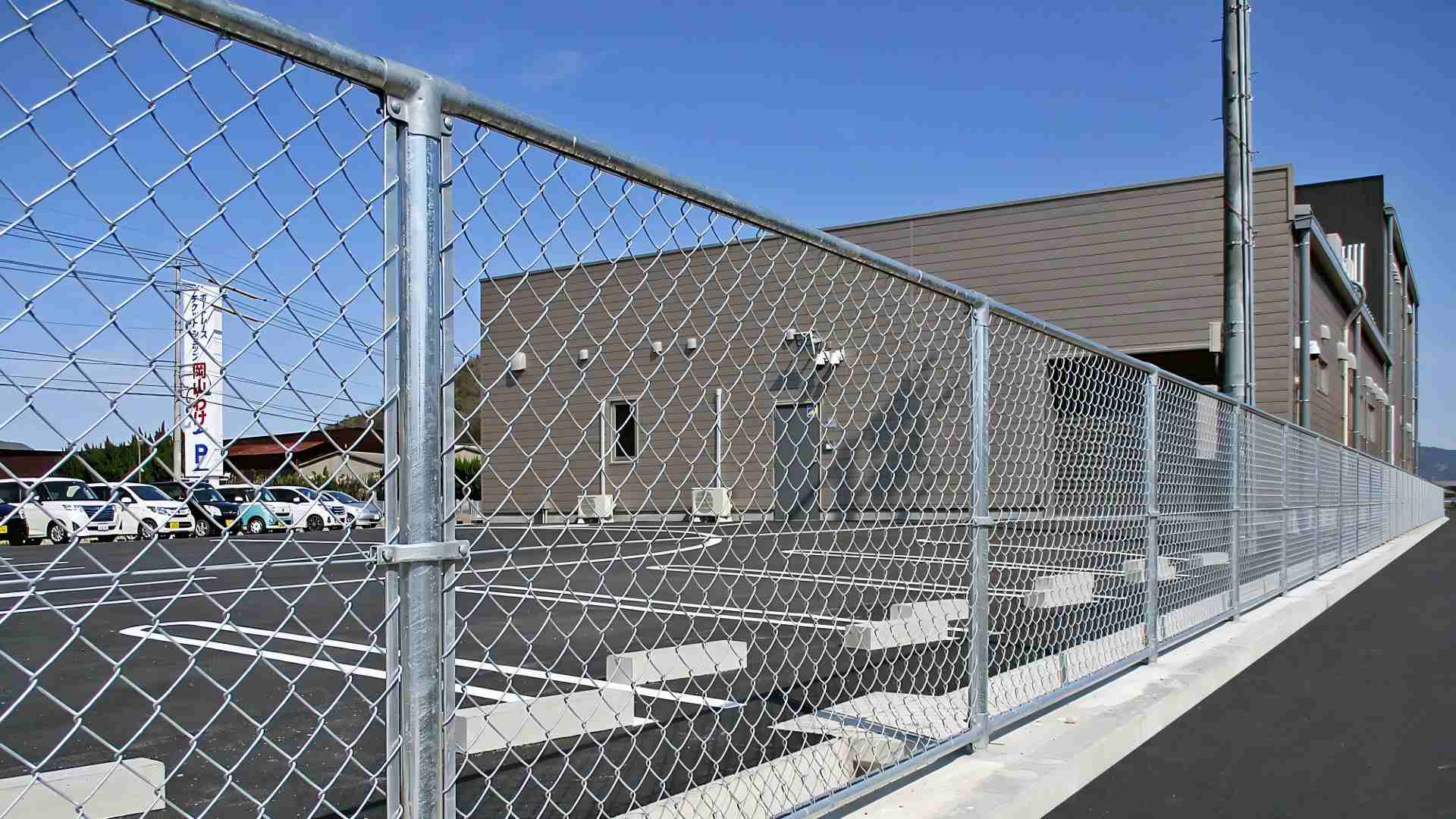
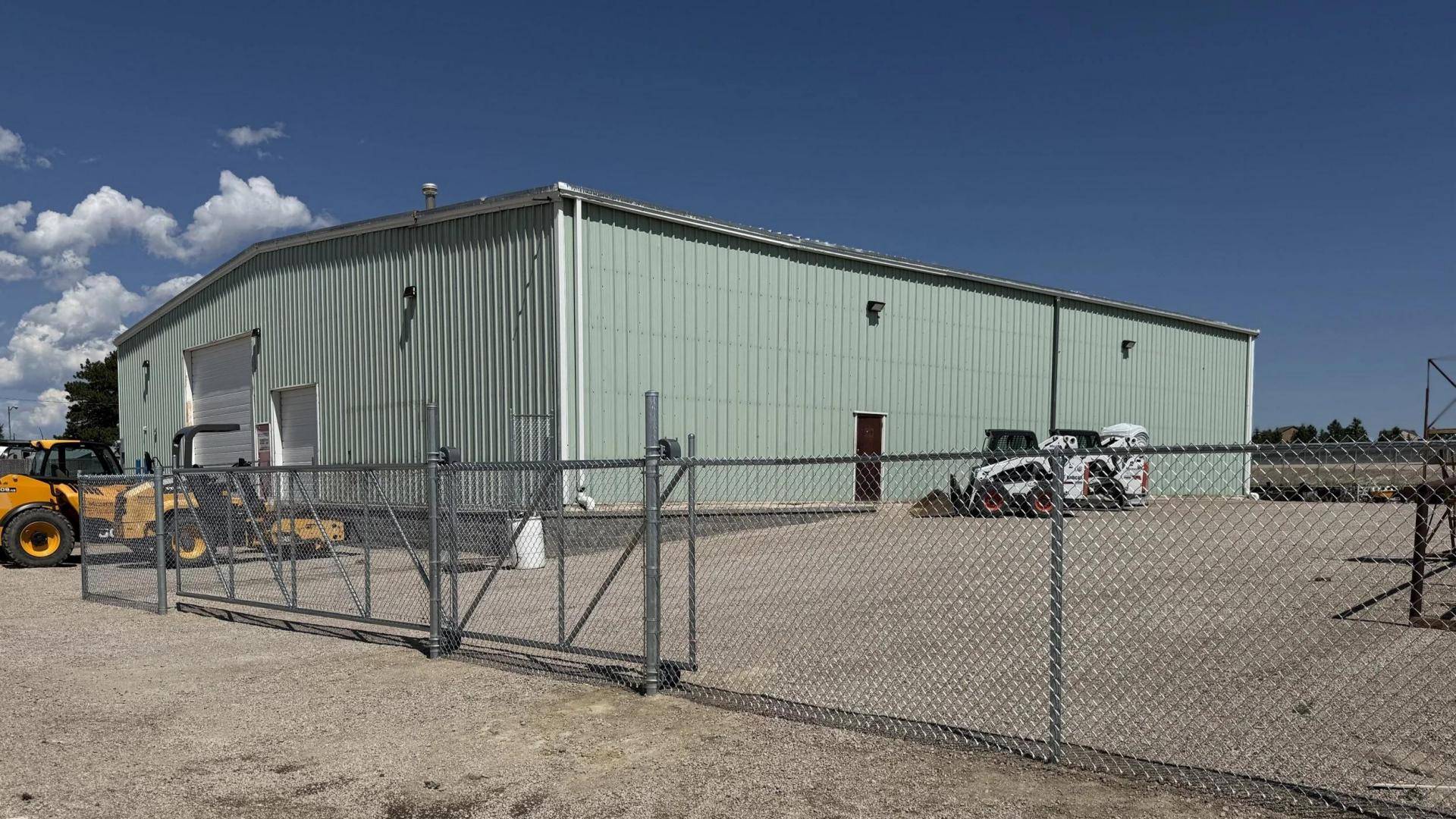
Chain Link Fence
Best for:
- Equipment yards
- Warehouses
- Storage facilities
- Processing centers
Advantages:
- Excellent visibility
- Fast installation
- Cost-effective perimeter security
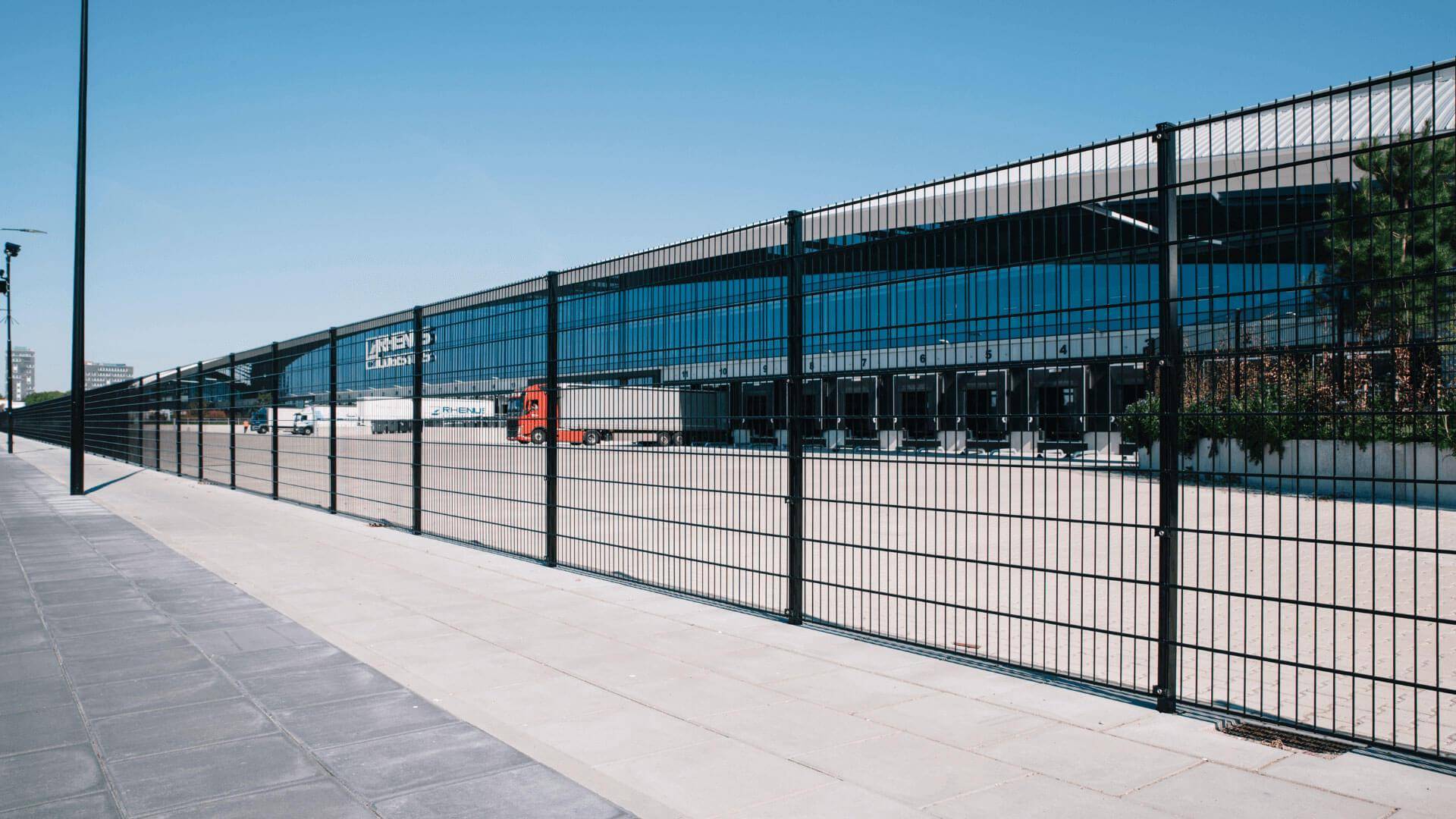
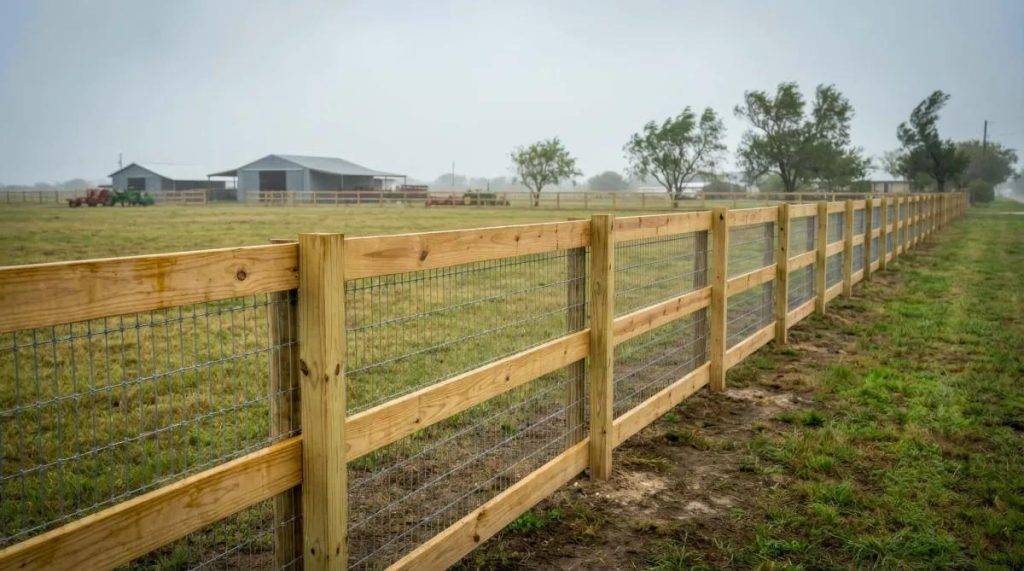
Welded Wire Fence
Best for:
- Farm boundaries
- Mixed-use agricultural sites
- Livestock-adjacent areas
Advantages:
- Strong structure
- Good visibility
- Attractive appearance
Wire-Based Boundary Systems
Best for:
- Large rural properties
- Grazing operations
- Extensive land areas
Advantages:
- Lower material cost
- Flexible installation
Fence Comparison Table
| Fence Type | Security | Visibility | Durability |
|---|---|---|---|
| Chain Link Fence | Excellent | Excellent | Excellent |
| Welded Wire Fence | Good | Excellent | Excellent |
| Wire Boundary Fence | Moderate | Excellent | Good |
Material Selection Considerations
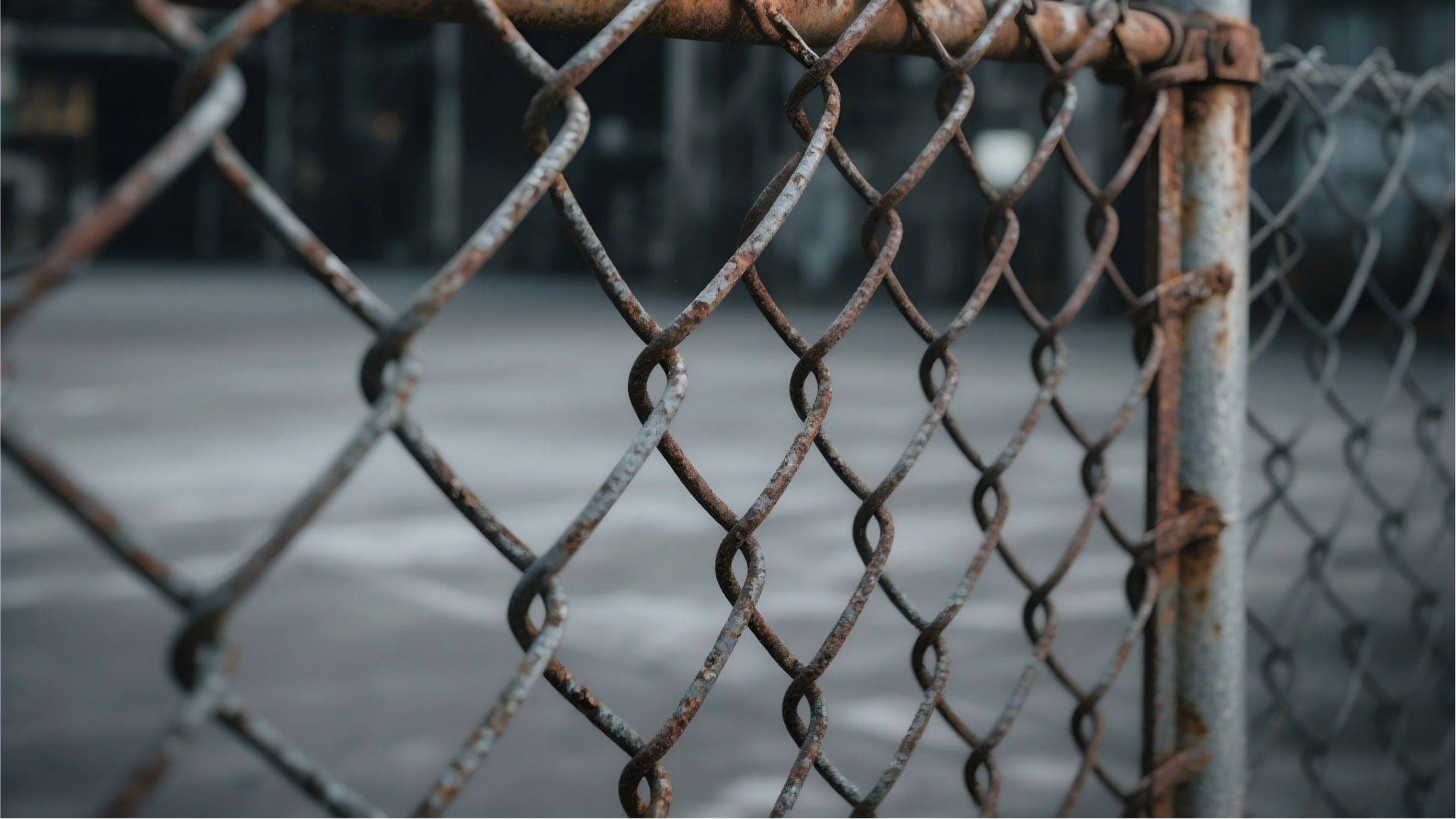
Galvanized Steel
Advantages:
- Corrosion resistance
- Long service life
- Cost efficiency
PVC Coated Systems
Advantages:
- Additional weather protection
- Improved appearance
- Reduced maintenance
Recommended Specification Table
| Application | Recommended Solution |
|---|---|
| Crop Protection | Welded Wire Fence |
| Equipment Yard | Chain Link Fence |
| Grain Storage | Chain Link Fence |
| Agricultural Warehouse | Chain Link Fence |
| Farm Boundary | Welded Wire Fence |
| Mixed Agricultural Site | Welded Wire Fence |
Common Selection Mistakes
Underestimating Site Size
Fence systems should accommodate future expansion.
Ignoring Wildlife Risks
Wildlife pressure may influence fence height and design requirements.
Focusing Only on Initial Cost
Long-term maintenance and durability should also be evaluated.
Choosing Inappropriate Materials
Agricultural environments often require corrosion-resistant materials.
Long-Term Security Benefits
A properly designed perimeter fencing system helps:
- Reduce asset losses
- Improve operational control
- Support site safety
- Enhance property management
The long-term value often extends beyond simple security improvements.
Conclusion
Perimeter fencing remains one of the most effective ways to protect crops, equipment, and agricultural facilities. By selecting the right fencing type, material, and specification, farm operators can improve security while supporting efficient day-to-day operations.
Whether protecting crop production areas, machinery yards, or storage facilities, a well-planned fencing system can provide dependable performance for years to come.
FAQ
Why is perimeter fencing important for farms?
Perimeter fencing helps protect crops, equipment, facilities, and property boundaries from unauthorized access and animal intrusion.
What fence type is best for equipment yards?
Chain link fencing is commonly used because it provides visibility and reliable security.
Can perimeter fencing help protect crops?
Yes. Proper fencing can reduce wildlife intrusion and unauthorized access to production areas.
Should agricultural perimeter fences be galvanized?
Galvanized materials are widely recommended because they provide good corrosion resistance and long service life.
How do I choose between chain link and welded wire fencing?
The choice depends on security requirements, site conditions, appearance preferences, and operational needs.