Introduction
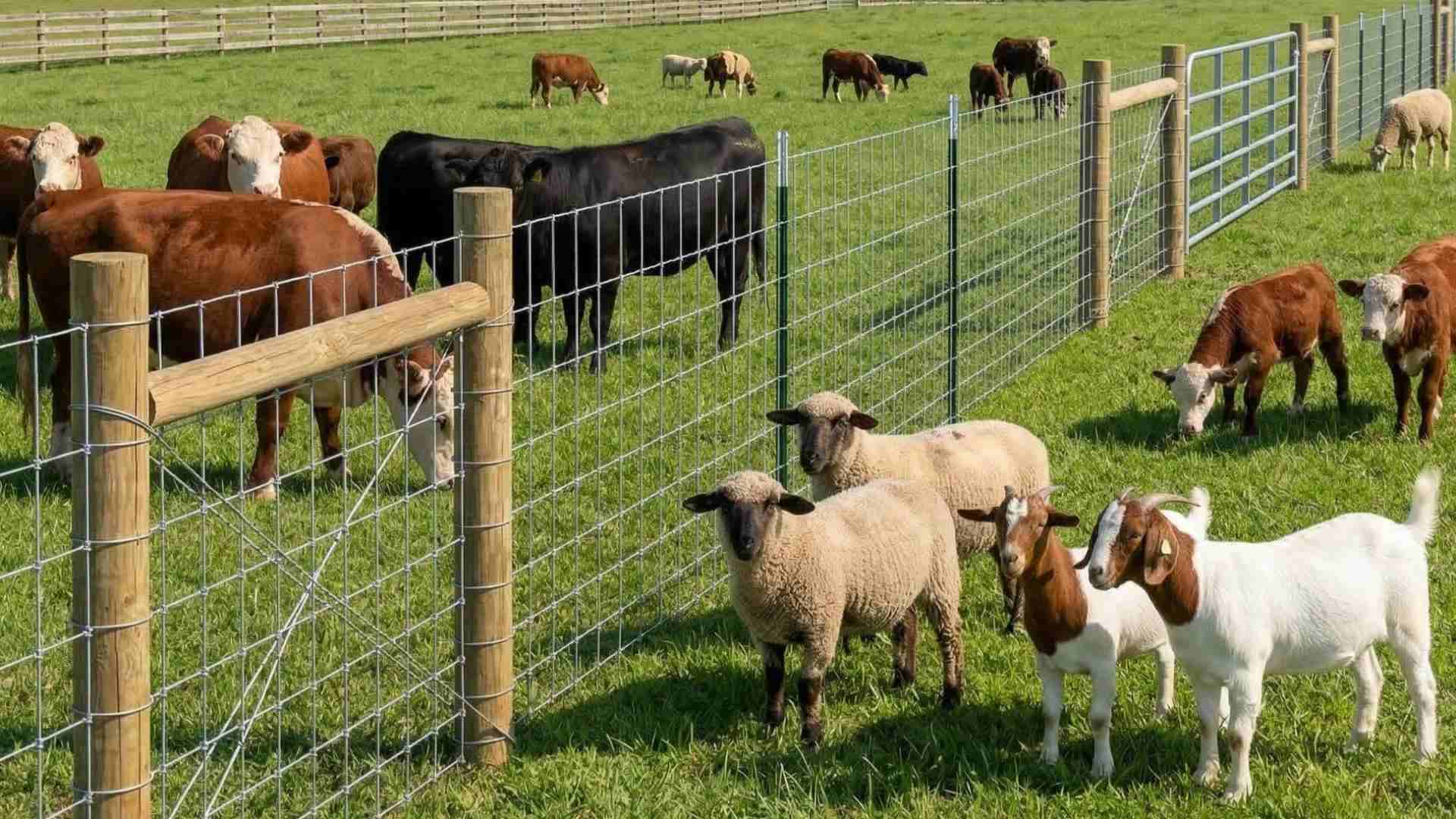
Agricultural fencing is a long-term investment. Whether the goal is livestock containment, perimeter security, crop protection, or facility management, the materials used in a fencing system have a direct impact on durability, maintenance requirements, and overall operating costs.
While initial purchase price is often an important consideration, long-term performance typically depends on factors such as corrosion resistance, structural strength, environmental exposure, and expected service life.
This guide compares common agricultural fencing materials and helps farm operators select the most appropriate solution for their specific applications.
Why Material Selection Matters
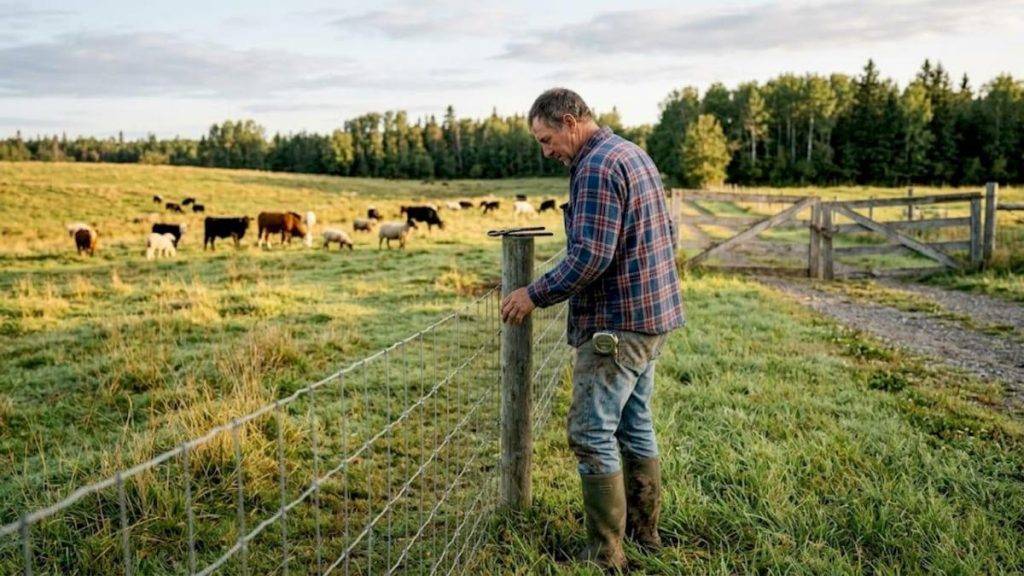
Agricultural fencing operates in challenging environments.
Fence materials may be exposed to:
- Rain and snow
- UV radiation
- Fertilizers
- Animal waste
- Irrigation systems
- Mechanical impacts
The wrong material choice can lead to:
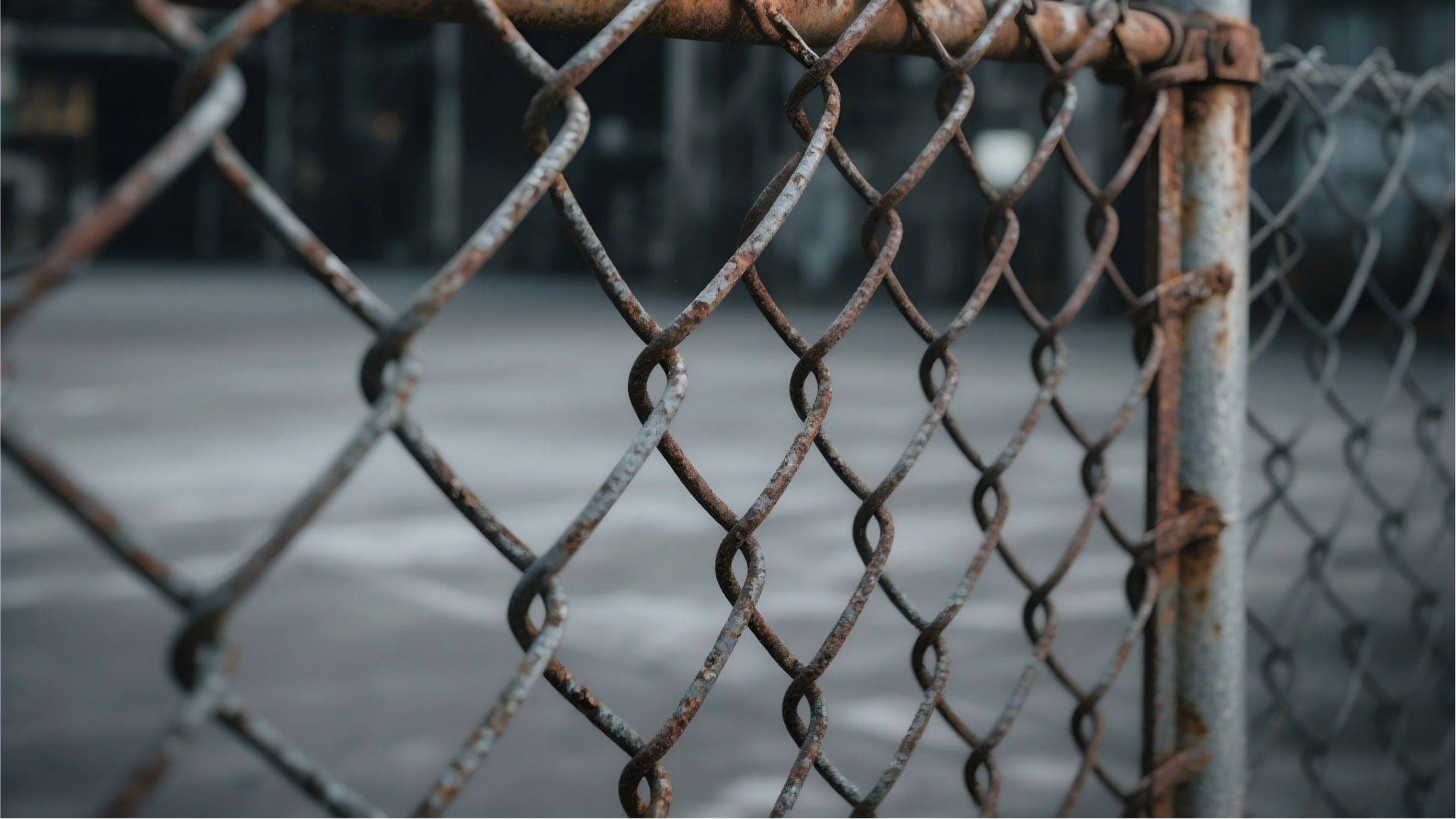
- Premature corrosion
- Frequent repairs
- Reduced fence life
- Higher ownership costs
Common Agricultural Fencing Materials
Galvanized Steel
Galvanized steel remains one of the most widely used fencing materials in agriculture.
Advantages
- Good corrosion resistance
- Cost-effective
- Proven long-term performance
- Widely available
Typical Applications
- Livestock fencing
- Farm boundaries
- Equipment yards
- Poultry facilities
PVC Coated Wire
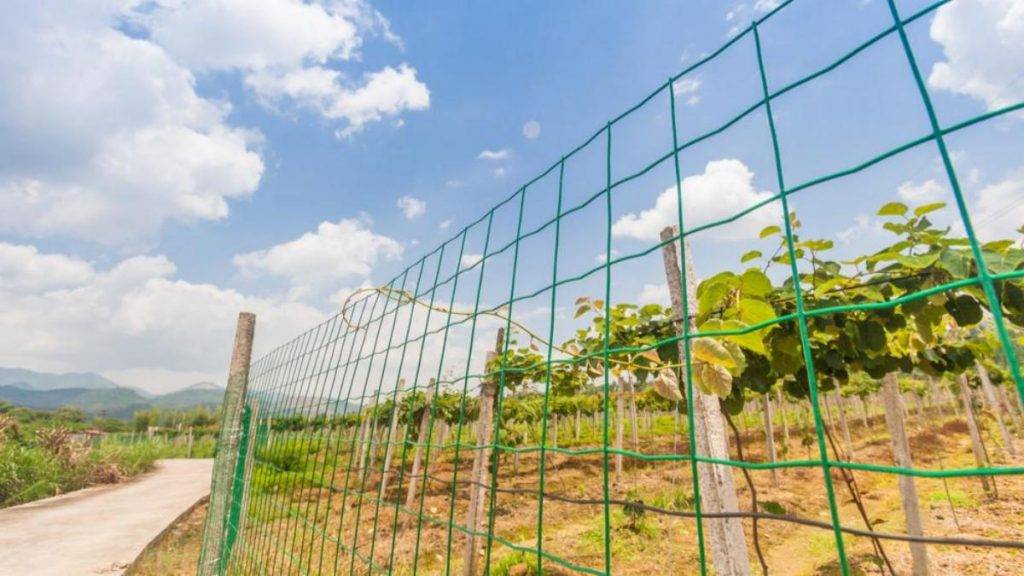
PVC coated fencing combines a galvanized steel core with an additional protective coating.
Advantages
- Enhanced corrosion resistance
- Improved appearance
- Longer service life in harsh environments
Typical Applications
- Poultry farms
- Coastal agriculture
- High-moisture environments
- Commercial agricultural facilities
Fence System Comparison
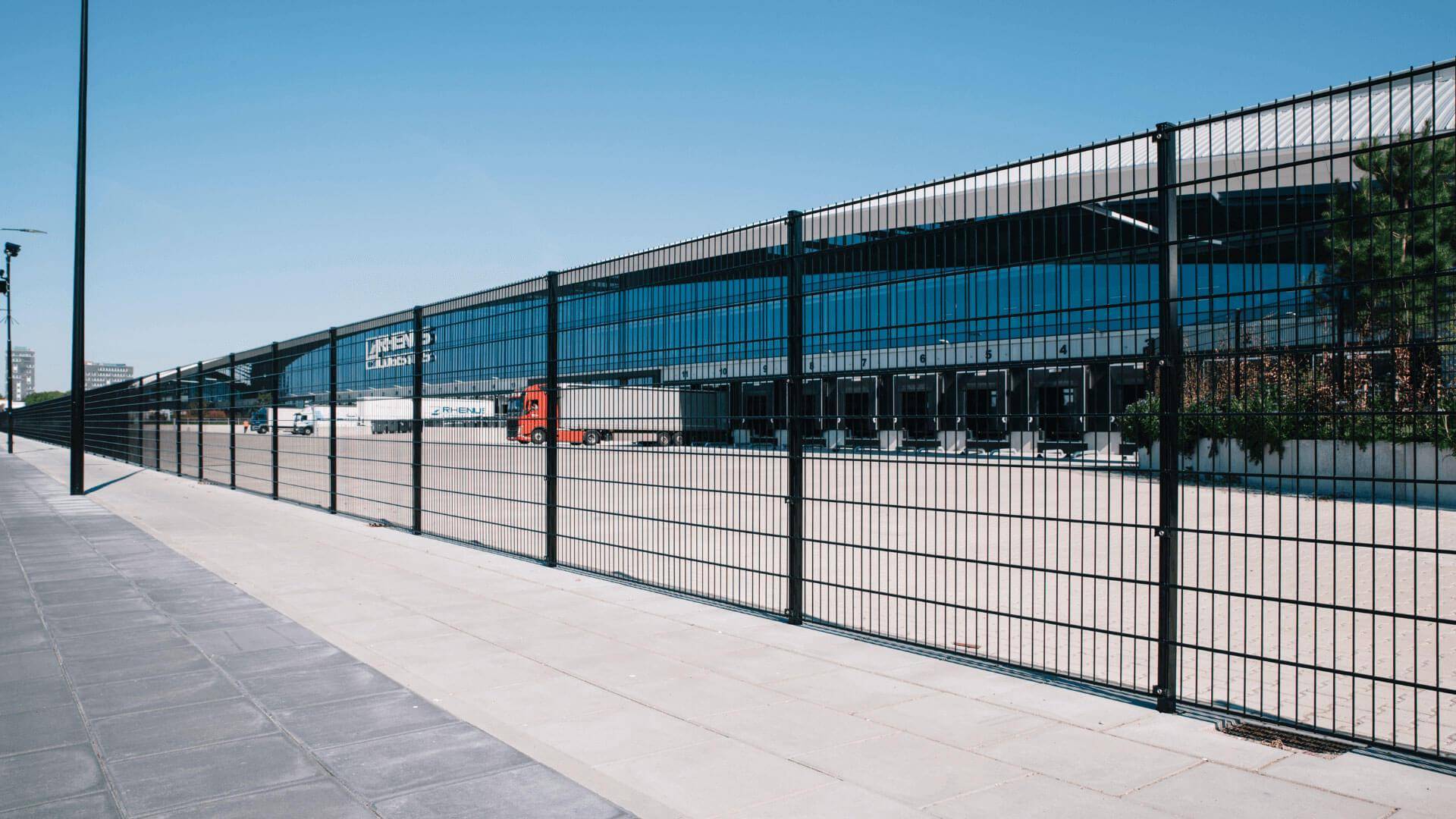
Welded Wire Fence
Best suited for:
- Livestock enclosures
- Poultry housing
- Mixed-use agricultural sites
Key benefits:
- Strong structure
- Uniform openings
- Animal safety
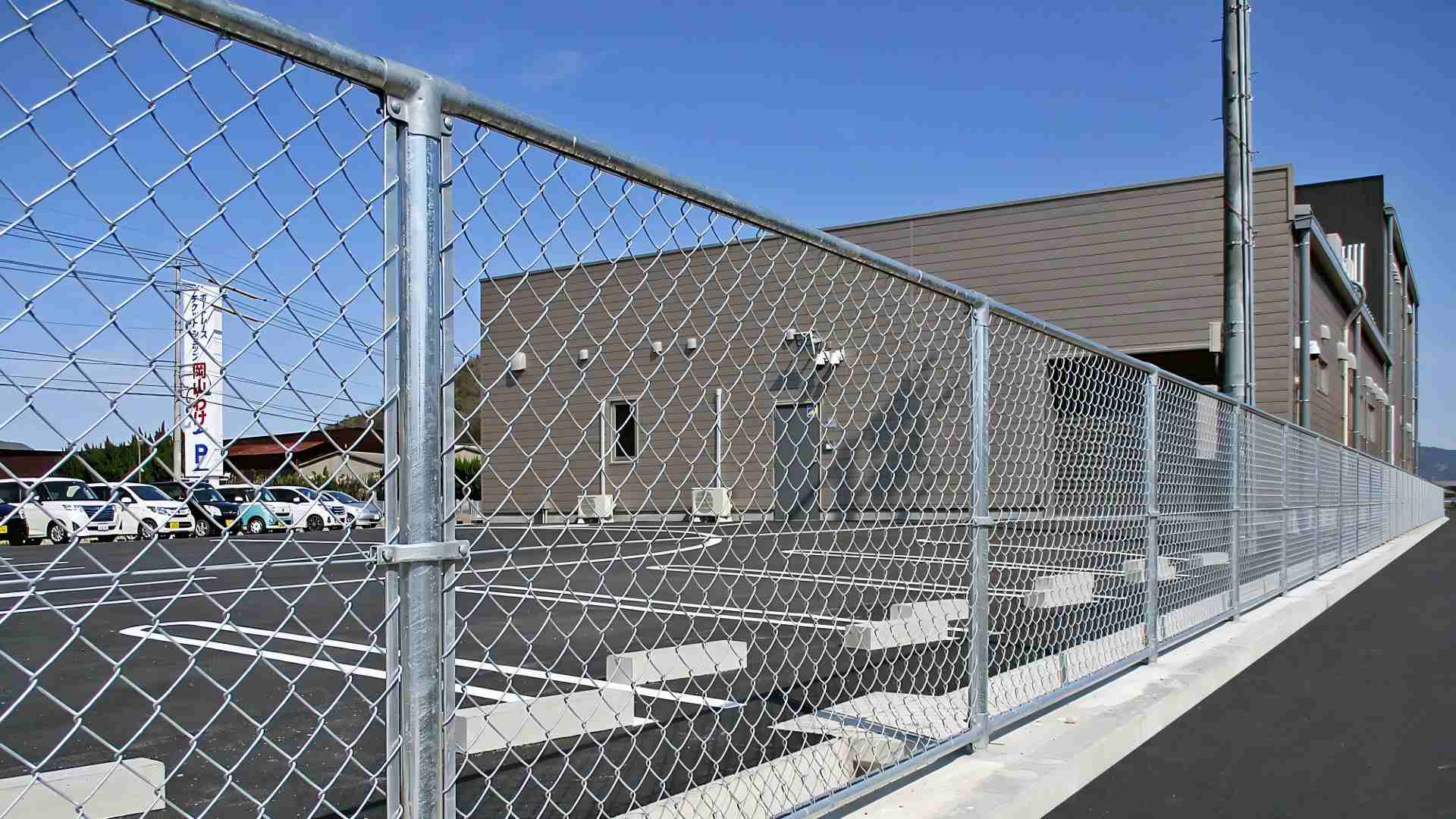
Chain Link Fence
Best suited for:
- Equipment yards
- Storage facilities
- Processing plants
- Agricultural security
Key benefits:
- Excellent visibility
- Cost-effective perimeter protection
- Easy installation
Wire-Based Boundary Systems
Best suited for:
- Large rural properties
- Grazing operations
- Long property boundaries
Key benefits:
- Lower material usage
- Flexible installation
Fence Material Comparison Table
| Material Type | Corrosion Resistance | Maintenance | Service Life |
|---|---|---|---|
| Galvanized Steel | Good | Low | Long |
| PVC Coated Steel | Excellent | Very Low | Very Long |
| Plain Carbon Steel | Poor | High | Limited |
Application Selection Guide
| Application | Recommended Solution |
|---|---|
| Cattle Enclosures | Welded Wire Fence |
| Poultry Housing | PVC Coated Welded Mesh |
| Equipment Security | Chain Link Fence |
| Grain Storage Areas | Chain Link Fence |
| Farm Perimeter | Welded Wire Fence |
| Coastal Agricultural Sites | PVC Coated Systems |
Factors That Influence Fence Life
Environmental Exposure
Climate conditions can significantly affect fence durability.
Consider:
- Humidity
- Rainfall
- Salt exposure
- Soil conditions
Animal Pressure
Different animals place different stresses on fencing systems.
Examples:
- Cattle exert significant force
- Goats often test fence openings
- Horses require safe, visible barriers
Maintenance Practices
Regular inspections can help identify:
- Damaged sections
- Corrosion issues
- Loose posts
- Gate problems
Preventive maintenance often extends service life considerably.
Common Material Selection Mistakes
Choosing Based Only on Initial Cost
Lower-cost materials may result in higher replacement costs over time.
Ignoring Environmental Conditions
Coastal and high-moisture environments often require enhanced corrosion protection.
Using the Same Fence for Every Application
Different agricultural activities may require different fence systems.
Overlooking Future Expansion
Fence designs should accommodate future operational growth.
Long-Term Value Considerations
The most economical fencing solution is not always the lowest-cost option.
When evaluating fencing materials, operators should consider:
- Expected service life
- Maintenance requirements
- Repair frequency
- Operational reliability
In many cases, higher-quality materials provide a lower total cost of ownership over the life of the fence.
Conclusion
Selecting agricultural fencing materials requires balancing performance, durability, maintenance requirements, and budget considerations.
Galvanized steel, PVC coated wire, welded wire fencing, and chain link fencing each offer advantages depending on the application. By choosing materials that match environmental conditions and operational requirements, farm operators can improve reliability and maximize long-term value.
A well-designed fencing system is an investment that supports productivity, security, and efficient farm management for years to come.
FAQ
What is the most common agricultural fencing material?
Galvanized steel is one of the most widely used materials because it offers a good balance of durability and cost.
Is PVC coated fencing worth the additional cost?
In harsh or high-moisture environments, PVC coated fencing often provides longer service life and reduced maintenance.
Which fence type is best for livestock?
Welded wire fencing is commonly used because it provides strength, visibility, and reliable animal containment.
Is chain link fencing suitable for farms?
Yes. It is frequently used around equipment yards, warehouses, and agricultural facilities.
How can fence service life be extended?
Using corrosion-resistant materials and performing regular maintenance can significantly increase fence longevity.