Introduction
Architectural metal systems have become an integral part of contemporary building design. From perforated facades and decorative mesh partitions to expanded metal screening and architectural grating, metal materials provide architects with solutions that combine aesthetics, durability, and functionality.
However, selecting the right material involves more than choosing a visual style. Environmental conditions, maintenance expectations, structural requirements, and lifecycle costs all influence long-term project performance.
This guide examines the most commonly used architectural metal products and materials, helping designers, contractors, and project owners make informed decisions.
Why Material Selection Matters
Architectural metal systems often remain in service for decades.
Their performance affects:
- Building appearance
- Maintenance requirements
- Occupant experience
- Operating costs
- Long-term asset value
Selecting the appropriate material early in the design process can significantly improve project outcomes.
Common Architectural Metal Products
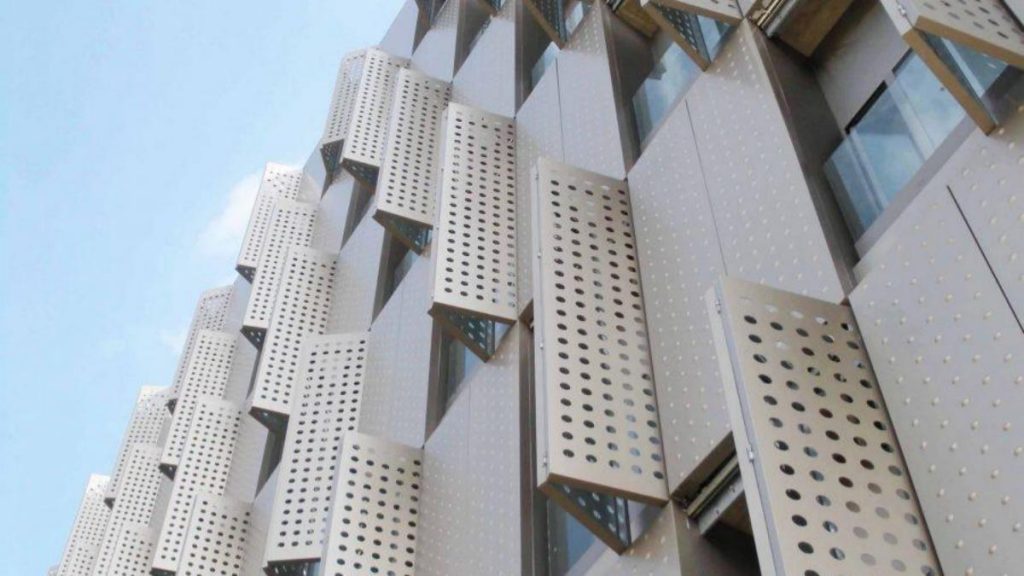
Perforated Metal
Widely used for:
- Building facades
- Sun-shading systems
- Parking structures
- Equipment screens
Advantages:
- Custom patterns
- Excellent design flexibility
- Good ventilation and daylight control
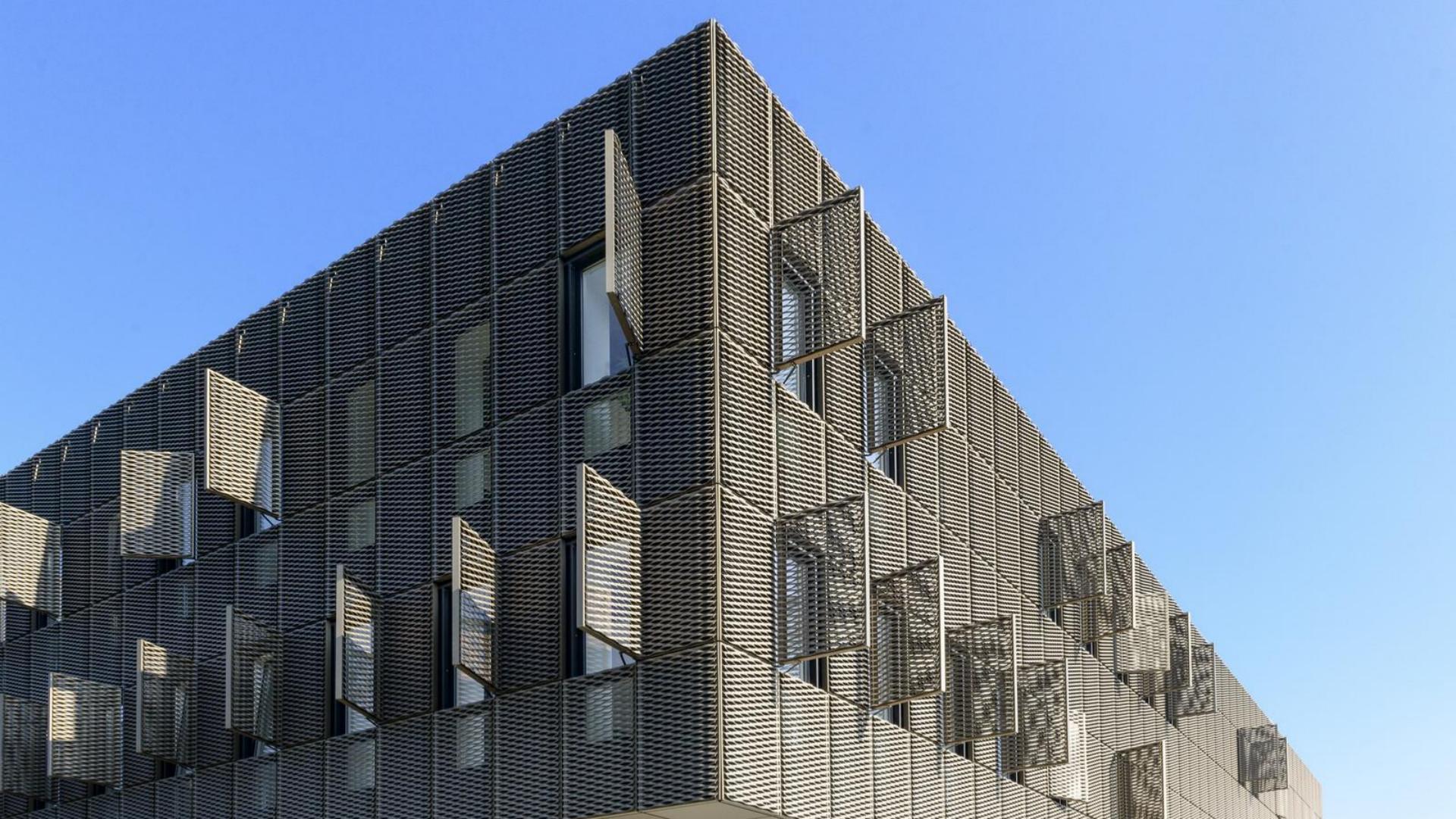
Expanded Metal
Common applications:
- Exterior screening
- Architectural cladding
- Ventilation panels
- Parking structures
Advantages:
- High strength-to-weight ratio
- Continuous mesh structure
- Excellent airflow
Decorative Woven Wire Mesh
Popular for:
- Hospitality interiors
- Retail environments
- Feature walls
- Architectural partitions
Advantages:
- Premium appearance
- Transparency options
- Design versatility
Architectural Bar Grating
Frequently used for:
- Walkways
- Stair treads
- Service platforms
- Ventilation flooring
Advantages:
- Load-bearing capability
- Slip resistance
- Long service life
Product Selection Table
| Product | Best Application | Key Benefit |
|---|---|---|
| Perforated Metal | Facades & Sun Screens | Design Flexibility |
| Expanded Metal | Exterior Screening | Ventilation |
| Decorative Wire Mesh | Interiors | Premium Appearance |
| Bar Grating | Walkways | Structural Strength |
Material Options
Aluminum
Advantages:
- Lightweight
- Corrosion resistant
- Easy fabrication
Typical applications:
- Facades
- Sun screens
- Cladding systems
Stainless Steel
Advantages:
- Premium appearance
- Superior corrosion resistance
- Long service life
Typical applications:
- Coastal projects
- Landmark buildings
- High-end interiors
Carbon Steel
Advantages:
- High strength
- Cost-effective
- Versatile
Typical applications:
- General architectural projects
- Structural applications
Material Comparison Table
| Material | Corrosion Resistance | Weight | Maintenance |
|---|---|---|---|
| Aluminum | Excellent | Light | Low |
| Stainless Steel | Excellent | Medium | Low |
| Carbon Steel | Moderate | Heavy | Moderate |
Factors Affecting Long-Term Performance
Environmental Exposure
Architectural metal systems may be exposed to:
- Rain
- UV radiation
- Coastal environments
- Industrial pollution
Material selection should match site conditions.
Surface Finish
Common finish options include:
- Mill finish
- Powder coating
- Anodizing
- Stainless steel finishes
The finish can significantly influence durability and appearance.
Maintenance Expectations
Some materials require less maintenance than others.
Designers should consider:
- Cleaning frequency
- Accessibility
- Lifecycle costs
Recommended Solutions Table
| Project Type | Recommended Material |
|---|---|
| Commercial Office Buildings | Aluminum |
| Educational Facilities | Aluminum |
| Hospitality Projects | Stainless Steel |
| Coastal Architecture | Stainless Steel |
| Parking Structures | Galvanized Steel |
| Interior Decorative Features | Stainless Steel Mesh |
Common Specification Mistakes
Choosing Based Only on Appearance
Architectural performance should be evaluated alongside visual objectives.
Ignoring Environmental Conditions
Coastal and industrial environments often require enhanced corrosion resistance.
Underestimating Maintenance Costs
Lifecycle costs can exceed initial material costs.
Using One Material for Every Application
Different building components may require different material solutions.
Long-Term Value Considerations
The best architectural material is rarely the cheapest option.
Project teams should evaluate:
- Service life
- Maintenance requirements
- Replacement costs
- Performance expectations
Materials that provide longer service life often deliver better lifecycle value.
Conclusion
Architectural metal products offer architects and building owners a wide range of design and performance benefits. Whether selecting perforated metal facades, expanded metal screening, decorative wire mesh, or architectural grating, choosing the appropriate material is essential for achieving long-term success.
By evaluating environmental conditions, performance requirements, and maintenance expectations, project teams can create durable architectural systems that continue to perform for decades.
FAQ
What is the best material for architectural facades?
Aluminum and stainless steel are among the most commonly used facade materials because of their durability and corrosion resistance.
Is stainless steel worth the additional cost?
For coastal or premium architectural projects, stainless steel often provides superior long-term value.
What architectural product offers the best ventilation?
Expanded metal generally provides the highest airflow due to its open structure.
Is perforated metal suitable for exterior applications?
Yes. Perforated metal is widely used for facades, shading systems, and screening applications.
How important is finish selection?
Surface finishes significantly influence appearance, corrosion resistance, and maintenance requirements.