Introduction
Industrial filtration systems operate under a wide range of conditions, from water treatment facilities and food processing plants to petrochemical refineries and pharmaceutical manufacturing operations. In each case, selecting the appropriate filter media directly affects filtration efficiency, product quality, equipment protection, and operating costs.
No single filtration material is suitable for every application. Engineers must evaluate process requirements, environmental conditions, contaminant characteristics, and long-term maintenance needs before selecting a filtration solution.
This guide explores the key factors involved in filter media selection and compares common wire mesh filtration products used in demanding industrial environments.
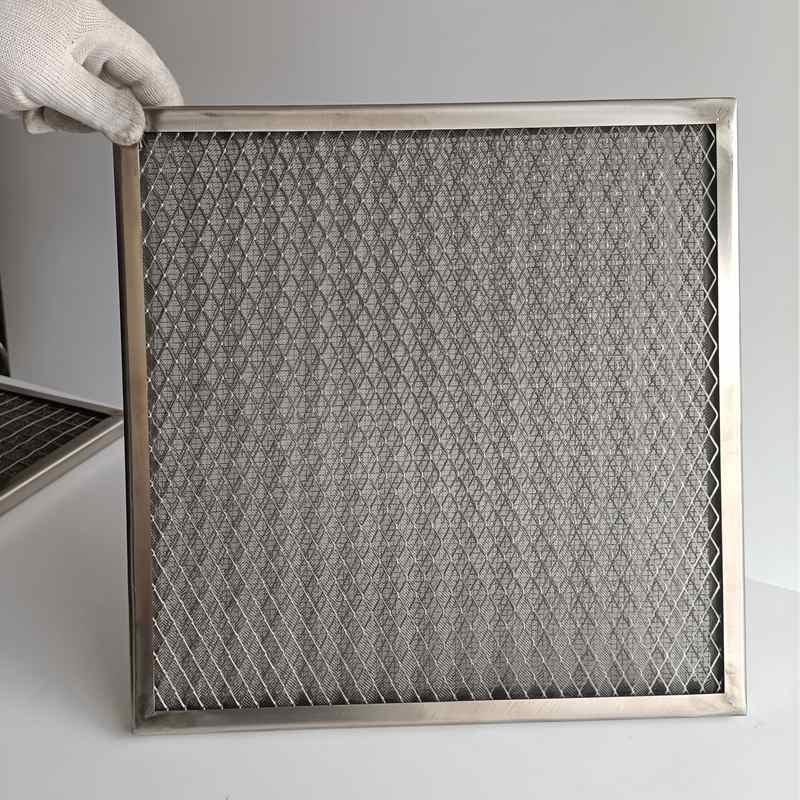
Why Filter Media Selection Matters
The wrong filtration media can result in:
- Reduced filtration efficiency
- Excessive pressure drop
- Increased maintenance
- Equipment damage
- Product contamination
- Higher operating costs
Properly selected filter media helps ensure:
- Stable process performance
- Consistent product quality
- Longer equipment life
- Improved operational reliability
Key Factors in Filter Media Selection
Particle Size
Understanding contaminant size is the first step.
Questions include:
- What particles must be removed?
- What retention efficiency is required?
- What filtration accuracy is needed?
Flow Rate
Filtration systems must balance:
- Filtration efficiency
- Throughput capacity
- Pressure drop
Higher flow rates often require greater open area.
Operating Conditions
Engineers should evaluate:
- Temperature
- Pressure
- Chemical exposure
- Moisture levels
- Cleaning requirements
Maintenance Strategy
Consider:
- Service life
- Cleaning procedures
- Replacement frequency
- Downtime costs
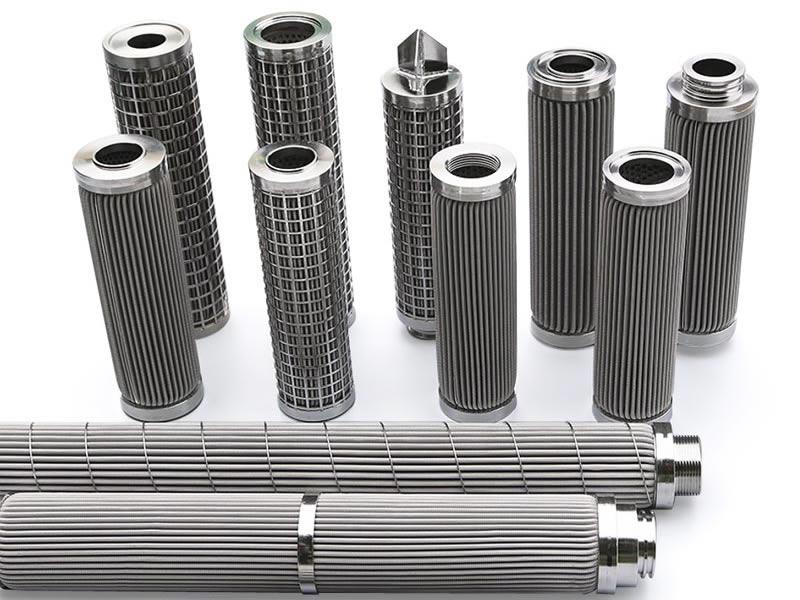
Woven Wire Mesh Filtration Media
Woven wire mesh remains one of the most widely used filtration materials.
Advantages
- Precise opening sizes
- Mechanical strength
- Wide specification range
- Excellent durability
Typical Applications
- Water treatment
- Food processing
- Chemical filtration
- Manufacturing systems
Dutch Weave Wire Mesh
Dutch weave mesh is specifically designed for filtration applications requiring fine particle retention.
Benefits
- Fine filtration capability
- High strength
- Stable filtration performance
Typical Applications
- Polymer filtration
- Petrochemical processing
- Pharmaceutical production
- High-purity liquid filtration
Twill Weave Wire Mesh
Twill weave structures allow:
- Higher mesh counts
- Improved particle retention
- Enhanced filtration precision
Applications include:
- Fine filtration
- Precision manufacturing
- Specialty process systems
Knitted Wire Mesh
Unlike woven mesh, knitted wire mesh is designed for gas-liquid separation.
Typical Applications
- Demister pads
- Mist eliminators
- Air-oil separators
- Scrubbers
Advantages
- High void volume
- Low pressure drop
- Efficient droplet capture
Filter Media Comparison Table
| Filter Media | Best For | Filtration Type |
|---|---|---|
| Plain Weave Mesh | General Filtration | Particle Removal |
| Dutch Weave Mesh | Precision Filtration | Fine Particle Retention |
| Twill Weave Mesh | Fine Filtration | Precision Separation |
| Knitted Wire Mesh | Mist Elimination | Gas-Liquid Separation |
Material Selection Guide
Stainless Steel 304
Suitable for:
- General industrial environments
- Water treatment
- Manufacturing
Stainless Steel 316
Recommended for:
- Chemical processing
- Marine applications
- Food production
- Pharmaceutical manufacturing
Specialty Alloys
Used in:
- High-temperature operations
- Severe corrosion environments
- Specialized industrial processes
Material Comparison Table
| Material | Corrosion Resistance | Typical Applications |
|---|---|---|
| SS304 | Good | General Filtration |
| SS316 | Excellent | Food, Pharma, Chemical |
| Monel | Excellent | Marine Applications |
| Inconel | Excellent | High Temperature Systems |
Industry-Specific Recommendations
Water Treatment
Recommended:
- Plain Weave SS304
Food Processing
Recommended:
- Plain Weave SS316
- Dutch Weave SS316
Pharmaceutical Manufacturing
Recommended:
- Dutch Weave SS316
Petrochemical Processing
Recommended:
- Dutch Weave
- Knitted Wire Mesh
Gas Processing
Recommended:
- Knitted Wire Mesh Demisters
Facility Selection Guide
| Industry | Recommended Filter Media |
|---|---|
| Water Treatment | Plain Weave |
| Food Processing | Plain Weave / Dutch Weave |
| Pharmaceutical | Dutch Weave |
| Chemical Processing | Dutch Weave |
| Petrochemical | Dutch Weave + Knitted Mesh |
| Gas Processing | Knitted Mesh |
Common Selection Mistakes
Focusing Only on Mesh Count
Mesh count alone does not determine filtration performance.
Ignoring Process Conditions
Temperature and chemical exposure can significantly affect service life.
Choosing Low-Cost Materials
Initial savings often lead to higher long-term costs.
Underestimating Maintenance Requirements
Serviceability should be considered during design.
Future Trends in Industrial Filtration
Modern filtration systems increasingly emphasize:
- Higher efficiency
- Lower energy consumption
- Improved sustainability
- Longer service life
- Reduced maintenance requirements
Wire mesh filtration media continues to evolve to meet these demands.
Conclusion
Selecting filter media for demanding industrial environments requires a careful evaluation of filtration objectives, operating conditions, material compatibility, and maintenance requirements.
Whether the application requires woven wire mesh for particle filtration, Dutch weave mesh for precision separation, or knitted wire mesh for mist elimination, choosing the right filtration media helps maximize process efficiency and equipment reliability.
Working with experienced technical suppliers can simplify specification selection and improve long-term performance.