Introduction
Welded wire mesh is one of the most versatile metal products used in construction, industrial processing, agriculture, infrastructure, and security applications. Its strength, dimensional stability, and ease of installation make it a preferred choice for engineers, contractors, and fabricators.
However, selecting the correct welded wire mesh requires understanding several specification parameters, including mesh opening, wire diameter, panel or roll dimensions, material, and surface finish.
This guide explains the standard welded wire mesh sizes commonly available in the market and provides practical advice for selecting the appropriate specification.
Understanding Welded Wire Mesh Specifications
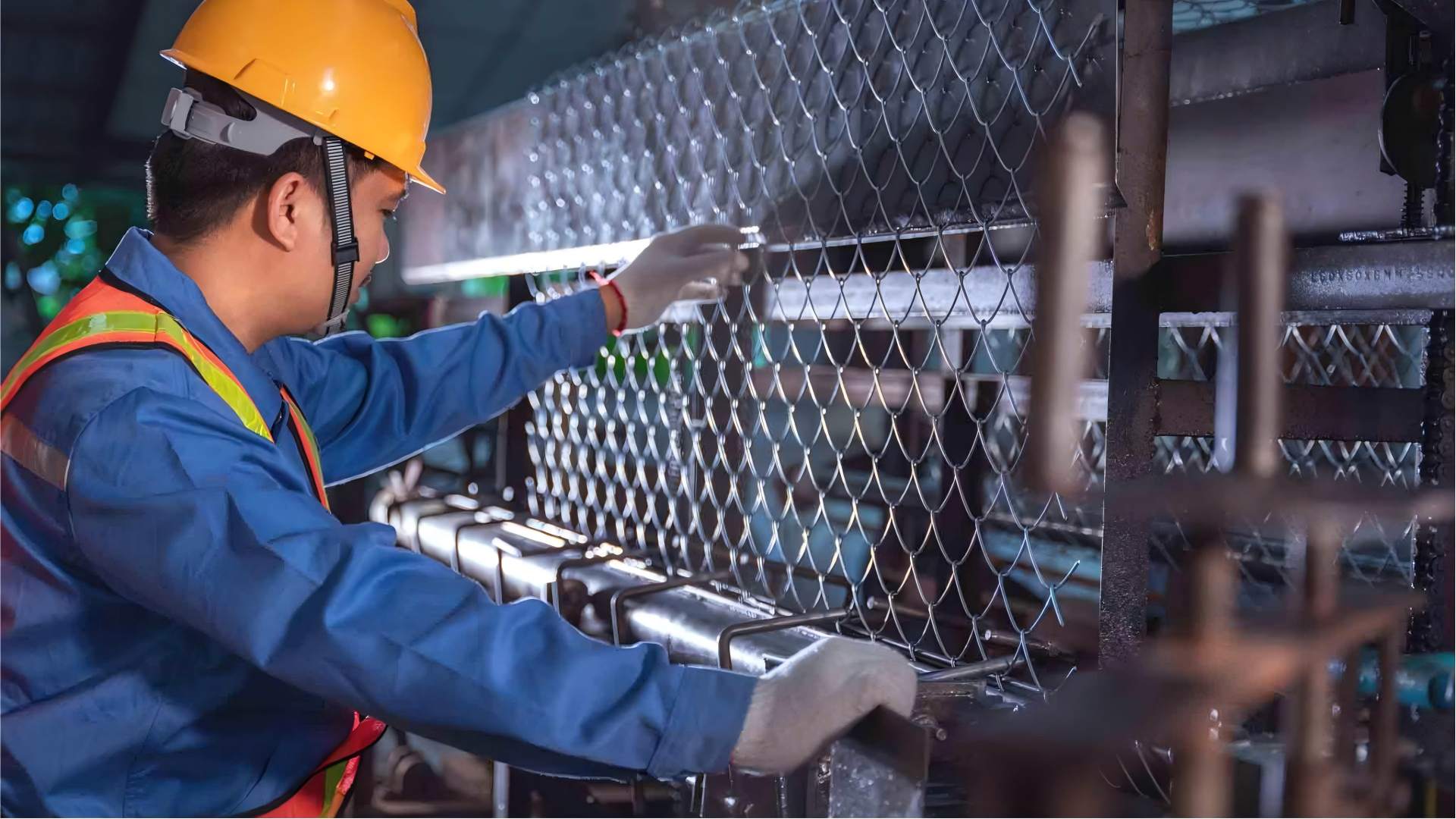
Unlike woven wire mesh, welded wire mesh is manufactured by resistance welding longitudinal and transverse wires at each intersection.
A complete specification typically includes:
- Mesh opening
- Wire diameter
- Panel or roll size
- Material
- Surface treatment
- Welding quality
Common Mesh Opening Sizes
| Mesh Opening | Typical Applications |
|---|---|
| 6 × 6 mm | Fine guards, cages |
| 12 × 12 mm | Small animal enclosures |
| 25 × 25 mm (1″ × 1″) | Industrial guards |
| 50 × 50 mm (2″ × 2″) | Construction, fencing |
| 75 × 75 mm | Heavy-duty barriers |
| 100 × 100 mm | Agricultural fencing |
Standard Wire Diameters
Typical wire diameters include:
| Diameter | Common Applications |
|---|---|
| 1.2 mm | Light-duty mesh |
| 1.6 mm | General industrial use |
| 2.0 mm | Security panels |
| 2.5 mm | Construction |
| 3.0 mm | Heavy-duty applications |
| 4.0–6.0 mm | Reinforcement and structural uses |
Standard Roll Sizes
Typical roll dimensions include:
| Width | Length |
|---|---|
| 0.9 m | 30 m |
| 1.0 m | 30 m |
| 1.2 m | 30 m |
| 1.5 m | 30 m |
| 1.8 m | 30 m |
Custom roll lengths are available for specific projects.
Standard Panel Sizes
Common welded mesh panel dimensions include:
| Width | Length |
|---|---|
| 1.0 m | 2.0 m |
| 1.2 m | 2.4 m |
| 1.5 m | 3.0 m |
| 2.0 m | 3.0 m |
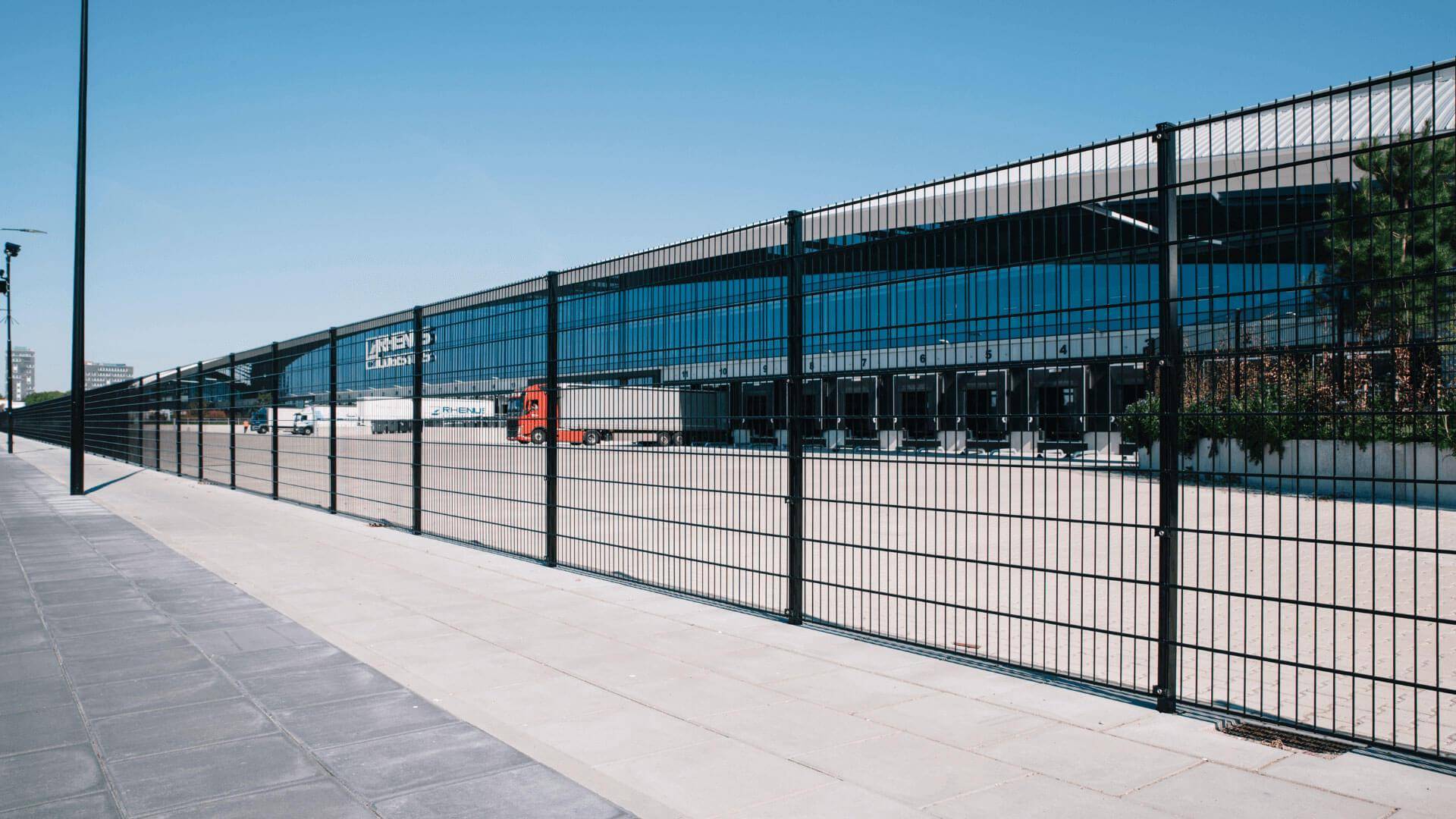
Panels are widely used for fencing systems, machine guarding, and architectural installations.
Material Options
Carbon Steel
Suitable for indoor and general industrial applications.
Galvanized Steel
Offers improved corrosion resistance for outdoor environments.
Stainless Steel
Recommended for food processing, chemical plants, and corrosive environments.
Surface Finish Comparison
| Finish | Corrosion Resistance | Typical Use |
|---|---|---|
| Bright | Moderate | Indoor |
| Electro-Galvanized | Good | Dry outdoor environments |
| Hot-Dip Galvanized | Excellent | Long-term outdoor use |
| Stainless Steel | Excellent | Marine & food industries |
Choosing the Right Specification
Consider the following factors:
Application
- Construction
- Fencing
- Machine guarding
- Agriculture
- Animal enclosures
Required Strength
Thicker wires increase rigidity and load capacity.
Environmental Conditions
Outdoor installations generally require galvanized or stainless steel mesh.
Opening Size
Smaller openings improve containment but reduce visibility and airflow.
Specification Selection Guide
| Application | Recommended Opening | Recommended Material |
|---|---|---|
| Construction Reinforcement | 50 × 50 mm | Carbon Steel |
| Warehouse Partitions | 50 × 50 mm | Galvanized Steel |
| Security Fence Panels | 50 × 100 mm | Hot-Dip Galvanized |
| Animal Enclosures | 25 × 25 mm | Galvanized Steel |
| Food Processing | 12 × 12 mm | Stainless Steel |
Common Specification Mistakes
Selecting Wire Diameter Only
Opening size is equally important.
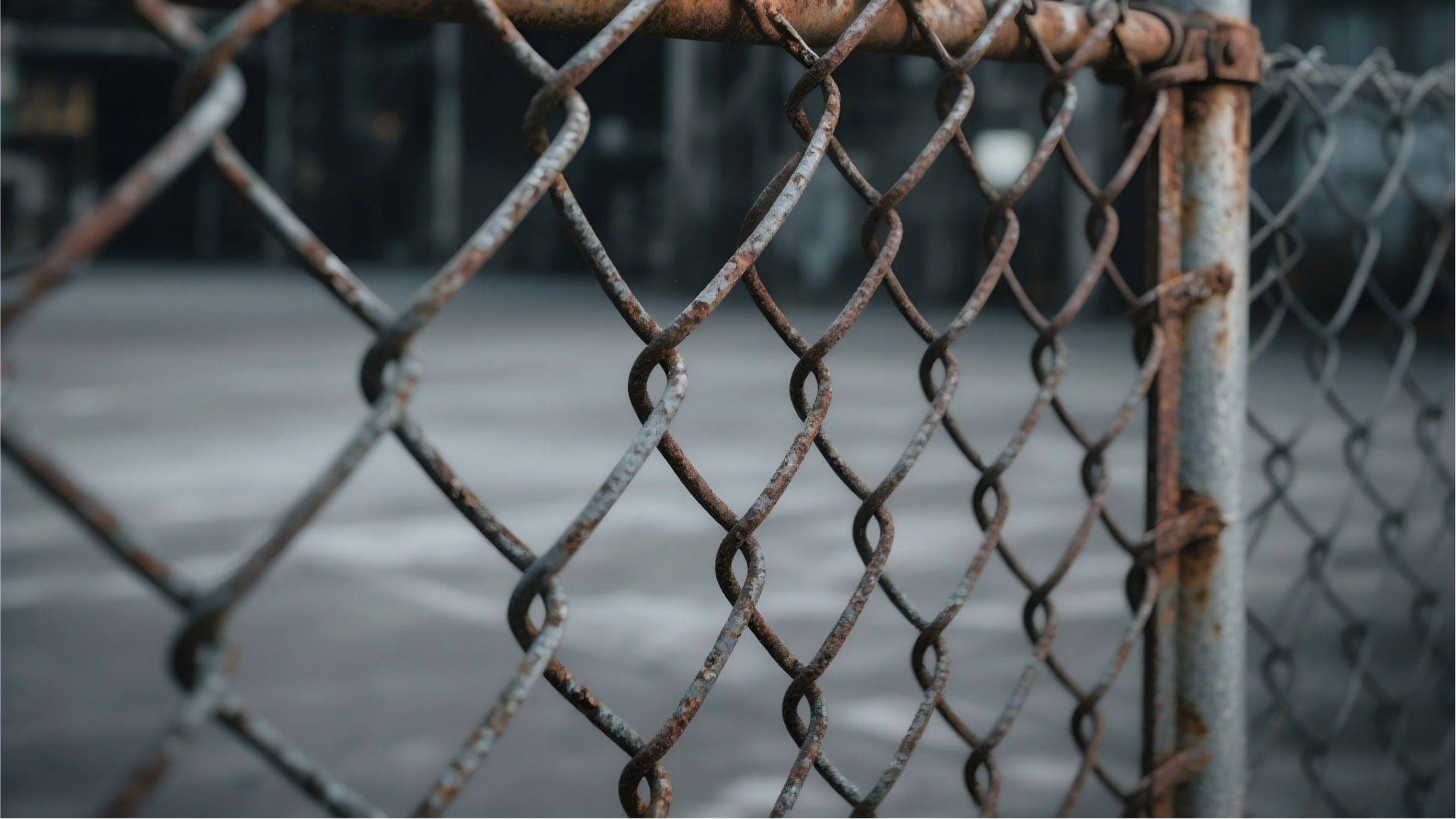
Ignoring Corrosion Protection
Outdoor projects should consider galvanized or stainless steel options.
Choosing Oversized Openings
Larger openings may not provide adequate containment or protection.
Overlooking Panel Dimensions
Panel size affects transportation, installation efficiency, and project cost.
Conclusion
Selecting the correct welded wire mesh specification involves balancing opening size, wire diameter, material, panel dimensions, and environmental conditions. Understanding these factors helps ensure that the mesh performs reliably throughout its service life while meeting structural and functional requirements.
FAQ
What is the most common welded wire mesh opening?
The 50 × 50 mm (2″ × 2″) opening is one of the most widely used for construction and general industrial applications.
What wire diameter should I choose?
It depends on the required strength, application, and span. Heavier-duty applications typically require thicker wire.
Are welded wire mesh panels stronger than rolls?
Panels generally offer greater rigidity and are commonly used where structural stability is important.
Which finish is best for outdoor use?
Hot-dip galvanized and stainless steel provide the best long-term corrosion resistance.
Can welded wire mesh be manufactured in custom sizes?
Yes. Custom openings, wire diameters, roll widths, and panel dimensions are widely available.