Introduction
Selecting wire mesh based solely on appearance can lead to costly mistakes. Two wire mesh products may look similar while having completely different performance characteristics.
For engineers, purchasing managers, and industrial contractors, understanding wire mesh specifications is critical for ensuring filtration efficiency, structural integrity, corrosion resistance, and compliance with project requirements.
This guide explains the most important wire mesh parameters and how they influence product performance.
What Are Wire Mesh Specifications?
Wire mesh specifications define the physical and mechanical characteristics of a mesh product.
Typical specifications include:
- Mesh count
- Opening size
- Wire diameter
- Open area
- Material grade
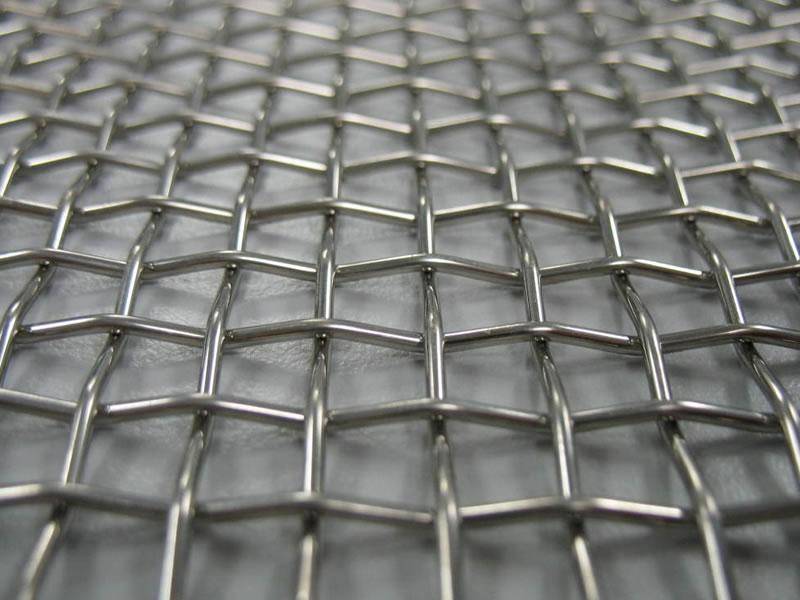
- Weave type
- Roll width
- Roll length
- Industry standards
Together, these parameters determine how the mesh performs in real-world applications.
Mesh Count
Mesh count refers to the number of openings per linear inch.
Examples:
| Mesh Count | Openings Per Inch |
|---|---|
| 10 Mesh | 10 |
| 20 Mesh | 20 |
| 40 Mesh | 40 |
| 100 Mesh | 100 |
| 200 Mesh | 200 |
Higher mesh counts produce finer filtration.
Lower mesh counts provide larger openings and greater airflow.
Opening Size
Opening size represents the clear space between adjacent wires.
Common Applications
| Opening Size | Typical Use |
|---|---|
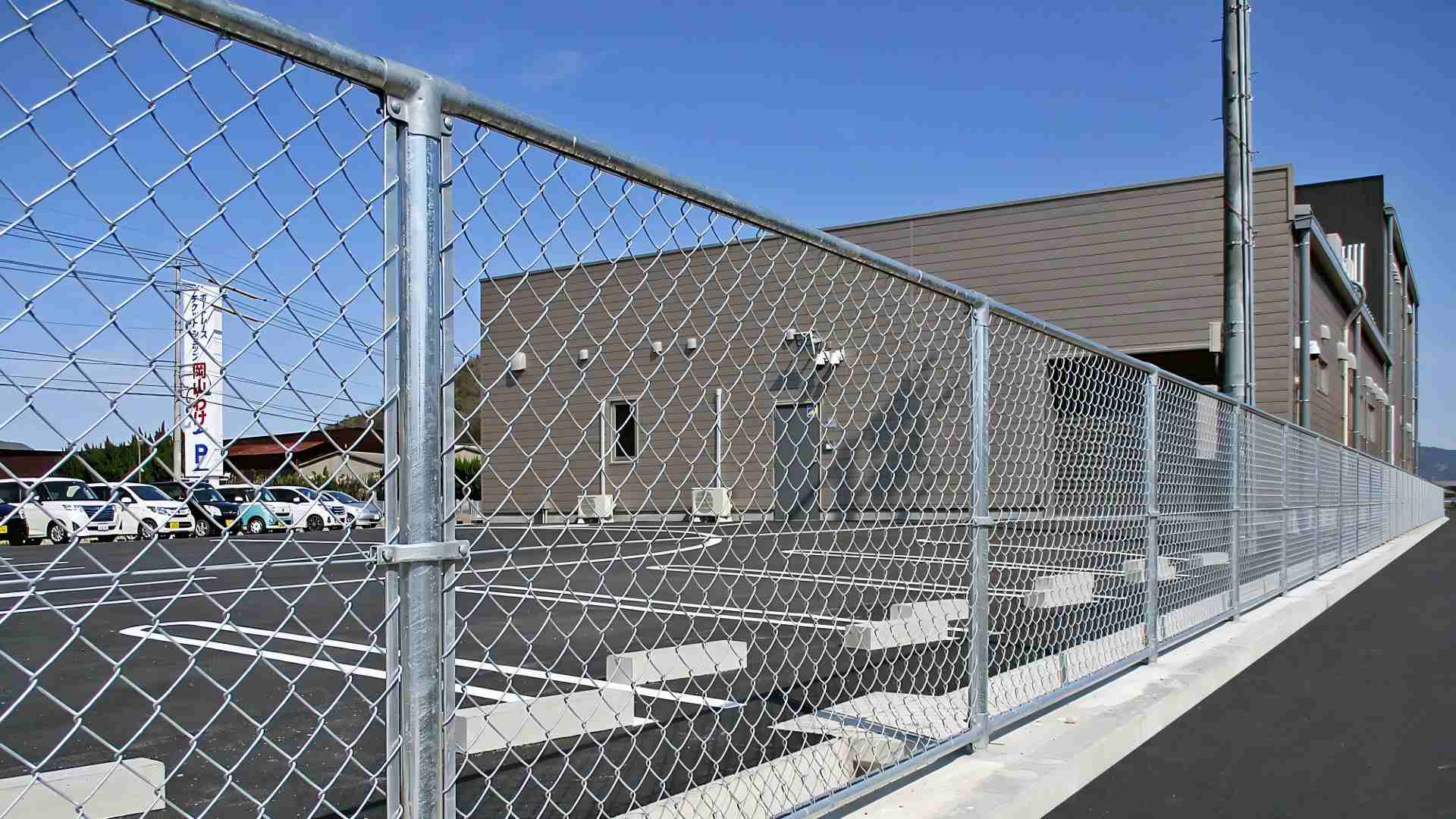
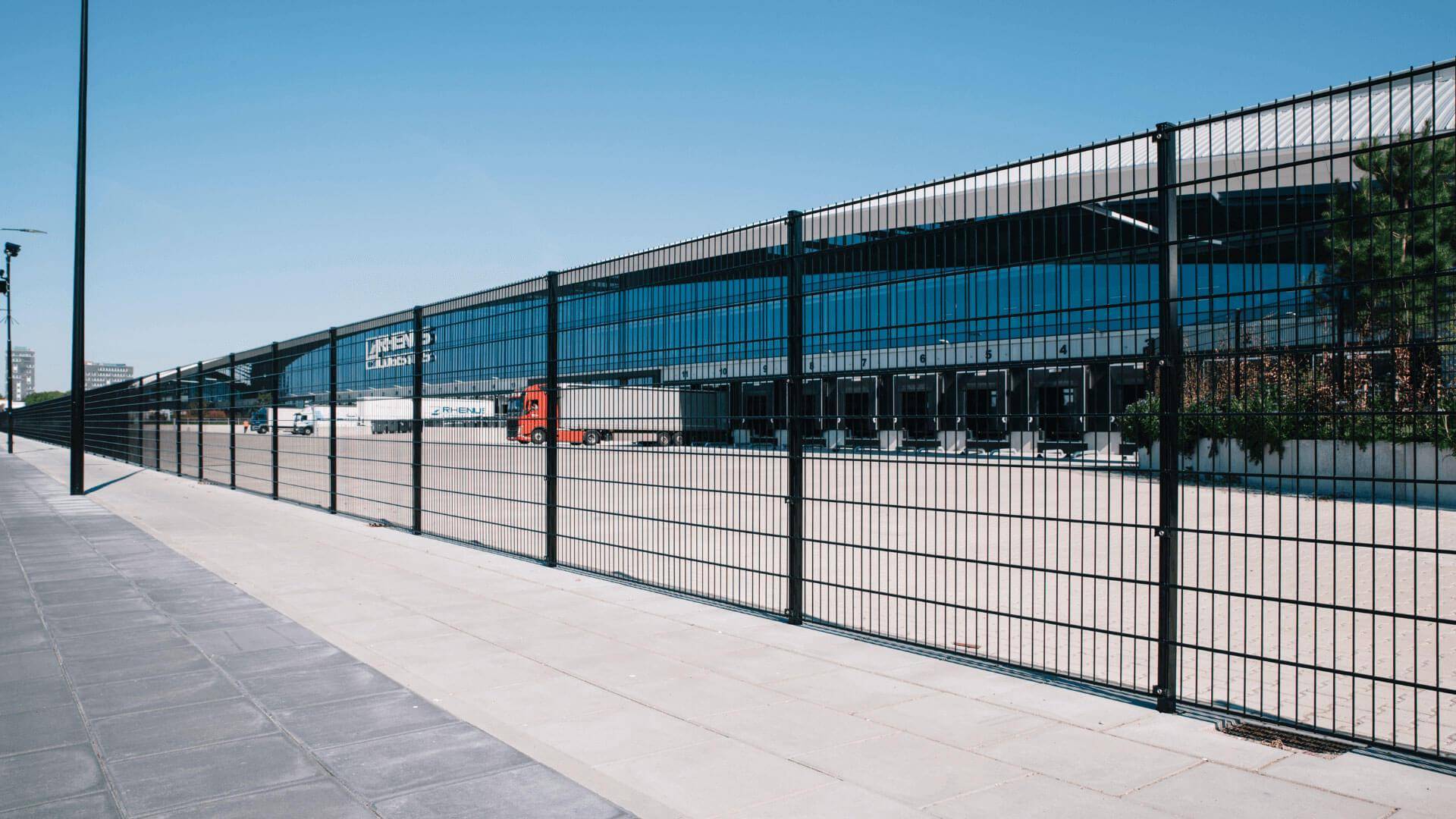
| >10 mm | Security fencing |
| 2–10 mm | Screening |
| 0.5–2 mm | Industrial filtration |
| <0.5 mm | Fine filtration |
Opening size often determines actual performance more directly than mesh count.
Wire Diameter
Wire diameter influences:
- Strength
- Weight
- Rigidity
- Open area
Example:
| Mesh | Wire Diameter |
|---|---|
| 20 Mesh | 0.40 mm |
| 20 Mesh | 0.60 mm |
Both products have the same mesh count but very different performance characteristics.
Open Area Percentage
Open area refers to the percentage of unobstructed space.
Benefits of higher open area:
- Better airflow
- Lower pressure drop
- Improved visibility
Benefits of lower open area:
- Increased strength
- Better wear resistance
Material Selection
Stainless Steel
Applications:
- Food processing
- Chemical industries
- Filtration
Galvanized Steel
Applications:
- Agriculture
- Fencing
- Construction
Copper Mesh
Applications:
- EMI shielding
- Decorative architecture
Weave Types
Plain Weave
Most common industrial mesh construction.
Twill Weave
Used for higher mesh counts and finer filtration.
Dutch Weave
Designed for precise filtration applications.
Industry Standards
Common standards include:
- ASTM
- ISO
- DIN
- EN
Always verify standard compliance before sourcing. Understanding each parameter ensures accurate purchasing decisions.
Conclusion
Wire mesh performance depends on a combination of mesh count, opening size, wire diameter, material selection, and weave pattern. Evaluating all specifications together leads to better product selection and long-term performance.